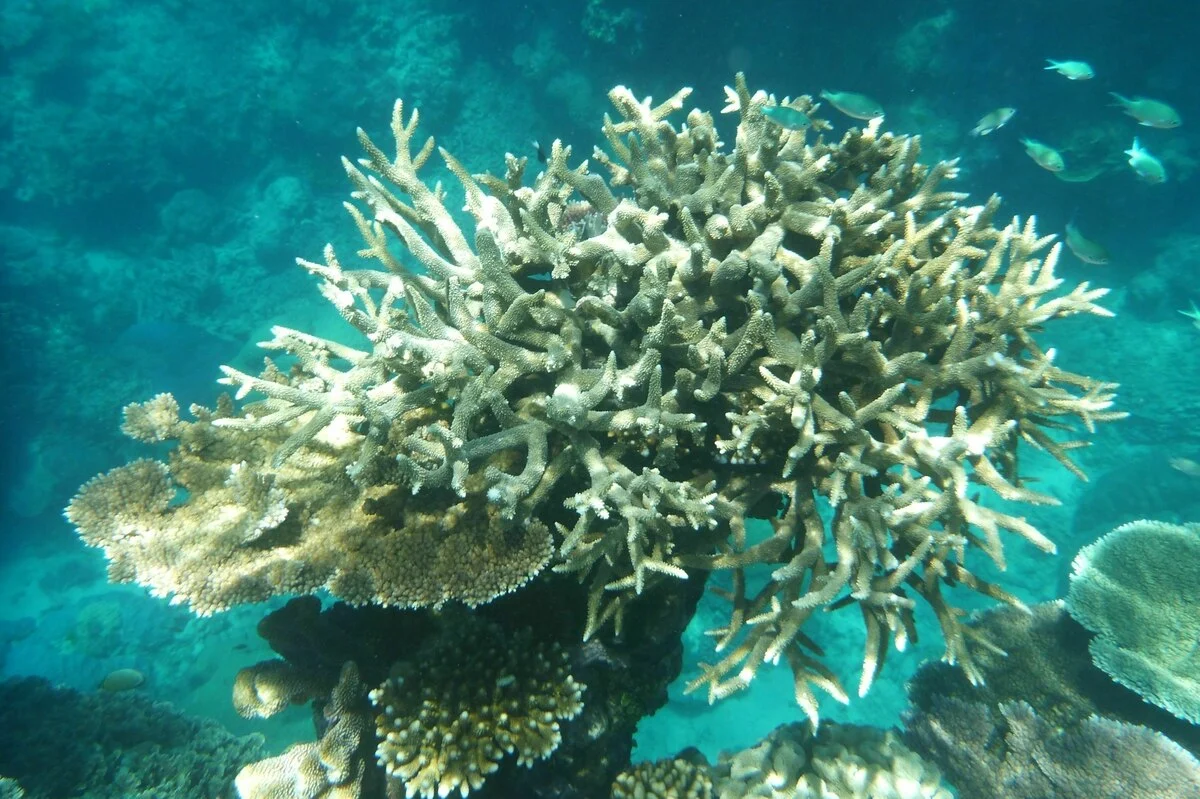
The vibrant underwater cities, teeming with life and essential to human well-being, are facing an unprecedented existential threat. Global coral reefs, crucial ecological service providers, are rapidly succumbing to the ravages of climate change, with devastating projections indicating the potential loss of over 90% within the next half-century. Despite unequivocal scientific warnings, a palpable sense of societal indifference and political inertia continues to cast a long shadow over urgent conservation efforts, pushing these vital ecosystems closer to an irreversible precipice.
Recent reports paint a stark picture, underscoring the severity of the crisis. On Thursday, the International Union for Conservation of Nature (IUCN) issued a dire warning, projecting that unchecked climate heating could decimate 96% of all coral reefs in the world’s oceans within the next 50 years. This alarming figure is corroborated by other studies, which suggest that a sustained global temperature increase of 2 degrees Celsius above pre-industrial levels would lead to the destruction of a staggering 99% of the world’s coral reefs. The implications of such a catastrophic loss extend far beyond marine biodiversity, threatening the livelihoods of hundreds of millions of people and fundamentally altering coastal ecosystems worldwide.
The Unfolding Crisis: A Chronology of Warnings and Delays
The scientific community has, for decades, issued increasingly urgent warnings regarding the accelerating impacts of climate change on marine environments. Coral reefs, particularly sensitive to changes in ocean temperature and chemistry, have long been identified as bellwethers of broader ecological distress. The phenomenon of coral bleaching, where corals expel their symbiotic algae (zooxanthellae) dueishing due to thermal stress, has become increasingly frequent and severe, transforming once-colorful reefs into stark white graveyards.
The Paris Agreement, adopted in 2015, established the ambitious goal of limiting global warming to well below 2 degrees Celsius above pre-industrial levels, with an even more stringent aspiration of 1.5 degrees Celsius. Scientists have consistently emphasized that exceeding the 1.5-degree threshold, even temporarily, would usher in a new era of irreversible damage to fragile ecosystems like coral reefs. Yet, despite these clear scientific directives, global efforts to curb greenhouse gas emissions continue to falter, often sidelined by short-term economic or political considerations.
A recent example of this systemic delay emerged from the European Union Parliament. Crucial climate protection regulations for imported fossil fuels, which would have mandated importers to verify that producers in their countries of origin monitor and reduce methane emissions, have been postponed until 2031. The Parliament justified this significant delay by citing the "energy price crisis." This decision is particularly concerning given that methane is a greenhouse gas far more potent than carbon dioxide in the short term, with its rapid reduction considered essential by scientists to keep the 1.5-degree target within reach. This deferral exemplifies a broader pattern of prioritizing immediate economic concerns over long-term environmental imperatives, effectively kicking the climate can down the road at a moment when urgent action is paramount.
The consequences of such delays are not abstract; they directly translate into increased stress on ecosystems already struggling. Each passing year without significant emissions reductions pushes coral reefs closer to their tipping point, diminishing their capacity for recovery and increasing the likelihood of widespread, permanent damage. The warnings have been consistent, the science robust, yet the collective political will often appears insufficient to meet the scale of the challenge.
The Irreplaceable Ecosystem: Supporting Data and Ecological Services
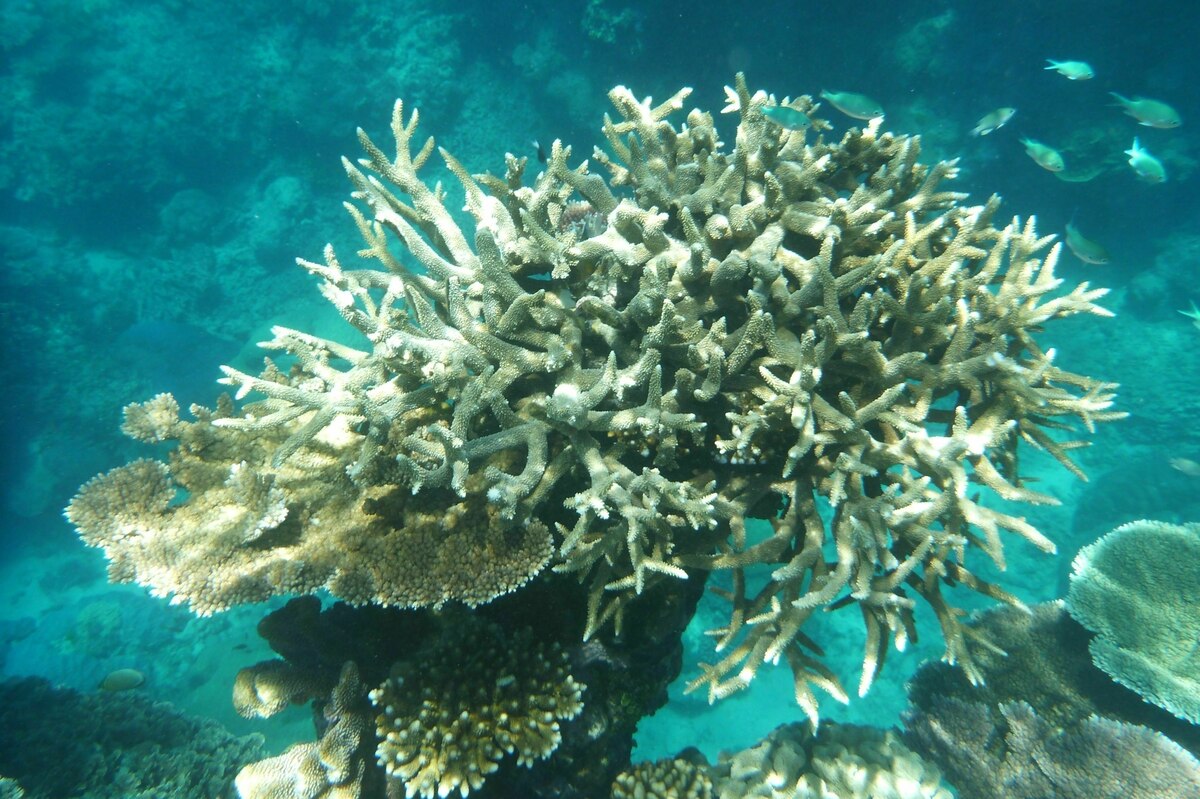
Coral reefs, often dubbed the "rainforests of the sea," are biodiversity hotspots of unparalleled importance. Despite occupying less than 1% of the ocean floor, they support an estimated 25% of all marine species, providing critical habitats, breeding grounds, and feeding areas for a vast array of fish, invertebrates, and other marine organisms. Their intricate structures create complex ecosystems that are vital for the health and productivity of the entire ocean.
The ecological services provided by coral reefs are immense and multifaceted, underpinning the livelihoods and well-being of at least half a billion people globally. These services can be broadly categorized as:
Food Security and Fisheries
Coral reefs are the "nurseries of the sea," serving as essential breeding grounds and habitats for numerous commercially important fish species. Without the protection and abundant food sources offered by reefs, the populations of these fish would plummet, leading to widespread food insecurity, particularly in coastal communities that rely heavily on reef fisheries for sustenance and income. The intricate food web that originates on the reefs—from algae and zooplankton supporting snails and crabs to these smaller creatures feeding larger predatory fish—would collapse, disrupting entire marine food chains.
Coastal Protection
Perhaps one of the most underappreciated services of coral reefs is their role as natural breakwaters. These robust structures effectively absorb up to 97% of wave energy, significantly reducing the impact of storms, tsunamis, and rising sea levels on coastlines. By dissipating wave energy, reefs prevent coastal erosion, protect infrastructure, and safeguard human settlements from flooding. The degradation of reefs leaves coastal communities vulnerable to increasingly severe weather events, necessitating costly artificial defenses and potentially leading to displacement.

Economic Value
The economic contribution of coral reefs is staggering. Studies have estimated the annual value of their ecological services to be approximately $6.8 billion. This figure encompasses:
- Fisheries: The direct economic output from reef-associated fisheries.
- Tourism: Reefs are major attractions for snorkelers, divers, and tourists, generating billions in revenue for local economies through hotels, tour operators, and related services.
- Coastal Protection: The avoided costs of erosion, storm damage, and the need for artificial coastal defenses.
- Pharmaceuticals: Coral reef organisms are a rich source of novel compounds with potential applications in medicine, offering hope for new drugs to treat cancer, inflammation, and other diseases.
Carbon Sequestration and Climate Regulation
While not as widely recognized as forests, coral reefs, along with associated ecosystems like seagrass beds and mangroves, play a vital role in the global carbon cycle. They act as natural carbon sinks, sequestering carbon dioxide from the atmosphere and helping to regulate the Earth’s climate. Their degradation releases stored carbon and diminishes the ocean’s capacity to absorb future emissions, exacerbating the climate crisis.
Cultural and Intrinsic Value
Beyond their tangible benefits, coral reefs hold immense cultural significance for many indigenous communities, interwoven into their traditions, spiritual beliefs, and way of life. Their intrinsic beauty and biological complexity also offer profound aesthetic and scientific value, inspiring awe and driving scientific discovery.
The cumulative loss of these services, which scientists warn could occur within 50 years if current trends continue, would trigger a cascade of environmental, economic, and humanitarian crises unprecedented in modern history.
Scientific Consensus and Alarming Projections
The scientific consensus regarding the fate of coral reefs under various global warming scenarios is robust and alarming. The 1.5°C threshold is not an arbitrary number but a critical tipping point identified through extensive research. Exceeding this limit, even by a small margin, significantly increases the frequency and intensity of marine heatwaves, which are the primary drivers of mass coral bleaching events.

The IUCN report’s projection of 96% reef loss within 50 years is based on current warming trajectories and the known vulnerabilities of coral species. This estimate considers not only direct thermal stress but also ocean acidification, another insidious consequence of increased atmospheric CO2. As oceans absorb more carbon dioxide, their pH decreases, making it harder for corals and other calcifying organisms to build and maintain their skeletons. This dual threat of warming and acidification creates a synergistic pressure that most coral species cannot withstand.
The more extreme projection of 99% destruction at 2°C global warming underscores the catastrophic consequences of failing to meet even the less ambitious targets of the Paris Agreement. Such a scenario would effectively mean the functional extinction of most coral reef ecosystems, with only a handful of highly resilient, isolated patches potentially surviving. The loss would be global, impacting tropical reefs as well as the lesser-known, yet equally vulnerable, cold-water corals found in deeper and higher-latitude environments. These colder water corals are often under even greater threat, as ocean temperatures in northern and southern latitudes are rising faster than around the equator, adding another layer of urgency to their conservation.
These projections are not mere academic exercises; they represent the collective understanding of thousands of marine biologists, oceanographers, and climate scientists. Their consistent warnings serve as an urgent call for immediate and transformative action, emphasizing that every fraction of a degree of warming avoided is a fraction of a degree of life saved for these vital ecosystems.
Global Indifference and Official Responses
The discrepancy between the scientific consensus and the pace of political and societal response is perhaps the most disheartening aspect of the coral reef crisis. The EU Parliament’s decision to delay methane emission regulations is a microcosm of a larger global pattern where short-term economic stability or political expediency frequently trump long-term environmental sustainability.
While some national governments and international organizations have initiated marine protected areas (MPAs) and local conservation projects, these efforts, though commendable, often fall short of addressing the root cause: global climate change. MPAs can offer localized protection from overfishing or pollution, but they cannot shield reefs from ocean warming and acidification, which are planetary-scale threats.

The "energy price crisis" invoked by the EU Parliament highlights a persistent challenge in climate policy: how to balance immediate economic pressures with the imperative of climate action. However, the science is clear that delaying climate measures only postpones and ultimately exacerbates the economic and social costs. The true "crisis" will undoubtedly be far more profound and expensive than any current energy market fluctuation.
The lack of widespread public engagement and political will is also attributed to the perception that environmental crises, especially those occurring in distant oceans, are abstract or far off. The intricate web of dependencies between human society and coral reefs is often not fully appreciated until the consequences become undeniable and catastrophic. This disconnect between scientific reality and public perception, often fueled by misinformation or a sense of helplessness, creates a dangerous vacuum where inaction thrives.
Profound Implications: Beyond Economic Loss
The potential demise of coral reefs would trigger a cascade of profound implications, far exceeding the already substantial economic losses:
Ecological Collapse and Biodiversity Loss
The most immediate and direct consequence would be a massive loss of marine biodiversity. As the foundation of complex food webs, the disappearance of corals would lead to the collapse of entire ecosystems. Species that rely on reefs for shelter, food, and breeding – from microscopic plankton to large predatory fish – would face severe population declines, extinctions, and widespread ecosystem instability. This would fundamentally alter the structure and function of ocean ecosystems, with unpredictable long-term effects.
Food Insecurity and Humanitarian Crisis
For the hundreds of millions of people who depend on reef fisheries, their primary source of protein and income would vanish. This would precipitate a severe food crisis in many coastal regions, particularly in developing nations, leading to malnutrition, poverty, and potentially large-scale migration as communities are forced to abandon traditional livelihoods.

Increased Vulnerability to Natural Disasters
The loss of reefs’ natural wave-breaking capacity would leave coastlines exposed to the full force of ocean storms, tsunamis, and rising sea levels. Coastal erosion would accelerate dramatically, leading to the destruction of homes, infrastructure, and valuable land. The economic costs of rebuilding and protecting coastlines would skyrocket, placing immense strain on national budgets and increasing the risk of humanitarian disasters.
Loss of Medicinal Potential
The rich biodiversity of coral reefs represents an untapped reservoir of potential pharmaceuticals. Many reef organisms produce unique biochemical compounds with promising applications in treating human diseases. The destruction of these ecosystems would mean the irreversible loss of countless potential cures and medical advancements, hindering future scientific and medical progress.
Cultural and Social Disintegration
For many indigenous and traditional coastal communities, coral reefs are not merely an economic resource but an integral part of their cultural identity, spiritual beliefs, and traditional practices. The loss of reefs would signify the erosion of centuries-old knowledge, traditions, and ways of life, leading to cultural impoverishment and social disintegration.
Irreversible Environmental Degradation
Unlike terrestrial forests that can regrow, the recovery of coral reefs is an incredibly slow process, often taking centuries to millennia. Given the scale of projected loss and the ongoing pressures of climate change, the destruction of reefs on this scale would be largely irreversible within human timescales, representing a permanent scar on the planet’s natural heritage.
The current trajectory, if unchecked, suggests that the "true crisis" mentioned by the original article’s author, Nick Reimer, is not a distant possibility but an impending certainty. The warning that "it will truly become clear what a crisis is" once the reefs are gone serves as a stark reminder of humanity’s profound interdependence with the natural world. The time for indifference and delay has long passed; the future of global coral reefs, and indeed much of marine life and human well-being, hinges on immediate, decisive, and transformative action to address the climate crisis.