The International Criminal Court (ICC) was conceived in the aftermath of the 20th century’s most horrific atrocities as the ultimate guardian of global accountability. Its mandate was clear and moral: to end the era of impunity for the world’s most heinous crimes—genocide, crimes against humanity, war crimes, and the crime of aggression. Today, however, as the European Parliament confers the prestigious 2026 Sakharov Prize upon the Court and its staff, the institution finds itself in a state of existential crisis, facing a level of political hostility and systemic sabotage unseen since its inception.
A Legacy of Ambition: The Birth of the Rome Statute
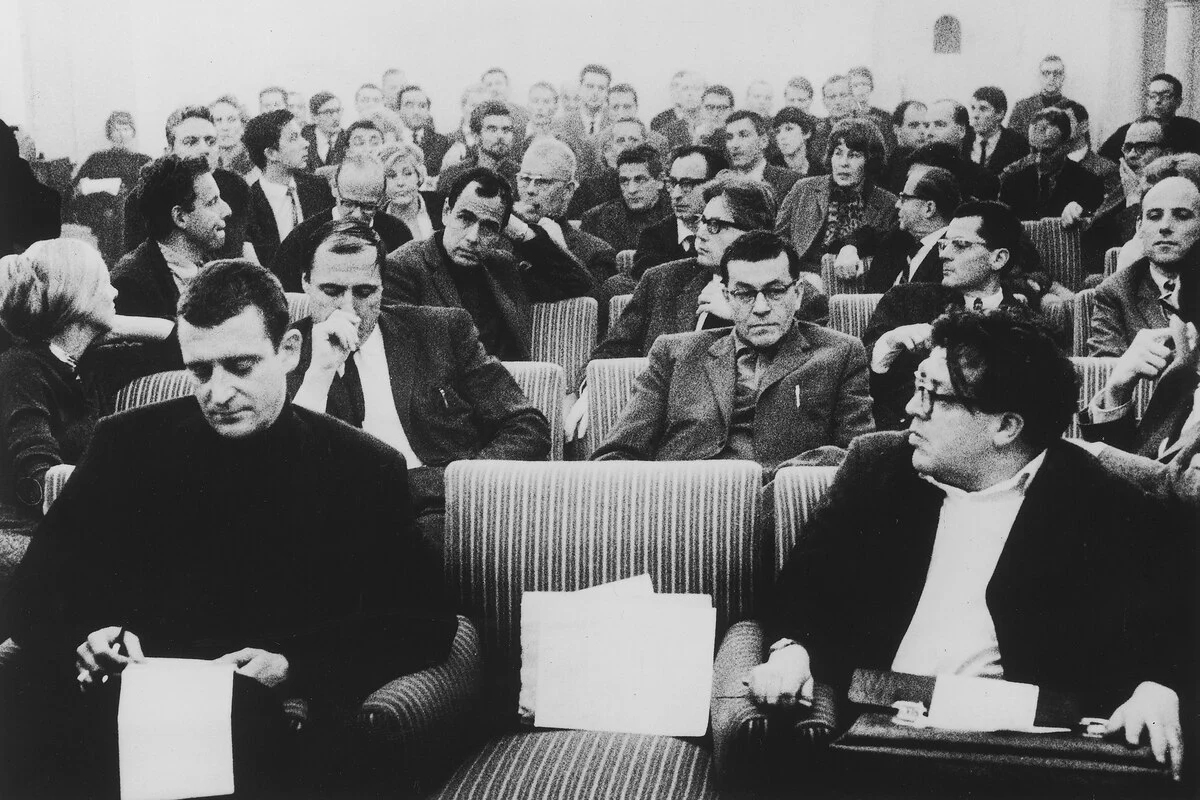
The origins of the ICC are rooted in the collective trauma of the post-WWII era. The Nuremberg Trials established the precedent that "following orders" was no defense for crimes against humanity. Yet, for decades, the international community lacked a permanent forum to address these violations.
In July 1998, a coalition of 120 nations adopted the Rome Statute, a landmark treaty that finally codified the dream of a standing international tribunal. The court was designed to be a court of last resort, meant to operate when national judicial systems were unwilling or unable to prosecute the architects of mass murder. The lessons learned from the ad-hoc tribunals—established for the Rwandan genocide and the Balkan conflicts—were etched into the ICC’s DNA, creating a complex, rigorous legal framework meant to stand above the reach of national leaders.

A Chronology of Conflict: From Clinton to Trump and Netanyahu
The history of the ICC is not merely a record of legal proceedings, but a timeline of shifting geopolitical alliances and betrayals.
- The American Reversal (1998–2002): The United States, under President Bill Clinton, was a central player in the Rome Statute negotiations. German diplomats and legal experts, such as the late Hans-Peter Kaul, navigated grueling sessions to accommodate US concerns, hoping that American participation would provide the Court with the necessary weight to deter future dictators. However, the optimism proved fleeting. Following the transition to the George W. Bush administration, the U.S. not only withdrew its support but actively sought to insulate its own citizens from the Court’s jurisdiction through bilateral immunity agreements and legislative threats.
- The "War on Terror" Paradox: When the ICC formally began operations in The Hague in 2002, the world had entered the era of the "War on Terror." Crucially, the Court remained largely powerless regarding the most controversial actions of this era, such as CIA-run "black sites" and systemic torture, because the United States was not a signatory to the Rome Statute.
- The Africa-Centric Phase: During its first decade, the ICC’s docket was dominated by cases from the African continent, leading to accusations of bias from leaders in the Global South. The first conviction, that of Congolese militia leader Thomas Lubanga, was a milestone for international justice, yet it reinforced a narrative that the Court was only interested in prosecuting leaders from weaker states, while the architects of power in the Global North remained untouched.
- The Modern Siege: The landscape shifted dramatically in the 2020s. Under the first Trump administration, the U.S. imposed direct sanctions on ICC officials. While these were lifted under Joe Biden, the return of Donald Trump and the issuance of arrest warrants for Israeli Prime Minister Benjamin Netanyahu and former Defense Minister Yoav Gallant in 2024 have escalated tensions to a breaking point.
Supporting Data: The Anatomy of Subversion
The threat to the ICC is not limited to diplomatic rhetoric; it is a multi-front campaign of intelligence and economic warfare. Recent investigative reports have unveiled that the Israeli intelligence apparatus engaged in a nine-year campaign of espionage and intimidation against the Court. This involved not only monitoring communications but also attempting to compromise the professional integrity of the staff.
The economic pressure is equally severe. By threatening to "end the Court," certain major powers have utilized their financial and political hegemony to create a chilling effect among member states. For a court that relies on the cooperation of its signatories to execute warrants and gather evidence, this systemic pressure effectively starves the institution of the resources required to conduct high-level investigations.

Official Responses and the "Double Standard" Crisis
The perceived double standard in the application of international law has become the ICC’s greatest vulnerability. The fallout from the 2003 Iraq War, where the United States engaged in actions that many legal scholars argued constituted war crimes—yet faced no international accountability—left a permanent scar on the Court’s legitimacy in the eyes of many developing nations.
Countries like South Africa have, at various points, flirted with the idea of withdrawal from the Rome Statute, citing a perceived lack of impartiality. While only Burundi has officially departed, the political capital of the Court remains fragile. The European Parliament’s decision to award the Sakharov Prize acts as a symbolic firewall, an attempt to bolster the Court’s moral authority against the encroaching shadow of power politics. However, the question remains whether symbolic gestures can survive the brutal reality of current international relations.
Implications: The Future of Universal Justice
The Court stands at a crossroads. Its vision of a world where even heads of state are subject to the rule of law is, 24 years after its birth, a vision under fire. The fundamental challenge is that the ICC possesses no police force, no army, and no independent enforcement mechanism. It relies entirely on the political will of the international community—a community that is currently fracturing.

The Erosion of Norms
If the ICC is effectively neutralized, the consequences for the global order will be profound. The erosion of the norm that "war crimes have consequences" will embolden authoritarian regimes worldwide. When the strongest nations on earth explicitly reject the Court’s jurisdiction, they provide a blueprint for other states to claim "sovereign immunity" as a shield for atrocities.
The Need for Structural Reform
To survive, the ICC must address the criticism of its past. It must demonstrate that it is capable of investigating the powerful with the same vigor it applies to smaller, less influential states. It must also move beyond the "court of last resort" model and find ways to incentivize regional cooperation, ensuring that even when major powers refuse to participate, the evidence of their actions is preserved and, where possible, adjudicated.
A Defiant Stance
The Sakharov Prize, while welcome, is merely a bandage on a gaping wound. The Court needs more than accolades; it needs a renewed commitment from the democratic world to resist the bullying of the ICC’s personnel. If the international community allows the Court to be dismantled by those who fear its reach, it will be admitting that the Nuremberg promise—that international law is not just for the losers of wars—was a lie.

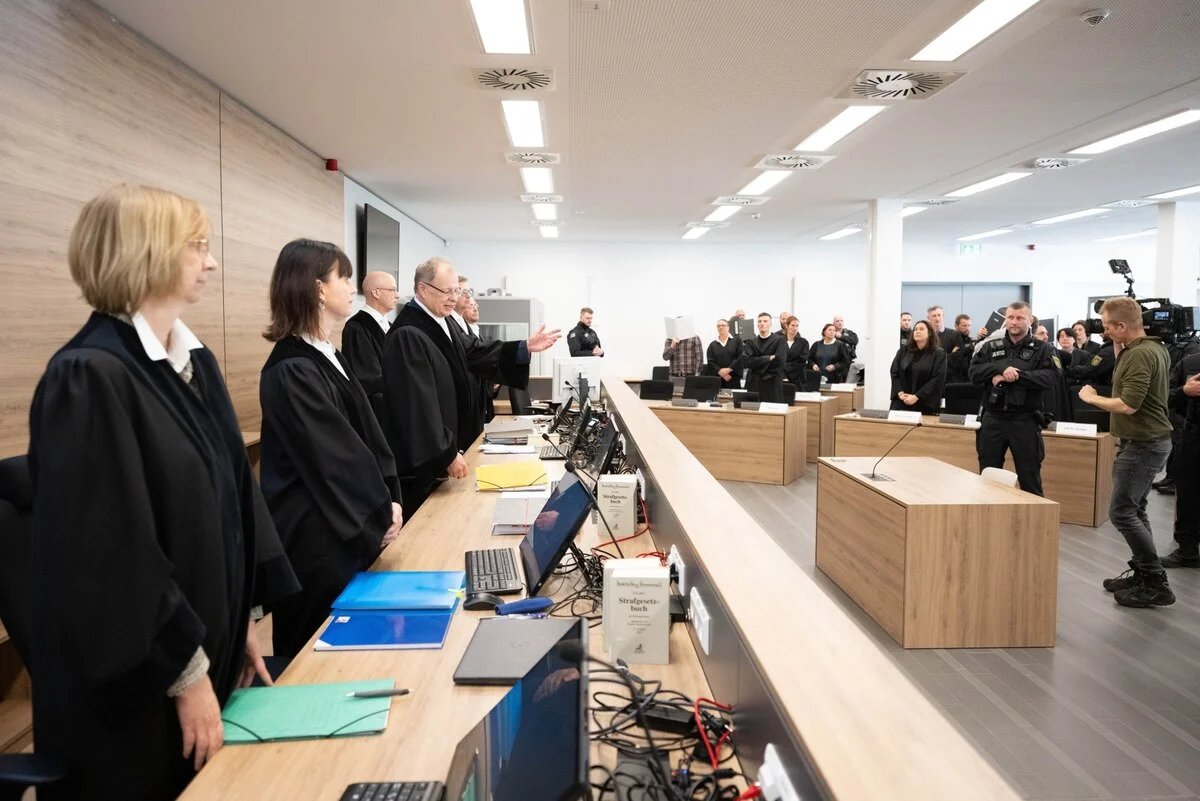
The struggle of the International Criminal Court is the struggle for a rules-based order. It is a fragile, imperfect, and often frustrated institution, but it remains the only shield available against the total impunity of the powerful. The coming years will determine whether this shield is reinforced or shattered entirely. For now, the Court continues its work in The Hague, issuing warrants and conducting trials, knowing that the greatest challenge to its existence is not a lack of legal evidence, but a lack of political courage from those who claim to support the law.