The landscape of automotive innovation in Europe is currently defined by a high-stakes tug-of-war between rapid technological advancement and the continent’s stringent, safety-first regulatory framework. At the center of this debate is Tesla’s "Full Self-Driving (Supervised)" (FSD) system. While Tesla pushes for a continental rollout, German Federal Transport Minister Steffen Bilger has signaled a shift in strategy, advocating for a swifter path toward EU-wide integration of the technology.
The Push for European Harmonization
On the sidelines of a recent industry conference in Berlin, Minister Bilger (CDU) expressed a clear preference for a unified European approach regarding Tesla’s FSD technology. Recognizing the transformative potential of advanced driver assistance systems (ADAS) for both innovation and road safety, Bilger indicated that he would lobby for a consensus among EU member states.
However, the Minister’s stance is pragmatic. He acknowledged that significant hurdles remain, particularly regarding technical safety standards and complex liability questions. Crucially, Bilger suggested that if a pan-European agreement proves elusive, Germany may be forced to contemplate a national path—a move that would signify a major shift in how the largest automotive market in the EU handles high-tech driving features. While the specific nature of a "national path" remains undefined, it raises the possibility of Germany unilaterally adopting the Dutch-issued provisional approval.
Chronology: From Dutch Pilot to Continental Debate
The current debate finds its roots in the Netherlands. On April 10, 2026, the Dutch vehicle authority, RDW, granted a provisional EU type-approval for FSD Supervised, citing Article 39, paragraph 4 of the EU Regulation 2018/858. This regulation allows for temporary exceptions for new, innovative technologies.
Following this, a domino effect occurred. Under Article 39, paragraph 5, other EU member states have the right to adopt this approval for their own territories simply by providing written notification to the RDW. To date, Lithuania, Estonia, Denmark, Belgium, Slovenia, and the Czech Republic have joined the Netherlands in this initiative. Together, these seven nations represent approximately 12% of the European population.
The notable absence of the "Big Four"—Germany, France, Italy, and Spain—highlights the caution exercised by Europe’s largest economies. The next phase for a continent-wide rollout rests with the Technical Committee on Motor Vehicles (TCMV). To achieve a formal EU-wide authorization, a qualified majority is required: at least 15 of the 27 member states, representing 65% of the EU population, must vote in favor. Current projections suggest a decision is unlikely before December, as the October agenda for the TCMV focused solely on deliberation rather than a formal vote.
Technical Scrutiny and Safety Concerns
The hesitation among major European regulators is not without foundation. The German Kraftfahrt-Bundesamt (KBA) and the federal ministry are currently conducting a comprehensive review of the Dutch technical documentation. According to Parliamentary State Secretary Christian Hirte, the KBA plans to conduct its own independent road tests of a Tesla vehicle equipped with the software, though a definitive timeline for these tests remains undisclosed.
The primary technical concerns raised by European regulators—including those from Sweden, Finland, Denmark, and France—revolve around three main pillars:
- Speed Management: Regulators are wary of systems that allow or encourage exceeding established speed limits.
- Environmental Adaptability: Skepticism persists regarding the system’s performance on icy or hazardous roads, common in Northern Europe.
- Driver Engagement: Concerns have been raised regarding the effectiveness of internal sensors, specifically whether drivers can bypass the "attention monitoring" safeguards to use mobile devices while the system is engaged.
France has specifically criticized the system’s performance in dense, urban environments, noting that the software’s handling of complex traffic scenarios requires more rigorous verification than currently provided by the manufacturer.
Defining the "Assistant" vs. "Autopilot"
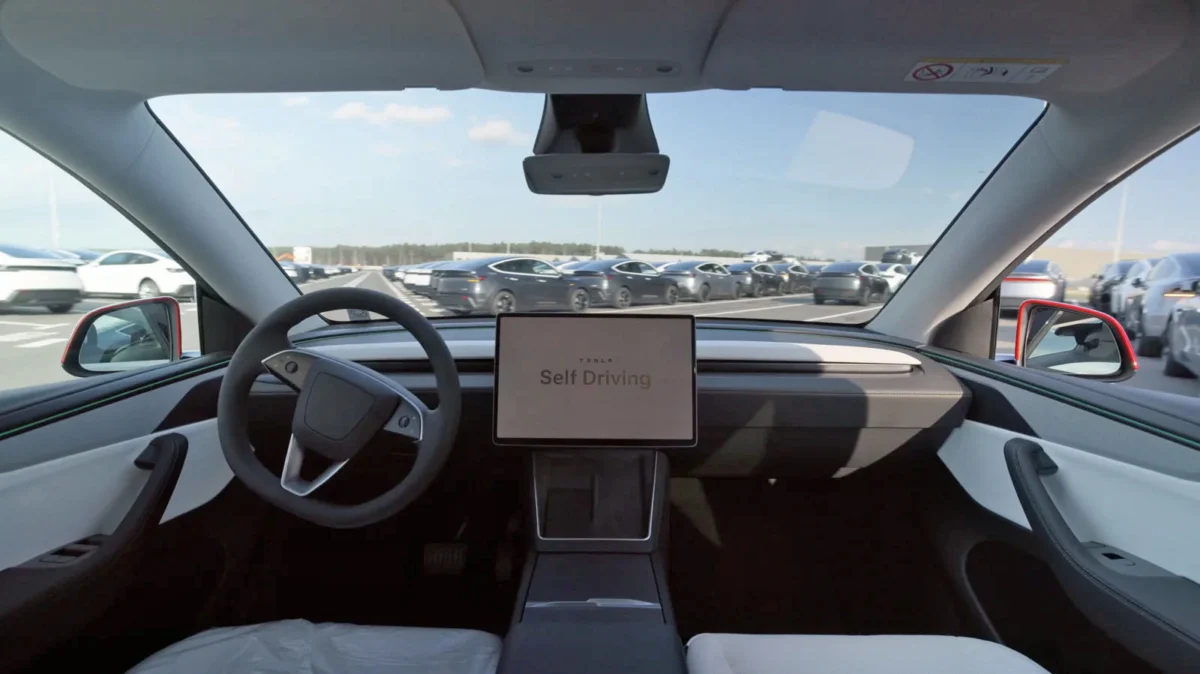
A critical component of the ongoing discourse is the classification of the software. Despite the marketing moniker "Full Self-Driving," the RDW classifies the system explicitly as a Level 2 driver assistance system, not an autonomous driving system.
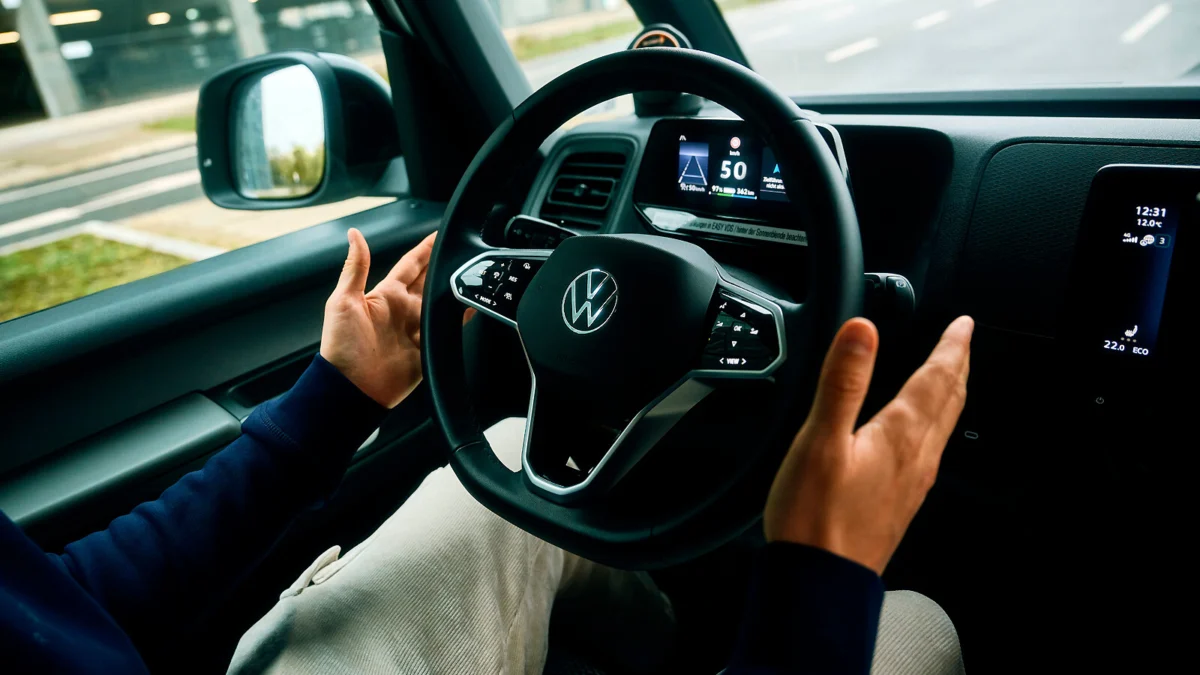
Under the approved framework, the human driver retains total legal and operational responsibility. The vehicle requires the driver to remain vigilant, and while hands-off driving is permitted under specific conditions, the vehicle utilizes interior sensors to monitor eye gaze and head orientation. If the system detects inattention, it imposes a temporary lockout of the feature, effectively forcing the driver to regain manual control.
It is vital to note that the software version approved in Europe is not identical to the one currently deployed in the United States. While the US model relies on a manufacturer-certified "self-declaration" process, the EU system has undergone a grueling 18-month audit by the RDW, involving over 3,000 hours of testing and more than 1,000 specific test runs. Furthermore, the RDW has mandated a monthly reporting requirement, a significant increase in oversight compared to the standard annual reporting protocols.
Supporting Data and Manufacturer Claims
Tesla’s argument for the technology’s safety is built on a massive data set. According to the company, the 40,000 vehicles operating under the FSD Supervised pilot in the Netherlands have covered over 24 million kilometers without a "relevant incident." Tesla further claims that its internal data shows the accident rate with FSD engaged is 4.1 times lower than that of manually driven Teslas.
However, these figures face significant scrutiny from regulators. Independent experts caution that manufacturer-provided data lacks the transparency of third-party verification. The RDW’s insistence on monthly reporting suggests that they are prioritizing long-term empirical data over manufacturer claims, aiming to bridge the gap between Tesla’s optimistic projections and the reality of diverse European road conditions.
Implications: The Regulatory Crossroads
The path forward presents a complex regulatory dilemma. If Germany opts for a unilateral approach under Article 39(5), it would create a fragmented market where FSD is legal in some jurisdictions but not others, potentially complicating cross-border travel and software updates.
Furthermore, the legal framework is precarious. Should the European Commission eventually reject the permanent adoption of the technology, the temporary exemptions would be revoked six months later. While vehicles already equipped with the software would likely retain their status in the countries that adopted the approval, the long-term viability of software-dependent features remains in limbo.
For the automotive industry, the outcome of this debate will set a precedent for how Europe handles the transition to software-defined vehicles. Will the EU prioritize the "innovation-first" approach championed by proponents like Minister Bilger, or will it remain the world’s most conservative regulator, waiting for the technology to achieve a level of maturity that renders "supervised" driving as safe as, or safer than, human intervention in all conceivable scenarios?
As December approaches, the eyes of the global automotive sector are fixed on the TCMV. The decision will not merely be about one manufacturer; it will define the regulatory ceiling for artificial intelligence in the European transport sector for the next decade. Whether FSD becomes a staple of European driving or remains a niche experiment in a handful of member states depends on whether Tesla can satisfy the rigorous, evidence-based demands of the KBA and its European counterparts. For now, the driver remains firmly in the loop—both legally and metaphorically.