By Sports Desk
Updated: June 21, 2026 | 10:15 PM CET
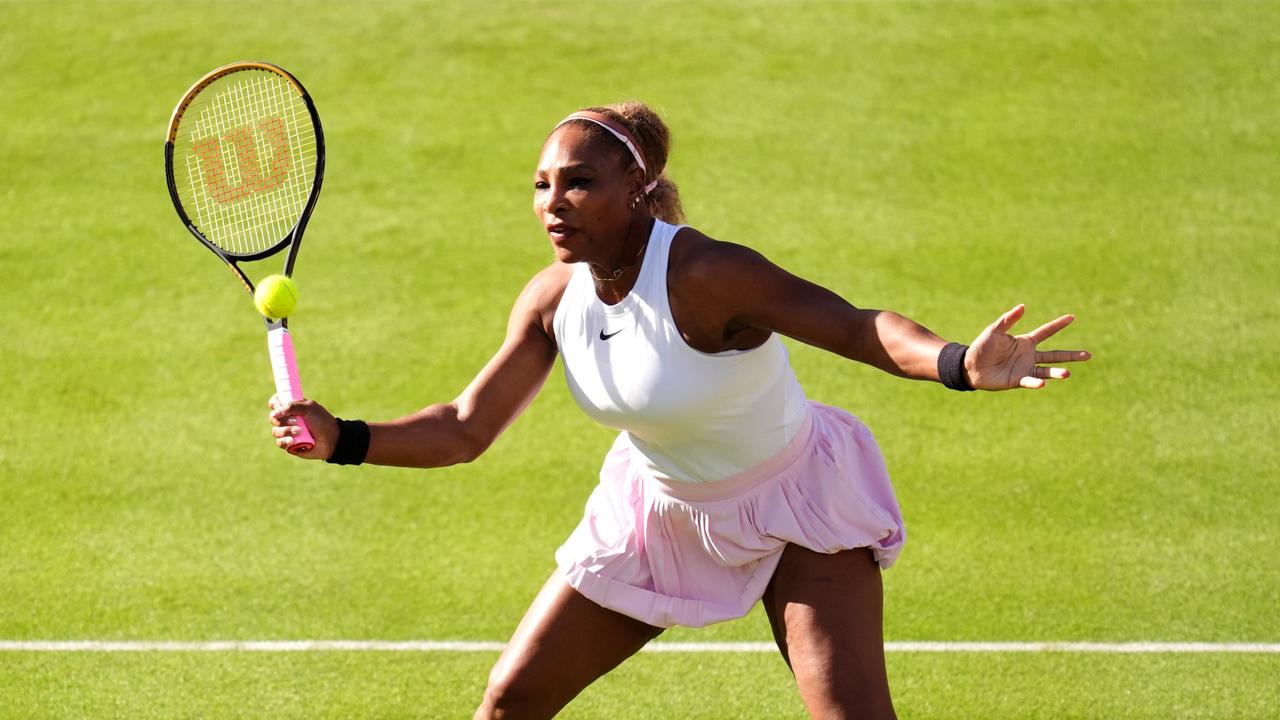
In a move that has sent shockwaves of excitement through the global tennis community, seven-time Wimbledon champion Serena Williams has officially accepted a wildcard entry into the 2026 Championships. The announcement, confirmed by the All England Lawn Tennis and Croquet Club (AELTC) on Sunday, marks the 44-year-old icon’s return to the prestigious grass courts of London, signaling an end to her nearly four-year hiatus from major singles competition.
For tennis purists and casual fans alike, the sight of Williams gracing the hallowed grounds of SW19 is a historic moment. With 23 Grand Slam titles to her name, Williams is not merely a player returning to the fray; she is a sporting institution attempting to pen one final, dramatic chapter in a career that has already redefined the boundaries of athletic excellence.
The Main Facts: A Return to the Cathedral
The confirmation of Williams’ participation comes after weeks of speculation that followed her recent return to the professional tour in a doubles capacity. Williams, now 44, had been testing her fitness and competitive rhythm at the Queen’s Club in London earlier this month, partnering with Canadian Victoria Mboko.
The AELTC’s decision to grant her a wildcard recognizes not only her legendary status but also the significant interest her presence brings to the tournament. While her participation in the doubles draw—alongside her sister, Venus Williams—was publicized last week, the inclusion in the singles draw is the headline that has dominated sports news cycles worldwide. This will be her first major singles appearance since the 2022 US Open, an event that many at the time feared would be the final time the world would see her compete on such a stage.
Chronology: From Flushing Meadows to SW19
To understand the magnitude of this return, one must look back at the trajectory of Williams’ later career.
The 2022 Farewell
At the 2022 US Open, the atmosphere in New York was one of collective reverence. Williams, clearly signaling that the end of her professional journey was near, fought through the early rounds with the grit that defined her two-decade dominance. Her third-round loss to Ajla Tomljanović in three hard-fought sets served as an emotional coda to her career. Following that match, Williams stepped away from the spotlight to focus on her family, raising her two children and pivoting toward her successful business ventures and venture capital investments.
The Quiet Preparation
For the better part of three years, Williams remained largely absent from the WTA tour. However, the itch to compete never truly vanished. Behind the scenes, the legend maintained a rigorous fitness regimen. The whispers of a return began to grow louder in early 2026, culminating in her appearance at the WTA event in Berlin. During that tournament, Williams remained coy, dodging direct questions about her intentions for Wimbledon. With a vacant spot in the main draw and the organizers eager to welcome back their most decorated champion, the stars eventually aligned.
Supporting Data: A Legacy of Grass Court Dominance
Serena Williams’ relationship with Wimbledon is unparalleled in the modern era. Her seven singles titles at the All England Club (2002, 2003, 2009, 2010, 2012, 2015, and 2016) underscore her dominance on the surface.
- Career Record at Wimbledon: Williams boasts a staggering win-loss record that places her among the top grass-court players in history.
- Grand Slam Total: Her 23 Major titles remain the benchmark for the Open Era.
- Age and Longevity: By competing at 44, Williams enters a rare echelon of athletes who have successfully returned to the sport’s most demanding stage deep into their forties, joining the ranks of legends like Martina Navratilova and Billie Jean King, who similarly defied conventional retirement timelines.
The physical demands of playing a best-of-three-sets format at the highest level after a prolonged break cannot be overstated. Williams is moving from a sedentary lifestyle (by professional athlete standards) to the high-impact, explosive movements required for elite grass-court tennis. Her training camp in the lead-up to London has focused heavily on lateral movement and cardiovascular endurance, areas where age is often the primary adversary.
Official Responses and Stakeholder Sentiment
The tennis world has reacted with a mix of awe and measured expectation. The AELTC, in their brief statement, noted that "Serena Williams’ impact on the sport of tennis is immeasurable. Her desire to return to the grass courts of Wimbledon reflects her enduring passion for the game, and we are delighted to welcome her back."
Fellow players have also voiced their admiration. Many of the current top-ranked stars, including Iga Świątek and Coco Gauff, have previously cited Williams as their primary inspiration for picking up a racket. The prospect of facing—or simply sharing a locker room with—the woman who dominated their childhoods is a surreal experience for the current generation.
"She is the greatest to ever do it," said one WTA peer during the Berlin tournament. "Even if she’s just here for a few matches, the energy she brings to the tour is something we’ve missed deeply."
Implications: What to Expect in 2026
The return of Serena Williams carries significant implications for the landscape of women’s tennis.
The Competitive Outlook
While expectations for a deep tournament run are tempered by her time away, Williams remains one of the most dangerous servers in the history of the sport. Grass, which favors speed and precision, is the ideal surface for her game style. If her serve remains intact, she is capable of defeating anyone on the draw, regardless of their current ranking.
The Commercial Impact
From a broadcasting and commercial perspective, this is a massive win for the AELTC. Ratings for Wimbledon are expected to spike, with global interest reaching levels not seen since her last appearance. Sponsors, media partners, and local hospitality sectors are all bracing for a "Serena Effect," where every match she plays becomes a sold-out, primetime spectacle.
A Final Testament
Beyond the wins and losses, this return is about the narrative of the athlete. In an era where sports stars often bow out quietly, Williams is choosing to engage with the challenge once more. Whether she advances to the second week or bows out in the first, her presence serves as a testament to the fact that for the greatest of champions, the court is not just a workplace, but a home.
As the world prepares for the opening serve at the All England Club, all eyes will be on the draw. For Serena Williams, the goal is simple: to prove that while time may pass, the competitive fire that fueled 23 Grand Slam titles never truly goes out. She returns not to reclaim her past, but to live in her present, reminding us all why she remains the queen of the game.
The world of tennis holds its breath, waiting to see if the magic is still there. In a few short weeks, the grass will provide the answer.