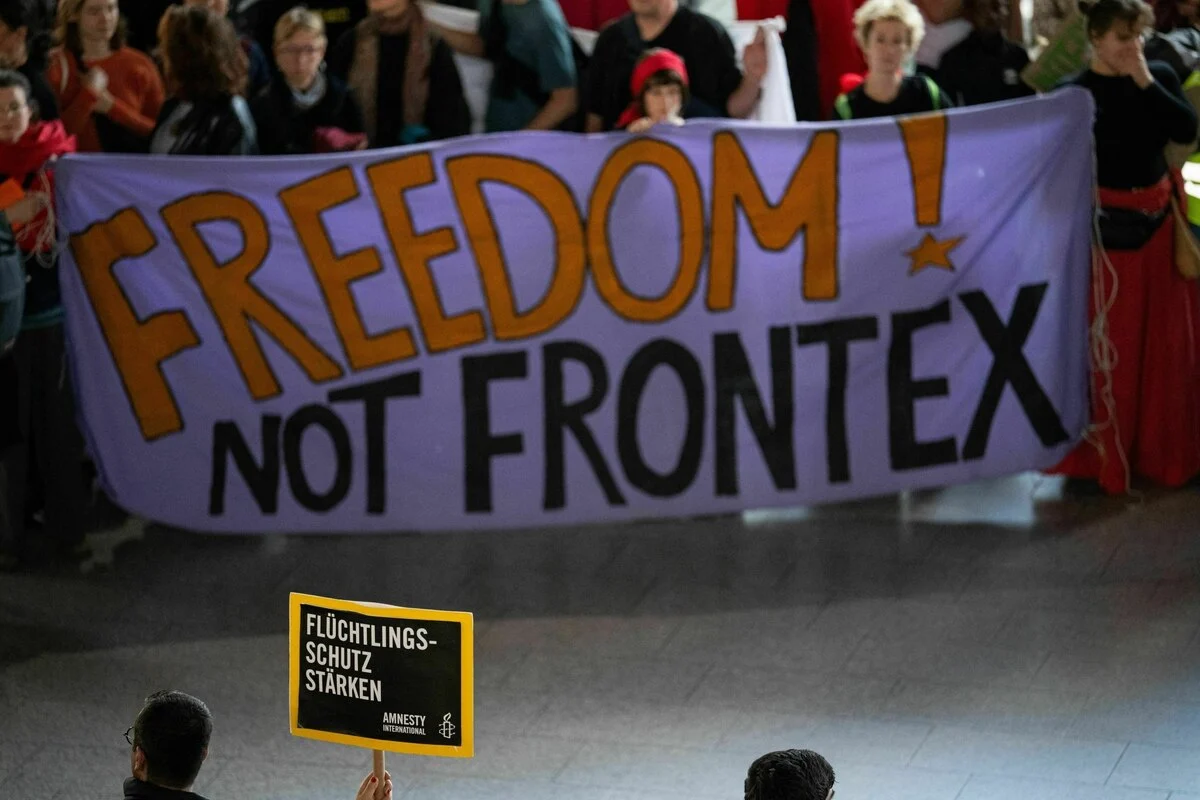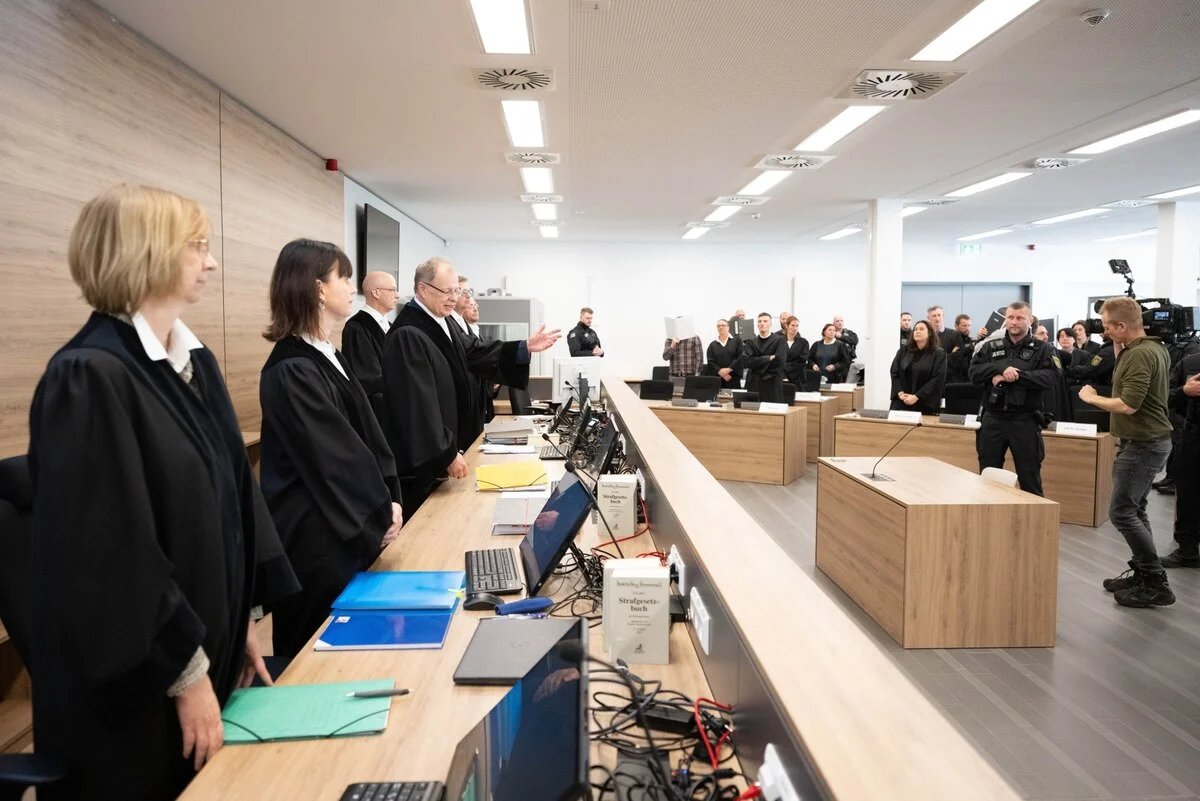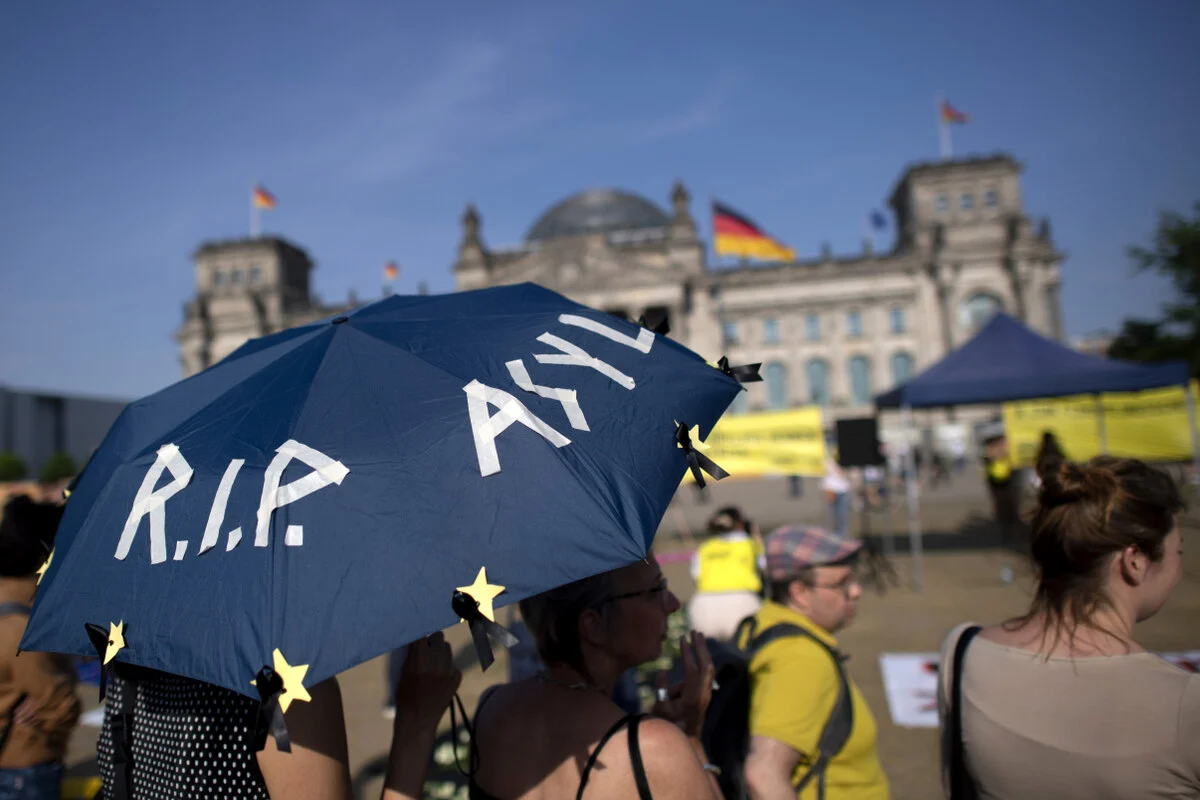
The German asylum landscape is undergoing a profound and controversial transformation. At the heart of this shift is a systematic hardening of policy characterized by the construction of dedicated "return terminals" at major airports and a surge in deportation figures. As the government seeks to streamline the removal of rejected asylum seekers, a broad coalition of human rights organizations, civil society groups, and activists is mobilizing across the country to protest what they describe as an increasingly inhumane and opaque administrative apparatus.
From 2022 to 2025, the number of individuals deported from Germany has nearly doubled, reaching approximately 23,000 annually. While recent data suggests a marginal decline in the absolute number of removals, the machinery of deportation remains relentless, processing more than 50 individuals per day. This Saturday, alliances such as We’ll Come United, Seebrücke, and Widersetzen have called for nationwide demonstrations to challenge the normalization of these practices, demanding a shift toward a policy centered on the right to remain.
The Infrastructure of Forced Departure: Airport Terminals
The focal point of current protests is the emergence of specialized infrastructure designed to expedite removals. In Munich, the Bavarian Refugee Council is leading opposition to a new "return terminal" approved by the federal government and the Flughafen München GmbH. The facility, scheduled to become operational in 2028, is designed to facilitate up to 100 individual deportations daily, supplemented by two charter flights carrying 50 people each. Should these projections hold, the facility could theoretically enable the deportation of up to 70,000 individuals per year.
The controversy surrounding these terminals is as much about the physical design as it is about the administrative intent. In Frankfurt, plans for a similar facility—tucked away in a forested area, isolated from public view and standard passenger terminals—have drawn sharp criticism. According to activists like Dorothea Köhler of the Community For All initiative in Darmstadt, the facility is designed to bypass public scrutiny. These sites are intended to house individuals undergoing the new border procedures established by the EU’s Common European Asylum System (GEAS).
Under the new GEAS regulations, asylum seekers arriving by air are subject to border procedures where they are legally considered "not entered" into German territory. This legal fiction allows authorities to effectively detain asylum seekers at the airport for the duration of their application process. If their claim is rejected, they can be deported directly from these facilities without ever having formally entered the country. Germany is currently mandated to maintain 374 such places for these border procedures.
Chronology and Evolution of Policy
The current intensification of deportations did not occur in a vacuum; it is the culmination of years of legislative tightening.

- 2022–2023: The German government, under increasing pressure to address high numbers of irregular arrivals and local housing shortages, began signaling a "more efficient" approach to deportations.
- 2024: The implementation of the EU’s GEAS reform fundamentally altered the legal status of airport arrivals, enabling the "border fiction" that facilitates immediate detention and removal.
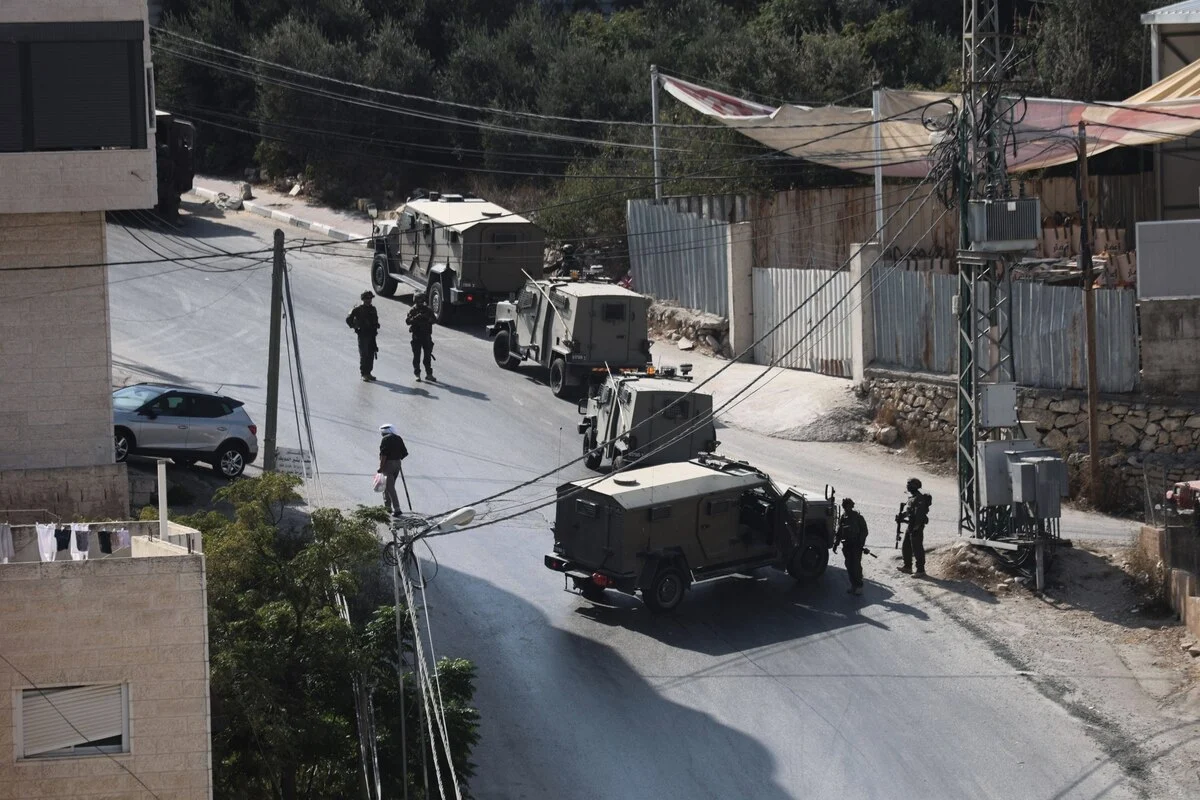
- 2025: A record year for deportations, marked by increased reliance on charter flights to bypass the resistance of commercial airline crews and passengers, who frequently intervened in individual removals.
- 2026: Continued expansion of dedicated infrastructure. Charter flights, particularly from Leipzig/Halle to countries like Afghanistan, have become a pillar of the government’s strategy. In the first half of 2026 alone, three such flights resulted in the deportation of 77 people.
Data and Discrepancies: Who Is Being Deported?
A central point of contention in the public debate is the profile of those being deported. Government rhetoric often frames deportations as a necessary measure against "criminal" elements. However, activists like Katharina Grote of the Bavarian Refugee Council argue that this narrative is misleading. Estimates suggest that fewer than half of those deported fall into the category of "criminal offenders."
Furthermore, the term "offender" is often applied broadly. Many individuals categorized under this label are facing charges for minor offenses, such as the unauthorized crossing of borders or the inability to procure a passport—a common hurdle for refugees who have fled oppressive regimes. Grote notes that many of these individuals are young people who may have had a brush with the law years ago, such as minor drug-related offenses, and who have since sought to integrate into German society, only to be met with an expulsion order just as they are beginning to establish their lives.
Perhaps most disturbing to critics is the fact that approximately one in six deported individuals is a minor. These deportations often involve the use of physical force, including restraints and, in some cases, the administration of sedatives to ensure compliance during the transit process.

Official Responses and Political Friction
The construction of the Munich return terminal highlights a deep rift between local and federal authorities. Munich’s Mayor, Dominik Krause (Greens), voted against the project. However, because the state of Bavaria and the federal government hold the majority of shares in the airport operator, the project was pushed through despite the opposition of the minority shareholder (the City of Munich) and labor representatives. The facility is reportedly being leased to the federal government for €4.2 million annually, a sum that critics view as a prioritization of punitive logistics over humanitarian considerations.
The federal government justifies these expenditures and logistical investments as necessary to maintain the integrity of the asylum system and public order. They argue that efficient returns are a prerequisite for maintaining public support for those who are granted asylum. Conversely, human rights groups argue that this efficiency comes at the cost of basic dignity and the legal right to a fair asylum process.
The Human Impact: Beyond the Statistics
The psychological toll of these policies is immense. Dorothea Köhler describes the experience of refugees as a state of being treated as "objects" rather than human beings—first on the flight, then as cases to be processed and distributed, and finally as administrative burdens to be removed. The work of organizations like We’ll Come United is aimed at breaking this cycle by providing refugees with the legal knowledge and agency to understand and challenge their situation.

The collaboration between the German government and the Taliban in the context of deportations to Afghanistan has also sparked intense debate. Nasima Haidari of the Support Afghanistan initiative warns that these removals risk legitimizing the Taliban regime, treating them as a stable political partner while ignoring the severe human rights abuses occurring within the country. For activists like Haidari, the protest is not just about individual cases but about the fundamental erosion of moral standards in German foreign and domestic policy.
Implications for the Future
The move toward "airport-based" deportations represents a broader trend of outsourcing and isolating the asylum process. By creating "non-places" within airport perimeters, the state effectively removes the human experience of the asylum seeker from the public eye.
The upcoming demonstrations on Saturday are an attempt to bring this hidden reality back into the public discourse. As Germany continues to invest in terminals and charter flights, the gap between the state’s pursuit of "efficiency" and the humanitarian concerns of civil society continues to widen. The fundamental question remains: can a democracy maintain its core values while simultaneously building a massive, hidden, and highly efficient system to remove those who seek its protection?

As the infrastructure for 2027 (Frankfurt) and 2029 (Berlin) nears completion, the debate is likely to intensify. The government’s path is clear—more capacity, more speed, and more systemic control. The path of the protesters, however, is one of resistance, rooted in the belief that the right to asylum is a human right that cannot be negotiated away through the construction of terminals or the technicalities of border laws. Whether this mobilization will be enough to shift the political trajectory remains to be seen, but the intensity of the current protests indicates that the fight over the future of the German asylum system is only just beginning.