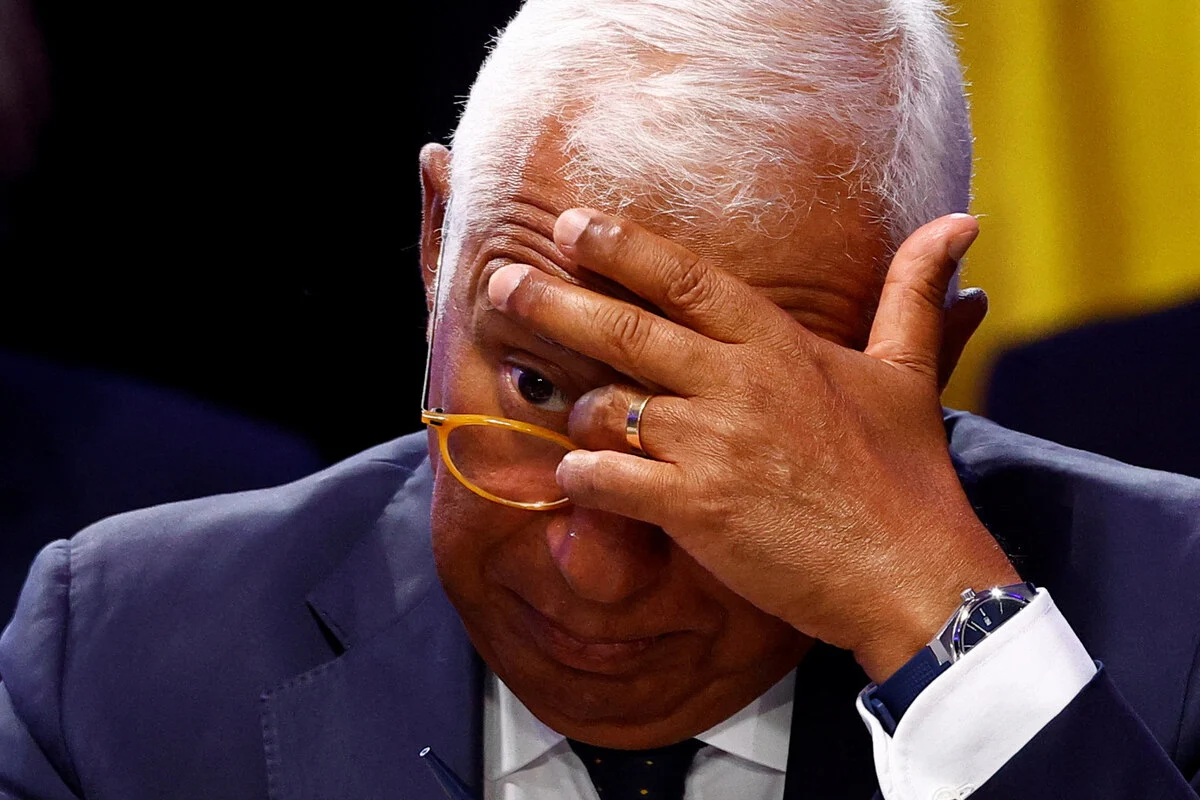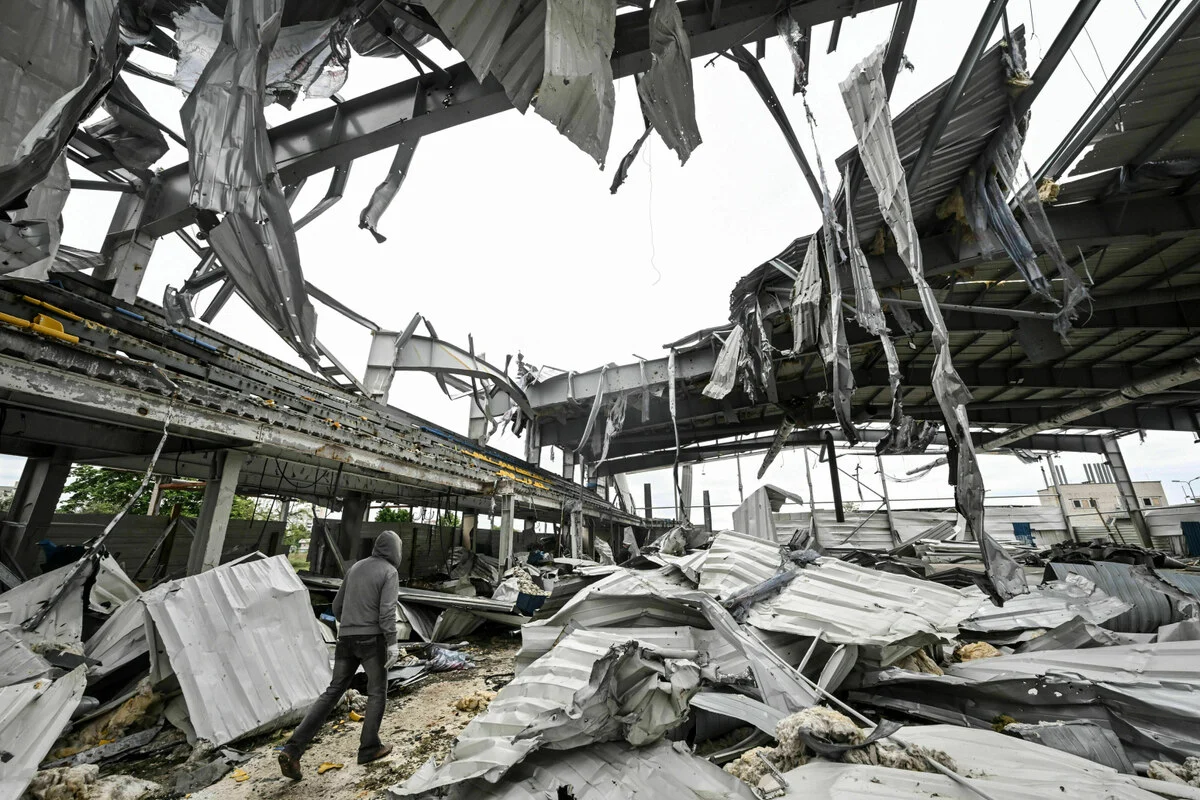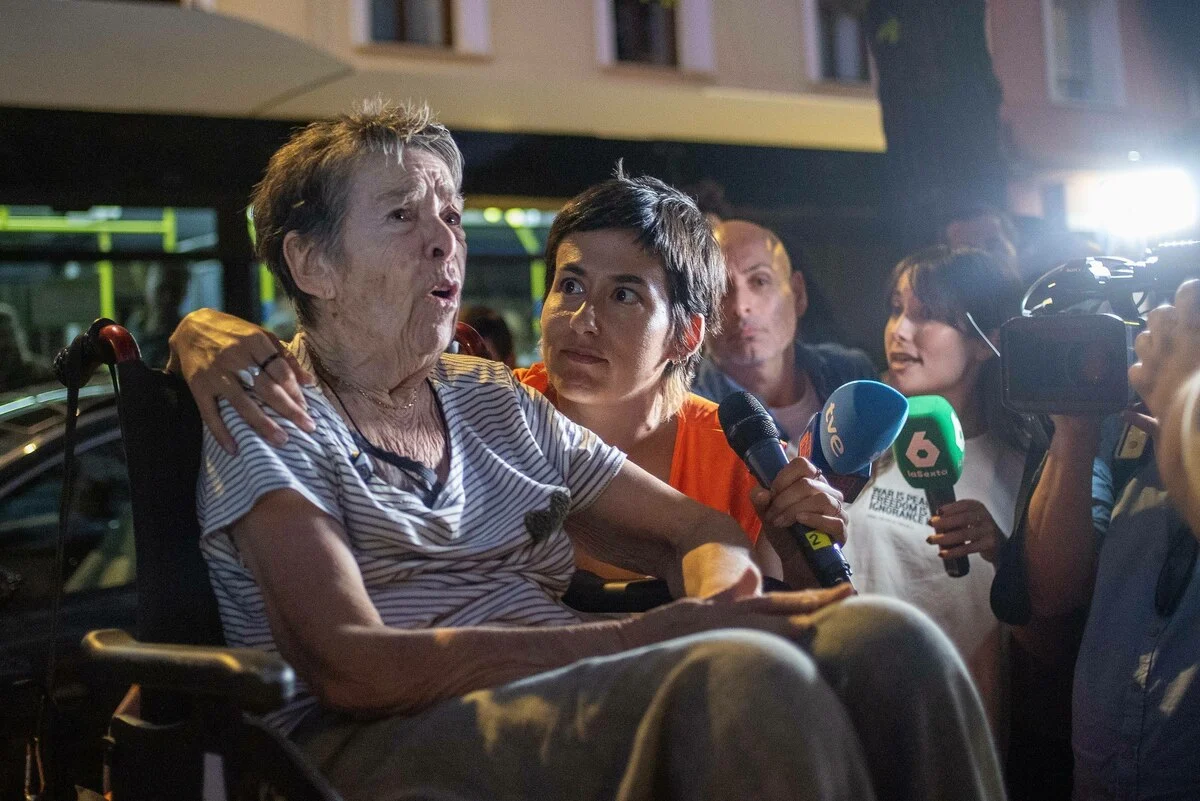
The death of 87-year-old Maricarmen Abascal in a Madrid hospital on October 9, 2024, has sent shockwaves through Spain, serving as a visceral, harrowing reminder of the human toll exacted by a volatile, profit-driven housing market. Just two weeks prior, on September 23, Ms. Abascal was forcibly evicted from the Madrid apartment she had called home for over seven decades. Her passing has become a rallying cry for housing activists across the country, crystallizing the argument that when housing is treated purely as a financial asset, the fundamental right to shelter is effectively negated.
The Chronology of a Tragedy
The sequence of events leading to Ms. Abascal’s death is a damning indictment of current systemic failures. For over 70 years, the apartment served as the bedrock of her life. However, in an era of soaring inflation and uncontrolled rent hikes, the financial security of long-term tenants has become increasingly precarious. Unable to keep pace with the rising costs that have come to define the modern Spanish real estate landscape, Ms. Abascal fell behind on her rent.
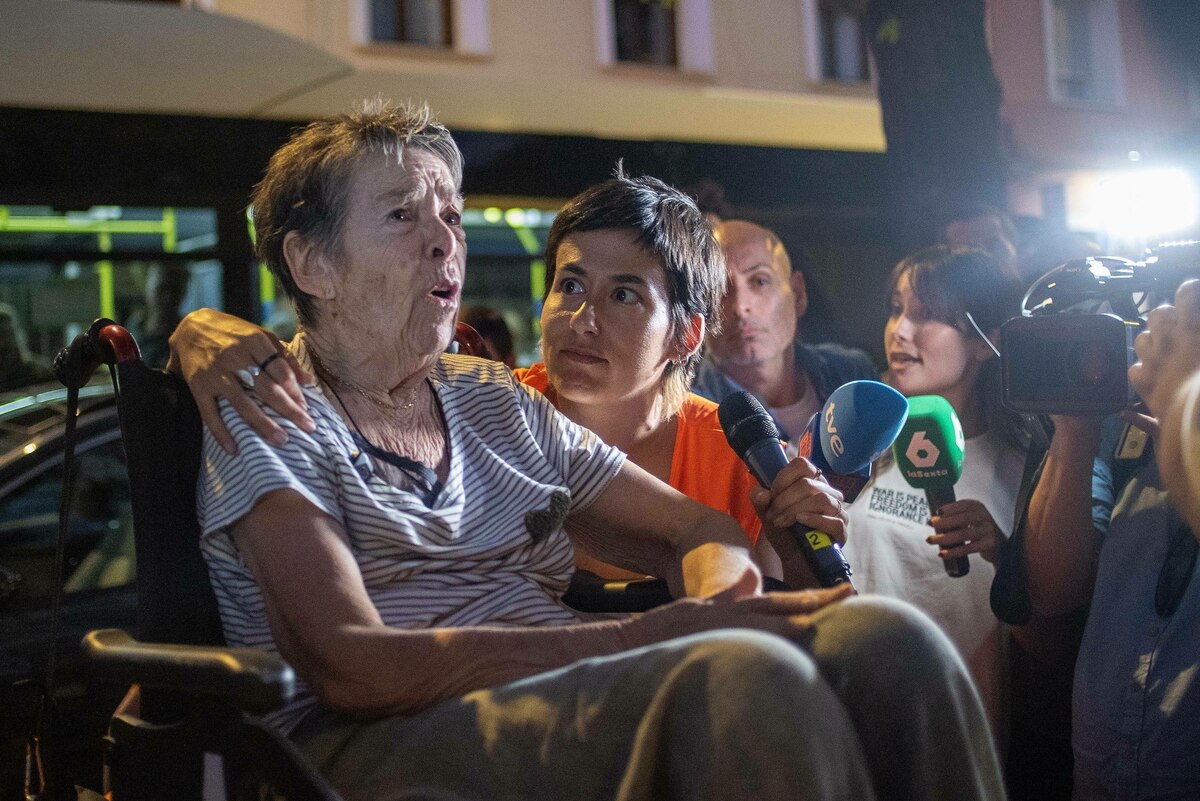
On September 23, the legal machinery of eviction—a process often criticized for its lack of empathy for elderly and vulnerable residents—was set in motion. Despite widespread protests and support from local housing advocacy groups, the eviction was carried out. The physical and emotional trauma of being removed from a home of 70 years proved too much for the octogenarian. Two weeks later, she succumbed to her condition in a local hospital. Her death has not only ignited localized outrage in Madrid but has also accelerated the broader national discourse on the necessity of urgent legislative reform.
The Housing Market as a "Weapon"
The tragedy has resurfaced a quote from the German politician Albert Südekum, who famously remarked in 1908: "One can kill a person with a dwelling just as well as with an axe." More than a century later, this sentiment resonates with chilling accuracy in the streets of Madrid and beyond.

The core issue lies in the commodification of residential space. In many European nations, housing has transitioned from a basic human necessity into a primary vehicle for capital accumulation. This shift forces a collision between the rights of the occupant and the profit margins of investors. When the balance tilts entirely in favor of the latter, vulnerable populations—particularly the elderly and low-income families—are pushed to the margins of society.
Statistical Context: A Systemic Failure
While the case of Maricarmen Abascal is a singular tragedy, it is a symptom of a much larger continental disease. In Germany, for instance, there were approximately 32,000 recorded forced evictions in 2024. While comprehensive, up-to-date European Union-wide statistics remain elusive, the trend is unmistakably upward. As rental prices continue to climb, the risk of eviction follows an identical trajectory, disproportionately affecting those on fixed or stagnant incomes.

Spain’s specific housing model presents a unique set of challenges. Unlike Germany, where approximately 55 percent of the population rents, only about 20 percent of Spaniards are tenants. This is partly due to a historical preference for homeownership, encouraged by policy and banking sectors. However, this model is fraught with risk. The Spanish housing market lacks the protections afforded by long-term, indefinite lease agreements common elsewhere. The current minority government has proposed the introduction of more robust, indefinite rental contracts, but has struggled to secure a parliamentary majority to pass such measures.
The Illusion of Homeownership
For decades, the political and financial establishment in Spain has touted homeownership as the ultimate panacea for the housing crisis. Conservative factions and real estate lobbyists argue that widespread ownership fosters economic stability and individual prosperity. Yet, this "dream" has frequently turned into a nightmare.

Approximately 15 years ago, Spain experienced a catastrophic real estate bubble burst. Hundreds of thousands of families lost their homes because they were unable to service their mortgage debts. Crucially, the system allowed the banks to repossess the property while leaving the original debtors with the full burden of the remaining mortgage debt. This effectively left families destitute, homeless, and financially shackled for decades. The case of Ms. Abascal highlights that even when individuals opt for the rental market to avoid the risks of the "ownership dream," they remain trapped in a system that prioritizes the financial interests of landlords and investment funds over the social utility of housing.
Official Responses and Political Fallout
The political fallout from Ms. Abascal’s death has been immediate and profound. The incident has intensified the pressure on the coalition government led by Pedro Sánchez. The fragility of the current administration, already strained by internal disagreements over housing policy, is now being tested by a public that is increasingly unwilling to accept the status quo.

Protest movements have taken to the streets, occupying central squares like the Puerta del Sol in Madrid, demanding that the government move beyond empty rhetoric. The frustration is palpable: while politicians debate the nuances of rent caps and the legal definitions of "stressed areas," real people are dying. The failure to pass legislation that would provide long-term security to tenants is now being viewed by many as a direct betrayal of the electorate.
Implications for Future Policy
The death of Maricarmen Abascal is likely to serve as a turning point for Spanish housing policy. It has forced the issue to the forefront of the national agenda, making it impossible for policymakers to ignore the lethal consequences of inaction.

- Legislative Reform: There is now immense pressure to fast-track laws that would grant greater security of tenure. The move toward indefinite rental contracts is no longer just a policy proposal; it is a moral imperative.
- Social Safety Nets: The crisis highlights the need for stronger social services to intervene before the eviction process reaches the bailiff stage. Emergency housing funds and legal aid for at-risk seniors must be prioritized.
- Regulation of Investment Funds: The role of large-scale, institutional real estate investors—often referred to as "vulture funds"—is coming under intense scrutiny. Advocates are calling for stricter regulations that prevent the wholesale displacement of residents for the sake of quarterly profit reports.
- The Definition of Housing: The crisis has reignited the debate over whether housing should be categorized as a human right protected by the constitution, rather than a commodity subject to market fluctuations.
Conclusion
The tragedy of Maricarmen Abascal is not merely a "local" issue for Madrid; it is a warning sign for all developed economies. It exposes the fragility of a society that allows the market to dictate who deserves to be housed and who does not. As long as housing remains a speculative tool for the wealthy, the vulnerability of the poor will continue to be a source of systemic violence.
The legacy of Ms. Abascal’s life—and her untimely death—must be a re-evaluation of the values that underpin our societies. If a system is so optimized for profit that it creates outcomes where an 87-year-old woman dies in the wake of her eviction, the system itself is in need of a fundamental overhaul. The demand for "housing as a right" is not a radical request; it is the baseline requirement for a functioning, humane society. Whether the Spanish government—and indeed, governments across Europe—will act with the necessary urgency remains to be seen. But the cost of further inaction, as the tragic case in Madrid has shown, is far too high to pay.