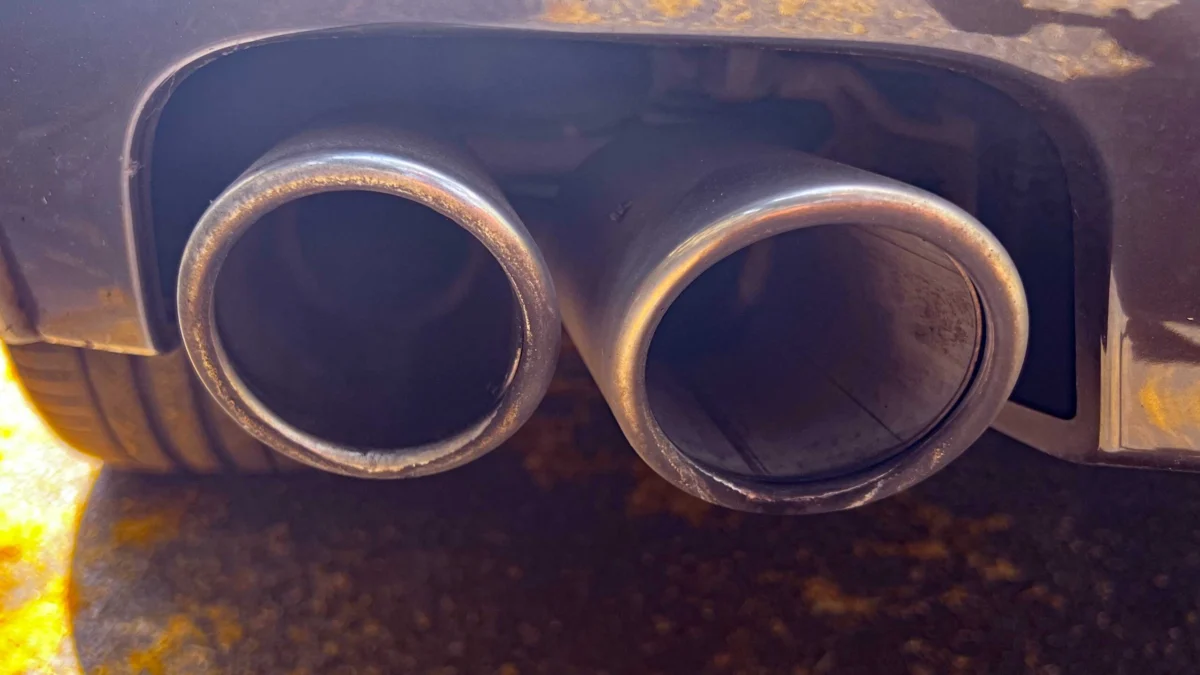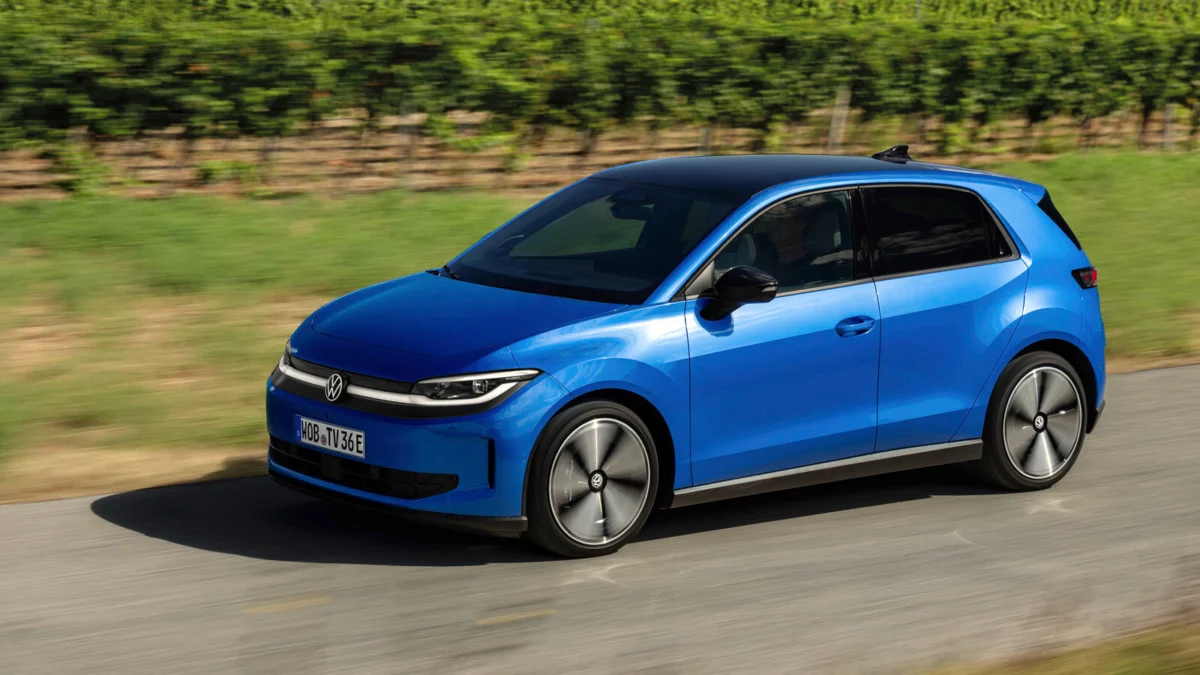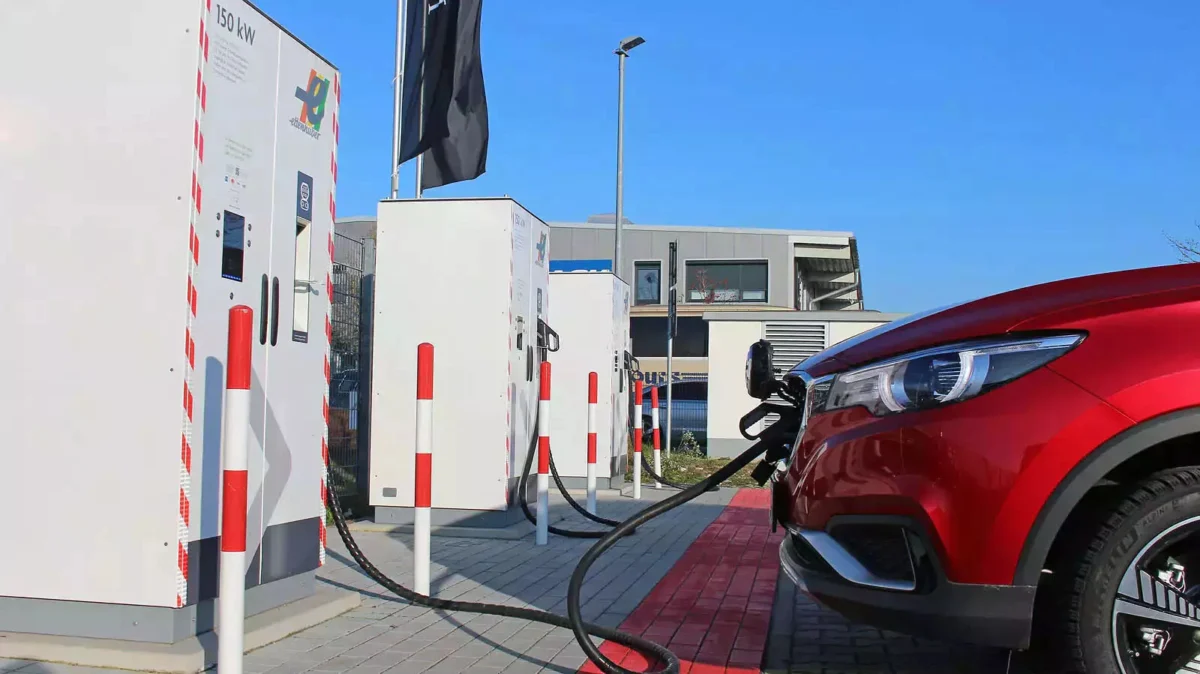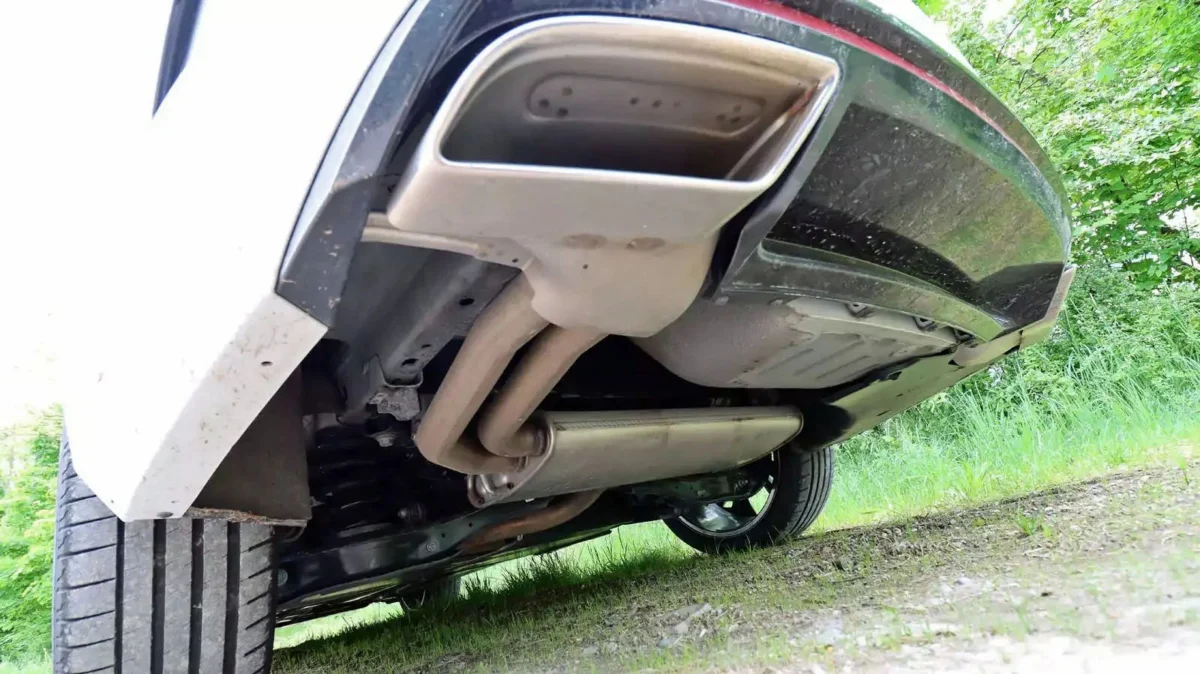
In a development that has sent shockwaves through the corridors of Brussels and the boardrooms of automotive giants, the European Parliament’s Environment Committee has voted to significantly soften the EU’s proposed ban on internal combustion engine (ICE) vehicles. The move marks a critical juncture in the European Union’s ambitious "Fit for 55" climate package, suggesting that the era of the traditional petrol and diesel engine may not be coming to a definitive end in 2035 after all.
By a margin of 48 votes in favor to 30 against, with two abstentions, the committee has effectively signaled a shift in policy that favors technological flexibility over a rigid, zero-emission mandate. This decision sets the stage for a high-stakes plenary vote in the European Parliament expected later this December, as the EU continues to balance its climate neutrality goals with the harsh realities of global industrial competition.
The Core of the Controversy: Redefining the 2035 Target
Under the current legislative framework, the European Union has been moving toward a requirement that all new vehicles registered from 2035 onwards must produce zero CO2 emissions during operation. Failure to comply would result in heavy financial penalties for manufacturers, effectively forcing a total shift toward battery-electric vehicles (BEVs) or hydrogen fuel cells.
However, the Environment Committee’s recent decision proposes a more nuanced approach. Instead of a hard "zero-emissions" requirement, the committee suggests a 87.5% reduction in CO2 emissions by 2035 compared to 2021 levels. Furthermore, manufacturers would be permitted to reach a 95% reduction target, provided they utilize climate-neutral steel in their production processes. This 7.5 percentage point flexibility allows manufacturers to continue producing and selling vehicles with combustion engines, provided their overall fleet emissions fall within the new, slightly relaxed regulatory thresholds.
Furthermore, the committee proposed a "weighting" mechanism for small electric vehicles. Under these new rules, smaller, city-oriented EVs would carry more weight in the calculation of a manufacturer’s average emissions, providing a direct incentive for carmakers to produce affordable, entry-level electric cars rather than focusing exclusively on high-margin, heavy, long-range luxury EVs.
A Chronology of Policy Shifts
The journey toward this legislative pivot has been fraught with tension. For years, the European Commission, backed by environmental groups, pushed for a strict 2035 deadline as a non-negotiable pillar of the European Green Deal.
- Early 2023: The EU finalized the framework for the 2035 ICE ban, but dissent began to brew immediately among major manufacturing nations.
- Mid-2024: Economic headwinds and concerns over Chinese market dominance began to change the political atmosphere. Germany and France, the bloc’s primary automotive hubs, began lobbying for "technological neutrality."
- Recent Weeks: A joint proposal by Germany and France gained momentum, advocating for a 90% reduction target rather than a 100% ban.
- The Current Vote: The Environment Committee’s approval of a 87.5% to 95% reduction threshold represents the legislative culmination of this pushback, directly challenging the Commission’s initial "zero-emission" stance.
Supporting Data and Economic Realities
The primary driver behind this shift is the mounting fear of deindustrialization. Data from the European Automobile Manufacturers’ Association (ACEA) suggests that the European industry faces a massive transition cost, estimated in the hundreds of billions of euros, to pivot entirely to electric mobility.
Simultaneously, the competitive pressure from China is reaching a breaking point. Chinese manufacturers, heavily subsidized by their government and benefiting from a vertically integrated supply chain for batteries and rare earth minerals, are currently outcompeting European firms on price. By forcing European manufacturers to abandon combustion technology too quickly, critics argue, the EU would be effectively handing the keys to its automotive sector—the backbone of the European economy—to foreign rivals.
The compromise proposal to allow a 90% reduction (as advocated by the German-French alliance) essentially allows for the continued sale of internal combustion engines, provided they are part of a fleet that is sufficiently electrified. This would allow legacy manufacturers to continue leveraging their existing intellectual property and infrastructure while transitioning at a pace that does not threaten the millions of jobs tied to the engine-supply chain.
Official Responses: A Divided House
The reactions to the vote have been as varied as the political interests at stake.
Massimiliano Salini (EPP, Italy), the lead negotiator on the committee, hailed the result as a victory for pragmatism. "This vote marks a turning point for the European automotive industry," Salini stated. "By allowing the registration of vehicles with combustion engines without the burden of total compensation, we are protecting technological freedom and restoring the perspectives of the entire supply chain. We must ensure that the transition to green mobility does not leave our industrial base in ruins."
Conversely, Michael Bloss (The Greens/EFA), a prominent advocate for stricter climate targets, warned of the long-term consequences of this policy indecision. "This political back-and-forth is poison for investment," Bloss argued. "By constantly changing the rules, we are creating uncertainty for manufacturers. Europe is losing its leadership position in the global market. While we dither on whether to keep burning fossil fuels, our competitors are moving ahead with full-scale electrification. This move is short-sighted and ultimately harms European workers more than it protects them."
Implications for the Future
The implications of this legislative shift are far-reaching, affecting everything from energy policy to the future of the European workforce.
1. Technological Neutrality vs. Green Directives
The core philosophical shift here is the move away from "zero-emission mandates" toward "technological neutrality." Proponents argue that the EU should regulate outcomes (emissions) rather than technologies (the engine). By allowing for the use of synthetic fuels or hydrogen-powered combustion engines—if they can be scaled—the EU is keeping doors open for innovation that does not rely exclusively on battery chemistry.
2. The Risk of Regulatory Fragmentation
The lack of a unified front between the EU Parliament and the 27 member states creates a "regulatory purgatory." Until a final agreement is reached, car manufacturers are essentially in a state of suspended animation. R&D budgets are difficult to allocate when the regulatory goalposts are moving every six months. This uncertainty is already being cited by industry analysts as a factor in declining investment within the EU.
3. The Chinese Competitive Threat
The most significant long-term risk is the widening gap in production efficiency. As European politicians debate the percentage of CO2 reduction, Chinese firms are flooding the global market with efficient, affordable EVs. If the EU’s automotive industry is forced to maintain two parallel production lines—one for combustion engines and one for EVs—the resulting lack of economies of scale may render them permanently unable to compete with the streamlined production models of the East.
4. Climate Commitments
Critics of the relaxation point out that the EU’s stated goal of "climate neutrality" by 2050 becomes mathematically difficult, if not impossible, if the transport sector continues to emit CO2 beyond 2035. The 10% or 12.5% "emissions gap" permitted by these new proposals will need to be offset by other sectors, such as agriculture or heavy industry, which are arguably even harder to decarbonize than transportation.
Conclusion: The Long Road to December
The upcoming plenary vote in December will be the ultimate test of the European Parliament’s resolve. The committee’s decision has provided a glimmer of hope for proponents of the traditional automotive sector, but it has ignited a firestorm among environmentalists who believe the EU is retreating from its climate responsibilities.
As the 27 EU member states continue their own internal deliberations, the path forward remains clouded in ambiguity. One thing is certain: the debate over the combustion engine has moved beyond simple environmental science. It is now a battle over the economic survival of Europe’s most iconic industry, a test of the EU’s ability to remain competitive in a shifting global order, and a defining moment for the continent’s commitment to the Green Deal. For now, the "end of the combustion engine" remains a concept under construction, caught between the urgent need for a greener planet and the imperative to protect the livelihoods of millions.