By Torsten Riecke
Updated: June 22, 2026 – 13:13 CET
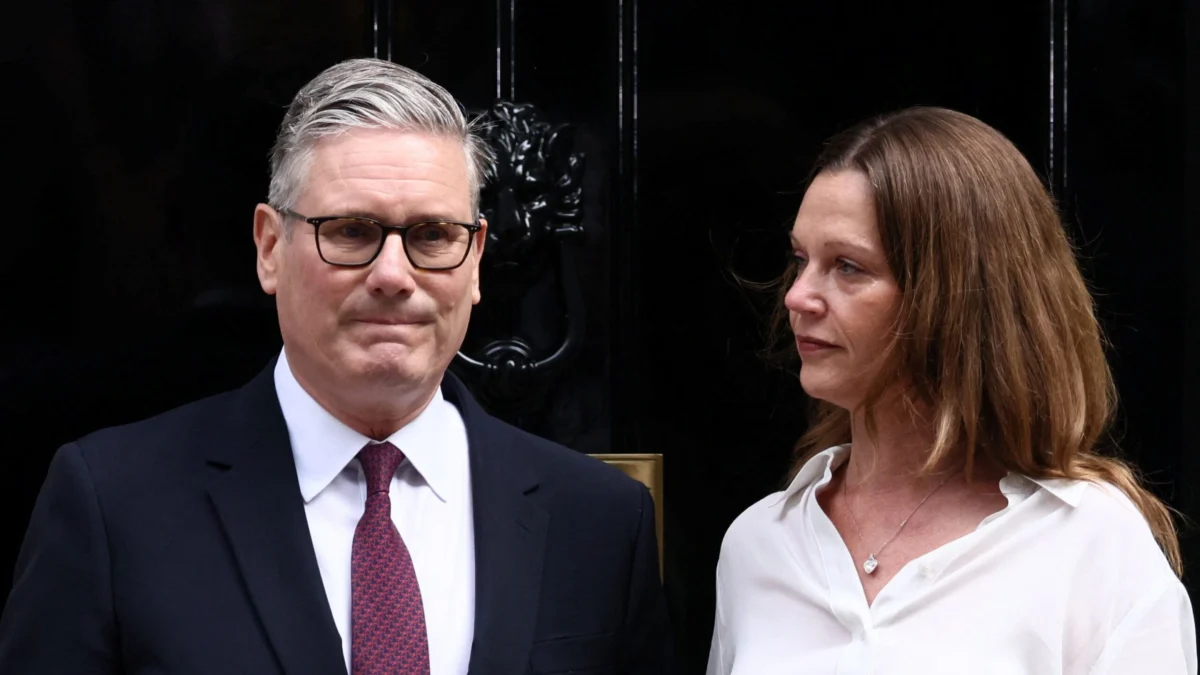
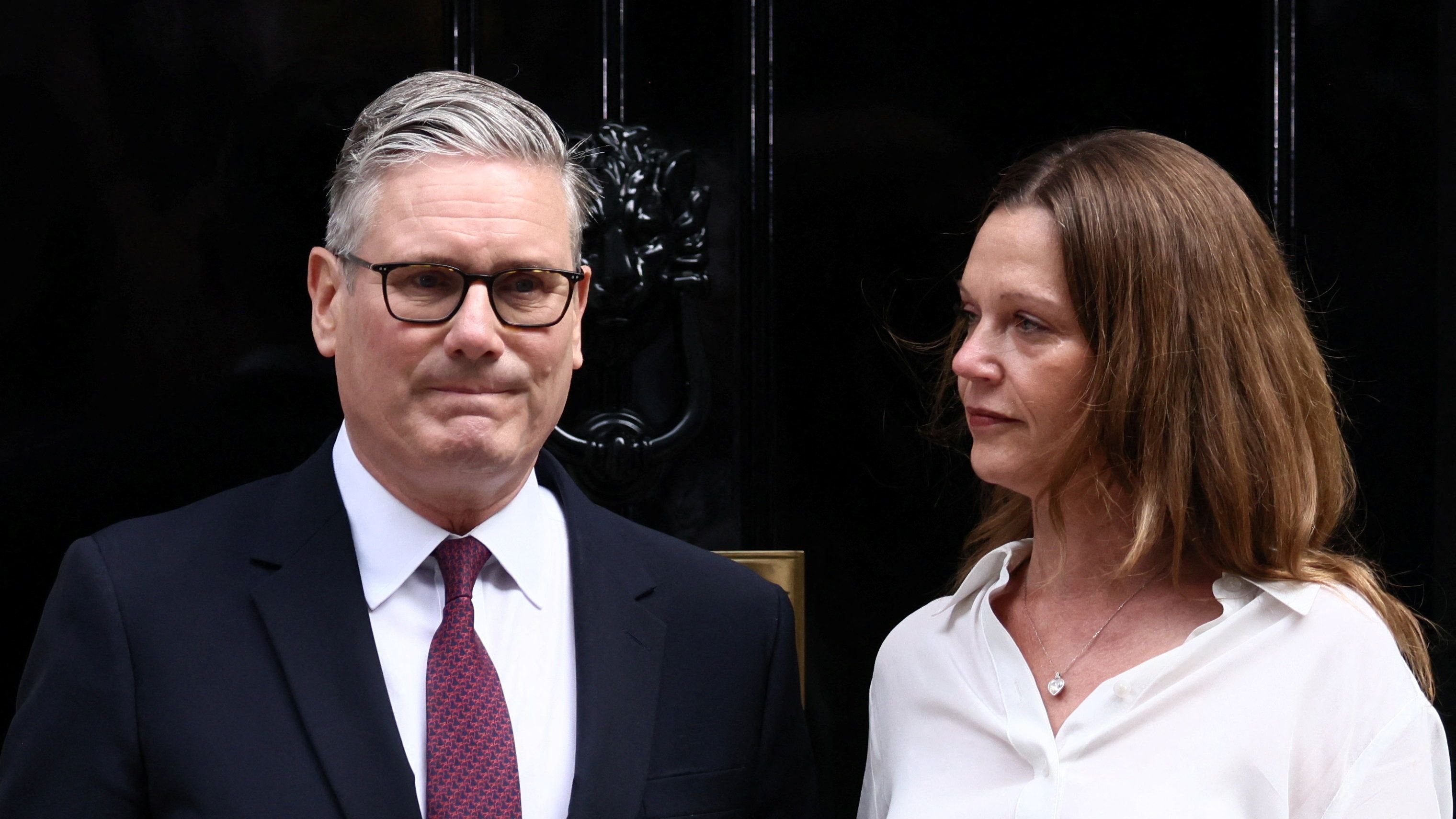
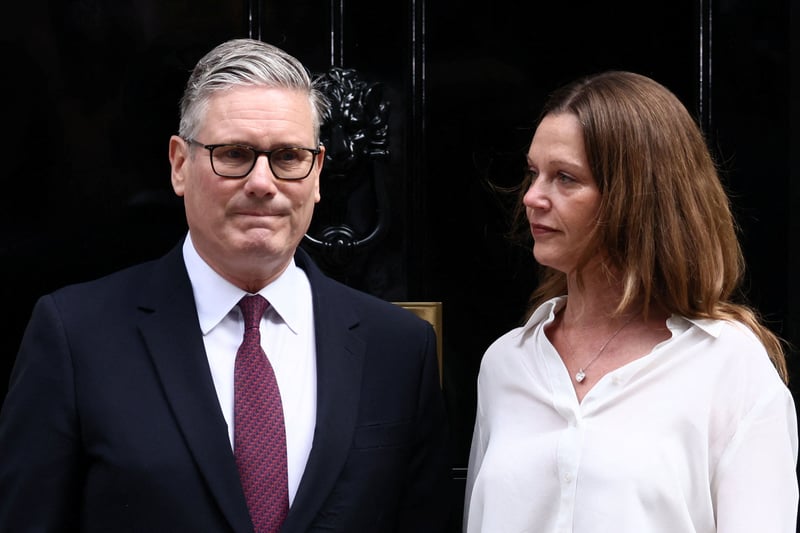
In a moment that has become all too familiar in the corridors of power at 10 Downing Street, the familiar sight of a hastily erected podium signaled the end of a tenure. For the sixth time in the past decade, a British Prime Minister stood before the world’s press to announce their involuntary departure. On Monday, it was the turn of Keir Starmer.
After only two years at the helm of the United Kingdom, Starmer confirmed he would be stepping down as both Prime Minister and leader of the Labour Party. The announcement marks a dramatic conclusion to a premiership that began with high expectations following a landslide election victory, only to be eroded by mounting political pressure and internal party dissent.
The Resignation: A Calculated Exit
Addressing the nation from the steps of Downing Street, the 63-year-old Starmer appeared somber but resolute. "I will resign as leader of the Labour Party," he stated, acknowledging the weight of the circumstances. Despite his party’s overwhelming mandate just two years prior, the political climate had shifted beneath his feet, rendering his position untenable.
The departure is not immediate. Starmer has committed to a transition period, ensuring stability in the face of upcoming international obligations. He will remain in office until a successor is chosen, a process scheduled to commence on July 9. The timeline aims to have a new leader installed by the end of the summer recess in September. Crucially, Starmer intends to represent the United Kingdom at the NATO summit on July 8 and the subsequent meeting with EU leadership on July 22, providing a final chapter of continuity in his foreign policy legacy.
A Chronology of a Short-Lived Premiership
To understand the collapse of the Starmer administration, one must look at the rapid acceleration of events over the last twenty-four months:
- June 2024: Keir Starmer leads the Labour Party to a historic electoral victory, promising a new era of stability, economic growth, and social reform.
- Late 2025: Initial honeymoon periods fade as the government struggles with a stagnant economy and a cost-of-living crisis that defies conventional policy interventions.
- Early 2026: Internal divisions within the Labour Party begin to surface. Critics within the backbenches argue that the administration has lost its way, citing a lack of clear vision on key social issues.
- May 2026: Public approval ratings for the government hit record lows. A series of by-election setbacks embolden the opposition and fuel speculation regarding Starmer’s leadership.
- June 2026 (The Final Week): Intense pressure from senior party members culminates in a series of private meetings. With his support base fracturing, Starmer realizes that a change in leadership is the only path to preventing a total collapse of the party’s credibility.
- June 22, 2026: The official resignation is announced, triggering a formal leadership contest.
The Succession Battle: Andy Burnham Steps Forward
The political vacuum created by Starmer’s announcement was filled almost instantly. Andy Burnham, the former Mayor of the Greater Manchester region, declared his intention to seek the leadership of the Labour Party just hours after the news broke.
Burnham, 56, represents a significant shift for the party. Having recently won a crucial parliamentary by-election in Westminster—a seat he was set to be sworn into on the very day of Starmer’s resignation—Burnham possesses both executive experience and a fresh mandate from the electorate. His candidacy is expected to focus on regional regeneration and a more populist approach to governance, contrasting with the technocratic style that defined the Starmer years.
Political analysts suggest that Burnham’s entry into the race could consolidate the party’s northern base, a demographic that had been drifting away from the Labour core in recent years.
Economic and Social Implications
The resignation of a Prime Minister during a period of global economic volatility carries heavy consequences. The UK, currently navigating the fallout from inflationary pressures and complex trade relationships with the European Union, now faces a period of political uncertainty that markets rarely view favorably.
The Economic Burden
The government’s primary challenge remains the "cost-of-living" crisis. During his time in office, Starmer attempted to balance fiscal discipline with necessary public investment. However, the lack of substantial growth led to a tightening of the national budget, which many voters perceived as an abandonment of Labour’s foundational promises.
The European Stance
One of the most delicate areas of transition will be the UK’s relationship with the European Union. Starmer had been in the midst of negotiating a new framework for closer cooperation on security and trade. With his departure, these negotiations are likely to be paused. The EU leadership will be watching the upcoming Labour leadership race closely, waiting to see whether the next Prime Minister maintains Starmer’s pragmatic approach or shifts toward a more assertive, perhaps more distant, stance.

Official Responses and Political Repercussions
The reaction from across the political spectrum has been a mix of caution and opportunistic maneuvering.
The Conservative opposition, currently attempting to regroup, issued a statement calling for an early general election, arguing that "the government has clearly run out of road." They contend that if the Labour Party cannot maintain the support of its own leader, it has no right to maintain the support of the country.
Within the Labour Party, the sentiment is more divided. While many MPs have expressed their gratitude for Starmer’s service, others are already looking toward the future. A senior Labour strategist, speaking on condition of anonymity, noted: "Keir brought us back to power, but the challenge of governing in these times is entirely different from the challenge of winning an election. The party needs a leader who can speak directly to the frustrations of the working class once again."

Implications for the Future of the United Kingdom
As the UK enters this period of transition, the focus will inevitably shift to the leadership contest. The process, which will involve the participation of the party’s members and affiliated unions, is expected to be bruising.
The Shift in Political Style
If Andy Burnham is successful, the party will likely undergo a strategic pivot. His tenure as mayor was marked by a combative approach toward central government—a style he may now find challenging to reconcile with the demands of being the national leader. Observers will be looking for signs of whether he can evolve from a regional champion into a national unifier.
The Role of the Monarch and Parliament
The transition will be overseen by the constitutional frameworks of the United Kingdom. With the King’s involvement in formalizing the appointment of the next Prime Minister once a successor is chosen, the process serves as a reminder of the stability of the British constitutional order, even in times of significant political upheaval.

Global Standing
The UK’s role on the world stage—particularly in the context of the war in Ukraine and the ongoing tensions in the Middle East—will require a steady hand. The incoming Prime Minister will face immediate pressure to prove that the change in leadership does not equate to a change in the UK’s international commitments.
Conclusion: A Lesson in Political Fragility
The resignation of Keir Starmer serves as a stark reminder of the volatility of modern British politics. The "Downing Street shuffle," as some critics have dubbed the frequency of leadership changes, reflects a deeper malaise in the political system. When mandates are won but not maintained, and when the gap between public expectation and political reality becomes too wide, the resulting instability becomes inevitable.
As the Labour Party prepares for a new chapter, the citizens of the United Kingdom are left to wonder: will this be the beginning of a renewed vision, or merely a continuation of the cycle of instability that has defined the last decade? For now, the eyes of the nation turn to the upcoming leadership contest, as the party that once promised to "change Britain" attempts to change itself.
The next few months will be a defining period for the Labour Party and the country at large. As the dust settles on the Starmer premiership, the work of rebuilding, reassessing, and ultimately moving forward begins. Whether that forward movement is toward a stronger, more cohesive United Kingdom or further into the abyss of political infighting remains the central question of the year.