Main Facts
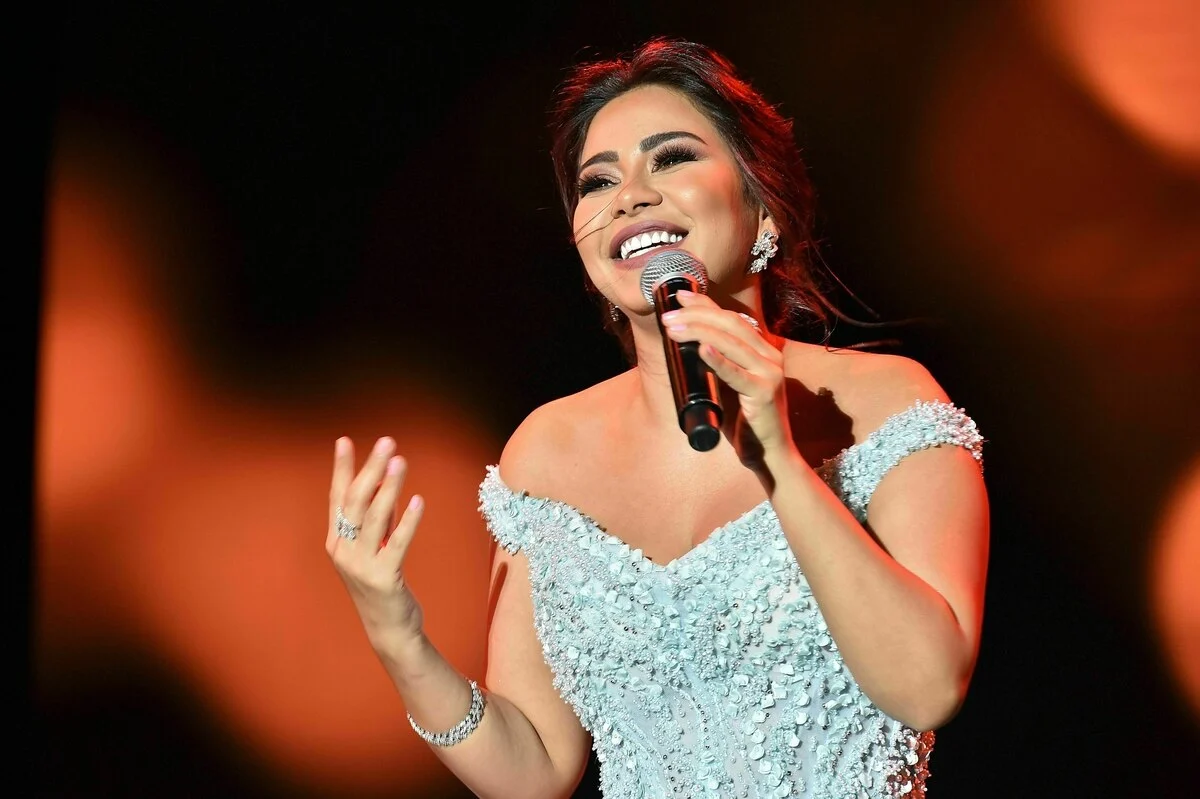
Sherine Abdel-Wahab, often simply known by her first name, stands as one of the most prominent and beloved pop stars in the Arab world. Her powerful voice, emotionally charged lyrics, and undeniable stage presence have cemented her status as the "Queen of Feelings" among millions of fans. However, beneath the glittering facade of stardom, Sherine’s life has unfolded as a turbulent saga marked by public scrutiny, alleged external control, and profound personal struggles. Her narrative, characterized by a meteoric rise, dramatic public breakdowns, and persistent questions surrounding her autonomy, bears an uncanny resemblance to the plight of American pop icon Britney Spears, sparking widespread concern and a burgeoning #Where_Is_Sherine movement among her devoted fanbase.
From her humble beginnings in a working-class Cairo district, Sherine defied expectations to become a cultural phenomenon. Yet, her journey has been punctuated by clashes with state authorities, highly publicized marital woes, and reports of psychiatric hospitalization – events that have consistently cast her as a fragile, uncontrollable figure in the conservative societal gaze. The ongoing struggles of Sherine Abdel-Wahab transcend mere celebrity gossip; they illuminate the deeply entrenched patriarchal structures within Arab societies that often deny women, especially those in the public eye, the right to self-representation and control over their own lives. Her story has become a potent symbol, igniting crucial conversations about mental health, women’s rights, and the immense pressures faced by female artists in the region.
Chronology of a Star’s Tumultuous Journey
Sherine Abdel-Wahab’s path to stardom began not with a splash, but with a quiet, determined ambition. Born in the impoverished Al-Qala’a neighborhood of Cairo, her talent was recognized early by a primary school teacher who convinced her parents to introduce her to the conductor of the Cairo Orchestra. This pivotal moment launched her into the disciplined world of classical Arabic music, where she honed her vocal skills as a choir member. Her early career saw her collaborate with prominent singers, contributing to successful duets that garnered attention.
The Rise of a "Queen of Feelings"
It was in the early 2000s that Sherine truly broke through into mainstream consciousness. Her single "Ah ya Leil" (Oh, Night) rapidly ascended to the top of music charts across the entire Arab world, becoming an instant classic and establishing her as a household name. This was followed by a string of hit singles and ultimately eight solo albums, each reinforcing her unique artistic identity. Today, even her older tracks like "Sabry Alil" (My Patience is Little) find new life and viral popularity as TikTok hits, demonstrating her enduring appeal across generations.
Sherine’s musical signature is a captivating fusion of Western electronic pop influences with the rich traditions of Egyptian singing. Her vocal delivery is characterized by its melismatic form – a hallmark of classical Arabic music where multiple notes are sung to a single syllable of text – combined with a deep, emotionally direct approach in her lyrics. These songs often explore themes of heartbreak, longing, and reconciliation, resonating deeply with listeners and earning her the affectionate moniker "Queen of Feelings." While some critics might point to a perceived lack of highly original songwriting, arguing that her music is primarily driven by its emotional depth, her repertoire is firmly rooted in the balladesque Egyptian song tradition, where intimate confessions and expressive vocal delivery often take precedence over technical perfection or complex musical structures. Primarily sung in Egyptian Arabic, her sound has evolved to embrace contemporary digital production and media-savvy presentation, aligning with the broader developments in Arab pop music while retaining its authentic core. This blend of traditional emotion and modern production ensures that her artistry, despite its professional polish, continues to convey a credible openness, more akin to a personal confession than a calculated display of glamour. This authenticity has positioned Sherine not just as a star, but as an artist with a certain societal outspokenness, placing her consistently in the public spotlight.
Clashes with the State: The Nile Incident and Its Aftermath
Despite her immense popularity, Sherine’s outspoken nature and candid comments have repeatedly landed her in trouble, particularly with state authorities. A significant incident occurred in March 2019 during a concert. When a fan requested she sing her patriotic song "Mashrebtesh Men Nilha?" (Didn’t you drink from the Nile?), Sherine’s response was unexpected and controversial. She quipped that drinking from the Nile would lead to "Bilharzia" (a parasitic disease prevalent in some freshwater bodies) and advised the fan to "drink Evian instead."
This seemingly innocuous remark, intended perhaps as humor or a moment of candidness, was met with severe repercussions. It was interpreted by Egyptian authorities as an insult to the state and the spreading of false news, leading to a six-month prison sentence. Although she was later released on appeal, the incident cast a long shadow over her career and freedom of expression.
The controversy continued when, at a festival in Bahrain, Sherine alluded to the Egyptian incident by stating, "I can say what I want here, unlike in Egypt." This comment triggered another lawsuit against her by a prominent Egyptian lawyer, further solidifying her image in some quarters as a rebellious and "uncontrollable" figure. These public confrontations with the state have contributed to a narrative that paints Sherine as unstable and erratic, a perception that would later be exacerbated by her tumultuous personal life.
Personal Turmoil and Public Scrutiny: Marriages, Mental Health, and the Media Frenzy
Sherine’s personal life has been as dramatic as her professional one, often played out in the unforgiving glare of the Arab paparazzi and social media. She was first married to composer Mohamed Moustafa, with whom she has two children. Their divorce in 2012 marked the beginning of heightened public interest in her private affairs.
In 2018, she married Egyptian singer Husam Habib, a star in his own right. Their relationship quickly became a tabloid sensation, characterized by intense public declarations of love followed by dramatic breakups and reconciliations. The couple divorced in 2021, a separation that Sherine reportedly described to Arabic tabloids with the words, "I am free now."
However, her post-divorce appearance in December 2021 shocked fans and the media alike. She emerged with a shaved head and noticeable weight gain, explaining in a candid interview that she had cut her hair as a form of self-punishment for the pain she had endured due to her love for Habib. This raw display of vulnerability further fueled public concern and speculation about her mental and emotional state.
Despite the public drama, Sherine and Husam Habib remarried in 2022. Shortly after she announced their reconciliation on social media, reports surfaced that she had been admitted to a psychiatric clinic. This event unleashed a torrent of accusations and counter-accusations. Her brother publicly claimed that he had physically assaulted her and forcibly admitted her to a rehabilitation facility, along with her husband, due to alleged drug abuse, stating his intention was to "save her from him." These allegations, denied by Sherine and Habib, plunged her deeper into scandal and raised serious questions about her autonomy and safety. The continuous stream of public revelations, often contradictory and highly personal, left fans and observers bewildered, concerned, and increasingly aware of the severe pressures she faced.

Supporting Data and Societal Context
Sherine’s story is not merely an isolated celebrity scandal; it is a stark illustration of broader societal issues, particularly concerning women’s rights and autonomy in Arab societies. The narrative that has emerged around her – one of instability, emotional vulnerability, and being "controlled" by the men in her life – resonates deeply with the experiences of many women in the region.
The Patriarchal Shadow: Women’s Roles in Arab Societies
In many Arab societies, patriarchal structures remain deeply entrenched, often defining a woman’s identity primarily through her relationships with men. A woman is often seen first as a man’s daughter, then his sister, his wife, and potentially the mother of his son. This societal framework can severely limit a woman’s capacity for self-representation and independent decision-making, particularly within the family unit. The public discourse surrounding Sherine’s life frequently framed her struggles in this context, portraying her as a woman unable to manage her own affairs and thus requiring the intervention or guardianship of male relatives.
The Egyptian Centre for Women’s Rights explicitly highlighted this societal dimension, issuing a statement that Sherine’s ordeal was "the story of many Egyptian women who are denied the right to represent themselves within the patriarchal family structure." This powerful observation underscores how Sherine’s celebrity status, far from shielding her, amplified the visibility of these systemic issues. The Centre advocated for protective measures to safeguard Sherine’s rights, both as a patient deserving of proper care and as a woman entitled to autonomy.
The Power of Social Media and Fan Advocacy
The advent of social media has fundamentally altered how public figures’ struggles are perceived and addressed. In Sherine’s case, her fans, deeply connected to her emotional music, became powerful advocates. When news of her alleged confinement and disappearance emerged in January (likely 2023, following the 2022 clinic admission), Egyptian TV personality Amro Adib publicly voiced his concern, stating, "I feel Sherine is slowly disappearing. I know nothing about her – with whom she is, what her health status is, or what her social life looks like." He then made an impassioned plea to Egyptians: "Help me search for Sherine together."
This call to action, combined with the palpable anxiety among her fanbase, quickly mirrored a global phenomenon: the #FreeBritney movement. Inspired by the successful campaign to liberate Britney Spears from her conservatorship, Sherine’s concerned fans flooded the internet with the hashtag "#Where_Is_Sherine." This grassroots movement demonstrated the collective power of fans to demand accountability and protection for their idols, pushing private struggles into the public consciousness and forcing a discussion that might otherwise have been silenced. Social media platforms became arenas for discussing emotional interviews, sudden disappearances, cryptic Instagram posts, hand gestures, and enigmatic captions, with fans often interpreting these as desperate cries for help.
Official Responses and Legal Ramifications

The official responses to Sherine Abdel-Wahab’s controversies have largely been punitive, reflecting the conservative stance of the Egyptian state and the societal pressure to maintain public order and morality.
State Intervention and Censorship
The legal actions against Sherine for "insulting the state" and "spreading fake news" following her comments about the Nile water were significant. A six-month prison sentence, even if later overturned, sent a clear message about the limits of free expression for public figures in Egypt. This was not an isolated incident; the subsequent lawsuit after her comments in Bahrain further emphasized the state’s readiness to intervene when perceived national dignity or public image was challenged. Such interventions highlight a broader trend where celebrity voices, particularly female ones, are carefully monitored and disciplined if they deviate from acceptable narratives. The focus was less on protecting the artist and more on upholding the image of the state.
Advocacy from Women’s Rights Organizations
In contrast to the state’s approach, organizations like the Egyptian Centre for Women’s Rights offered a critical and protective perspective. Their statement, framing Sherine’s situation within the context of patriarchal family structures, was a crucial official response from civil society. By demanding protection for her rights as a patient and a woman, they not only underscored the severity of her alleged confinement but also challenged the traditional view that such matters are strictly "private." This was an implicit critique of both family actions and the state’s failure to protect women from such alleged abuses. Their intervention served to legitimize the public concern and transform it from mere celebrity gossip into a serious human rights issue.
The lack of consistent, official legal protection or comprehensive mental health support from state bodies for high-profile figures like Sherine, beyond punitive measures, speaks volumes about the existing frameworks. The onus often falls on civil society organizations and public outcry to advocate for the rights and well-being of individuals caught in such complex webs of family, fame, and societal expectations.
Implications and Broader Significance
Sherine Abdel-Wahab’s tumultuous journey is more than just a personal tragedy played out on a public stage; it is a powerful microcosm of larger societal issues and a catalyst for critical conversations across the Arab world and beyond.
The "Diva Under Duress" Archetype
Her story sadly echoes a pervasive pattern within pop culture globally, but particularly in societies where women’s suffering is often dismissed as a "private matter" not to be interfered with. The music industry, with its intense pressures and exploitative tendencies, can exacerbate these vulnerabilities. The expectation for women in the spotlight to be "flawless and well-behaved dolls" is a heavy burden, and any deviation can lead to swift and harsh judgment, often resulting in public shaming and a loss of autonomy.

The article draws poignant parallels to other female artists whose lives ended tragically due to violence. The murder of Tunisian singer Thikra by her husband in her Cairo apartment in 2003, and the violent death of Lebanese singer Susan Tamim in her Dubai apartment in 2008, serve as chilling reminders of the extreme dangers that can befall female celebrities when patriarchal control and societal expectations escalate. These cases underscore that the struggles Sherine faces, while perhaps not reaching such a violent extreme (fortunately), stem from the same root causes of control and subjugation.
A Beacon for Change and Awareness
Despite the grim backdrop, Sherine’s current narrative offers a glimmer of hope. Her recent return to the public eye, marked by new singles and television interviews where she declared her recovery, signifies a potential reclaiming of her agency. Her vivid description of her ordeal, likening it to "the scene in Titanic where Kate Winslet is on a wooden plank, while the water freezes and she is almost on the brink of death," powerfully conveys the depth of her despair and her will to survive.
This comeback, coupled with the sustained advocacy of her fans and women’s rights organizations, signals a potential shift. The enhanced visibility afforded by social media means that stories like Sherine’s can no longer be easily swept under the rug. Emotional interviews, sudden disappearances, strange social media posts – all are meticulously analyzed by vigilant fans, often interpreted as cries for help. This collective vigilance creates a powerful counter-narrative to the traditional silencing of women’s suffering.
The ongoing public discussion around Sherine Abdel-Wahab’s experiences, and those of other high-profile women in distress, serves as a mirror reflecting the broader challenges within society. As these women and their fans increasingly reclaim their stories and demand greater accountability and respect for individual autonomy, a crucial awareness is fostered. This growing consciousness has the potential to slowly but surely erode outdated patriarchal norms and pave the way for meaningful societal change, ensuring that the "Queen of Feelings" and all women can truly be free to control their own narratives and destinies. Her journey, therefore, becomes not just a personal one, but a collective striving for greater freedom and self-determination for women in the Arab world.