

By Matern von Boeselager
The 79th edition of the Cannes Film Festival has officially opened, unfolding as a study in modern contradictions. Beneath the shimmering Mediterranean sun and the polished veneer of the Palais des Festivals, the atmosphere is defined by a palpable friction: a desperate, defiant defense of human-centric artistry clashing against the encroaching shadow of artificial intelligence and the commercial realities of a changing global film industry.
As the red carpet was rolled out this Tuesday, the festivities were punctuated by fiery calls for resistance, punctuated by the awkward irony of a festival now deeply intertwined with Silicon Valley funding.
The Main Facts: A Festival at a Crossroads
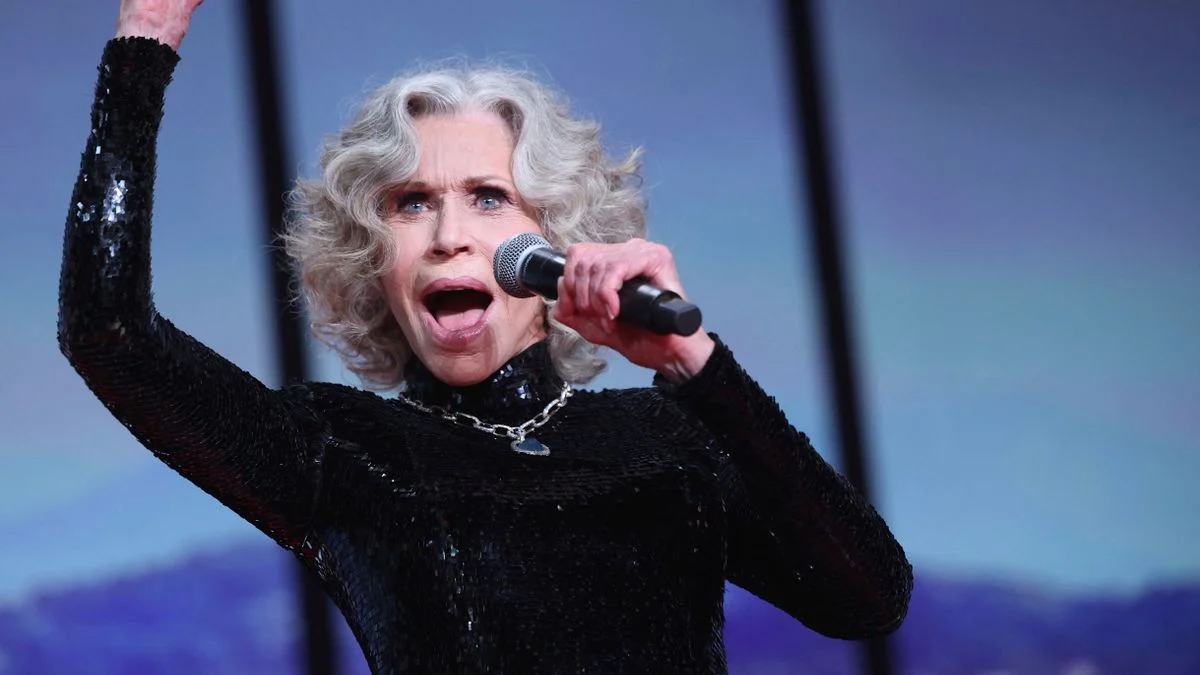
The opening ceremony served as a microcosm of the current existential crisis facing cinema. On one side of the stage, veteran activist and screen icon Jane Fonda stood as a beacon of traditional, human-led storytelling. On the other, the unspoken presence of Meta—the event’s new, high-profile corporate sponsor—loomed large, casting a long shadow over the proceedings.
"Cinema has always been an act of resistance because we tell stories," Fonda declared, her voice ringing out across the grand theater. As she spoke, she brandished a clenched fist, the sequins of her black Gucci gown catching the light—a potent image of defiance. Yet, the rhetoric of "resistance" felt complicated by the context of the night.
Moderator Eye Haïdara struck a more direct, perhaps more uncomfortable chord, welcoming viewers "everywhere"—with a crucial caveat: "where the internet hasn’t been cut, and where artificial intelligence hasn’t yet replaced reality." Her pointed remarks regarding the encroachment of AI were met with a mixture of applause and uneasy silence, serving as the most overtly political statement of an evening that otherwise leaned heavily into high-society pageantry.

Chronology of the Opening Day
The day began with the traditional buzz of the Croisette, though it felt different this year. The usual throngs of fans, tourists in flip-flops, and industry titans in bespoke tuxedos created the familiar chaotic choreography of the festival.
- 14:00 (Local Time): The Jury, led by President Park Chan-wook, held their inaugural press conference. The mood was one of studied harmony. Demi Moore, a member of the jury, set the tone by emphasizing the "joy of being surrounded by the love of cinema."
- 16:00: The mood shifted slightly as Scottish director Paul Laverty broke the veneer of diplomatic neutrality. Moving beyond the abstract "dark times" mentioned by his colleagues, he addressed the "genocide in Gaza," a statement that hung in the air, largely unacknowledged by the rest of the dais.
- 19:00: The grand opening ceremony commenced. Jane Fonda’s impassioned speech signaled the official start of the competition.
- 21:00: The opening film screened to a tepid reception. While the film’s identity is already fading from the collective memory of the critics, the conversation quickly pivoted back to the atmosphere of the festival itself—the star-power, or lack thereof, and the overarching thematic tension of the year.
Supporting Data: A Changing Industry Landscape
The 2026 festival arrives at a time of profound transition for the film industry. The "star density" on the red carpet has noticeably thinned, a direct reflection of shifting economic priorities within Hollywood.
Major studios have significantly slashed their festival marketing budgets, leading to a year where the marquee, blockbuster-style premieres are largely absent. This 79th edition features no major Hollywood tentpoles, a void that has changed the "Cannes experience" for both the press and the public.
Furthermore, the industry is grappling with the post-strike reality of creative labor. The integration of artificial intelligence into production pipelines has become the central topic of debate. The irony of Meta—a company currently at the forefront of generative AI development—sponsoring the world’s most prestigious showcase of human-made art is not lost on the attendees. It is a corporate marriage of convenience that highlights the tension between the industry’s need for capital and its desire to preserve the sanctity of the creative process.
Official Responses and Public Sentiment
The official stance from the festival leadership, led by President Iris Knobloch, has been one of careful, curated optimism. The festival is attempting to balance its role as a cultural institution with the pragmatic necessity of financial survival.
Public sentiment, however, remains split. For the thousands of cinephiles and tourists crowding the barriers, the prestige of the festival remains untarnished. The "ticket-wonder" remains the ultimate goal for many—the chance to secure a last-minute seat for a gala premiere.

The "treppe" (the iconic festival stairs) continues to act as the ultimate social barometer. To walk the steps, to be greeted by leadership, and to be captured by the global press is the currency of the festival. This year, the unofficial "winner" of the opening night was filmmaker Peter Jackson. Moving through the crowd like a cheerful, rumpled uncle, Jackson’s unpretentious joy provided a necessary counterbalance to the stiff, overly choreographed nature of the evening. His presence reminded the audience that, despite the corporate sponsors and the existential threats, the festival is still fundamentally about the people who make the films.
Implications: Where Does Cinema Go from Here?
The 79th Cannes Film Festival is not just a showcase of films; it is a diagnostic tool for the health of global cinema. The implications of this year’s opening are twofold:
- The Crisis of Authenticity: The constant invocation of "human-made" cinema is a direct reaction to the fear of obsolescence. If the festival is to remain relevant, it must define what "human" art means in an era of algorithmic generation. The fact that this debate is taking place in the shadow of Meta’s sponsorship suggests that the industry is in a state of cognitive dissonance, attempting to bite the hand that feeds it while continuing to take the meal.
- The Economic Retreat: The absence of major Hollywood studios suggests a shift in how films are marketed. Festivals are increasingly seen as expensive, inefficient tools for promotion in an age where digital distribution and social media algorithms dictate success. If Cannes loses its status as the premier destination for big-budget launches, it will have to redefine its value proposition to the industry—perhaps pivoting further toward the independent and auteur-driven cinema that originally built its reputation.
As the festival continues, the question remains: Can Cannes maintain its role as the conscience of the industry, or is it destined to become a boutique event, insulated from the digital revolution that is fundamentally altering the medium it seeks to protect?
For now, the resistance continues—albeit in couture gowns and tuxedos, under the bright lights of a corporate-sponsored stage. Whether that resistance results in a meaningful shift in the industry, or merely serves as a performative echo of a bygone era, will be the true test of this year’s competition. The "joy of cinema" is clearly still present, but it is a joy now deeply tempered by the realization that the future of the art form is no longer entirely in the hands of the storytellers.







Leave a Reply