By International Arts & Culture Desk
Updated: June 17, 2026
In an era where the traditional Hollywood studio model faces unprecedented competition from decentralized digital content, a singular, low-budget horror project has defied the odds to become a global box-office titan. Backrooms, a feature-length adaptation of a collaborative internet horror phenomenon, has transitioned from a niche 4chan thread to a multi-million-dollar cinematic event. With over 20 million viewers worldwide and a staggering return on investment, the film marks a historic turning point in how internet-native intellectual property is translated for the silver screen.
The Genesis of the "Backrooms" Mythos
The story of the Backrooms is not one of traditional screenwriting, but of digital folklore. In 2019, an anonymous user on the imageboard 4chan posted an unsettling photograph: a windowless, sterile room characterized by monochromatic yellow wallpaper, damp, stained carpet, and the buzzing hum of fluorescent lights.
The image, which evokes a sense of "liminality"—the feeling of being in a transitional space that is neither here nor there—quickly spawned a narrative. A user commented that anyone who "noclipped" out of reality—a gaming term for passing through solid geometry—would end up in the "Backrooms." This non-linear, endless purgatory of mundane industrial spaces became the foundation for "Creepypasta," the internet’s answer to modern urban legends.
During the global lockdowns of the COVID-19 pandemic, the concept exploded. Reddit, TikTok, and YouTube users began expanding the lore, adding layers like abandoned swimming pools, endless office corridors, and desolate children’s rooms. It was a collaborative, open-source horror universe, built by thousands of contributors simultaneously.
Chronology: From YouTube Shorts to A24
The bridge between this digital collective and professional cinema was built by Kane Parsons, known online as "Kane Pixels."
- 2021-2022: A 16-year-old Parsons began uploading a series of short, high-quality, computer-generated films to YouTube. These clips captured the aesthetic of the 1990s analog horror genre, utilizing "found footage" techniques.
- Viral Breakthrough: The shorts garnered over 100 million views, drawing the attention of industry heavyweights.
- The Studio Deal: The acclaimed independent studio A24 recognized the massive, pre-existing audience and the technical prowess of Parsons. They secured the rights to a feature-length film, entrusting the then-19-year-old director with a professional budget and a high-caliber cast.
- June 2026: As Parsons approaches his 21st birthday, the film hits global cinemas, solidifying its place as a massive commercial success.
Supporting Data and Financial Performance
The financial success of Backrooms is nothing short of a statistical outlier. Produced on a modest budget of approximately $10 million, the film has generated a worldwide box office gross of $260 million. This ratio of cost to profit is rarely seen in modern horror, which is often reliant on established franchises like The Conjuring or Halloween.
The film’s marketing strategy was largely organic, leveraging the massive, built-in fanbase that Parsons cultivated on YouTube. Unlike traditional films that require a massive "opening weekend" spend, Backrooms benefited from a "fan-first" rollout. Data indicates that the primary demographic for the film—Generation Z—showed unprecedented loyalty, with repeat viewings contributing significantly to the film’s sustained box-office legs.
Synopsis: The Narrative Shift
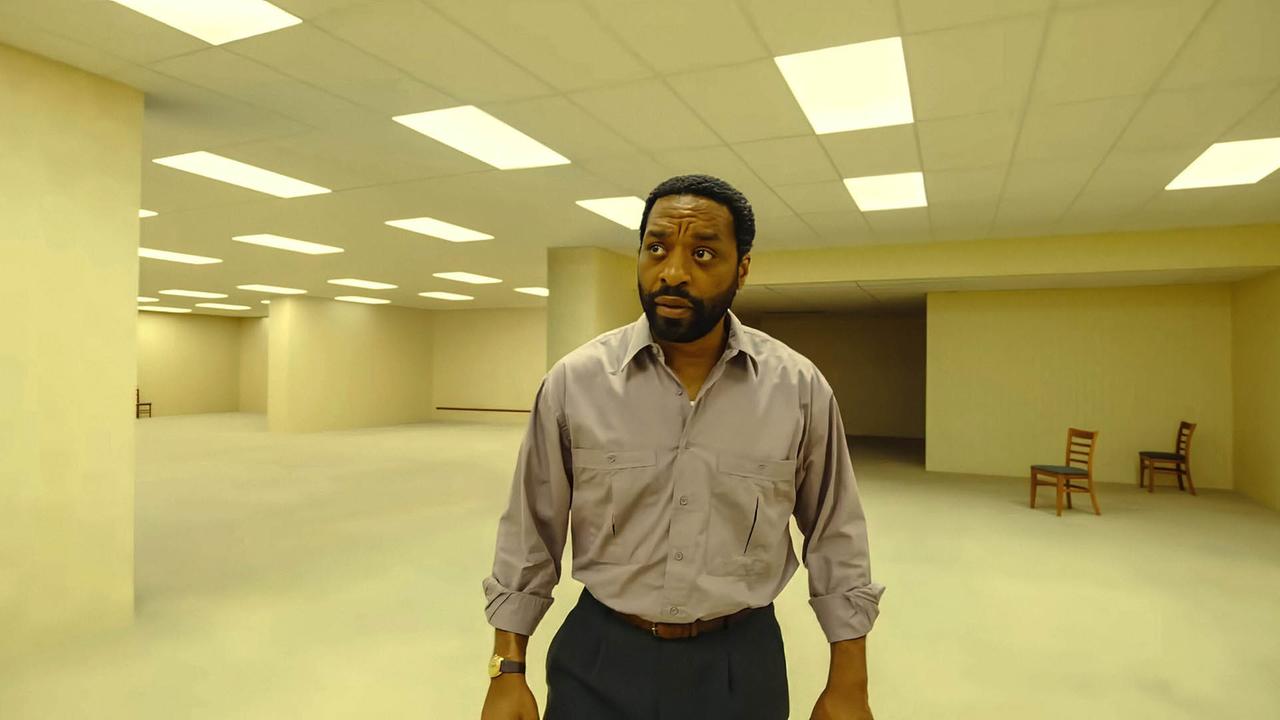
The film, while respecting the source material, introduces a grounded, human narrative to anchor the surrealist horror. British star Chiwetel Ejiofor plays Clark, a struggling furniture store owner whose failing business and fractured marriage lead him to spend his nights sleeping amidst his unsold inventory.
When a mysterious electrical flicker leads him into the basement, he inadvertently "noclips" into the Backrooms—a sprawling, infinite labyrinth that echoes his own claustrophobic, failed life. His therapist, Dr. Mary Kline (played by Norwegian actress Renate Reinsve), initially suspects a nervous breakdown. However, as she investigates his disappearance, she, too, is pulled into the yellow-hued void.
The film shifts from a psychological character study into a survival thriller, as they encounter "Async," a clandestine corporation experimenting with interdimensional travel. The architecture of the Backrooms acts as a central character, reflecting the protagonists’ trauma, isolation, and search for meaning in a world that feels increasingly "wrong."
Liminal Spaces: The Aesthetics of Anxiety
The power of Backrooms lies in its mastery of "Liminal Spaces." These are places that are meant to be passed through but are suddenly frozen in time—empty airports at 3:00 AM, abandoned malls, or quiet office parks on a Sunday.
Film critics have noted that the director utilizes these spaces to trigger a deep-seated, primal unease. By stripping away the comfort of the familiar, the film forces the audience to confront their own anxieties about loneliness and the fragility of reality. The influence of classic horror is evident—from the labyrinthine hotel corridors of Stanley Kubrick’s The Shining to the corporate dread found in the series Severance—yet Backrooms feels distinctly modern.
Critical Reception and Industry Debate
Despite its financial triumph, Backrooms has sparked a robust debate among critics.
- The Proponents: Supporters praise the film’s oppressive atmosphere, the minimalist sound design, and the way it explores existential dread. They argue that Parsons has effectively translated the "YouTube aesthetic"—glitches, pseudo-documentary framing, and lo-fi textures—into a medium that commands respect.
- The Critics: Detractors argue that the film occasionally leans too heavily on established genre tropes, such as those found in Stranger Things. Some purists of the original 4chan mythos feel that by introducing a "Hollywood" structure—a traditional hero’s journey and a climactic showdown—the film strips away the ambiguity that made the internet version so unsettling. They argue that the horror of the Backrooms was precisely that it had no explanation and no exit.
Implications for the Future of Cinema
The success of Backrooms signals a tectonic shift in the entertainment landscape. It proves that the "Gen Z" method of storytelling—collaborative, viral, and internet-native—is not just a trend but a viable pathway for high-end film production.
- The Death of the "Gatekeeper": Studios are increasingly looking toward creators who have already built an audience, effectively outsourcing the "market research" phase of film production to the internet.
- The Rise of Digital-Native Directors: Kane Parsons’ meteoric rise suggests that technical mastery of digital tools, combined with a deep understanding of online culture, is becoming more valuable than traditional film school hierarchies.
- A Generation’s Mirror: Many cultural commentators suggest the film’s popularity is no coincidence. It serves as a visceral metaphor for a generation navigating a world of economic instability, isolation, and the vague, persistent feeling that the systems they inhabit—like the infinite office corridors of the film—are fundamentally broken.
As Backrooms continues its theatrical run, it stands as a testament to the fact that the next great horror icon may not come from a studio board room, but from a blurred, yellow-tinted photograph on a forum, brought to life by a creator who grew up in the digital void. Whether this is a fleeting trend or the blueprint for the next decade of genre cinema remains to be seen, but for now, the audience is listening—and they are terrified.