Date: October 25, 2026
Subject: Television Review & Analysis
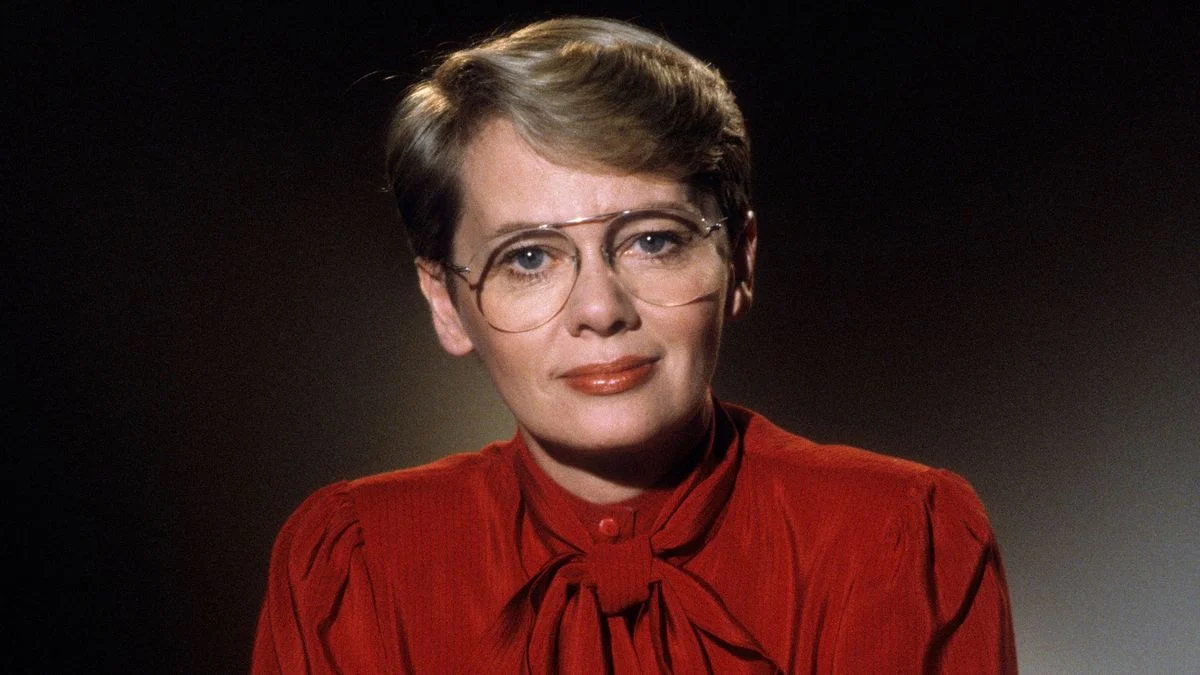
The long-running ARD Sunday crime staple, the Tatort from Franconia, has officially entered a new era. With the departure of the iconic Dagmar Manzel, who defined the series alongside Fabian Hinrichs for a decade, the show faced the daunting challenge of rebalancing its core dynamic. The latest installment, which aired this Sunday, serves as a "soft reboot," introducing Rosalie Thomass as the new investigative partner while grappling with themes of systemic abuse, the dark underbelly of the digital sex trade, and the office politics of the Nuremberg police force.
1. Main Facts: The Case of the Singing Victim
The narrative arc centers on the brutal murder of a young man whose body is discovered in a low-rent "stundenhotel"—a transient space where sex workers operate via anonymous WhatsApp arrangements. The victim, a talented drag performer who moonlighted as a singer, was found with a fatal neck wound.
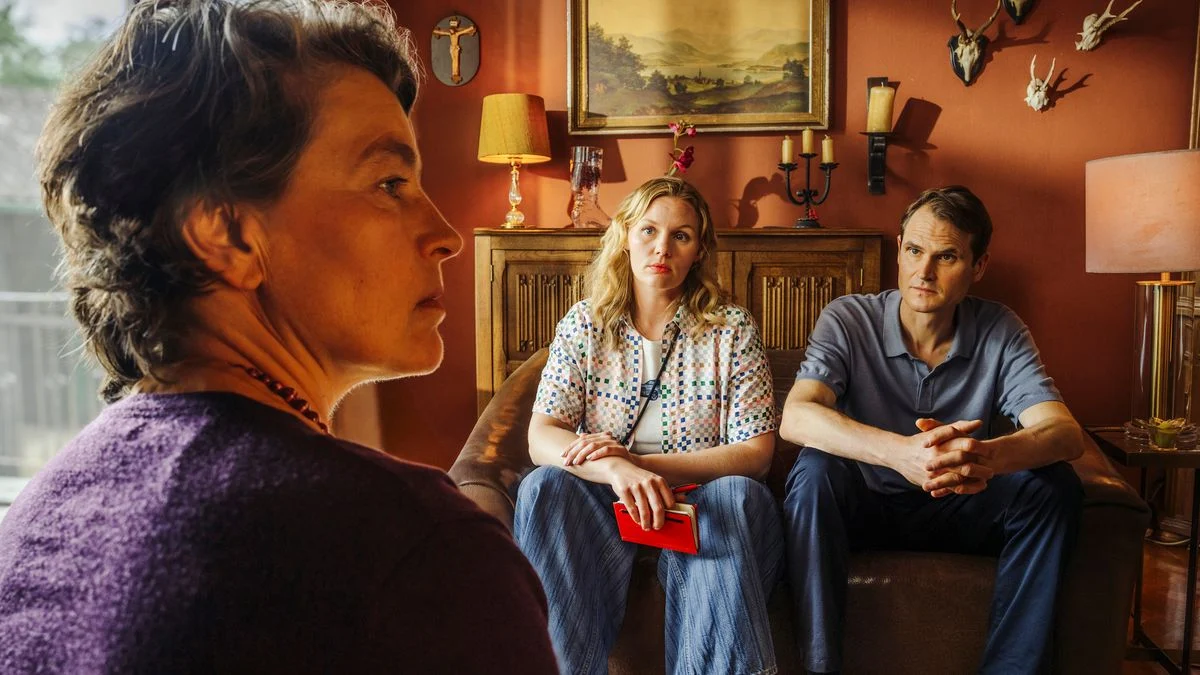
Felix Voss, played by Fabian Hinrichs, remains the emotional and intellectual anchor of the series. Known for his sensitive, often introspective approach to policing, Voss finds himself paired with Emilia Rathgeber (Rosalie Thomass), a colleague from Upper Bavaria. The investigation quickly moves from the grim reality of the city’s red-light district to the "Gottesgarten" region, a rural area of Franconia characterized by deep-seated traditionalism. As the investigation deepens, it becomes clear that the victim’s life was fractured: his family in the countryside had long denied his sexuality, and he carried the scars of a traumatic childhood incident that the local community had spent years suppressing.

2. Chronology: From the Gottesgarten to the Crime Scene
The structure of the episode follows a distinct path, mapping the victim’s journey from his rural upbringing to his ultimate death in the urban sprawl of Nuremberg.
- The Discovery: The episode opens with the discovery of the body. The cold, sterile environment of the crime scene contrasts sharply with the flamboyant, expressive life the victim led as a performer.
- The Introduction of Rathgeber: The arrival of Emilia Rathgeber creates immediate friction and eventual chemistry. Unlike the "platonic soulmate" dynamic Voss shared with his former partner, the relationship with Rathgeber begins with a tentative, almost fragile curiosity.
- The Investigation: The detectives trace the victim’s social circle, which ranges from elderly, lonely men to cynical, intoxicated students. Each interview peels back a layer of the victim’s life, revealing how he navigated the isolation of his existence through his art.
- The Confrontation: The investigation culminates in the rural Gottesgarten region. Here, the detectives confront the parents, whose denial of their son’s identity and the trauma he suffered serves as the episode’s moral centerpiece.
- Resolution: The case closes, but the emotional residue remains, marking a shift in the status quo of the Nuremberg police station.
3. Supporting Data: The Cost of Promotion
A significant sub-plot—and one that has drawn considerable attention from critics—is the treatment of Detective Wanda Goldwasser (Eli Wasserscheid). Since the inception of the Franken-Tatort in 2015, Goldwasser has been the steady, reliable backbone of the team, serving as the primary investigator for technical and factual data.
Following the departure of Dagmar Manzel’s character in 2024, many expected Goldwasser to be promoted to the lead position. However, the role was given to the newcomer, Rathgeber. In a poignant scene, the local precinct commander acknowledges the oversight, admitting that Goldwasser had been next in line after "ten years." Goldwasser’s sharp correction—"Eleven!"—crystallizes the frustration of those who serve in the shadows only to be bypassed by external appointments. This subplot adds a layer of realism to the show, highlighting the often-unspoken grievances of career law enforcement officers.
4. Official Responses and Artistic Intent
Director Dustin Loose, known for his ability to handle sensitive social topics with grace—most notably in his work regarding transgender visibility in the Polizeiruf 110 series—has brought a similar aesthetic to this Tatort.

The creative team behind the episode, led by screenwriter Constantin Lieb, clearly aimed to balance the "hard" procedural elements with "quiet" character moments. The scenes between Hinrichs and Thomass are the highlight, characterized by a slow-burn intimacy that avoids the clichés of typical police partner banter.
However, the episode has received mixed feedback regarding its depiction of the "provincial" versus "urban" divide. While the intimate character work is praised, some segments depicting the local party scene have been criticized as "flat" or "stereotypical." The use of the synth-pop track "Sentiment" by Better Person serves as a sonic bridge between the cold morning light of the crime scene and the melancholic reality of the victim’s life, underscoring the production’s commitment to atmosphere.
5. Implications: The Future of the Franken-Tatort
The transition from the Manzel-Hinrichs era to the new partnership marks a pivotal moment for the series.
The "Sensitivity" of Felix Voss
Felix Voss has always been a divisive character, often described as a "sensibilist with a badge." In this episode, his character is further humanized. During a quiet moment with Rathgeber, he confesses that his own mentor once performed as a drag artist—a revelation that highlights his personal capacity for empathy and his identification with the victim. This moment is not just filler; it defines the direction the series intends to take under the new lead.

A Commentary on Modern Prejudices
The depiction of the victim’s father is the episode’s most stinging critique of contemporary society. Dressed in traditional Bavarian vest, surrounded by hunting trophies and religious iconography, he represents a "pressure cooker of petit-bourgeoisie." His dismissive, hateful remark regarding his son’s murder—essentially blaming the victim for his own death—forces the audience to confront the lingering presence of bigotry in rural areas. It is a bleak, uncomfortable mirror held up to the viewer.
Critical Evaluation
With a rating of 6 out of 10, the consensus suggests that while the episode is a success in terms of emotional depth and performance, it struggles with the pacing of its own social commentary. The final act, in particular, suffers from a degree of theatrical over-dramatization that threatens to undermine the realism established in the first two acts.
Nonetheless, the "Franken-Tatort" remains one of the most intellectually stimulating entries in the ARD portfolio. The series has proven that it can survive the loss of its central pillar by focusing on the quiet, human moments that define the lives of its investigators and its victims alike. The question remains whether the show can move beyond the "martyrdom of the second row"—exemplified by Goldwasser’s struggle—to create a more cohesive and inclusive team dynamic in future installments.
Conclusion
As the dust settles on this transition, the audience is left with a sense of cautious optimism. The chemistry between Fabian Hinrichs and Rosalie Thomass is promising, rooted in a mutual respect that promises to develop further. If the production can maintain the delicate balance of the quiet, character-driven moments while tempering the "flatness" of its broader social critiques, the Franken-Tatort will undoubtedly continue to be a cornerstone of German Sunday night television. For now, the show has successfully navigated the most difficult hurdle: proving that there is still life in the Nuremberg office after the departure of a legend.