Byline: Editorial Staff
Date: June 17, 2026
The aesthetic of the football terrace has transcended its traditional boundaries, moving from the concrete stands of stadiums to the manicured runways of Paris, the high-street boutiques of London, and the viral feeds of TikTok. Once considered the uniform of the die-hard fan—often relegated to game days or casual pub visits—the football jersey has become an undisputed "It-piece" in the contemporary fashion lexicon.
This cultural shift is not merely a fleeting trend; it is a profound metamorphosis in how we define sportswear and personal style. As major apparel brands lean heavily into nostalgia, the boundary between athletic performance gear and high-end streetwear has effectively dissolved.
The Catalyst: From Subculture to Mainstream Mainstay
The ascent of the football jersey into the echelons of high fashion can be traced back to a specific, almost accidental, moment in global pop culture. When photographs of Kim Kardashian emerged, showing the reality star walking through a parking lot in a vintage 1997/98 AS Roma home jersey, the shift was immediate.
The shirt, a deep wine-red with classic orange accents—the very kit worn by a young Francesco Totti during his breakthrough season—was styled with sleek cycling shorts and oversized designer sunglasses. It was a juxtaposition of high-glamour leisure and grit. Almost overnight, the "Roma look" became a global sensation. Secondary market prices for that specific vintage jersey skyrocketed, and for the first time, people were purchasing kits for the aesthetic value rather than the sporting loyalty.
This phenomenon proved that the football jersey had successfully shed its "niche" status. It was no longer just about identifying with a club; it was about participating in a visual language of retro authenticity.
A Chronology of the "Blokecore" Phenomenon
To understand the current obsession, one must look at the timeline of its evolution:
- 2021 (The Genesis): TikTok content creator Brandon Huntley coined the term "Blokecore." Derived from the British slang "bloke" (a common term for a man) and the suffix "-core," it defined the aesthetic of pairing vintage football jerseys with baggy jeans and classic, flat-soled sneakers.
- 2023 (The Viral Tipping Point): The influence of celebrity endorsements, led by figures like Kardashian and various global rap icons, solidified the trend. Football references began appearing in song lyrics and music videos with increasing frequency.
- 2024–2025 (The Diversification): The aesthetic evolved into "Blokette," a stylistic hybrid that combines the masculine, sporty elements of football apparel with traditionally feminine details like lace, ribbons, and ruffled skirts. This fusion allowed the trend to reach a wider demographic, further decoupling the jersey from its original masculine-coded roots.
- 2026 (The Institutionalization): The trend has now been fully integrated into the strategies of major global sportswear manufacturers, who are producing collections specifically designed for the "retro-lifestyle" market.
Supporting Data: The Economics of Nostalgia
The financial implications of this trend are staggering. Major sportswear corporations have identified that the modern consumer is willing to pay a premium for a "vibe."
During the 2026 global tournament held across the United States, Mexico, and Canada, the economic impact was record-breaking. Adidas, for instance, reported that tournament-related revenue surpassed one billion euros. While the company remains discreet about the exact breakdown of kit sales, industry analysts estimate that lifestyle-focused jersey sales—items bought for fashion rather than professional support—account for a significant double-digit percentage of that total.
For the average consumer, the cost of entry is high. An authentic, current-season professional jersey now retails at a starting price of 100 euros, while rare, vintage pieces from the 1990s can fetch upwards of 225 euros on resale platforms. This pricing model confirms that football apparel is now viewed as an investment piece, similar to designer denim or limited-edition footwear.
Official Perspectives and Brand Strategy
Major manufacturers and clubs are no longer ignoring the lifestyle market. They are actively courting it.
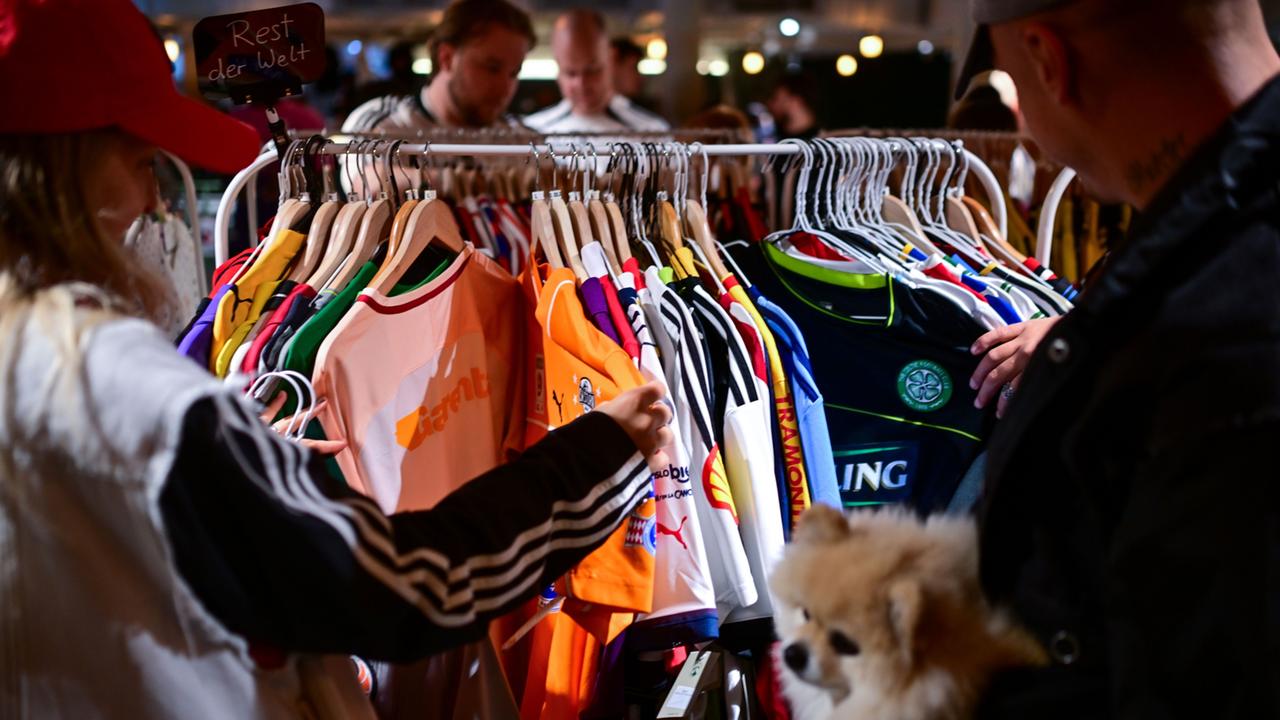
"We are seeing a convergence of identity," says an industry consultant specializing in sports marketing. "The kit is no longer just a team uniform; it is a canvas for cultural expression."
This is evident in the design language of current kits. The German national team’s 2026 home kit, which features sharp, geometric black-red-gold patterns on the chest, is a direct, conscious homage to the 1990 World Cup-winning jersey. Similarly, historical design elements are being recycled into "lifestyle collections" sold by clubs that have nothing to do with current match-day performance.
Clubs have realized that by releasing "Sondertrikots" (special edition kits) that lean into local history or vintage patterns, they can capture the attention of a younger, fashion-forward audience that may not even watch the sport.
Implications: The Future of the "Kit"
The implications of this trend are twofold. On one hand, it democratizes the style, allowing people from all walks of life to engage with the sport’s visual history. On the other, it creates a disconnect between the artifact and its origin.
The Dilution of Meaning
For purists, the commodification of the jersey is a point of contention. When a fan wears a shirt because it "pops" against their outfit, rather than because they understand the significance of the club’s crest, the traditional bond between fan and team is altered. However, clubs are often willing to trade this traditionalism for the massive influx of capital that comes with global brand exposure.
Beyond the Pitch
The "Blokecore" aesthetic has proven to be so powerful that it is now spilling over into industries that have zero connection to football. We are seeing tracks pants, jerseys, and even scarves appearing in merchandise lines for pop stars and, in some cases, museums and cultural institutions.
The trend is now so entrenched that it has become a shorthand for "cool." As one fashion critic noted, "If you want to reach the youth market today, you don’t necessarily need a billboard; you need a shirt that looks like it came out of a 1990s time capsule."
Conclusion: A Permanent Shift?
As we move through 2026, it is clear that the football jersey has secured its place in the permanent fashion rotation. While the specific silhouettes and trends may shift—from the baggy fits of the early 2020s to the more tailored, vintage-inspired looks of today—the core concept remains: the jersey is a powerful symbol of identity.
Whether it is a 1990s relic or a modern, high-tech piece, the football kit has successfully moved from the stadium to the street, and from the sport section to the fashion glossy. For the foreseeable future, the "colors" will continue to "pop," and the heritage of the sport will continue to be worn on the sleeves of the fashion-conscious, regardless of whether they know the offside rule or the history of the clubs they represent.
The football jersey is no longer just a garment; it is a global uniform for a generation that prizes the intersection of history, sport, and self-expression.