

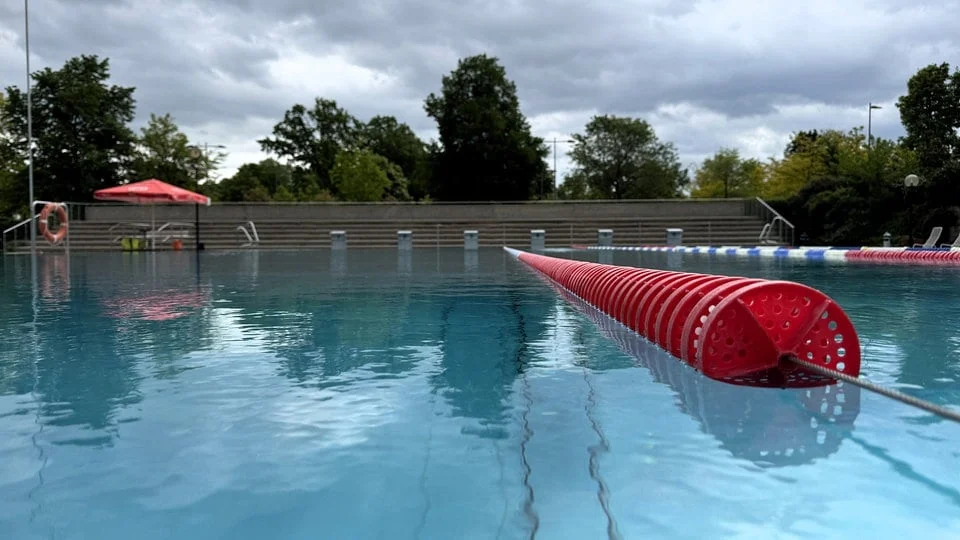
As temperatures begin to climb across Saxony, the city of Dresden is signaling the official start of the outdoor swimming season. Following a period of preparation and facility maintenance, the Dresdner Bäder GmbH—the municipal entity responsible for managing the city’s aquatic infrastructure—has announced a phased reopening schedule that will see the majority of the region’s popular bathing spots welcoming visitors by late May.
While residents look forward to the return of summer leisure, the season brings with it a noticeable shift in fiscal policy. For the first time in several years, visitors will encounter an increase in ticket prices, a change that officials attribute to rising operational costs and a commitment to facility improvements.
Chronology of the Reopening Schedule
The city’s approach to opening its aquatic facilities is calculated and staggered, allowing maintenance crews to finalize preparations at each specific site. The process began in earnest this week, providing an immediate relief for residents seeking respite from the rising spring temperatures.
The Immediate Reopenings
Effective this Wednesday, the city has opened the doors to the Kombibad Prohlis, a versatile facility catering to both indoor and outdoor enthusiasts. Simultaneously, two major open-air bathing areas, the Weixdorf and Weißig sites, have resumed operations. These locations serve as the primary hubs for early-season swimmers, acting as the vanguard for the wider rollout.
The Mid-May Expansion
The momentum continues on May 18, when the Strandbad Wostra joins the network. Known for its expansive beach-like setting and recreational amenities, the Wostra site is a cornerstone of Dresden’s summer social life.
The Late May Wave
The final phase of the reopening strategy is scheduled for May 29. On this date, the city will reach full capacity as the following facilities open their gates:
- Stauseebad Cossebaude: A reservoir-based swimming area popular for its natural surroundings.
- Naturbad Mockritz: A site celebrated for its chemical-free, natural water filtration.
- Freibad Wostra and Freibad Cotta: Essential community hubs for neighborhood recreation.
- Waldbad Langebrück: A forest-adjacent pool that offers a scenic escape from the urban heat.
- Luftbad Dölzschen: A historic site known for its elevated location and serene atmosphere.
Infrastructure Upgrades and Facility Enhancements
The Dresdner Bäder GmbH has emphasized that the increase in entry fees is not a detached fiscal decision, but rather one linked to the tangible improvements made across the pool network. In recent months, management has directed significant investment toward modernizing the guest experience.
At the Strandbad Wostra, for instance, the primary focus was on logistics and accessibility. The facility’s access roads have been fully resurfaced, ensuring smoother traffic flow for the thousands of families expected to visit during the peak summer months.
In the Kombibad Prohlis, the focus shifted to guest comfort. New, high-quality sunshades have been installed, providing essential protection against ultraviolet radiation during the height of the afternoon sun—a proactive health measure that aligns with modern safety standards.
Perhaps the most visible change for social media-savvy bathers can be found at Freibad Cotta. To enhance the aesthetic and comfort of the lounge areas, the management has introduced traditional "Strandkörbe" (wicker beach baskets). These iconic German beach chairs are intended to offer a touch of the North Sea coastline to the inland facility, catering to those who prefer lounging in style.
The Economics of Swimming: Understanding the Price Hike
Despite the allure of improved facilities, the financial reality of the 2024 season is that swimming in Dresden has become more expensive. The Dresdner Bäder GmbH has implemented a structured price adjustment that affects all visitors, albeit with varying degrees of impact depending on how they choose to purchase their tickets.
Breakdown of the Cost Increase
- General Admission: For visitors purchasing tickets at the counter, the price has increased by one euro across every ticket category. This flat-rate increase is designed to cover the surging costs of utilities, water treatment chemicals, and staffing requirements—all of which have seen significant inflation in Germany over the past eighteen months.
- The Digital Incentive: In an effort to reduce congestion at entrance kiosks and streamline entry, the Bäder GmbH is offering a partial subsidy for digital users. Those who book their tickets online will face a smaller increase of only 50 cents. This strategy is part of a broader municipal effort to digitize public services and reduce the administrative burden on on-site staff.
Official Responses and Strategic Rationale
The leadership of the Dresdner Bäder GmbH has been transparent regarding the necessity of these price hikes. In a recent press briefing, representatives noted that the decision was not taken lightly, particularly given the current economic climate in which many residents are facing increased costs of living.
"The objective is to maintain the high quality of our facilities while ensuring that we can cover the operational expenses that have risen sharply," a spokesperson for the board explained. "Investments like the new shade structures and the upgraded road infrastructure are essential to keeping these spaces safe and attractive. We believe that by offering a discount for online ticket holders, we are providing a path for families to mitigate the cost increases while simultaneously helping us modernize our ticketing operations."
The municipal government of Dresden has also backed these measures, emphasizing that public pools are not merely recreational venues, but critical infrastructure for public health and community cohesion. By keeping the pools open and well-maintained, the city ensures that all residents—regardless of their access to private swimming facilities—have a place to cool off during the increasingly frequent summer heatwaves.
Implications for the Local Community
The reopening of these pools marks a return to normalcy after the long winter months, but it also reflects the changing landscape of municipal management in Saxony.
Public Health and Social Well-being
The availability of public swimming pools is a vital public health component. With climate change leading to more intense summer heat in urban environments like Dresden, these pools act as "cool-down centers." For many families, the local pool is the primary affordable vacation option, making the maintenance of these sites a matter of social equity.
The Shift Toward Digitization
The price discrepancy between counter sales and online tickets highlights a growing trend in municipal operations. By incentivizing the use of digital platforms, the city is gathering more accurate data on attendance patterns. This data will be instrumental in future planning, allowing the Bäder GmbH to allocate staff more efficiently during peak hours and reduce the carbon footprint associated with physical paper ticketing.
Challenges Ahead
Despite the upgrades, the city remains wary of the challenges that lie ahead. Staffing, particularly in the role of certified lifeguards, remains a competitive market. The Bäder GmbH has been actively campaigning to recruit enough seasonal staff to ensure that all pools can remain open at full capacity. Any shortage of qualified personnel could potentially lead to restricted opening hours later in the season—a risk that the management is working to mitigate through competitive wages and training programs.
Conclusion
As Dresden prepares for the summer season, the message from the municipal authorities is one of optimism tempered by fiscal responsibility. The reopening of the pools is a celebrated milestone in the city’s calendar, symbolizing the transition into the vibrant months of summer.
While the increased entry fees may require some adjustment for residents, the promise of improved amenities and a fully operational network of pools provides a compelling reason to participate. Whether it is the shade provided at Prohlis, the comfort of a beach basket in Cotta, or the rustic appeal of the forest pools in Langebrück, Dresden’s aquatic infrastructure remains a testament to the city’s commitment to providing high-quality public space.
As the mercury rises, the citizens of Dresden will soon find themselves once again by the water, marking the official start of a season that, despite its costs, remains a cornerstone of the regional identity. For those planning their summer outings, the advice from the city is clear: book online, prepare for a busier-than-usual season, and enjoy the improvements that your entry fees have helped to facilitate.












Leave a Reply