For more than 200 people, it was meant to be the ultimate escape—a life of perpetual travel, luxury, and horizon-chasing aboard the Villa Vie Odyssey. They were the modern-day nomads, individuals who had sold their homes, liquidated their assets, and said goodbye to their former lives to commit to a multi-year, continuous circumnavigation of the globe. But instead of sun-drenched ports and the promise of endless adventure, their journey has concluded in the most abrupt and distressing manner imaginable: stranded in the port city of Sihanoukville, Cambodia, as their floating home sailed away without them.
The collapse of the Villa Vie Odyssey mission is not merely a logistical failure; it is a profound human interest story that highlights the perils of luxury travel startups and the vulnerability of those who put their faith—and life savings—into the hands of opaque corporate entities.
The Dream of the "Endless Cruise"
The concept behind Villa Vie Residences, a Florida-based company, was seductive in its simplicity: a "residential" cruise ship where passengers weren’t just tourists, but stakeholders in an odyssey. The marketing was tailored to retirees and those with the means to untether themselves from the terrestrial world. For tens of thousands of dollars, passengers bought into a lifestyle that promised to visit every corner of the globe, with the Odyssey acting as a rolling (or rather, floating) community.
For many, this was the culmination of a lifetime of work. Participants spoke of selling family homes, cars, and businesses to fund their berths. The attraction was the convenience of luxury living coupled with the adventure of constant movement. However, the reality behind the polished brochures was far more volatile.
Chronology of a Collapse
The crisis reached its boiling point last week in the Cambodian port of Sihanoukville. According to local authorities and passengers alike, the dream effectively ended when Villa Vie Residences abruptly suspended operations.
The timeline of the debacle:
- The Lead-up: Throughout the journey, whispers of financial instability had occasionally surfaced among the passengers, though many remained optimistic, believing the operation to be a secure, long-term venture.
- The Sihanoukville Stop: Upon docking in Cambodia, the situation shifted from a cruise to a crisis. Management informed the passengers that the operation was no longer financially viable.
- The Justification: The company cited surging fuel costs, which they attributed to the ongoing conflict in the Middle East, as the primary catalyst for the shutdown. They claimed that the sheer cost of bunkering had made the voyage "unaffordable."
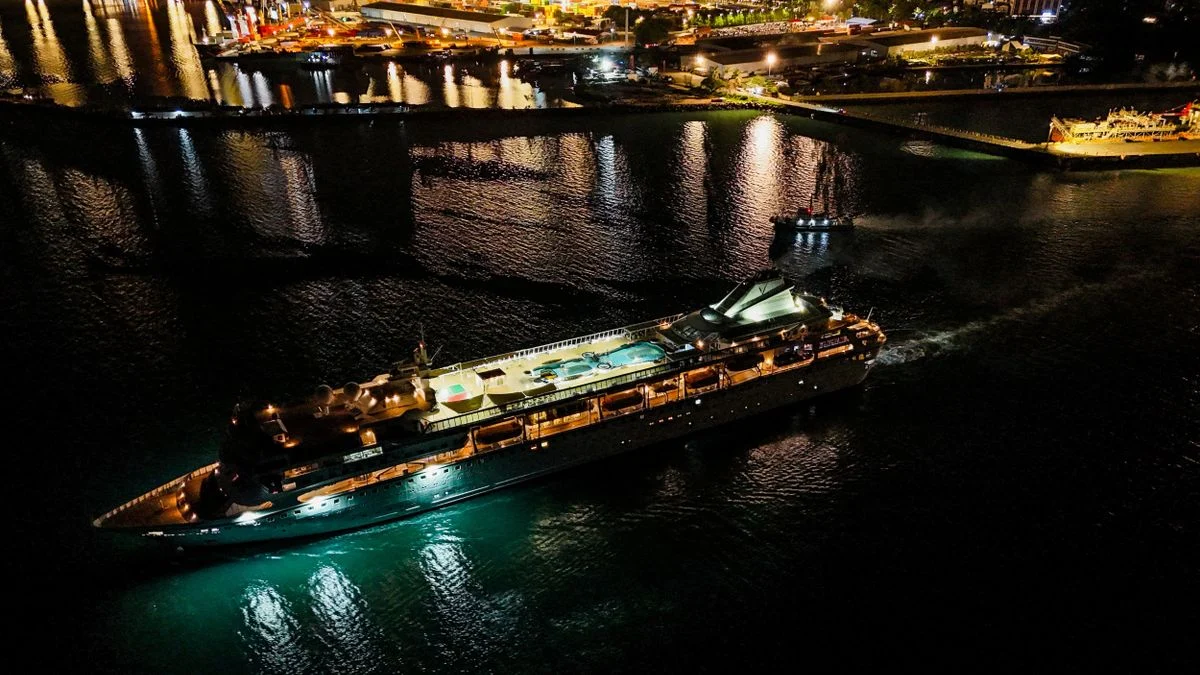
- The Departure: In a move that shocked the onboard community, the ship departed the port with only its crew of roughly 50, leaving over 100 passengers abandoned on the docks of Sihanoukville.
- The Aftermath: By Tuesday, the final passengers were seen retrieving their remaining personal belongings from the vessel, many with the somber realization that they would never step foot on the Odyssey again.
The Human Cost: Voices from the Dock
The lack of communication from the company has been a primary source of anger and confusion for the stranded passengers. Mary Ann Demsar, a 67-year-old retired high school teacher from Ontario, Canada, became one of the most vocal faces of the disaster.
Speaking to the news agency Reuters, Demsar described a state of absolute information vacuum. "We receive absolutely no clear indications from the operators of ‘Villa Vie’ about what is currently happening," she stated, noting that the only reliable information they had received came from local Cambodian officials, not the company they had paid for their new lives.
Demsar’s sentiment is echoed by others who, having burned their bridges back home, are now finding themselves in an administrative and financial purgatory. Some have begun the process of flying to other regional destinations, while others remain in Cambodia, uncertain of their next move or how to recoup the significant sums invested in their "endless" journey.
Supporting Data and Financial Context
The Villa Vie Odyssey project was predicated on a model that assumed predictable global fuel markets and stable operational costs. However, the maritime industry has faced significant headwinds in recent years. Fuel prices, influenced by geopolitical tensions in the Middle East and the volatility of the global energy market, have hit cruise operators particularly hard.
Yet, experts in the maritime industry point out that while fuel costs are a valid concern, they rarely lead to the sudden, overnight abandonment of passengers in a foreign port unless there is an underlying, more systemic financial crisis. The company, Villa Vie Residences, has remained silent in the face of these developments. Despite multiple attempts by international media to elicit a comment, the company has offered no formal statement, no roadmap for refunds, and no explanation for the decision to sail away with the vessel while leaving the customers behind.
Official Responses and Maritime Implications
Taing Sochitkrishna, the head of the Sihanoukville Tourism Department, confirmed that the ship departed with only its core crew. According to local authorities, roughly 100 passengers were left to fend for themselves in Cambodia. The local government has acted as a reluctant intermediary, helping to facilitate the departure of those who have managed to secure alternative travel arrangements.
From a legal perspective, the situation is a nightmare. The passengers are scattered, their contracts are likely under complex international maritime law, and the company’s assets are currently on the move. While ship-tracking data suggests the Odyssey may be heading toward Singapore, there is no official confirmation of its final destination or whether it plans to resume operations under a different model or owner.
The Broader Implications for the "Residential Cruise" Industry
The failure of the Villa Vie Odyssey serves as a cautionary tale for the burgeoning sector of residential cruise ships. While the dream of living at sea is a potent one, the reality is that passengers are essentially investing in a startup that is subject to the same economic forces as any other business, but with far higher risks.
When a land-based residential development fails, the owners at least retain title to their property. When a residential cruise ship fails, the "owners" are often left with nothing more than a breach-of-contract claim against a potentially insolvent entity, often registered in a jurisdiction that makes legal recourse nearly impossible.
The psychological toll on the passengers cannot be overstated. For many, this was not just a vacation; it was their retirement plan. Having liquidated their homes and cars, many find themselves not only stranded in a foreign country but also facing a future of financial precarity.
Conclusion: A Ship Without a Compass
As the Villa Vie Odyssey sails toward an unknown port, it leaves behind a wake of broken promises and disillusioned travelers. The lack of transparency from Villa Vie Residences has transformed a business failure into an ethical one.
For the stranded, the immediate priority is survival and repatriation. For the industry, the disaster raises critical questions about consumer protection, the regulation of residential cruise models, and the accountability of companies that promise a life at sea while failing to provide a safe harbor for their passengers. The odyssey, it seems, has reached a destination no one booked: a quiet, uncertain end in a corner of the world far from home.