By Daniela Schmidt
"The vultures are circling over Germany!" To the uninitiated, this phrase might sound like a cynical metaphor for the current state of the national economy. However, for ornithologists and nature enthusiasts across the country, it is a statement of literal fact. Over the past several weeks, reports of Griffon Vultures (Gyps fulvus)—massive, scavengers synonymous with the rugged landscapes of the Mediterranean—have surged across Central Europe. From the forested hills of Hesse and the picturesque Edersee to the plains of Saxony and Thuringia, these avian giants have been spotted in record numbers, sparking both fascination and concern.
But what brings these masters of the thermal draft so far north? Are they harbingers of environmental shifts, or merely nomadic travelers on an epic journey?
The Anatomy of a Giant
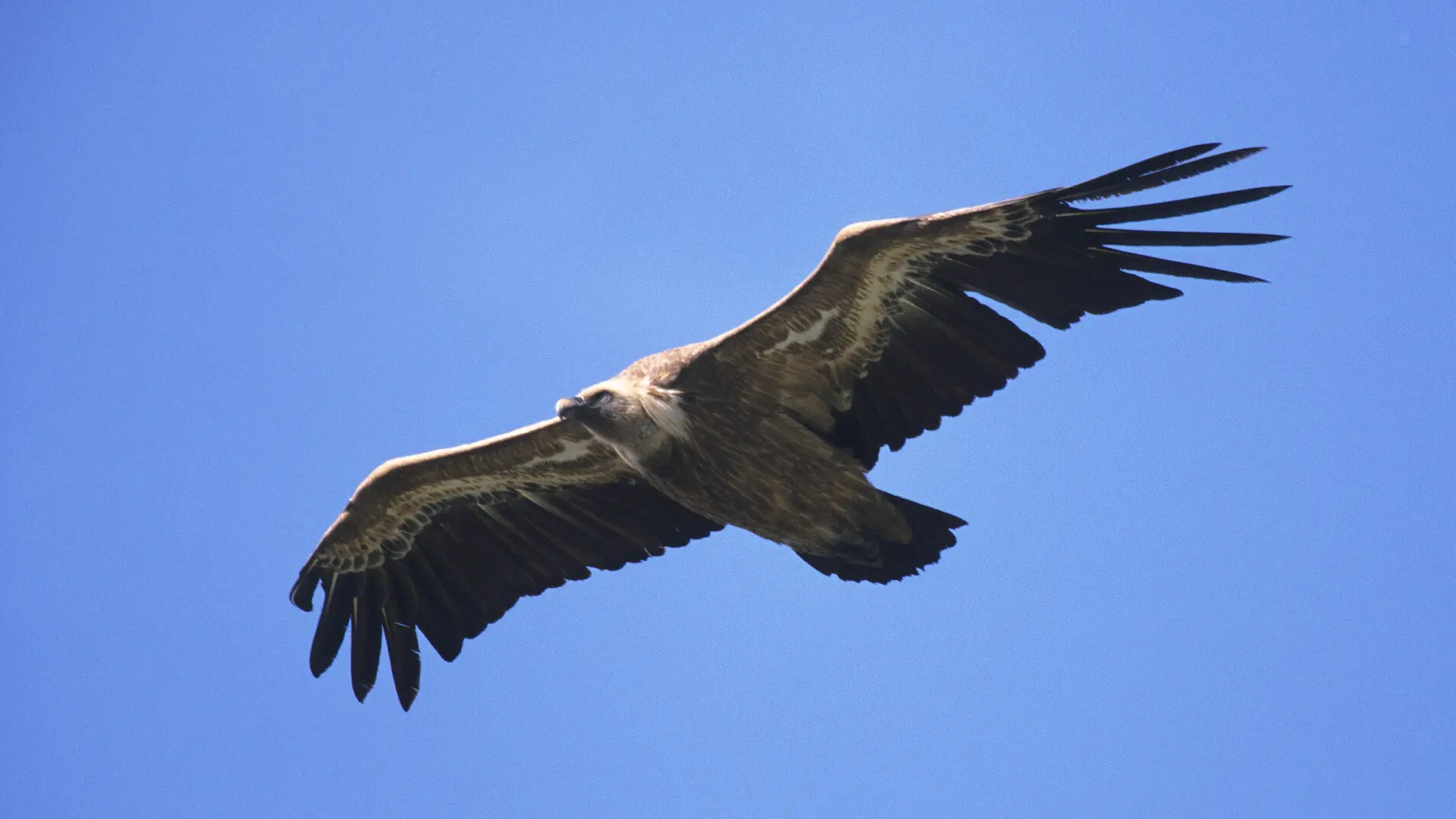
The Griffon Vulture is a sight that commands respect. With a wingspan reaching up to 2.60 meters, it dwarfs native raptors like the Common Buzzard or the Red Kite. Even the majestic Sea Eagle and Golden Eagle, the undisputed kings of the German skies, look diminutive when compared to the silhouette of a mature Griffon.
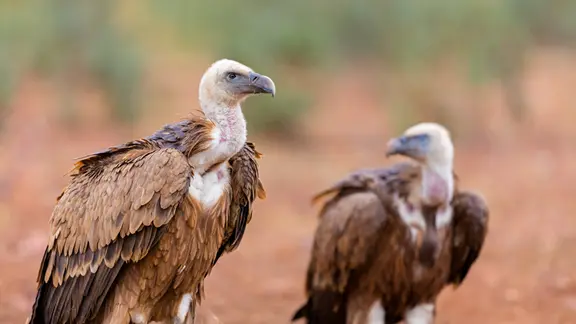
Their appearance is distinct: a brownish, mottled plumage covering a heavy frame, topped by a long, snake-like neck that is almost entirely devoid of feathers—an evolutionary adaptation for reaching deep into the carcasses they consume. Seeing one of these birds soaring effortlessly at high altitudes is a rare treat for birdwatchers, who are accustomed to smaller, more localized predators.
Chronology of an Unexpected Migration
While recent headlines have framed these sightings as a "phenomenon," ornithologists suggest that this behavior is deeply rooted in the species’ history. According to Martin Rümmler, a bird conservation expert at the NABU (Nature and Biodiversity Conservation Union) federal association, the presence of the Griffon Vulture in Germany is not entirely unprecedented.
Historical records indicate that the species once bred as far north as the Swabian Alb until the 18th century. Following their near-disappearance from Central Europe due to human encroachment and habitat loss, the birds retreated to the Iberian Peninsula and North Africa.
"It is part of the natural behavior of the Griffon Vulture to go on a journey," explains Rümmler. "Especially among juvenile birds, there is a natural urge to explore. They embark on wide-ranging reconnaissance tours, and it is entirely within their biological capacity to end up in Central Europe, or even as far north as the Baltic Sea."
The current wave of sightings began in late spring, coinciding with the warming of the atmosphere across the continent. As these young birds leave their nesting grounds in Spain—where populations have rebounded to an estimated 30,000 breeding pairs—they utilize their massive wings to traverse the continent.
The Physics of Flight: Why Now?
The arrival of the vultures is largely a matter of meteorology. Griffon Vultures are the masters of energy-efficient travel; they are specialized "soar-and-glide" birds. Rather than flapping their wings, which would expend precious caloric energy, they rely on thermals—rising columns of warm air—to gain altitude.
"They are dependent on thermals to fly in an energy-saving manner," says Rümmler. "The warmer it gets, the more thermal updraft is created. If you combine that with favorable wind patterns, these birds can cover 300 to 400 kilometers in a single day with minimal effort."
This explains the timing. As Central Europe experiences warmer, more intense summer weather, the "thermal highway" from the south becomes more accessible. For a bird that can glide for hours without a single wingbeat, the distance between the Pyrenees and the German lowlands is less of a barrier and more of an extended corridor.
Supporting Data: Hunger or Wanderlust?
While migration is natural, some experts point to a more pragmatic reason for the trek: food security. In Southern Europe, where populations have thrived due to successful conservation efforts, the pressure on local food sources—carrion—has increased.
"When populations in Southern Europe become too large, the competition for food intensifies," notes Rümmler. "The birds are forced to range further afield to find carcasses. If the food supply in their home range is insufficient or the density of competition is too high, the instinct to disperse becomes stronger."
This population density, combined with the favorable thermal conditions of a warming climate, creates a perfect storm that drives these birds northward. They are not intentionally migrating to Germany; they are simply following the path of least resistance and the promise of sustenance.
The Hannover Incident: A Rare Anomaly
The public fascination with these visitors turned to apprehension recently following an incident in the Hannover region. A Griffon Vulture was observed targeting a stork nest, successfully driving away the parents and consuming the nestlings.
The image of a scavenger attacking a live nest went viral, prompting fears that these birds might pose a threat to local wildlife, livestock, or domestic animals. However, conservationists are quick to caution against alarmism.
"This is an absolute exception," stresses Rümmler. "Griffon Vultures are specialized scavengers. They have a sharp beak designed to tear open tough hides and consume decaying meat, but they lack the talons and the predatory instinct to hunt live prey. For a vulture to attack a nest, a multitude of highly unusual factors must align."
Rümmler emphasizes that the digestive and behavioral systems of the Griffon Vulture are tuned to Aas (carrion). They are the "cleanup crew" of the ecosystem, not apex predators. The likelihood of a vulture attacking a healthy, medium-sized animal or a pet is statistically negligible.
Implications for the Future
The arrival of these majestic birds brings both challenges and opportunities. For the public, it is an invitation to engage with nature in a profound way. For scientists, it is a data point in the ongoing study of how climate change and shifting environmental conditions influence the migratory patterns of large fauna.
As the summer progresses, these birds are expected to continue their trek. "The animals do not stay in one place for long," explains Rümmler. "They are transients. They will move on as the weather patterns shift and as they search for new areas. It is a beautiful observation, and we should consider ourselves lucky to witness them in the German sky."
Conclusion: A Call for Citizen Science
For those fortunate enough to catch a glimpse of these soaring giants, experts encourage reporting the sightings. By documenting where these birds are spotted, how long they stay, and what behavior they exhibit, the public can help ornithologists piece together the puzzle of this summer’s "vulture invasion."
If you have been lucky enough to spot a Griffon Vulture, keep a respectful distance. Use binoculars to admire their massive span and their distinct, bald-headed profiles. While they may look intimidating, they are merely travelers—temporary guests in our landscape, playing their vital role as nature’s recyclers.
The return of the vulture to the German skies, even if temporary, serves as a poignant reminder of the interconnectedness of our continent’s ecosystems. Nature, it seems, has a way of returning to the places it once called home, provided the winds and the warmth remain in its favor.
Note: If you have documented a sighting or possess photographs of these birds, the local ornithological societies and the NABU encourage you to submit your data to help monitor their progress across the region.