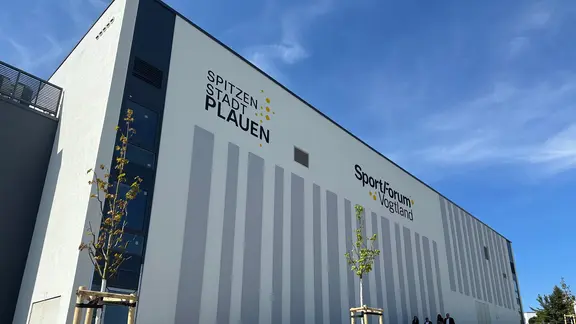
PLAUEN, GERMANY – In a significant boost for regional sports infrastructure and youth engagement, the city of Plauen is currently witnessing the transformation of a corner within the "Sportforum Vogtland" into a vertical playground. The ongoing installation of a twelve-meter-high climbing tower marks the realization of a long-standing ambition for the local section of the German Alpine Club (DAV), promising to serve as a hub for both competitive athletes and curious beginners.
As of late June 2026, the interior of the XXL-sports hall, typically echoing with the sounds of traditional court sports, has been replaced by the rhythmic buzz of power tools and the scent of freshly cut timber. The project, which represents a €150,000 investment, is designed to tap into the surging popularity of climbing as a lifestyle sport while providing a permanent, weather-independent facility for the Vogtland region.
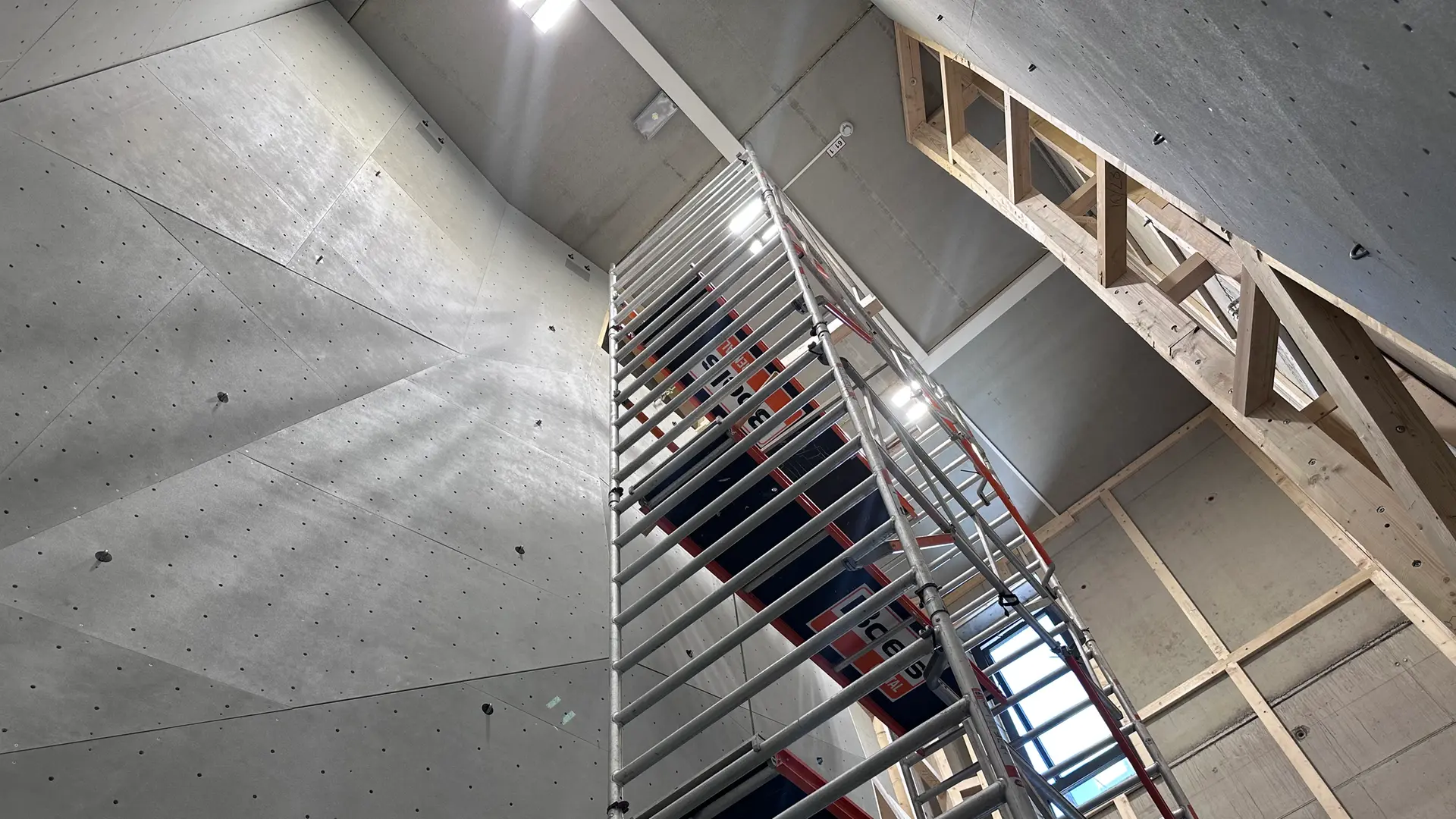
The Engineering Challenge: A Puzzle in the Clouds
The construction of such a facility within an existing building is far from a standard assembly project. According to René Morgenstern, head of the Plauener section of the German Alpine Club, the project is a testament to precision engineering in a confined space.
"We are essentially working with a complex timber-frame construction that is being meticulously anchored to the existing concrete load-bearing structures," Morgenstern explains. The design requires a high degree of adaptability. Because the tower must simulate the varied topography of natural rock, the wooden framework is being installed at varying distances from the wall. This allows for the creation of artificial overhangs, slopes, and technical sections that challenge even experienced climbers.
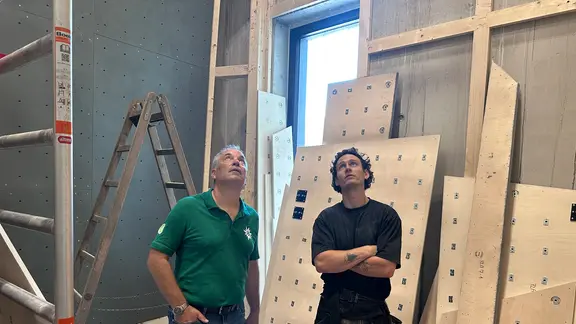
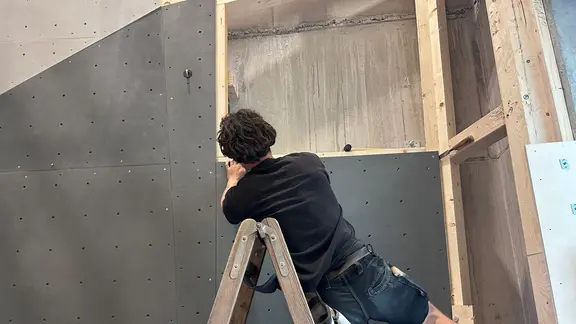
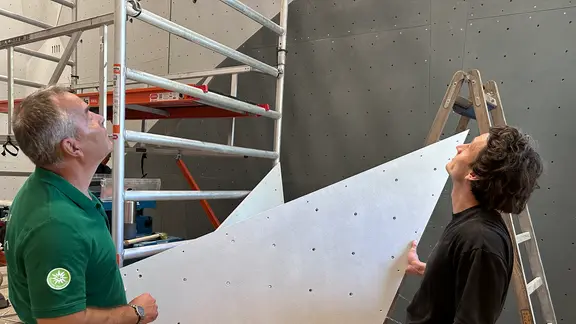
Monteur Sebastian Niesch, who is spearheading the installation alongside a specialized team, describes the process as "a high-stakes puzzle." With a limited footprint of only 30 square meters, the use of heavy machinery is impossible. "Everything you see—from the base frame to the final hold—is being positioned using roll scaffolding. It’s manual labor in the truest sense of the word. Because wood is a living material that shifts and reacts to the environment, we are constantly making micro-adjustments to ensure the integrity of the surface plates," Niesch noted.
Chronology of Development
The project has moved from concept to reality over a span of several months, following a strategic decision by the local DAV leadership to seize an opportunity for facility expansion.
- Early 2026: Feasibility studies were completed, and a long-term lease agreement for the space within the Sportforum Vogtland was finalized with the city of Plauen.
- May 2026: Procurement of materials and specialized modular climbing panels began, alongside the clearing of the designated hall space.
- June 2026: Primary installation of the structural timber frame commenced. The site became an active construction zone, drawing interest from local sports enthusiasts.
- Late July – August 2026: Final safety checks, panel securing, and the installation of safety belay systems are slated to take place.
- September 2026 (Projected): Official inauguration and opening to the public.
Supporting Data and Technical Specifications
The facility is designed to maximize verticality within a constrained horizontal space. Reaching a height of twelve meters, the tower provides a substantial range of motion. Despite the height, the club emphasizes that safety remains the primary design principle.
- Investment Cost: €150,000.
- Lease Duration: A 20-year commitment with the city of Plauen, ensuring the longevity of the facility.
- Safety Infrastructure: The tower is equipped with top-rope systems that ensure climbers are secured from the moment they leave the ground. "There is no reason for anyone to fear the height," says Morgenstern. "The safety line is anchored above. If you slip, you simply settle into the harness."
- Capacity: While the footprint is small (30 sqm), the design maximizes the "climbable" surface area through intricate wall geometry.
Official Perspectives: A Catalyst for Growth
René Morgenstern views the tower not merely as an amenity for existing members, but as a "magnet for the next generation."
"Climbing is currently experiencing a massive boom across Germany," Morgenstern observes. "Every section of the Alpine Club that has invested in a climbing wall has reported a significant uptick in membership numbers. It is a sport that builds character, physical coordination, and social cohesion among young people."
The Alpine Club’s strategy involves more than just providing a wall; it includes a commitment to professional oversight. Unlike open-access municipal playgrounds, the facility will be staffed during operating hours. This is intended to ensure that newcomers are taught the correct safety protocols, fostering a culture of responsible climbing.
"The city has been an excellent partner in this," adds Morgenstern. "They recognized the value of keeping our youth active and engaged in modern sports. We knew this was a once-in-a-lifetime opportunity for our section, and we had to move quickly to make it happen."
Implications for the Plauen Community
The completion of the climbing tower is expected to have several long-term effects on the local sporting landscape:

1. Diversification of Sports Infrastructure
Plauen has long been known for its traditional athletics and ball sports. The introduction of an indoor climbing facility diversifies the city’s offering, providing a niche for those who prefer individual, skill-based sports over team-based games. This is particularly relevant during the winter months, when outdoor climbing in the Vogtland region is curtailed by weather.
2. Economic and Social Impact
By investing €150,000, the local DAV is making a significant economic statement. The facility will likely serve as a venue for regional climbing competitions, potentially drawing athletes and their families from across Saxony and neighboring Thuringia. This influx of visitors can have a modest but positive effect on local services and businesses near the Sportforum.

3. Safety and Education
Perhaps the most critical implication is the shift in how young people in Plauen approach high-altitude activities. By providing a safe, supervised environment, the club is effectively reducing the risks associated with "unregulated" urban climbing or dangerous outdoor practices. The center will function as an educational hub where the emphasis is on technique, safety, and respect for equipment.
4. Regional Identity
Vogtland is a region with a strong appreciation for its natural beauty and topography. The construction of the tower links this love for the outdoors with modern urban living. As Niesch noted, "The way people are building these walls now, it’s not just about getting to the top. It’s about the aesthetic of the movement. It’s about bringing the spirit of the mountains into the city."
Conclusion
As the finishing touches are applied to the wooden frame in Plauen, anticipation continues to grow. For the city, the twelve-meter tower is more than a structure of timber and bolts; it is a symbol of a community looking upward. By blending the technical requirements of high-level climbing with the accessibility of a public sports facility, Plauen is positioning itself as a modern, youth-focused destination in the heart of the Vogtland.
If the current momentum holds, September will mark not just the end of a construction project, but the beginning of a new chapter for the local athletic community—one defined by personal growth, vertical challenge, and the continued revitalization of the Sportforum Vogtland.