WALDORF, Germany — SAP SE, the titan of European enterprise software, has delivered a performance that underscores its successful transformation into a cloud-native powerhouse. By exceeding market expectations in the third quarter of the fiscal year, the Walldorf-based company has not only validated its long-term strategic shift but has also signaled to investors that it can maintain operational discipline while scaling its high-growth business segments.
The software giant reported a robust 13 percent increase in total revenue, reaching 10.3 billion euros for the third quarter. Following the announcement, investor sentiment remained bullish, with SAP shares trading at 212 euros by Thursday afternoon—an appreciation of approximately 2.5 percent. This movement reflects a growing market confidence in the company’s ability to navigate the complexities of the digital transformation era.
The Strategic Shift: Cloud Dominance and Financial Discipline
At the heart of SAP’s current success is its aggressive transition to a cloud-first model. The company has moved away from traditional, one-off license sales to a recurring subscription-based revenue stream. This model, while requiring significant initial investment and operational restructuring, is now paying dividends as the “Cloud Backlog” continues to swell.
Key Financial Metrics at a Glance
- Total Revenue: €10.3 billion (+13% year-over-year).
- Cloud Revenue: €6.7 billion (+26% year-over-year).
- Current Cloud Backlog (CCB): €24.1 billion (+28% year-over-year).
- Share Price Performance: ~2.5% increase post-announcement.
The 28 percent growth in the Current Cloud Backlog—a key forward-looking metric that tracks the volume of business expected to be recognized as revenue within the next twelve months—is perhaps the most significant indicator of SAP’s future health. It demonstrates that the demand for SAP’s cloud infrastructure is not a temporary spike, but a sustained shift in how global enterprises manage their data and operations.
A Chronology of Progress: How SAP Found Its Momentum
The road to this quarter’s results was paved by years of strategic planning and, at times, difficult decision-making. To understand the current success, one must look at the timeline of SAP’s evolution under the leadership of CEO Christian Klein.
2020–2021: The Strategic Pivot
When Christian Klein took the helm as sole CEO, he signaled a departure from the legacy on-premise business model. The company began incentivizing customers to migrate to the S/4HANA ecosystem, a move that was initially met with skepticism by some traditionalists in the IT sector.
2022–2023: The Integration of AI and Cloud Infrastructure
SAP accelerated its investment in the Business Technology Platform (BTP). By creating a unified cloud environment, SAP enabled customers to modernize their operations while maintaining the security and customization options they were accustomed to in legacy systems.
Q3 2024: Realizing the Benefits
The third quarter of 2024 represents a "coming of age" moment for this strategy. The convergence of AI-driven tools, cloud migration, and the maturation of the S/4HANA adoption cycle has resulted in the financial windfall reported this week.
The "S/4HANA Effect": Driving the Digital Transformation
A crucial component of SAP’s recent success is the widespread migration of its existing customer base to S/4HANA. This is not merely an optional upgrade; it is a necessity for many global corporations looking to remain competitive in an increasingly automated and data-driven market.
Why the Migration Matters
The adoption of S/4HANA is driven by a two-pronged motivation:
- Technological Obsolescence: SAP has been systematically phasing out support for its older, on-premise legacy products. This "ticking clock" has forced a large segment of the customer base to migrate to avoid security risks and lack of support.
- Modernization and Innovation: S/4HANA is the foundation for SAP’s newer AI features and cloud services. Companies that want to integrate advanced analytics, machine learning, and real-time processing into their workflows find that they must move to the cloud to unlock these capabilities.
Because these modern applications reside almost exclusively in the cloud, SAP is effectively capturing a larger "share of wallet" from its long-term clients.
Official Perspectives: Leadership Weighs In
The internal sentiment at SAP headquarters is one of measured triumph. The leadership team is eager to emphasize that the growth is not merely a result of favorable market conditions, but the outcome of rigorous internal cost management and a refined product roadmap.
CFO Dominik Asam on Operational Efficiency
Finance Chief Dominik Asam highlighted the company’s ability to achieve what many tech firms struggle with: simultaneous growth and margin expansion. “We have proven that we can scale our revenue while maintaining a disciplined approach to our cost base,” Asam stated. This focus on "disciplined cost management" is a departure from the "growth at all costs" mentality often seen in the Silicon Valley tech sector, signaling a more mature, value-oriented approach to financial governance.
CEO Christian Klein’s Vision
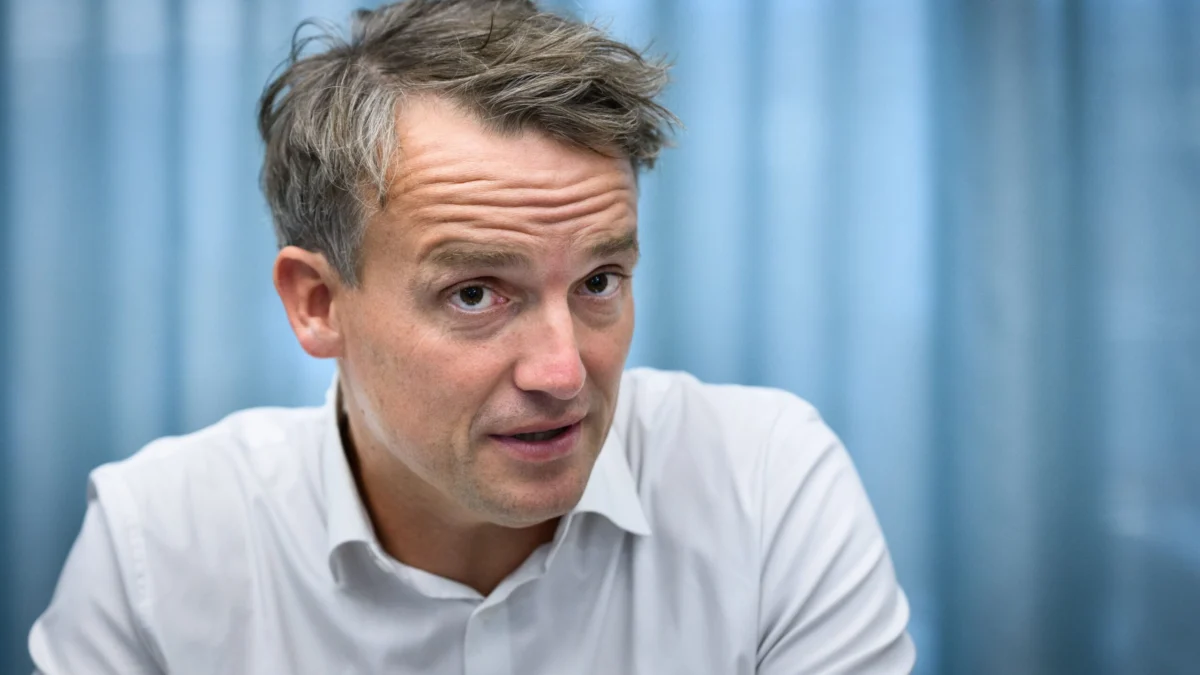
CEO Christian Klein described the results as an “excellent third quarter.” Klein has been the architect of the cloud-only push, and his focus remains on making SAP the "digital backbone" of global supply chains and human resource management. By integrating AI into the core of their offerings, SAP is positioning itself to be more than just a software provider; they aim to be an indispensable utility for the modern enterprise.
Implications for the Broader Tech Landscape
The success of SAP serves as a bellwether for the European and global enterprise software market. It suggests several key takeaways for the industry:
1. The Death of the Perpetual License
The shift away from traditional software licensing is now effectively complete for major enterprise vendors. The industry has reached a tipping point where the subscription model is the standard, providing companies like SAP with the recurring revenue required to fund massive R&D projects, particularly in the fields of Generative AI and automated business processes.
2. The Resilience of Enterprise Spending
Despite macroeconomic headwinds, inflation, and geopolitical uncertainty, enterprise spending on IT infrastructure remains remarkably resilient. SAP’s growth indicates that companies are prioritizing digital transformation as a means to cut costs and increase efficiency, rather than treating IT budgets as "discretionary" spending to be cut during downturns.
3. The "Cloud Migration" Runway
While SAP has made significant progress, the company still has a vast base of customers that have yet to fully complete their transition to the cloud. This provides a "long tail" of revenue potential. As long as the company maintains its current trajectory, analysts anticipate that the CCB (Current Cloud Backlog) will continue to grow, providing a clear roadmap for revenue growth well into the next decade.
Looking Ahead: Challenges and Opportunities
While the current figures are impressive, SAP is not without challenges. As the company grows, it must manage the risks associated with large-scale cloud migrations for its clients, ensure the security of its integrated cloud platforms, and maintain the pace of innovation in a highly competitive AI landscape.
Competitors like Oracle, Microsoft, and Salesforce are all vying for the same enterprise dollars, often by touting their own AI-integrated cloud suites. SAP’s competitive advantage lies in its deep, granular knowledge of complex business processes—from manufacturing logistics to global payroll—which are often more intricate than the general-purpose business applications offered by competitors.
The Path Forward
In the coming quarters, investors will be watching to see if SAP can maintain its operating margins while continuing to invest in AI. The market expects the company to move beyond just "migrating" customers to "monetizing" them through premium AI services and advanced platform modules.
As the fiscal year draws to a close, SAP stands in a position of strength. With a backlog of over 24 billion euros and a strategy that aligns perfectly with the current demands of the global market, the company is well-prepared for the challenges ahead. For the analysts and investors who have followed the company’s decade-long transformation, the Q3 results are not just a one-off success; they are the validation of a strategy that has successfully redefined a German industrial giant for the digital age.
Disclaimer: This report is for informational purposes only and does not constitute financial advice. Investors should consult with a professional financial advisor before making any investment decisions based on market performance data.