


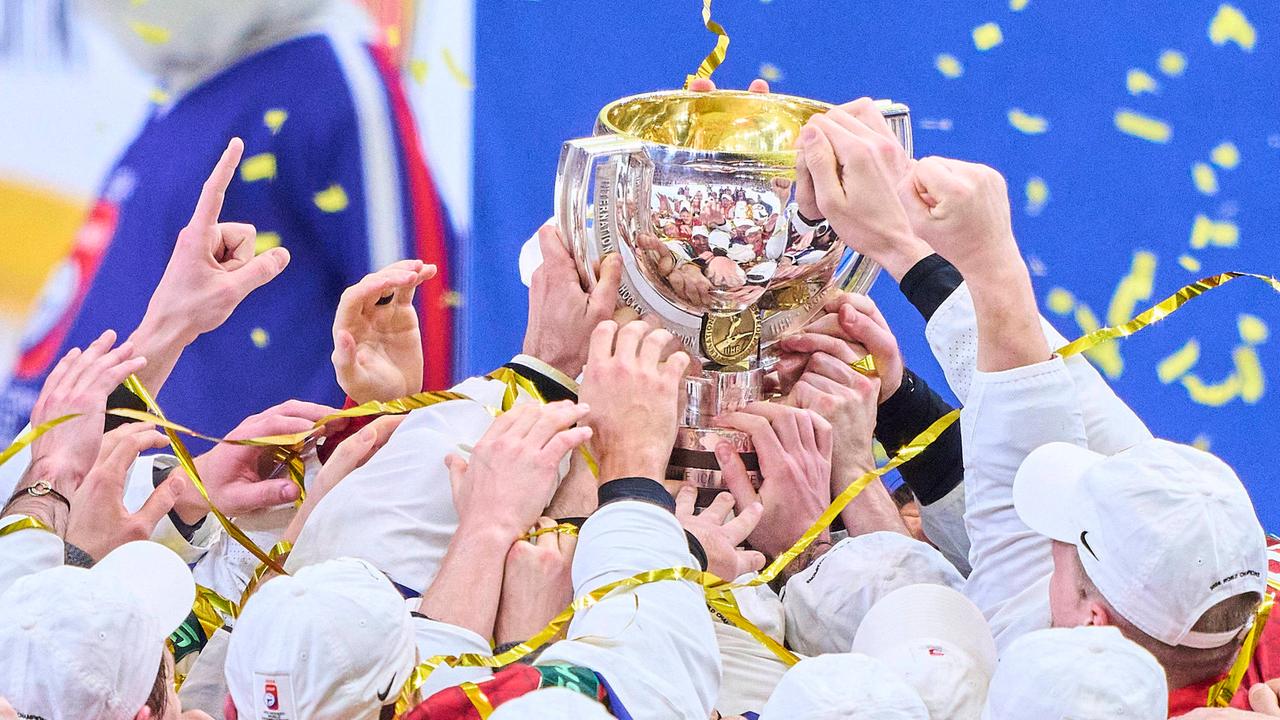
The stage is set in Switzerland for the 89th IIHF Ice Hockey World Championship. As the international hockey community gathers in Zurich and Fribourg, expectations are sky-high for a tournament that promises to be a masterclass in speed, skill, and national pride. With the first face-off scheduled for May 15, the world looks toward the Alps to see who will claim the ultimate prize in global hockey.
1. The Stage is Set: Tournament Overview
After years of planning and the unfortunate cancellation of the 2020 event due to the global pandemic, Switzerland is finally ready to host the prestigious 89th IIHF Ice Hockey World Championship. The tournament, which spans from May 15 to May 31, 2026, represents a significant moment for the host nation and the international ice hockey federation.
The competition will be split across two iconic venues. The Swiss-Life-Arena in Zurich, with a capacity of 12,000, serves as the primary hub, hosting all Group A matches, two quarter-finals, both semi-finals, and the high-stakes medal matches. Meanwhile, the BCF-Arena in Fribourg will provide an intimate, electric atmosphere for the Group B matches and the remaining two quarter-finals.
The atmosphere in Switzerland is electric. For local fans, this tournament is more than just a series of games; it is a long-awaited celebration of sport. The modern infrastructure in both arenas is designed to provide world-class conditions for the athletes, ensuring that the ice quality and crowd engagement remain at the highest possible levels throughout the tournament.
2. Chronology: The Road to the Gold
The tournament structure is designed for intensity. The group phase, beginning on May 15, will see 16 nations battle for positioning, with the top four teams from each group advancing to the quarter-finals. The knockout stage will commence on May 28, leading to the climactic final on May 31.
The Opening Day
The tournament kicks off on May 15 with a blockbuster schedule. Germany enters the fray immediately, facing a formidable Finnish side at 16:20 in Zurich. Simultaneously, in Fribourg, the giants of the game, Canada and Sweden, will collide in a matchup that many experts believe could be a preview of the gold medal game. The host nation, Switzerland, will make their grand entrance later that evening at 20:20 against the United States, in what promises to be a sold-out, high-octane affair.
Tournament Schedule at a Glance
| Tournament Phase | Dates |
|---|---|
| Group Phase | May 15 – May 26 |
| Quarter-finals | May 28 |
| Semi-finals | May 30 (15:20 & 20:00) |
| Bronze Medal Game | May 31, 15:30 |
| Gold Medal Game | May 31, 20:20 |
3. The Contenders: Analyzing the Field
The landscape of international hockey has shifted significantly following the conclusion of the Winter Olympic Games earlier this year.
The North American Powerhouses
The United States and Canada arrive in Switzerland as the clear favorites. Their recent clash in the Olympic final—which saw the U.S. claim gold—has only served to heighten the rivalry. Both nations possess deep talent pools, and their ability to transition from the physical grind of the NHL to the international game remains their greatest asset.
The European Challengers
Sweden, Finland, and the Czech Republic enter the tournament in a position of "cautious optimism." These nations are known for their tactical discipline and defensive structure. However, there is a lingering question regarding player fatigue. With the NHL season concluding, some of the top stars from these nations may opt for rest, forcing the teams to rely on their domestic league stars and younger prospects. This shift could level the playing field, allowing traditional underdogs to pull off significant upsets.
Notable Exclusions
It is important to note that the field remains impacted by ongoing geopolitical tensions. Russia and Belarus remain excluded from the tournament due to the ongoing conflict in Ukraine, a decision that the IIHF maintains is necessary to ensure the safety and integrity of the international competition.
4. The German Perspective: DEB’s Ambitions
For the German Ice Hockey Federation (DEB), the 2026 World Championship is a test of resilience. Under the leadership of head coach Harold Kreis, the German squad has undergone rigorous preparation.
The Squad Composition
Coach Kreis has currently named a 25-man preliminary roster, balancing veteran experience with emerging talent. The roster includes:
- Goaltending: Philipp Grubauer, Maximilian Franzreb, Jonas Stettmer.
- Defense: Moritz Seider (a key addition given his availability after the Detroit Red Wings’ playoff exit), Leon Gawanke, Kai Wissmann, and others.
- Forwards: Dominik Kahun, Frederick Tiffels, Marc Michaelis, and a host of DEL standouts.
The depth of the defensive unit, anchored by the presence of NHL-caliber talent like Seider, gives Germany a strong foundation. However, the true challenge will be the offensive transition. Without the consistent presence of superstars like Leon Draisaitl, who carried the load in previous cycles, the scoring burden must be distributed across all four lines.
Strategic Outlook
Germany’s performance hinges on their ability to manage the opening group stage. After a disappointing early exit in the previous year’s tournament, the team is under pressure to prove that they belong among the elite. Their opening game against Finland will set the tone for their campaign. If they can secure points early, it will provide the psychological momentum needed to reach the quarter-finals.
5. Implications: What This Means for the Sport
The 2026 World Championship carries implications that extend far beyond the final scoreboards.
The Growth of the Game
By hosting in Switzerland, a country with a deep-rooted hockey culture, the IIHF hopes to capitalize on the existing fervor to drive viewership and participation. The tournament serves as a crucial marketing vehicle for the sport, particularly in European markets where ice hockey competes with football for viewership.
Tactical Evolution
Modern hockey is moving toward a faster, more transition-based game. This tournament will be a litmus test for coaching staffs regarding their ability to adapt to the speed of the international game. We are likely to see an increase in tactical puck possession and a decrease in the "dump and chase" style that once defined international play.
The "NHL Factor"
The potential inclusion of late-arriving NHL players adds a layer of intrigue to the tournament. As teams are eliminated from the Stanley Cup playoffs, the rosters in Zurich will become more potent. This "dynamic roster" phenomenon means that the team that finishes the tournament is often vastly different from the one that started it. Managing these arrivals is a complex logistical and emotional task for coaches, as integrating new stars into an established team culture can be as much a challenge as it is a benefit.
Conclusion: A Tournament of Uncertainties
As the calendar turns toward May 15, the international hockey world stands at a crossroads. Will the North American dominance continue, or will the disciplined, tactical systems of the European teams prevail on home ice?
For Germany, the goal is clear: redemption. For the hosts, the goal is excellence. And for the fans, the goal is simple—to witness the highest level of competition the sport has to offer. Whether it’s the tactical battles in Fribourg or the high-stakes drama of the final in Zurich, the 2026 IIHF World Championship promises to be a landmark event.
The ice is fresh, the rosters are hardening, and the tension is palpable. The quest for gold in Switzerland is officially underway.






Leave a Reply