Liverpool, UK – September 29, 2026 – In a pivotal address at the Labour Party Conference in Liverpool, British Prime Minister Andy Burnham today outlined a sweeping and transformative social reform agenda, signaling a significant departure from the prevailing economic and social policies. Speaking to a rapturous audience at the city’s waterfront convention center, Burnham articulated a vision for a more equitable and prosperous Britain, pledging to tackle the spiraling cost of living and fundamentally re-engineer the nation’s social welfare system. The Prime Minister, less than 100 days into his tenure, declared that "business as usual is no longer enough" and that the United Kingdom has "been on the wrong path for too long."
The conference hall buzzed with anticipation hours before Burnham was scheduled to speak, with long queues forming outside the venue. The palpable excitement underscored the public’s eagerness to hear from their new leader and Prime Minister. Upon his entrance, Burnham was met with a thunderous ovation, a testament to the hope and expectation surrounding his leadership.
"Together: this is our call! If we work together, there is nothing we cannot do," Burnham declared, rallying delegates and setting a tone of collective action for the challenging road ahead. His speech, which spanned nearly an hour, was a powerful call to arms, urging the nation to embrace a new direction, one that prioritizes collective well-being and economic fairness over unchecked market forces.
A New Era of Economic and Social Policy
Burnham’s comprehensive plan aims to address several critical issues plaguing the nation, including the persistent rise in the cost of living, stagnant economic growth, and the increasingly unsustainable burden of social care. A cornerstone of his reform package involves the strategic reacquisition of key public utilities from the private sector, including significant portions of the national electricity grid and the water supply infrastructure. This move signals a strong commitment to public ownership and control over essential services, with the stated goal of reducing costs for consumers and ensuring greater accountability.
The Prime Minister also laid out ambitious proposals to stimulate economic growth through targeted investment and job creation programs. While specific details are yet to be fully elaborated, the overarching theme is one of a proactive government taking a leading role in shaping the nation’s economic future, rather than relying solely on market mechanisms.
Reimagining Social Care: A Moral Imperative
Perhaps the most emotionally resonant aspect of Burnham’s address was his commitment to establishing a new, publicly funded social care system in England. This proposed model would mirror the National Health Service (NHS), being financed through public taxation rather than relying on individual assets, as is currently the case.
The current system in England places a significant financial burden on individuals requiring care, often leading to devastating financial hardship and, in many cases, ruin. Burnham, who revealed that his father had passed away just two weeks prior after a long battle with dementia and a subsequent period in residential care, spoke with palpable emotion about the personal toll such circumstances can inflict. He argued that a publicly funded system is not only an economic necessity but a profound moral imperative.
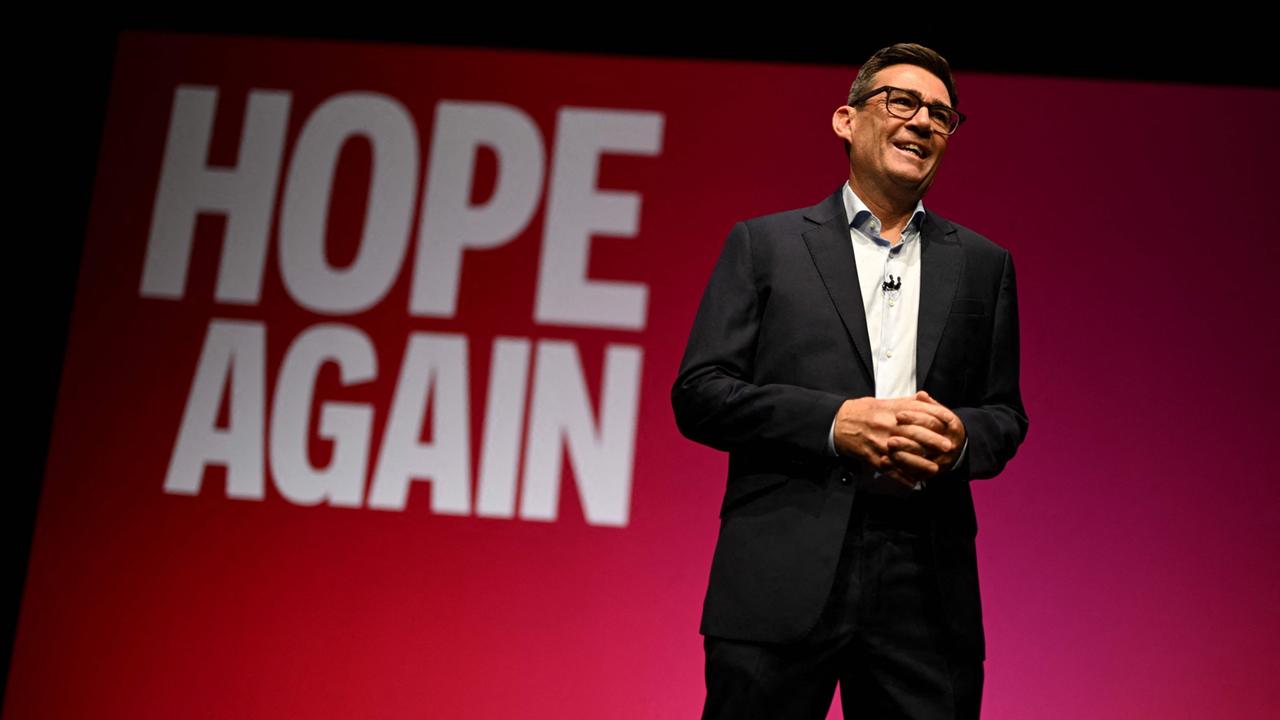
"I accept that I may have to pay a political price for this," Burnham stated, acknowledging the potential challenges and political battles ahead. "But someone has to rip off the plaster now, and rip it off quickly." This powerful declaration underscored his determination to confront deeply entrenched issues and enact meaningful change, even at personal political risk.
The Path Forward: From Promises to Policy
The immediate test for Burnham’s ambitious reform agenda will come at the end of October, when his government is scheduled to present its first budget. This crucial fiscal statement will provide the first concrete indications of how these sweeping promises will be translated into tangible policy and funded. The economic and political landscape is complex, and the success of these reforms will depend on a delicate balance of fiscal responsibility, public support, and effective implementation.
The Labour Party Conference, held in the vibrant port city of Liverpool, has provided a powerful platform for Prime Minister Burnham to articulate his vision for Britain. The enthusiastic reception of his speech suggests a strong mandate from within the party for his progressive agenda. However, the true measure of his success will lie in his government’s ability to deliver on these promises, navigating the inevitable challenges and opposition that such transformative policies are likely to encounter.
Supporting Data and Context
The current situation regarding the cost of living in the UK has been a growing concern for years. Inflationary pressures, exacerbated by global supply chain disruptions and energy price volatility, have significantly impacted household budgets. Data from the Office for National Statistics (ONS) has consistently shown a rise in the Consumer Price Index (CPI), with particular strain felt in essential sectors like food, energy, and housing.
The state of social care in England is also a critical issue. A report by the King’s Fund in 2023 highlighted the chronic underfunding of the sector, leading to staff shortages, reduced service quality, and significant financial strain on individuals and families. The report emphasized the need for a long-term, sustainable funding solution, a call that Burnham’s proposals directly address.
Economically, the UK has faced a period of sluggish growth, with concerns about productivity and competitiveness. The government’s commitment to investing in infrastructure and public services, as outlined by Burnham, is seen by many as a necessary step to re-ignite economic dynamism and ensure broader prosperity.
Official Responses and Political Landscape
While the Labour Party has largely rallied behind Prime Minister Burnham’s vision, the Conservative opposition has expressed skepticism regarding the feasibility and cost of his proposed reforms. Critics have raised concerns about the potential impact on national debt and the implications of renationalizing public utilities.
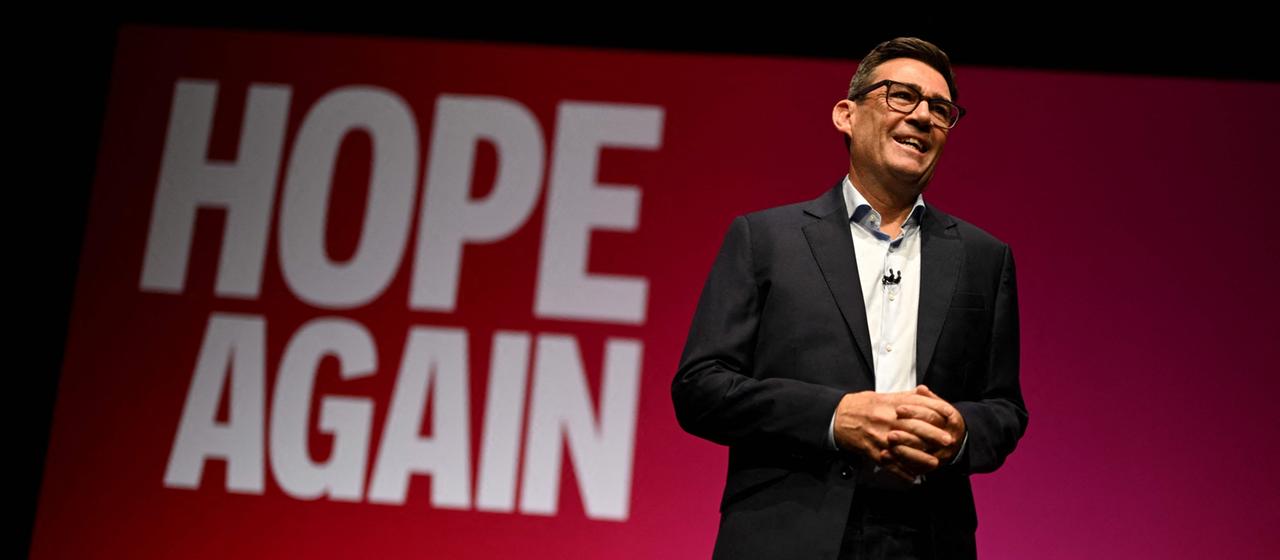
However, the political landscape is dynamic. Public opinion polls have shown a growing appetite for change, with many voters expressing dissatisfaction with the status quo. Burnham’s emphasis on tackling inequality and improving public services appears to resonate with a significant portion of the electorate.
The Liberal Democrats have also indicated a willingness to engage with aspects of Burnham’s agenda, particularly those related to social care and environmental sustainability. The coming months will likely see intense political debate and negotiation as the government seeks to build consensus and navigate potential legislative hurdles.
Implications and Future Outlook
Prime Minister Burnham’s bold agenda has the potential to reshape the United Kingdom’s social and economic fabric for generations to come. The proposed reforms represent a significant shift in policy direction, prioritizing public well-being and social solidarity.
Key implications include:
- Economic Restructuring: The reacquisition of public utilities could lead to a significant shift in the balance of power between the state and private enterprise, with potential benefits for consumers in terms of affordability and service quality.
- Social Welfare Transformation: A publicly funded social care system would alleviate immense financial pressure on individuals and families, ensuring that vulnerable citizens receive the care they need without facing destitution.
- Political Realignment: The success or failure of these reforms could have a profound impact on the political landscape, potentially solidifying Labour’s position or creating new divisions.
- International Perception: The UK’s embrace of a more interventionist and socially focused economic model could influence global debates on capitalism and the role of the state.
The road ahead for Prime Minister Burnham and his government will undoubtedly be challenging. The complexities of implementing such far-reaching reforms, coupled with the inevitable political opposition, will require strong leadership, strategic planning, and sustained public support. However, the clear articulation of a vision for a more just and prosperous Britain at the Labour Party Conference has set a powerful precedent, signaling a determined effort to chart a new course for the nation. The nation now waits with bated breath to see how these ambitious promises will translate into reality.