In the rapidly evolving landscape of home coffee technology, the bridge between professional barista-grade results and household convenience has narrowed significantly. Philips, a long-standing titan in the home appliance sector, has recently unveiled its latest contender in the premium automatic espresso machine segment: the 8000 Series Café Aromis (model EP8757/20). Aimed at the discerning coffee enthusiast who desires a high-end experience without the exorbitant price tag often associated with top-tier professional gear, this machine promises to deliver both versatility and ease of use.
Main Facts: The Core of the Philips 8000 Series
The Philips 8000 Series represents a strategic push by the manufacturer to dominate the mid-to-high-range market. Priced currently at approximately €889—a significant reduction from its original retail price of €1,099—the machine positions itself as an investment piece for the modern kitchen.
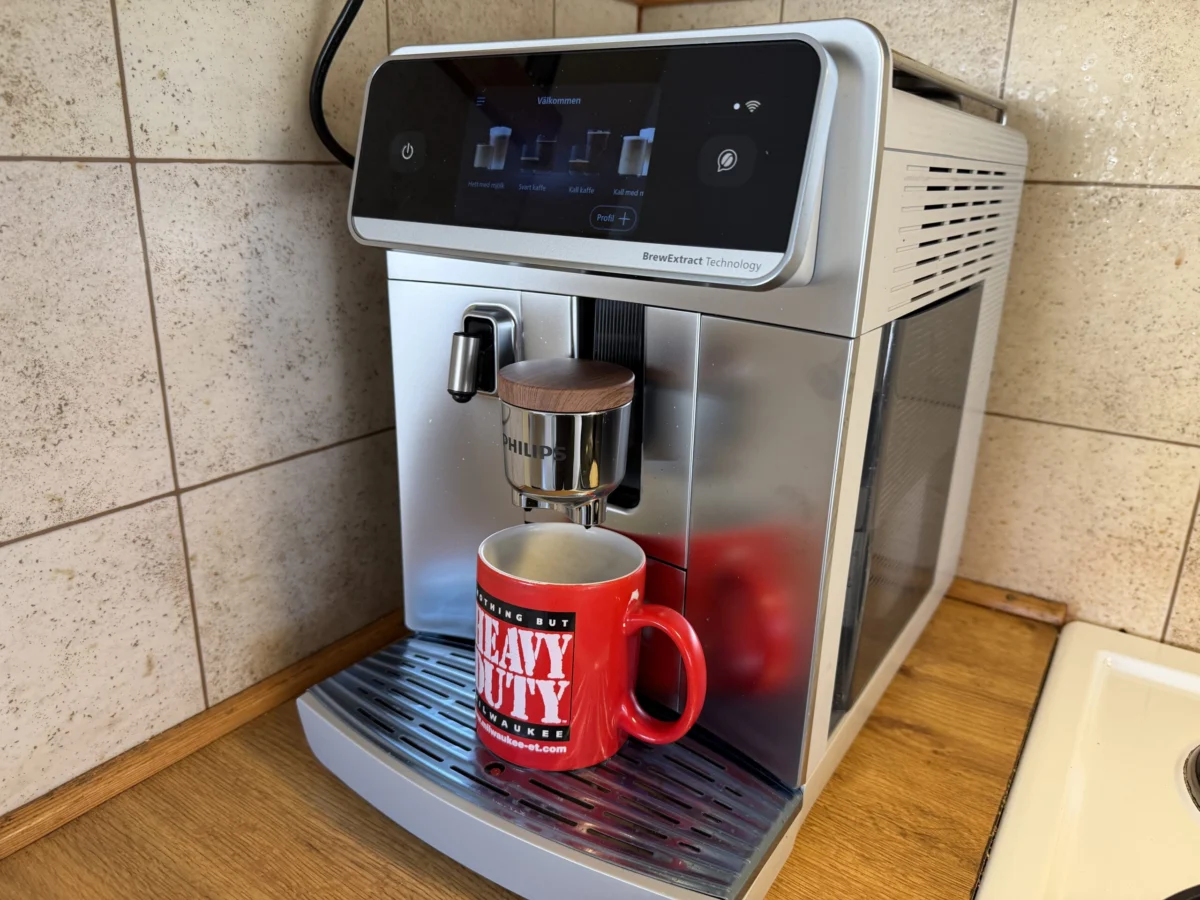
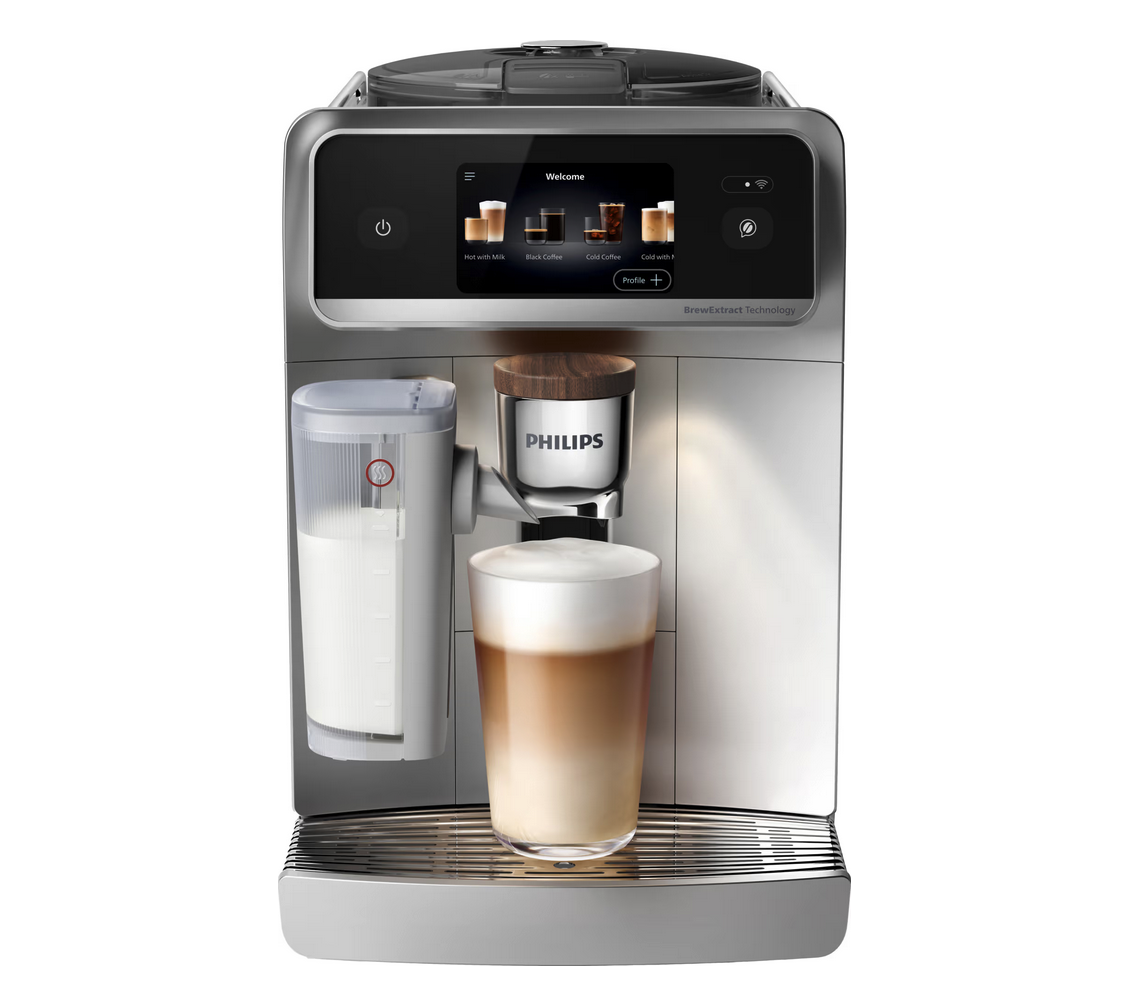
At its heart, the EP8757/20 is a fully automatic bean-to-cup machine designed to streamline the morning ritual. It features the advanced LatteGo Pro milk system, which is engineered to simplify the often tedious process of frothing milk for lattes and cappuccinos. With the ability to brew up to 50 distinct beverage profiles, including both hot and iced coffee options, the machine leans heavily into customization. It incorporates "BrewExtract" technology, which aims to optimize the balance between temperature and extraction time, ensuring that each cup retains the intended flavor profile of the bean.
Key technical specifications include a 1.9-liter water tank, a 275-gram bean hopper, and a pump pressure of 15 bars—the industry standard for achieving a proper espresso crema. Weighing in at 9.3 kilograms and measuring 25.1 x 38.9 x 45.2 centimeters, it occupies a surprisingly small footprint, making it a viable option for urban dwellers with limited counter space.

Chronology: The Development and Market Arrival
The journey of the 8000 Series began with a focus on addressing common consumer pain points identified in previous generations: bulkiness, complex cleaning processes, and a lack of granular control over coffee strength. Throughout early 2026, Philips refined the internal architecture of the machine, prioritizing the "front-access" design that allows users to refill the water reservoir without having to shift the unit away from walls or cabinets—a common annoyance with competitor models.
By May 2026, the unit underwent rigorous testing by consumer technology publications, such as M3, to evaluate its real-world performance. The feedback loop during this period was critical, as it highlighted the effectiveness of the digital interface and the integration of the "Home-ID" app. The machine’s official rollout followed shortly thereafter, accompanied by aggressive pricing adjustments at major European retailers like Otto and MediaMarkt, signaling a push to capture market share during the competitive summer shopping season.
Supporting Data: Performance and Usability Analysis
When assessing a machine of this caliber, performance data is split between technical efficiency and subjective user experience.
Brewing Performance and Customization
The machine excels in consistency. The BrewExtract technology delivers a balanced cup, provided the user selects the appropriate grind size and dosage. The interface is highly intuitive, guiding the user through a decision tree: Hot vs. Iced, Milk vs. Black, and then individual parameters for volume, strength, and temperature.
However, data from user trials indicates a minor limitation regarding preset volumes. The machine offers fixed increments (e.g., 120ml, 180ml, 240ml for coffee). For users with specific mug sizes, this can result in either an overflowing cup or a suboptimal fill level. While this does not impact the taste of the coffee, it highlights a lack of "stepless" volume control that some power users might expect at this price point.
The Milk System: A Double-Edged Sword
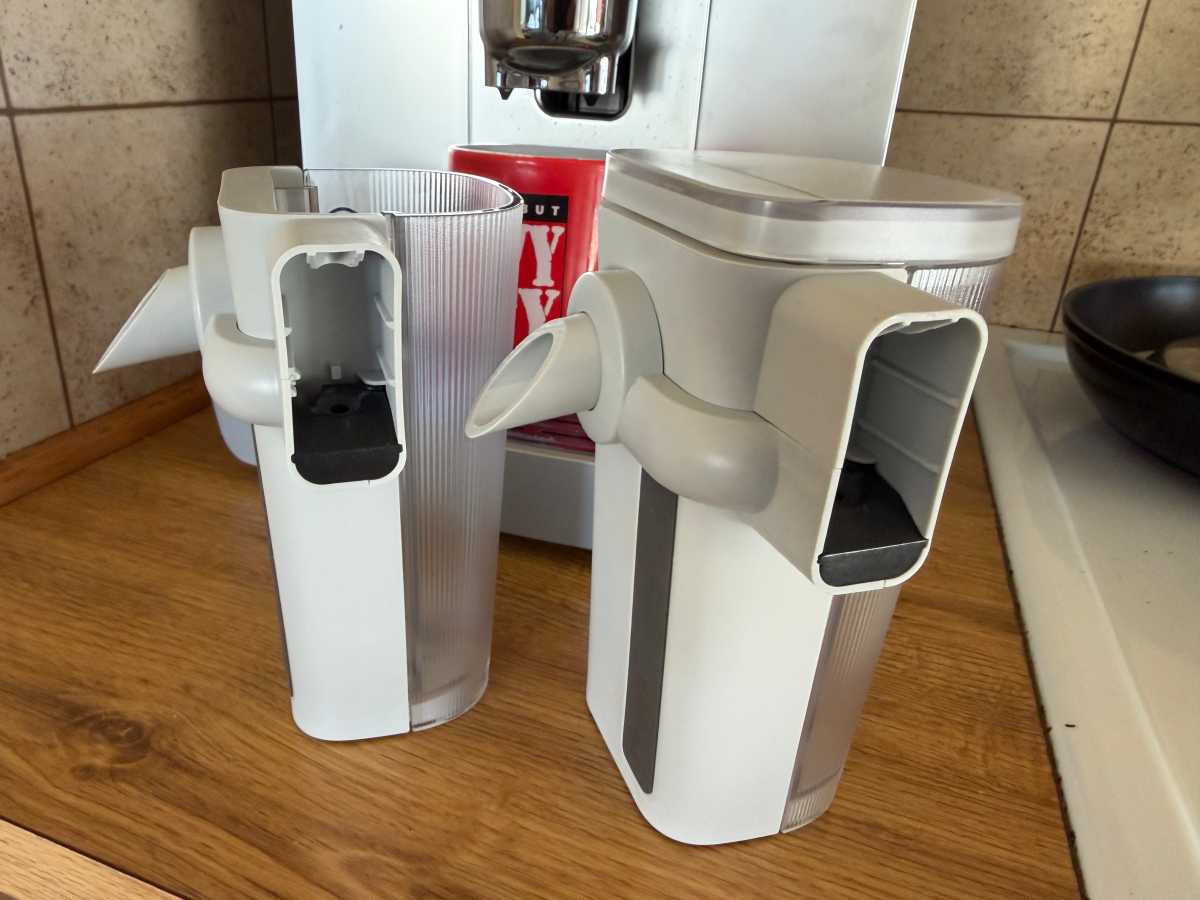
The inclusion of two separate milk containers—one for cold milk and one for hot—is a notable inclusion for variety. The LatteGo Pro system is remarkably easy to clean compared to traditional tube-based milk systems. However, the design of the attachment remains a point of contention. The side-mounted configuration, while functional, lacks a sleek, integrated aesthetic. It appears somewhat "tacked on," which may detract from the overall premium feel of the machine in a minimalist kitchen design.
Noise Levels
Despite expectations that new internal damping would reduce the decibel output during the grinding and brewing process, the 8000 Series remains relatively loud. For those in small apartments or households with early risers, the sound of the grinder and the pressurized steam will likely be audible in adjacent rooms. While not reaching "disturbing" levels, it remains a characteristic that Philips has yet to fully resolve in this iteration.
Official Responses and Smart Connectivity
A significant feature of the EP8757/20 is its "Home-ID" app connectivity. Philips has responded to the growing trend of IoT (Internet of Things) integration in kitchen appliances by allowing users to manage their machine remotely.
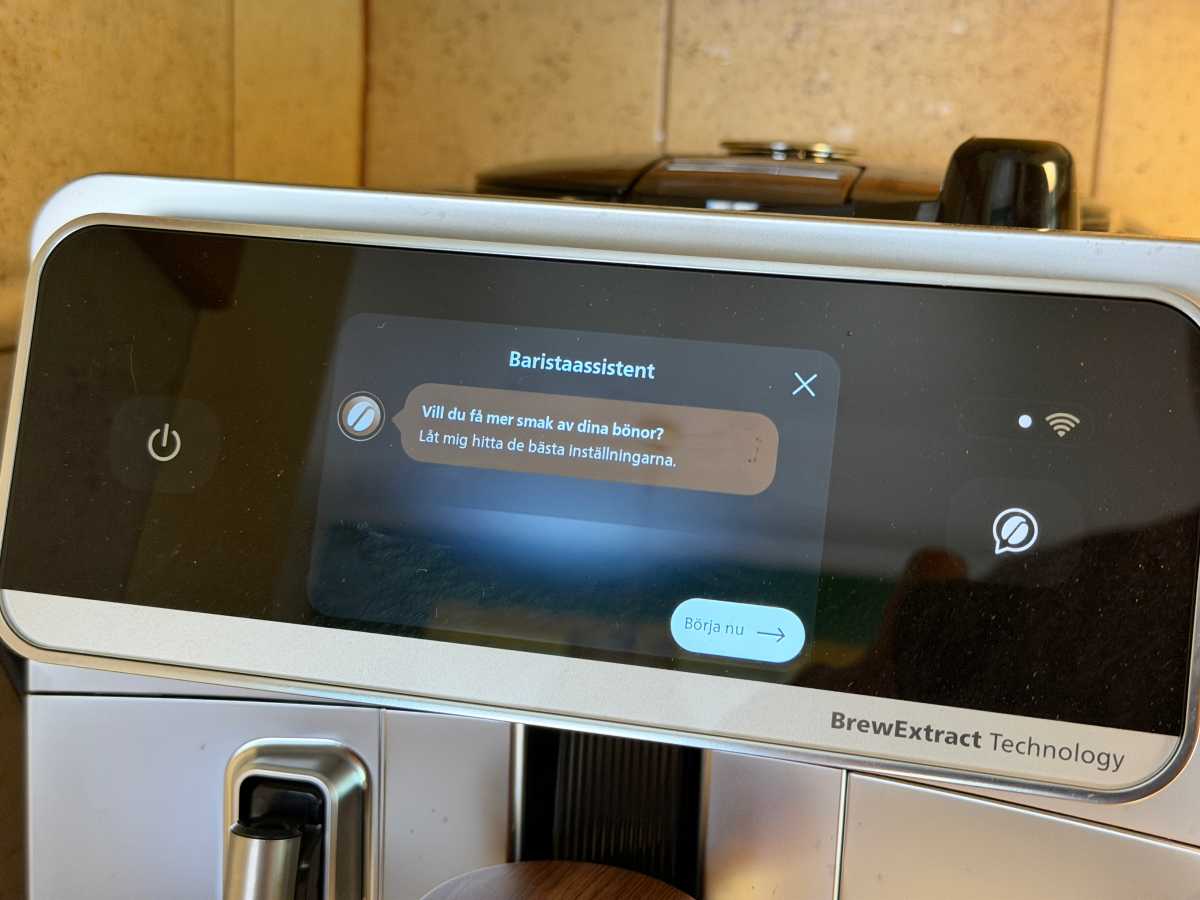
From an official standpoint, the app is marketed as a "Barista Assistant." It provides guidance on how to adjust grind settings based on the specific roast of the beans being used, which is a sophisticated touch for home users who may not have formal coffee training.
However, in practice, the utility of the app is a subject of debate. While users can start a brewing cycle from their bed, the physical requirement to place a cup under the spout remains a barrier to true automation. Most testers found the app useful for troubleshooting and maintenance alerts rather than for daily operational control. It functions reliably, but it serves more as a supplementary tool than an essential component of the coffee-making experience.
Implications: Is the 8000 Series Right for You?
The implications of purchasing the Philips 8000 Series are clear: this is a machine designed for the "everyday barista." It does not require a deep technical knowledge of extraction theory to operate, nor does it demand the rigorous daily maintenance schedule of a semi-automatic espresso machine.
The Pros
- Ease of Use: The navigation menu is exceptionally clear, making the complex process of high-end coffee brewing accessible to everyone.
- Space Efficiency: Its compact design is a triumph of engineering, allowing high-performance features in a modest footprint.
- Cleaning: The simplified milk system and front-loading water tank significantly reduce the "friction" of daily maintenance.
- Versatility: The inclusion of 50 beverage options, including iced variations, makes it an excellent all-season appliance.
The Cons
- Noise: The operational volume remains a drawback for those seeking a quiet morning.
- Aesthetics: The milk carafe attachment could be more elegantly integrated into the chassis.
- Limited Customization: The lack of granular control over cup volumes may frustrate users who are accustomed to highly specific brewing ratios.
Final Verdict
The Philips 8000 Series EP8757/20 succeeds because it removes the "project" aspect of brewing premium coffee. For the average consumer who wants a café-quality cappuccino before heading to work, it is a highly capable, reliable, and well-designed piece of equipment. While it may not satisfy the absolute purist who demands manual control over every millisecond of the extraction, it offers an excellent balance of convenience, quality, and technological flair.
At the current price point of €889, the value proposition is strong. It represents a significant upgrade for those transitioning from pod-based systems or entry-level automatic machines, providing a tangible improvement in coffee quality without the steep learning curve of professional-grade equipment. The Philips 8000 Series proves that in the modern kitchen, luxury is not just about the quality of the brew—it is about the ease with which that quality is achieved every single day.