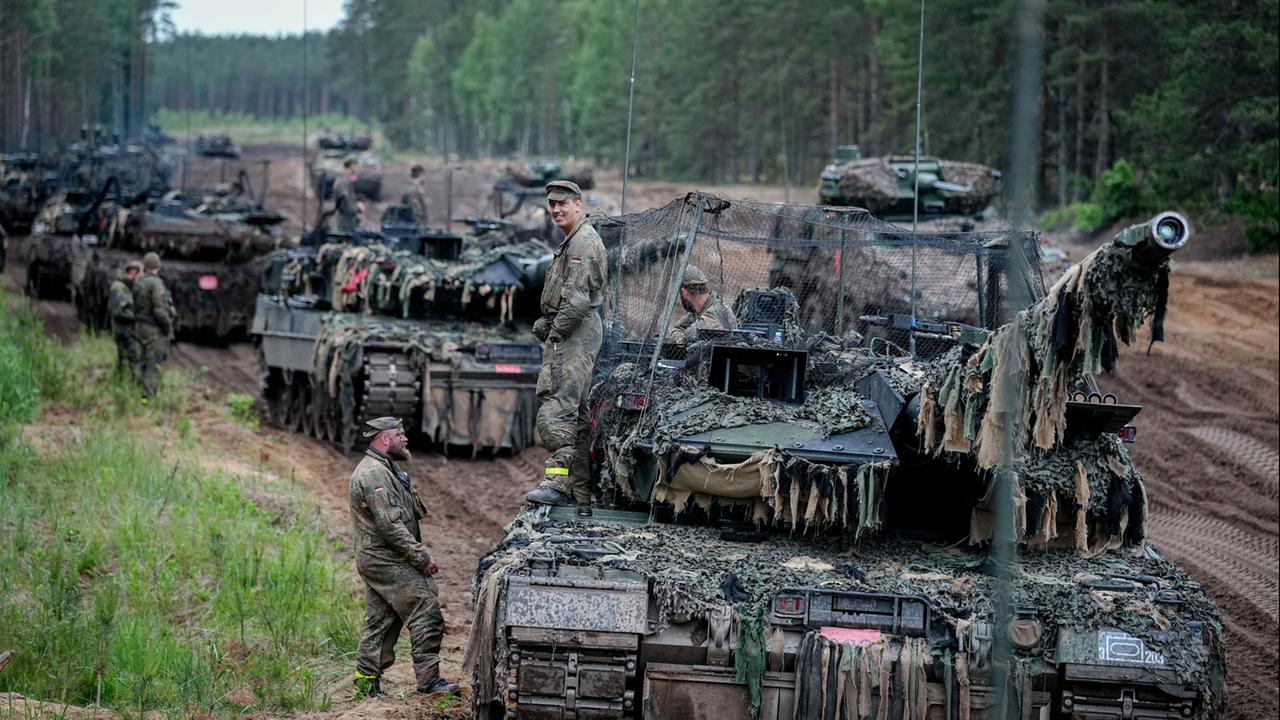
Vilnius, Lithuania – June 22, 2026 – In a significant demonstration of collective defense capabilities, over 2,900 soldiers from eight NATO nations are currently engaged in the large-scale military exercise "Freedom Shield" on the Pabrade training grounds in Lithuania. This comprehensive drill, situated mere kilometers from the Belarusian border, is designed to hone the defense of NATO’s eastern flank against potential aggression. The exercise, which prominently features German forces, underscores the evolving security landscape in Eastern Europe and the commitment of the alliance to its member states’ territorial integrity. German Defense Minister Boris Pistorius is scheduled to visit the exercise today, highlighting the strategic importance of the drills.
Main Facts: A Robust Display of Deterrence
The "Freedom Shield" exercise is a critical component of NATO’s ongoing efforts to bolster its defenses along its eastern frontier, a region that has faced increased geopolitical tension in recent years. The training scenario focuses on realistic combat simulations, including the integration of conventional weaponry like tanks with advanced drone warfare tactics. Over 300 drones are participating, underscoring the modern challenges of warfare and the need for integrated defense strategies.
The exercise involves approximately 2,300 German soldiers, making them the largest contingent, alongside troops from seven other NATO countries. This multinational participation is a clear signal of solidarity and shared responsibility within the alliance. The proximity of the training area to Belarus, a close ally of Russia, is not lost on observers and is widely interpreted as a deliberate message to Moscow regarding NATO’s readiness and resolve.
Chronology: Building a Permanent Presence and Enhancing Readiness
Germany’s commitment to strengthening NATO’s eastern flank is a direct response to Russia’s full-scale invasion of Ukraine in February 2022. Following this aggression, Germany pledged to establish a permanent, combat-ready Bundeswehr presence in Lithuania. The goal is to build a robust armored brigade, projected to comprise around 4,800 soldiers and 200 civilian personnel, by 2027. Currently, approximately 1,800 German soldiers are stationed in Lithuania, forming the nucleus of this future brigade.
The "Freedom Shield" exercise represents a significant step in the operationalization of this commitment. It allows for the testing and refinement of command structures, logistical capabilities, and joint operational procedures in a challenging and relevant environment. The scenario aims to replicate the complexities of a potential conflict on NATO’s eastern flank, emphasizing the need for seamless coordination between different military branches and allied forces.
Supporting Data: Infrastructure and Personnel Development
The establishment of a permanent German military presence in Lithuania is a massive undertaking, involving substantial infrastructural development. The primary base for the brigade will be located in Rudninkai, near the Belarusian border. This area, designated as a Lithuanian army training ground shortly after Russia’s invasion of Ukraine, is being transformed into a modern military city.
This burgeoning military installation, situated approximately 35 kilometers from the capital, Vilnius, will include barracks, ammunition depots, logistics facilities, and vehicle maintenance halls. This ambitious project, described as the largest military infrastructure initiative in Lithuania’s history, is being financed by Lithuania and is on track to be completed in time for the full operational deployment of the German brigade. The construction is progressing rapidly, with initial structures already in place, reflecting Lithuania’s dedication to facilitating this crucial NATO deployment.
Official Responses: Commitment and Strategic Messaging
German Defense Minister Boris Pistorius’s visit to the "Freedom Shield" exercise underscores its significance. His presence is not only a morale booster for the participating troops but also a clear diplomatic signal to allies and potential adversaries alike. The exercise itself serves as a tangible demonstration of Germany’s commitment to collective defense and its role as a leading security provider within NATO.
The establishment of the permanent brigade in Lithuania is a cornerstone of Germany’s new defense policy, adapted to the heightened security environment in Europe. This strategic move is designed to enhance deterrence, reassure eastern allies, and provide a robust defense capability in a strategically vital region. The exercises, therefore, are not merely training events but critical components of a broader deterrence strategy.
The ongoing efforts to staff the brigade highlight a common challenge within modern militaries: attracting and retaining qualified personnel. Germany aims to fill the ranks primarily with volunteers, offering attractive conditions and highlighting the importance of service in bolstering European security. However, Defense Minister Pistorius has acknowledged that achieving the full personnel complement might necessitate some level of mandatory service for a portion of the brigade’s strength, indicating a pragmatic approach to ensuring operational readiness.
Implications: A Strengthened Alliance and a Message to Moscow
The "Freedom Shield" exercise and the ongoing establishment of the German brigade in Lithuania carry significant implications for regional security and the broader NATO alliance.
Strengthened Deterrence: The presence of a robust, combat-ready German brigade in Lithuania, coupled with multinational exercises like "Freedom Shield," significantly enhances NATO’s deterrence posture. This increased military capability in a strategically sensitive area signals to any potential aggressor that an attack on a NATO member would be met with a swift and unified response.
Reassurance for Eastern Allies: For frontline NATO states like Lithuania, Estonia, and Latvia, the visible commitment of a major power like Germany provides crucial reassurance. It demonstrates that the alliance stands by its commitments to collective defense and is prepared to invest resources and personnel to ensure their security. This is particularly important given the historical experiences of these nations with Russian influence and aggression.
Message to Moscow: The exercise, conducted close to the Belarusian border and in the context of ongoing geopolitical tensions, sends an unambiguous message to Moscow. It highlights NATO’s unity, its military capabilities, and its unwavering commitment to defending its territory. The scale and complexity of "Freedom Shield" serve as a stark reminder that NATO is a formidable military alliance prepared to act decisively to maintain peace and stability in Europe.
Interoperability and Preparedness: Exercises like "Freedom Shield" are vital for improving the interoperability of allied forces. By training together, soldiers from different nations learn to coordinate their actions, communicate effectively, and operate seamlessly across diverse military domains. This enhances the overall effectiveness of NATO as a collective security organization.
Lithuania’s Role: For Lithuania, hosting these significant military exercises and the future German brigade is a testament to its strategic importance within NATO. It underscores the nation’s commitment to shared security and its willingness to be at the forefront of the alliance’s defense efforts. The strong public support and appreciation for the Bundeswehr in Lithuania, as evidenced by public opinion and even inclusion in educational materials, highlight the deep-seated understanding of the importance of collective security. The words of Chancellor Friedrich Merz, "Lithuania’s security is also our security. The protection of Vilnius is the protection of Berlin," encapsulate this shared commitment and the interconnectedness of European security.
In conclusion, "Freedom Shield" is more than just a military exercise; it is a strategic maneuver that reinforces NATO’s commitment to its eastern flank, strengthens deterrence, and signals a united front against emerging security challenges. The ongoing development of the German brigade in Lithuania represents a tangible and long-term investment in the collective security of the Euro-Atlantic region.