Philadelphia, PA – October 6, 2026 – The United States is grappling with its most severe measles outbreak in decades, with the state of Pennsylvania emerging as a critical hotspot, reporting over 1,000 confirmed cases. This alarming figure marks the highest incidence in a single state in 35 years, casting a stark shadow over the nation’s public health achievements and prompting fears that the U.S. could soon lose its coveted "measles-free" status. The escalating crisis underscores a dangerous erosion of herd immunity, primarily driven by declining vaccination rates across the country.
The situation in Pennsylvania is particularly grim, with health officials confirming that approximately 200 individuals have required hospitalization due to the highly contagious disease. Tragically, five lives have already been claimed in connection with the outbreak, a stark reminder of measles’ potentially fatal consequences. This localized surge is not an isolated incident but rather a bellwether for a broader national struggle, as other states report significant clusters, contributing to a nationwide tally of 3,900 measles cases. The current trajectory has prompted urgent responses from public health authorities, with neighboring New York declaring a state of emergency to bolster its defenses against the spreading virus.
The Unfolding Crisis: Main Facts
The current measles outbreak represents a significant public health emergency, challenging decades of progress in disease eradication. Here are the core facts defining this escalating crisis:
- Record-Breaking Incidence in Pennsylvania: The Commonwealth of Pennsylvania has officially registered over 1,000 measles cases, an unprecedented surge not witnessed within its borders for 35 years. This makes it the epicenter of the current national outbreak.
- Severe Health Outcomes: Among the confirmed cases in Pennsylvania, roughly 200 individuals have required inpatient hospital care, indicating the severity of the disease and the strain on healthcare resources.
- Tragic Fatalities: Five deaths have been directly attributed to measles complications in Pennsylvania, highlighting the virus’s lethal potential, particularly in vulnerable populations.
- National Scope: The outbreak is not confined to Pennsylvania; the total number of measles cases across the United States has reached 3,900, signifying a widespread national public health challenge.
- Declining Vaccination Rates: A primary driver of this resurgence is a significant drop in measles-mumps-rubella (MMR) vaccination coverage. Data from Pennsylvania reveals that less than one percent of those infected were fully vaccinated, emphasizing the vulnerability of the unvaccinated population.
- Emergency Measures in New York: Faced with its own growing number of cases (just over 100), New York State has declared a state of emergency. This measure aims to accelerate the deployment of healthcare professionals for testing and vaccination efforts, reinforcing the urgent need for intervention.
- Threat to "Measles-Free" Status: The United States, which was declared "measles-free" in 2000, is now at imminent risk of losing this crucial international designation. The World Health Organization (WHO) criterion for maintaining this status requires no continuous measles transmission for over a year, a benchmark the U.S. is increasingly failing to meet. An international review in November will determine the nation’s standing.
These facts paint a concerning picture of a preventable disease reasserting its dangerous presence due to a collective decline in immunity, demanding immediate and sustained public health action.
A Troubling Chronology: From Eradication to Resurgence
The story of measles in the United States is one of both triumph and recent tribulation. Once a ubiquitous childhood illness, measles was declared eliminated in the U.S. in 2000, a monumental achievement attributed to robust vaccination programs. However, the seeds of the current crisis were sown long before the dramatic numbers of 2026.
Early 20th Century to Eradication (Pre-2000): Measles, caused by the rubeola virus, was endemic in the U.S. prior to the introduction of the vaccine. It was estimated that 3 to 4 million Americans contracted measles each year, resulting in 48,000 hospitalizations, 1,000 cases of encephalitis (brain swelling), and 400-500 deaths annually. The widespread introduction of the measles vaccine in 1963, followed by the combined MMR vaccine, dramatically reduced case numbers. By the late 1990s, indigenous transmission of measles had ceased, leading to the official declaration of elimination by the Centers for Disease Control and Prevention (CDC) in 2000. This meant that the disease was no longer continuously spreading within the country, with any detected cases originating from international travel.
First Cracks in Immunity (2000-2010s): For several years post-elimination, outbreaks remained small and contained, primarily linked to unvaccinated travelers returning from countries where measles was still prevalent. However, as the 21st century progressed, vaccine hesitancy began to gain traction, fueled by misinformation and distrust in public health institutions. This led to localized pockets of under-vaccinated communities, creating vulnerabilities. Small outbreaks, particularly in communities with high rates of vaccine exemptions, started to become more frequent, serving as early warning signs.
Escalation and Growing Concerns (2019-2025): The year 2019 saw a significant spike in cases, with 1,282 cases reported across 31 states, the highest number since 1992. This was largely attributed to outbreaks in New York and other areas with low vaccination rates. The COVID-19 pandemic further complicated vaccination efforts. While initial lockdowns might have temporarily suppressed some infectious diseases, the pandemic also diverted resources, disrupted routine healthcare, and, crucially, intensified the existing currents of vaccine skepticism and anti-science sentiment. By the mid-2020s, public health officials noted a concerning decline in childhood vaccination rates for various diseases, including measles, falling below the critical threshold required for robust herd immunity in many areas.
The Current Crisis (2026): The current year, 2026, has seen these simmering issues boil over. The CDC, in its July report, had already warned of the highest number of measles cases in the U.S. in 35 years. This national warning presaged the current surge. The outbreak likely began with imported cases from regions with ongoing measles activity, finding fertile ground in communities with low vaccination coverage. The virus then spread rapidly and silently before being detected.
- Early 2026: Scattered measles cases begin to appear across various states, often linked to international travel, but with signs of limited community transmission.
- Spring 2026: Clusters grow, particularly in states like Pennsylvania and New York, where vaccination rates have dipped below herd immunity thresholds in certain districts. Health departments begin issuing localized warnings.
- July 2026: The CDC issues a national alert, confirming that the U.S. has reached its highest measles case count in 35 years, signaling a critical turning point and the failure of containment efforts.
- Late Summer/Early Fall 2026: The outbreak intensifies dramatically. Pennsylvania’s cases surge, overwhelming local health services.
- September 2026: New York State, recognizing the imminent threat and its own rising case numbers (exceeding 100), declares a state of emergency to expedite public health measures.
- October 6, 2026 (Current Date): Pennsylvania officially reports over 1,000 cases, with 200 hospitalizations and five deaths, solidifying its status as the epicenter of the worst U.S. measles outbreak in over three decades. The national total approaches 4,000 cases.
This chronology illustrates a concerning trend where a once-vanquished disease is re-establishing itself, threatening public health and challenging the very foundation of preventable disease control.
The Numbers Tell the Story: Supporting Data and Epidemiology
The current crisis is a stark reminder of measles’ highly infectious nature and the critical role of vaccination in public health. Understanding the data and epidemiology is crucial to grasping the gravity of the situation.
The Virus and Its Transmission: Measles is caused by a virus that spreads through the air when an infected person coughs or sneezes. It is one of the most contagious diseases known, capable of remaining active in the air or on surfaces for up to two hours. An infected person can spread measles even before showing symptoms, making containment extremely challenging. The basic reproduction number (R0) for measles is estimated to be between 12 and 18, meaning one infected person can infect 12 to 18 susceptible individuals in an unvaccinated population – significantly higher than many other infectious diseases, including COVID-19.
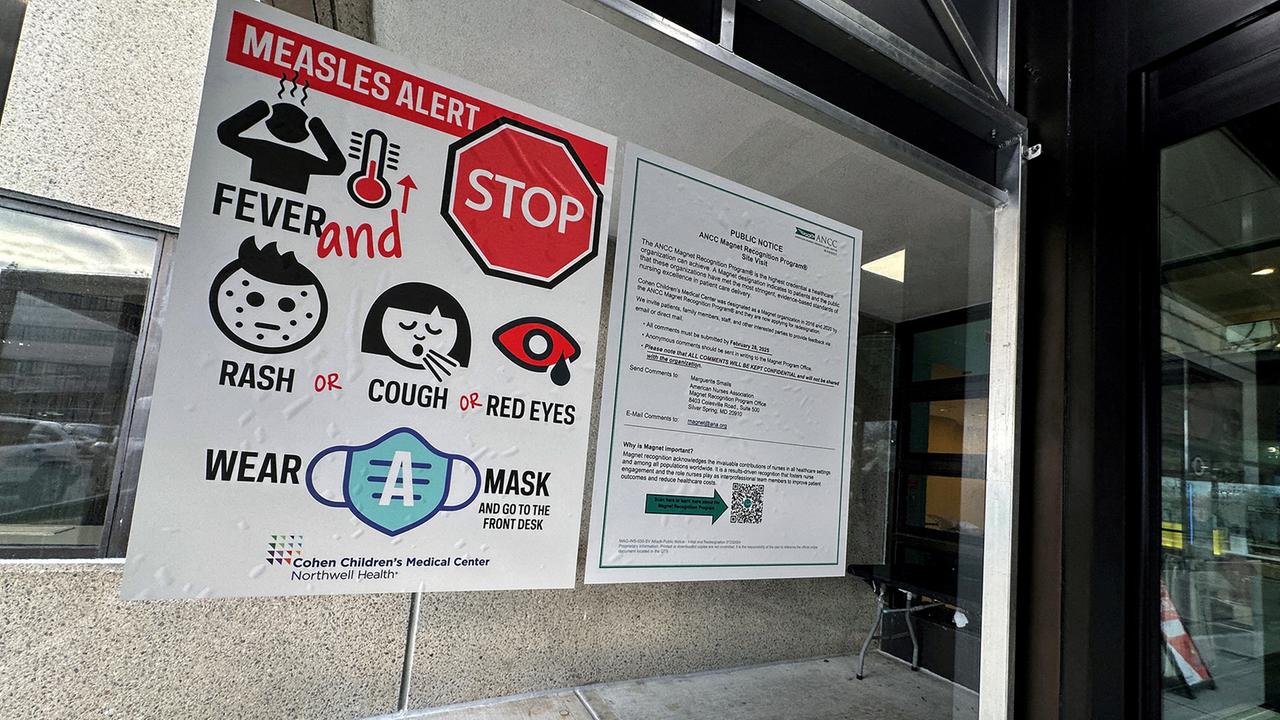
Symptoms and Complications: Symptoms typically appear 10-12 days after exposure and include a high fever, cough, runny nose, red and watery eyes, and a characteristic rash that spreads over the body. While often considered a mild childhood illness by some, measles can lead to severe complications, especially in young children, pregnant women, and immunocompromised individuals. These include pneumonia (the most common cause of death), encephalitis (inflammation of the brain that can lead to permanent brain damage or deafness), ear infections, and in rare, long-term cases, subacute sclerosing panencephalitis (SSPE), a fatal neurodegenerative disease that can develop years after initial infection. The five deaths in Pennsylvania underscore these severe risks.
The Vaccination Gap: The primary driver of the current resurgence is the decline in MMR vaccination coverage. For a population to achieve "herd immunity" against measles, meaning enough people are immune to protect those who cannot be vaccinated (e.g., infants, immunocompromised individuals), vaccination rates typically need to be 95% or higher.
- Pennsylvania’s Vulnerability: The fact that less than one percent of the over 1,000 measles patients in Pennsylvania were fully vaccinated is a damning statistic. This strongly indicates that the vast majority of cases are occurring in unvaccinated or under-vaccinated individuals, confirming the vaccine’s effectiveness and the dangers of non-vaccination. While state-level vaccination rates might appear high on average, localized pockets, often clustered by communities or school districts, fall significantly below the 95% threshold, creating perfect breeding grounds for the virus.
- National Trends: The CDC has reported a concerning dip in routine childhood immunizations across the U.S. in recent years. This decline is multi-faceted, stemming from increased vaccine hesitancy fueled by misinformation campaigns, decreased access to healthcare during the pandemic, and a general complacency that arose from the decades-long absence of widespread measles.
- Historical Comparison: In the pre-vaccine era, the U.S. saw hundreds of thousands, if not millions, of measles cases annually. The current 3,900 cases, while alarming and the highest in 35 years, pales in comparison to those numbers, serving as a powerful testament to the vaccine’s efficacy. However, the current trajectory, if unchecked, threatens to erode the gains made over half a century.
Economic Burden: Beyond the human cost, measles outbreaks impose significant economic burdens. These include the direct costs of hospitalization (as seen with 200 patients in Pennsylvania), intensive care, public health investigations, contact tracing, widespread testing, and mass vaccination campaigns. Indirect costs include lost productivity from parents taking time off work to care for sick children and the disruption of school and community activities. Each measles case can cost public health agencies thousands of dollars to contain, making prevention through vaccination a far more cost-effective strategy.
The data unequivocally points to a failure in maintaining adequate vaccination coverage, directly leading to the current public health emergency. The numbers are not just statistics; they represent individuals suffering, families grieving, and healthcare systems under strain.
Mobilizing Defenses: Official Responses and Interventions
The escalating measles crisis has prompted urgent and multi-pronged responses from public health officials at local, state, and federal levels, aiming to contain the spread, treat the ill, and re-establish community immunity.
Pennsylvania’s Battle on the Front Lines:
As the epicenter of the current outbreak, Pennsylvania’s Department of Health and local health agencies have been on high alert. Their primary responses include:
- Intensified Surveillance and Contact Tracing: Rapid identification of new cases and meticulous contact tracing to identify and quarantine exposed individuals are paramount. This involves deploying additional public health workers to track potential exposures in schools, daycare centers, and public spaces.
- Public Awareness Campaigns: Aggressive campaigns are underway to educate the public about the dangers of measles, the importance of vaccination, and where to access free or low-cost MMR vaccines. These campaigns utilize traditional media, social media, and community outreach.
- Vaccination Drives: Health clinics and mobile vaccination units have been set up in affected communities to offer MMR vaccines to eligible residents. Special attention is being given to school-aged children and healthcare workers.
- Healthcare Provider Advisories: Hospitals and healthcare providers have received detailed guidance on measles diagnosis, infection control protocols, and reporting requirements to ensure rapid identification and prevent nosocomial (healthcare-associated) transmission.
- Isolation Protocols: Strict isolation protocols are in place for confirmed cases to prevent further spread, particularly in healthcare settings.
New York’s Proactive Emergency Declaration:
New York State, with over 100 cases, took the significant step of declaring a state of emergency. This declaration, usually reserved for natural disasters or widespread public health threats, provides several critical advantages:
- Enhanced Resource Mobilization: It allows the state to bypass certain bureaucratic hurdles to quickly deploy additional medical personnel, public health workers, and supplies (such as vaccines and testing kits) to affected areas.
- Expanded Testing and Vaccination Capacity: The emergency status facilitates the opening of temporary vaccination clinics, extends operational hours for existing ones, and potentially allows a broader range of healthcare professionals (e.g., pharmacists, retired nurses) to administer vaccines under supervision.
- Public Information Authority: It grants state health officials greater authority to issue urgent public health directives and ensure compliance, potentially including stricter measures for unvaccinated individuals in outbreak zones.
- Funding Allocation: Emergency declarations can unlock additional state or federal funding to support response efforts, including staffing, equipment, and public awareness campaigns.
Federal Oversight and Support (CDC):
The Centers for Disease Control and Prevention (CDC) plays a crucial national role in coordinating the response:
- National Surveillance: The CDC monitors measles activity across all states, providing a national picture of the outbreak’s scope and trajectory.
- Guidance and Technical Assistance: It issues updated guidelines for state and local health departments on surveillance, diagnosis, treatment, and outbreak control. The CDC also provides technical support and epidemiological expertise to states like Pennsylvania and New York.
- Public Health Messaging: The CDC maintains a consistent national message on the importance of vaccination and provides reliable information to counter misinformation.
- Vaccine Supply Management: The federal government, often through the CDC, helps ensure an adequate supply of MMR vaccines to meet increased demand during an outbreak.
Addressing Vaccine Hesitancy:
A significant part of the official response involves combating vaccine hesitancy and misinformation. Public health agencies are partnering with trusted community leaders, healthcare providers, and educational institutions to deliver accurate, science-based information and address concerns about vaccine safety and efficacy. This includes targeted outreach to communities identified with low vaccination rates.
These concerted efforts are critical in stemming the tide of the current outbreak, but their effectiveness will ultimately depend on widespread public cooperation and a renewed commitment to maintaining high vaccination coverage.
Broader Consequences: Implications for the Nation and Beyond
The unfolding measles crisis carries profound implications, threatening to reverse decades of public health progress and reshape future policies both domestically and internationally.
Loss of "Measles-Free" Status: A Symbol of Setback:
Perhaps the most significant and immediate implication is the potential loss of the United States’ "measles-free" status. Awarded in 2000 by the World Health Organization (WHO), this designation signifies that measles is no longer endemic in a country, meaning there has been no continuous transmission of the virus for over 12 months. The current outbreak, with its sustained and widespread community transmission, directly violates this criterion.
- Reputational Damage: Losing this status would be a major blow to the U.S.’s international standing in public health. It would signal a failure to maintain a basic level of public health protection, potentially eroding trust and leadership in global health initiatives.
- Impact on Global Eradication Efforts: The U.S. has been a strong advocate and financial contributor to global measles eradication efforts. A setback at home could weaken its moral authority and impact the momentum of these vital international programs. It could also lead other nations to question the feasibility of elimination if a developed country like the U.S. cannot sustain it.
- Increased Vigilance and Cost: If the U.S. is no longer considered measles-free, it would necessitate even greater vigilance at borders and within communities, potentially increasing the costs associated with monitoring, testing, and containing imported cases, as the baseline assumption of no domestic transmission would be gone.
Public Health System Strain and Resource Diversion:
The extensive nature of the outbreak in Pennsylvania and other states places immense strain on already stretched public health resources.
- Healthcare Overload: Hospitals, particularly emergency rooms and pediatric units, face increased patient loads, diverting resources from other critical healthcare needs. The 200 hospitalizations in Pennsylvania are just one example of this burden.
- Public Health Workforce Burnout: Contact tracing, surveillance, and vaccination campaigns require significant personnel and can lead to burnout among public health workers, who are often understaffed and underfunded.
- Economic Cost: The direct and indirect economic costs of managing an outbreak (hospitalizations, investigations, vaccination drives, lost productivity) are substantial, siphoning funds that could otherwise be used for other health priorities.
Erosion of Public Trust and Vaccine Hesitancy:
The resurgence of measles could have a paradoxical effect on public trust. While the severity of the outbreak might convince some vaccine-hesitant individuals to get vaccinated, it could also deepen the resolve of anti-vaccine proponents, who might interpret public health warnings as overreactions or question the efficacy of vaccines if outbreaks still occur.
- Reinforced Misinformation: The crisis could become fertile ground for the spread of more sophisticated and targeted misinformation campaigns, further challenging public health messaging.
- Political Polarization: Vaccine mandates and public health interventions could become even more politically charged, hindering effective policy implementation.
Future Policy and Legislative Changes:
The current crisis is likely to spur significant policy discussions and potential legislative changes.
- Stricter Vaccination Mandates: States may consider tightening vaccine exemption laws, particularly for school entry, to ensure higher coverage rates. Some jurisdictions might introduce stricter requirements for healthcare workers or certain public-facing professions.
- Increased Public Health Funding: There could be renewed calls for increased federal and state funding for public health infrastructure, including surveillance systems, laboratory capacity, and public health education.
- Enhanced School Health Programs: Schools may be tasked with playing a more active role in promoting and facilitating vaccination, potentially through on-site clinics or more rigorous documentation requirements.
- Targeted Outreach: Public health strategies may become more sophisticated in identifying and engaging with specific communities where vaccination rates are critically low, employing culturally sensitive approaches.
Global Health Repercussions:
A failure to control measles in a highly developed nation like the U.S. sends a troubling message globally. It could:
- Undermine Global Eradication Goals: The World Health Organization and other global health bodies have ambitious goals for measles elimination worldwide. A significant setback in the U.S. could demotivate other countries struggling with their own outbreaks.
- Increased Risk for Travelers: U.S. travelers, particularly those who are unvaccinated, could face increased risks when visiting countries with high measles prevalence, and vice-versa. It could also lead to additional screening or vaccination requirements for international travel to and from the U.S.
In conclusion, the current measles outbreak in the United States, epitomized by Pennsylvania’s distressing numbers, is far more than a localized health issue. It is a profound crisis with national and international ramifications, challenging the very fabric of public health and underscoring the enduring vulnerability to preventable diseases when collective immunity falters. The decisions made and actions taken in the coming months will determine not only the immediate trajectory of this outbreak but also the future landscape of public health in America.