Nuuk, Greenland – September 23, 2026 – A palpable wave of relief has swept across Greenland following the official signing of a comprehensive security agreement with the United States. For months, the autonomous Arctic territory, along with its sovereign nation Denmark, navigated a period of intense uncertainty, fueled by unpredictable pronouncements and veiled threats from Washington. The accord, finalized in New York, appears to have doused the flames of a potential geopolitical crisis, but a shadow of apprehension lingers, particularly concerning the enduring influence of a certain American leader.
The agreement, hailed by officials as a victory for stability and a reinforcement of transatlantic security, aims to solidify the United States’ military presence in Greenland while explicitly upholding the island’s sovereignty and self-determination. This delicate balance has been the crux of negotiations, with Greenlandic and Danish leaders determined to protect their interests against any perceived overreach.
A Thaw in Tensions: The Path to the Agreement
The journey to this pivotal security pact was far from smooth. The initial tremors of unease began when U.S. President Donald Trump publicly expressed interest in acquiring Greenland, a proposition that was swiftly and firmly rejected by both Greenland and Denmark. This initial overture, however, morphed into a prolonged period of diplomatic maneuvering and subtle pressure, casting a long shadow over Greenland’s future.
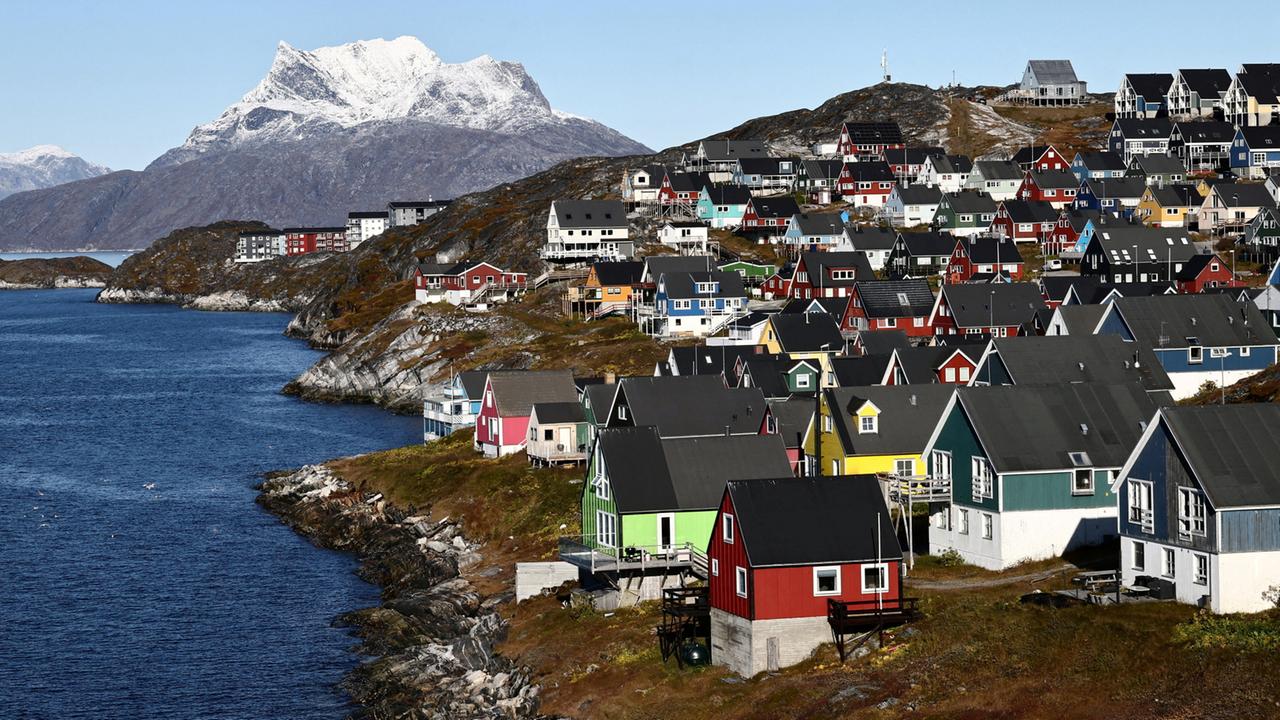
Mia Chemnitz, a resident of Nuuk and proprietor of a small shop specializing in Arctic musk ox wool products, found herself glued to live broadcasts from New York on Tuesday afternoon. Her usual focus on artisanal crafts was momentarily eclipsed by the gravity of the unfolding situation. "I initially couldn’t believe it was actually happening, that we had secured a good deal," Chemnitz recounted, her voice tinged with a residual nervousness. "As the day progressed, I grew more and more anxious until the agreement was finally signed. I was truly holding my breath."
Her sentiment reflects a broader sentiment within Greenland – a deep-seated desire for an end to the speculative rhetoric and the potential for unilateral action that had characterized the preceding months. The specter of Trump’s past pronouncements, ranging from outright purchase to asserting military dominance, had created a climate of anxiety. The signing of this agreement, therefore, represents not just a diplomatic achievement but a much-needed psychological respite.
Behind the Scenes: Negotiations and Strategic Considerations
The complexities of the negotiations were keenly felt by those at the highest levels of government. Troels Lund Poulsen, who served as Denmark’s Minister of Defense until June, was a key figure in the intricate discussions that commenced in January. He acknowledged the inherent uncertainty that pervaded the early stages of the talks. "At the beginning of this round of negotiations, no one knew how it would end," Poulsen stated. "It was clear that the American negotiators would ultimately have to present the agreement to Donald Trump."
This acknowledgement underscores the unique challenges posed by negotiating with an administration known for its unpredictable decision-making processes. The presence of a powerful, and at times mercurial, leader at the helm of the United States introduced an element of volatility that required constant vigilance and strategic recalibration from the Greenlandic and Danish delegations.
Key Provisions of the Accord
The newly inked security agreement outlines several critical components:
- Expansion of U.S. Military Presence: The United States is committed to expanding its existing military base in Greenland and establishing two additional military outposts on the Arctic island. This signifies a deepening of the strategic partnership and a recognition of Greenland’s vital geopolitical location.
- Investment Restrictions: A significant provision of the accord restricts investments from non-NATO and non-EU states in Greenland. This measure is likely aimed at safeguarding Greenland’s strategic interests and preventing undue influence from entities that may not align with Western security objectives.
- Upholding Sovereignty and Self-Determination: Crucially, the agreement explicitly guarantees the sovereignty of the Kingdom of Denmark and the right to self-determination for Greenland. This addresses the core concerns that arose from previous discussions and reaffirms Greenland’s autonomy.
Official Reactions: Relief and Reassurance
The official responses to the agreement have been overwhelmingly positive, albeit with carefully calibrated expressions of caution. Greenland’s Premier, Jens-Frederik Nielsen, visibly relieved, appeared in New York sporting a festive Greenlandic anorak. "We stand here with an agreement, and I am satisfied with it," he declared. "My red lines were not crossed." This statement carries significant weight, indicating that Greenland’s core demands and principles were respected during the negotiations.
Denmark’s Prime Minister, Mette Frederiksen, echoed this sentiment, emphasizing the accord’s positive implications for broader security. She characterized the agreement as a strengthening of both European and transatlantic security, highlighting the interconnectedness of global stability.
Expert Analysis: A Stable Foundation with Lingering Doubts
Bo Lidegaard, a distinguished Danish diplomat and author with extensive expertise in Greenlandic security matters, offered a nuanced perspective on the agreement’s long-term impact. Speaking to Danish radio, Lidegaard was asked about the implications for Greenland’s approximately 60,000 inhabitants. "I don’t believe that this will change much in the practical reality in Greenland," he stated. "Apart from the enormous relief that the Greenlandic right to self-determination has now also been confirmed by the President’s signature."
Lidegaard’s assessment suggests that while the agreement provides a crucial political and symbolic victory, the day-to-day lives of most Greenlanders may not undergo immediate dramatic shifts. The primary achievement, from his viewpoint, lies in the formal acknowledgment and validation of their right to self-governance by a major global power.
The "Forever" Clause and the Spectre of the Tweet
A notable aspect of the agreement, as reported, is its indefinite nature. President Trump reportedly claimed the accord would last "forever," with no expiration date and no unilateral termination clause for either party. This commitment to permanence, if upheld, offers a degree of stability that was previously absent.
However, the lingering skepticism, particularly for individuals like Mia Chemnitz, stems from the unpredictable nature of American politics. "Currently, I only feel relief," she admitted. "But I know that anything can happen if Trump, perhaps, starts tweeting something again on a Saturday evening. However, I know that the deal looks good, and that Greenland and Denmark both stand behind it. Everything else is not in our power."
Her words encapsulate a pragmatic understanding of the geopolitical landscape. While the official agreement provides a framework of security and respect for sovereignty, the potential for sudden shifts in political rhetoric and policy remains a persistent undercurrent of concern. The enduring power of social media pronouncements, especially from a figure like President Trump, casts a long shadow, reminding Greenland and its allies that diplomatic agreements, while significant, are not always immune to unforeseen influences.
Implications for the Arctic and Beyond
The Greenland-U.S. security agreement has several far-reaching implications:
- Arctic Strategic Landscape: The reinforcement of the U.S. military presence in Greenland solidifies its strategic importance in the rapidly changing Arctic region. As climate change opens new shipping routes and access to resources, a stable and secure Greenland becomes increasingly vital for both military and economic interests.
- Danish-Greenlandic Relations: The accord appears to have successfully navigated the complex relationship between Denmark and Greenland, ensuring that Greenland’s autonomy and self-determination are safeguarded within the framework of the agreement.
- Transatlantic Alliance: The pact is presented as a testament to the strength and resilience of the transatlantic alliance, demonstrating a shared commitment to security and stability in a volatile global environment.
- Future of International Diplomacy: The prolonged period of uncertainty and the eventual resolution of the security concerns highlight the evolving nature of international diplomacy in the 21st century, where public pronouncements and digital communication can play as significant a role as traditional diplomatic channels.
In conclusion, the signing of the security agreement between Greenland and the United States marks a significant turning point. It provides a much-needed sense of closure and stability after a period of intense diplomatic pressure. While the official pronouncements are of relief and satisfaction, the undercurrent of skepticism, particularly regarding the unpredictable nature of American leadership, suggests that vigilance and continued dialogue will remain crucial in ensuring the long-term security and sovereignty of Greenland. The agreement, while a victory, is likely to be viewed as a foundation upon which future diplomatic efforts will build, always with an eye on the ever-shifting sands of global politics.