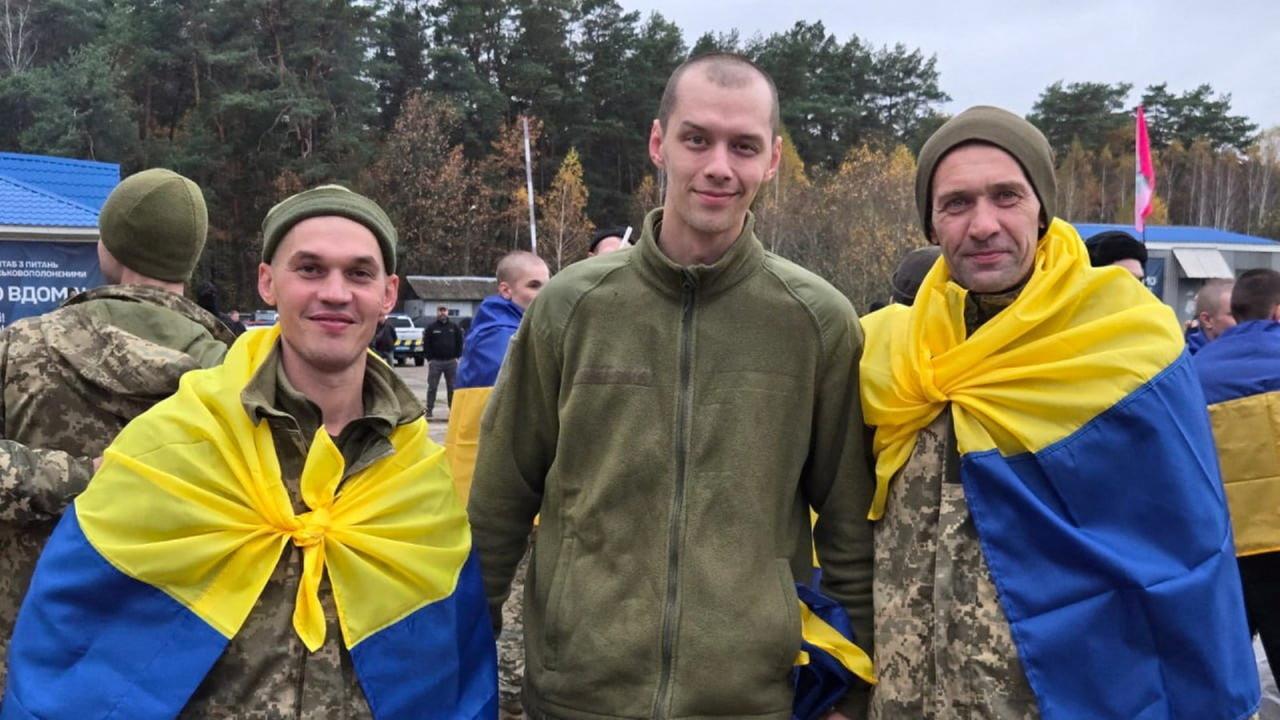
Kyiv/Moscow – October 23, 2026 – In a significant development that offers a glimmer of hope amidst the protracted conflict, Russia and Ukraine have successfully executed a large-scale prisoner exchange. The operation, which saw 270 individuals repatriated by each side, is reportedly the culmination of an agreement that had been in the works for an extended period. Among the returning Ukrainians are soldiers who were previously presumed dead, a poignant testament to the enduring human cost of the war. This exchange, facilitated by ongoing diplomatic efforts, underscores the persistent, albeit challenging, channels of communication between the warring nations.
The agreement, meticulously planned and executed, signifies a crucial step in addressing the humanitarian crisis spawned by the ongoing conflict. The return of prisoners of war and civilian detainees has been a consistent demand from both Kyiv and Moscow, and this exchange represents a tangible, albeit partial, fulfillment of those calls. The involvement of the International Committee of the Red Cross (ICRC) and other humanitarian organizations is understood to have been instrumental in facilitating the complex logistics and ensuring the welfare of the individuals involved throughout the process.
A Chronology of Hope: Tracing the Path to Repatriation
The recent prisoner exchange is not an isolated event but rather a continuation of a series of such operations that have occurred since Russia’s full-scale invasion of Ukraine in February 2022. These exchanges, often conducted under challenging circumstances and with varying degrees of transparency, have become a critical, albeit grim, facet of the conflict’s humanitarian dimension.
The initial large-scale exchange of the current series took place on August 19th, when 103 Ukrainian servicemen were liberated from Russian captivity. This was followed by a further ten individuals being returned to Ukraine later in the same month. These earlier operations, while significant for the individuals and families directly impacted, set the stage for the more comprehensive exchange that has now taken place.
Sources within the Ukrainian government have indicated that the agreement for the current exchange had been in place for a considerable duration, suggesting a protracted negotiation process. The coordination of such complex operations requires meticulous planning, including the identification of individuals, verification of their status, and the arrangement of secure transportation routes. The delay in execution likely reflects the volatile security situation and the intricate diplomatic maneuvering required to reach a consensus.
The Russian Ministry of Defense, as reported by the state-owned TASS news agency, confirmed the exchange, stating that 270 Russian soldiers were handed over to their homeland. Simultaneously, the agency reported that both sides also exchanged the remains of deceased soldiers, a somber but necessary undertaking to provide closure for grieving families.
The Human Toll: Lives Rescued from the Brink
The most emotionally resonant aspect of this exchange is the return of individuals who were previously believed to have perished. For the families who had mourned their loved ones, this news offers an unexpected and profound sense of relief. The Ukrainian government confirmed that nine civilians were among the repatriated individuals, highlighting the broader impact of the conflict on the civilian population.
President Volodymyr Zelenskyy, speaking via the social media platform X (formerly Twitter), expressed his profound gratitude to all involved in facilitating the return of Ukrainian citizens. He specifically mentioned that the majority of the military personnel had been held captive since 2022, underscoring the protracted nature of their ordeal.
Of particular significance is the reported return of five individuals who were previously presumed dead. These individuals were held in the notorious Russian detention facility in Olenivka. In July 2022, a devastating explosion at the Olenivka penal colony resulted in the deaths of numerous Ukrainian prisoners of war. While Ukraine has consistently blamed Russia for the incident, the exact circumstances remain unclear and a subject of ongoing investigation and international scrutiny. The fact that these five individuals survived and have now been repatriated offers a glimmer of hope to families who may still be awaiting news of loved ones lost in similar circumstances. Their survival from such a catastrophic event and subsequent captivity is a testament to their resilience and the persistent efforts of those working for their release.
The Russian soldiers who have been returned are currently in Belarus, where they are undergoing initial medical and psychological assessments. According to the Russian Ministry of Defense, after receiving immediate care, all repatriated personnel will be transported back to Russia for further treatment and rehabilitation in medical facilities operated by the Russian military. This post-exchange care is a crucial step in their reintegration and recovery after their time in captivity.
Supporting Data and Context: A Broader Perspective on Exchanges
The current exchange, involving 270 individuals from each side, represents one of the largest such operations since the commencement of the full-scale invasion. While specific figures on the total number of prisoners held by each side are not publicly available, it is understood that thousands of individuals have been exchanged since February 2022. These operations, often referred to as "all for all" exchanges, aim to repatriate as many captured personnel as possible.
The frequency and scale of these exchanges can be influenced by various factors, including the intensity of fighting, the success of diplomatic initiatives, and the perceived value of captured personnel. The current exchange, following previous significant operations in August, suggests a renewed focus on prisoner repatriation as a humanitarian imperative.
The involvement of Belarus as a transit point for the returning Russian soldiers is also noteworthy. Belarus has been a staunch ally of Russia throughout the conflict, providing logistical and military support. The use of Belarusian territory for the reception of Russian POWs underscores the close ties between the two nations.
Official Responses and Diplomatic Undercurrents
The official responses from both Kyiv and Moscow have been measured, focusing on the humanitarian aspect of the exchange. President Zelenskyy’s statement on X conveyed a sense of relief and gratitude, highlighting the government’s commitment to bringing its citizens home. The Ukrainian Coordinating Staff for the Treatment of Prisoners of War confirmed that the exchange had been long-planned, emphasizing the sustained diplomatic efforts involved.
The Russian Ministry of Defense’s statement, as reported by TASS, provided factual details about the number of personnel repatriated and the subsequent care arrangements. The exchange of remains, while somber, also signifies a step towards closure for the families of the fallen.
Behind the official statements, however, lie complex diplomatic negotiations. Prisoner exchanges often serve as a barometer for the broader state of relations between warring parties. The successful execution of such a large-scale operation suggests that, despite the ongoing hostilities, there remain avenues for communication and cooperation on humanitarian issues. These exchanges can also be seen as a tool for building trust, however incrementally, and for signaling a willingness to de-escalate certain aspects of the conflict.
Implications and the Road Ahead: A Fragile Hope
The implications of this prisoner exchange are multifaceted. On a humanitarian level, it offers immense relief to the individuals repatriated and their families, providing a much-needed respite from the trauma of captivity. The return of those previously presumed dead is particularly significant, offering a profound emotional catharsis.
Strategically, the exchange reinforces the ongoing dialogue between Russia and Ukraine, even amidst active combat. It demonstrates that even in the darkest of times, the possibility of humanitarian cooperation persists. These exchanges can contribute to the gradual rebuilding of trust, a crucial element for any future peace negotiations.
However, it is essential to temper optimism with realism. This exchange, while significant, does not represent a fundamental shift in the conflict. The war continues, and the underlying geopolitical tensions remain unresolved. The number of individuals still held captive on both sides is likely substantial, and future exchanges will be necessary to address the full scope of this humanitarian crisis.
Furthermore, the circumstances surrounding the Olenivka incident, and the continued lack of clarity, serve as a stark reminder of the atrocities and unresolved questions that plague the conflict. The pursuit of accountability for war crimes and the establishment of a comprehensive peace settlement remain paramount.
In conclusion, the recent prisoner exchange between Russia and Ukraine is a significant humanitarian event that offers a much-needed beacon of hope. It underscores the resilience of the human spirit and the persistent efforts of those working to alleviate the suffering caused by the war. While this development should be welcomed, it also serves as a reminder of the long and arduous road ahead in achieving a lasting peace and resolving the complex challenges that continue to plague the region. The successful repatriation of these individuals, especially those believed lost, provides a powerful impetus for continued diplomatic engagement and a renewed commitment to humanitarian principles.