Paris, France – October 23, 2026 – A shocking act of violence has plunged the southwestern suburbs of Paris into turmoil. A man armed with a firearm opened fire on unsuspecting pedestrians in the towns of Trappes and La Verrière late this morning, leaving one person dead and four others, including a child, seriously injured. The French anti-terror prosecutor’s office has launched an immediate investigation, examining the possibility of a racist motive behind the brutal assault.
The incident, which occurred around late morning, has sent ripples of fear and outrage through the community. The shooter, a 39-year-old man, was apprehended at the scene. French Interior Minister Laurent Nuñez confirmed the arrest, stating that the gravity of the situation warranted the immediate involvement of the national anti-terror authorities. "This is being treated as a terrorist act," Nuñez declared, underscoring the heightened state of alert in France following a series of security concerns.
The anti-terror prosecutor’s office announced it is investigating "homicide in connection with a terrorist undertaking," specifically referencing "actual or supposed belonging to a particular ethnicity, nation, or religion." This broad scope suggests a deliberate targeting based on identity, a chilling prospect that has intensified concerns about the country’s social fabric.
A Community Gripped by Fear and Uncertainty
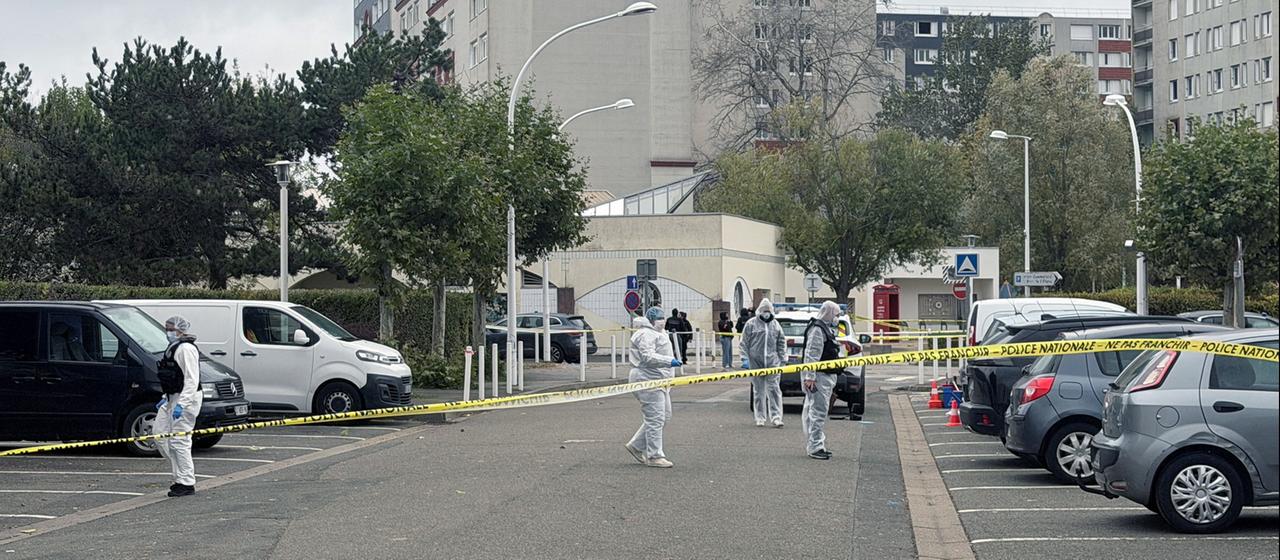
The quiet towns of Trappes and La Verrière, located approximately 30 kilometers southwest of the French capital, were shattered by the gunfire. Witnesses described scenes of chaos and disbelief as the attacker unleashed his weapon from a moving vehicle. The immediate aftermath saw a heavy police presence, with emergency services working tirelessly to attend to the wounded and secure the area.
The victim, identified as a man of African descent, succumbed to his injuries at the scene. Among the seriously wounded are a child, whose condition is being closely monitored, and individuals from North African backgrounds, according to local officials. The precise identities of all victims are being withheld pending notification of their families.
The swift mobilization of law enforcement and the immediate escalation of the investigation to the anti-terror unit highlight the perceived severity of the attack. France has been on high alert for potential extremist threats, and any incident with potential ideological underpinnings is treated with the utmost seriousness.
Chronology of a Devastating Event
The timeline of this tragic incident began late this morning, with reports of a shooting emerging from the towns of Trappes and La Verrière. Eyewitness accounts paint a picture of a sudden and brutal assault.
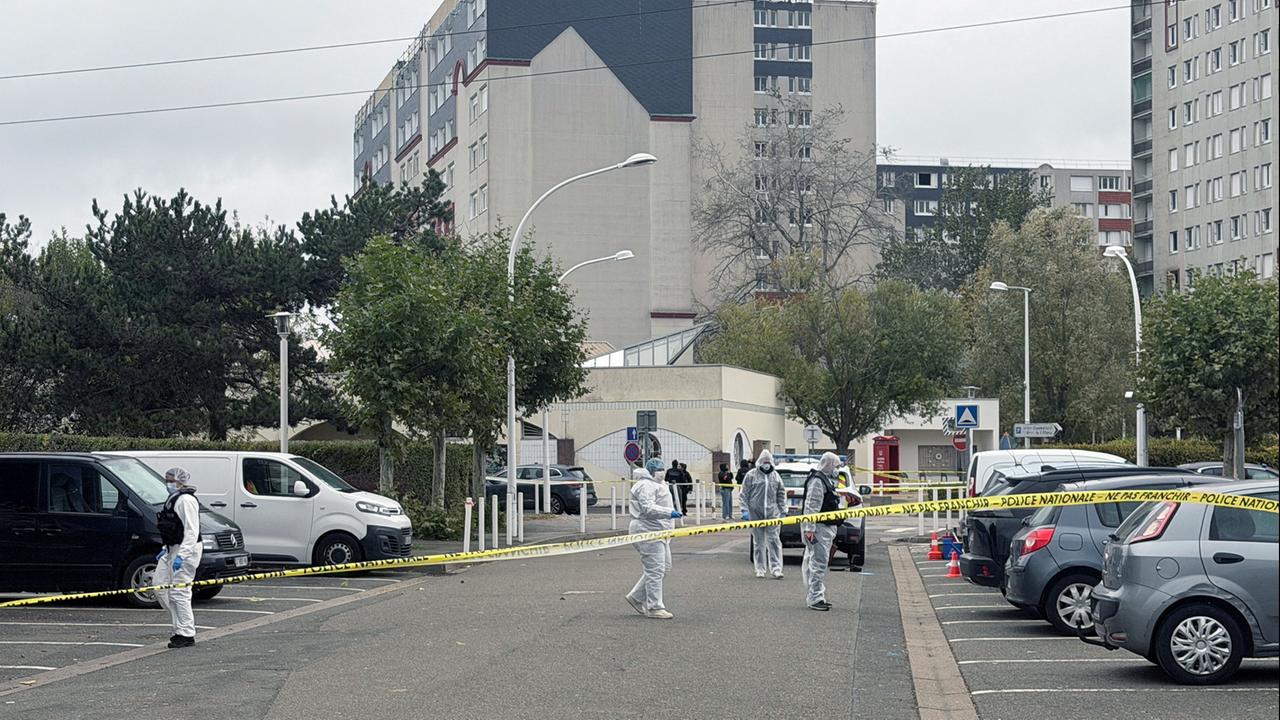
- Late Morning: A man, driving a vehicle, opened fire on pedestrians in the streets of Trappes and La Verrière.
- Immediate Aftermath: Emergency services were dispatched to the scene, with a significant police presence cordoning off the affected areas.
- Apprehension of Suspect: A 39-year-old male suspect was arrested by authorities shortly after the incident.
- Confirmation of Casualties: Reports confirmed one fatality and four serious injuries, including a child.
- Anti-Terror Investigation Launched: The French anti-terror prosecutor’s office took charge of the investigation, citing the potential for a terrorist motive.
- Official Statements: Interior Minister Laurent Nuñez confirmed the arrest and characterized the incident as a terrorist act. Minister for the Fight Against Discrimination, Aurore Bergé, was also present at the scene.
- Mayoral Denunciation: Ali Rabeh, the Mayor of Trappes, unequivocally labeled the attack a "racist and probably Islamophobic act."
The rapid response and pronouncements from government officials underscore the government’s commitment to addressing the incident swiftly and decisively, while also acknowledging the deeply sensitive nature of the alleged motive.
Supporting Data and Investigative Focus
The investigation is currently focused on several key areas, including the suspect’s background, the specific nature of the weapon used, and any potential links to extremist ideologies.
- Suspect Profile: The arrested individual is a 39-year-old man with a prior criminal record. However, police sources indicate that he was not previously known to intelligence services. This detail is crucial, as it suggests the possibility of a radicalization process that may have gone undetected. Authorities are delving into his personal history, social media activity, and any known associations to establish a clearer picture of his motivations.
- Weaponry: Police reportedly seized a submachine gun and tear gas grenades from the suspect during his arrest. The presence of such weaponry indicates a level of premeditation and the potential for causing widespread harm. Ballistic analysis of the seized firearms will be critical in determining if they were used in the attack and tracing their origin.
- Potential Motive – Racist and Islamophobic Undertones: The primary investigative avenue, as stated by the prosecutor’s office, is the potential for a racist or Islamophobic motive. This is supported by the accounts of the mayor of Trappes, Ali Rabeh, who explicitly used the terms "racist" and "Islamophobic" to describe the attack. He highlighted that the deceased victim was of African descent and that one of the injured individuals was from the Maghreb region. This focus suggests that the investigation will scrutinize any evidence pointing towards a targeted attack based on ethnicity or religion.
- Broader Societal Context: The incident occurs against a backdrop of heightened social and political polarization in France, particularly concerning issues of immigration, identity, and secularism. The investigation will undoubtedly consider this broader context in its efforts to understand the roots of the violence.
Official Responses and Public Condemnation
The immediate aftermath of the shooting saw a swift and measured response from French authorities, emphasizing unity and a zero-tolerance approach to hate crimes.
Interior Minister Laurent Nuñez provided an early confirmation of the arrest and the terrorist nature of the act. His statement aimed to reassure the public while also signaling the gravity with which the government views the incident. "This is being treated as a terrorist act," Nuñez stated, reflecting the government’s concern over the potential for further extremist activity. He underscored the collaborative efforts between law enforcement and intelligence agencies to ensure public safety.
Aurore Bergé, Minister for the Fight Against Discrimination, expressed a cautious yet firm stance. While acknowledging the potential for a racist motive, she emphasized the need for concrete proof. "Should the racist character be confirmed, then I hope, of course, that the entire nation will stand behind the residents and the victims," she said. Bergé’s words conveyed a message of solidarity and a strong condemnation of any form of discrimination. "We cannot tolerate even the slightest racist or discriminatory utterance in the French Republic. We know that words can lead to violence." Her statement also served as a subtle critique of divisive rhetoric, implicitly referencing the political discourse surrounding identity and societal issues.
However, it was Ali Rabeh, the Mayor of Trappes, who offered the most unequivocal denunciation. He did not hesitate to label the attack a "racist and probably Islamophobic act." Rabeh’s strong words resonated deeply within the affected community and beyond, reflecting a local perspective that felt directly targeted. He used the tragic event to critique the prevailing political climate, stating, "We must all be clear: even the language and discourse that provide the ideological tools for such perpetrators are criminal – and we must name them as such." He directly addressed those in positions of power, saying, "Whoever declares as a minister, deputy, or presidential candidate that all the problems of this society are the fault of Arabs and Muslims: they must be clear that this discourse leads to deaths." This powerful statement directly links inflammatory political rhetoric to real-world violence, a sentiment that has been growing in recent years.
The mayor’s forceful condemnation highlights a growing frustration with what is perceived by some as a normalization of anti-immigrant and anti-Muslim sentiment in certain political circles. His words serve as a stark reminder of the potential consequences of unchecked xenophobia and hate speech.
Implications for a Divided Society
The shooting in Trappes is more than just a tragic isolated incident; it is being viewed as a deeply concerning symptom of the growing societal divisions within France. The country has been grappling with a complex interplay of issues, including immigration, integration, economic inequality, and the resurgence of far-right narratives.
The timing of this attack is particularly sensitive, occurring just days after widespread violent protests and riots that swept across France in response to a police shooting of a teenager. Those events exposed deep-seated frustrations and mistrust between certain communities and law enforcement, as well as broader socio-economic grievances. The announcement of a new protest day for tomorrow, with an unprecedented deployment of 70,000 police officers and special units, underscores the volatile state of public order.
In this already charged atmosphere, the attack in Trappes has the potential to further exacerbate tensions. It risks reigniting debates about national identity, secularism, and the place of minority communities in French society. The potential for a racist or Islamophobic motive, if confirmed, would lend further credence to fears that extremist ideologies are finding fertile ground in the current political climate.
The incident serves as a stark reminder that the rhetoric employed by political figures can have tangible and devastating consequences. The call by Mayor Rabeh for accountability for divisive discourse is a plea for a more responsible and unifying approach to public debate.
As France braces for further protests and navigates the fallout from this latest tragedy, the shooting in Trappes stands as a potent symbol of the deep fissures that threaten to undermine social cohesion. The nation faces the challenging task of addressing the root causes of extremism and division, while simultaneously ensuring the safety and security of all its citizens. The investigation into this attack will not only seek to bring the perpetrator to justice but will also undoubtedly shed further light on the complex and often painful realities of contemporary French society. The coming days and weeks will be crucial in determining how France responds to this latest manifestation of violence and whether it can find a path towards greater understanding and unity.