Berlin, Germany – A recent study by the prestigious Ifo Institute reveals a stark disparity in how Germany’s latest fuel tax rebate has benefited motorists, exposing persistent challenges in ensuring consumer relief. While drivers of gasoline-powered vehicles have seen nearly the full tax reduction passed on, those relying on diesel have received only partial savings, echoing a pattern observed in previous government interventions. The findings, published on Thursday by the Munich-based economic research institute, cast a critical light on the effectiveness and equity of the measure amidst ongoing inflationary pressures.
The "Tankrabatt," or fuel tax rebate, was re-introduced by the German government to mitigate the impact of soaring fuel prices, which had reached record highs in September, driven by global energy market volatility and geopolitical tensions. However, the Ifo analysis indicates that the intended relief is not reaching all consumers equally, prompting renewed debate over market mechanisms and the efficacy of government subsidies.
Main Facts: A Discrepancy in Relief
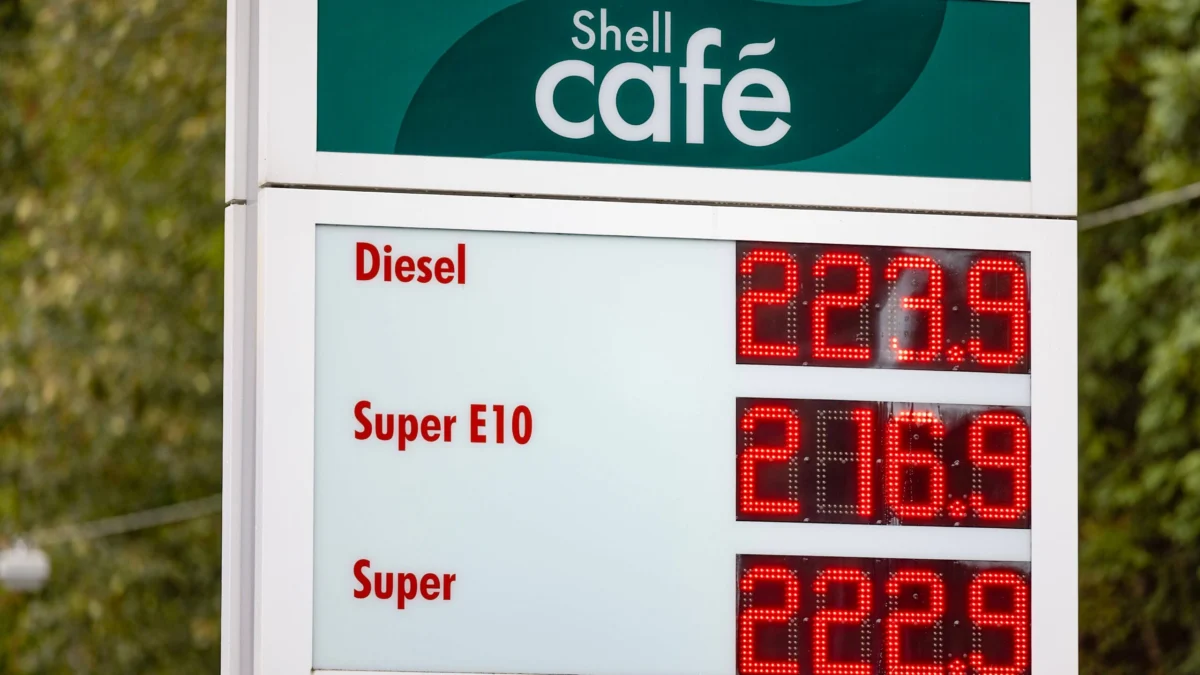
According to the Ifo Institute’s comprehensive data, the tax reduction of 17 cents per litre on Super gasoline has been almost entirely passed on to consumers. Specifically, for Super E10, the pass-through amounted to an impressive 16 cents per litre, while for Super E5, drivers benefited from the full 17-cent reduction. This near-complete transmission of savings offers a significant reprieve for millions of gasoline vehicle owners grappling with elevated living costs.
However, the picture is considerably different for diesel. "For diesel, the pass-through remains incomplete," stated Florian Neumeier, deputy head of the Ifo Centre for Public Finance. Out of the 17-cent tax cut on diesel, only approximately 14 cents have been reflected in pump prices for motorists. This three-cent shortfall per litre translates into a noticeable disparity in savings for diesel drivers, who often include a large proportion of commercial users, commuters from rural areas, and those operating heavier vehicles.
Neumeier further highlighted that this incomplete pass-through for diesel is not an isolated incident. The current situation, he explained, mirrors the experience from the first fuel tax rebate implemented in spring. Back then, too, the transmission of savings for diesel fell short of expectations. The Ifo expert also pointed out that since the inception of the current fuel tax rebate on October 1st, there have been "significant gaps" in the onward transmission of the tax reduction, indicating a consistent challenge in the diesel market specifically.
Chronology: Germany’s Repeated Bid for Fuel Relief
The German government’s decision to re-implement the fuel tax rebate comes against a backdrop of persistent energy price shocks and a tenacious battle against inflation. This is not the first time Berlin has resorted to such measures to ease the financial burden on its citizens.
Spring 2022: The First Fuel Tax Rebate
The initial "Tankrabatt" was introduced in June 2022 as part of a broader relief package designed to cushion the economic blow from the escalating energy crisis, largely triggered by Russia’s invasion of Ukraine. For three months, the energy tax on fuels was significantly reduced. At that time, the rebate amounted to approximately 35.2 cents per litre for petrol and 16.7 cents per litre for diesel. Initial analyses by the Ifo Institute and others showed a similar trend: gasoline prices reflected a substantial portion of the tax cut, but diesel prices lagged, leading to public and political debate about potential profiteering by fuel companies. This earlier experience set a precedent for the current observations regarding diesel.
Autumn 2023: Renewed Pressures and the Second Rebate
As global oil markets remained volatile and geopolitical tensions flared in various key oil-producing regions, fuel prices in Germany began to climb sharply once more. By September, pump prices had surged to levels not seen in months, pushing the overall inflation rate upwards. The German government, under mounting pressure to act, announced the reintroduction of a fuel tax rebate, albeit a more modest one, effective from October 1st. This second iteration aimed to provide direct relief to consumers and businesses, helping to stabilize purchasing power and temper inflationary spirals. The chosen reduction of 17 cents per litre across both gasoline and diesel was intended to be a swift and impactful measure.
The timing of the rebate coincided with a period of heightened economic uncertainty. The September inflation rate, largely propelled by energy costs, jumped to 3.3 percent – the highest level in almost three years. This figure underscored the urgency of government intervention and the direct link between global energy markets and domestic household budgets.
Supporting Data: The Ifo Tracker and Broader Economic Context
The Ifo Institute’s "Tankrabatt-Tracker" is a sophisticated analytical tool designed to assess the effectiveness of fuel tax reductions. Its methodology relies on a comparative approach, providing a robust framework for understanding market dynamics.
The Franco-German Comparison: A Benchmark for Pass-Through
To determine the extent to which the tax cut is passed on to consumers, the Ifo Institute compares fuel prices in Germany with those in neighbouring France. Crucially, France did not implement a comparable tax reduction during the period under observation. This allows Ifo to isolate the effect of the German tax rebate by analyzing the price differential between the two countries. If the price difference between Germany and France narrows by approximately the amount of the tax cut, it indicates a full pass-through. If it narrows by less, it suggests an incomplete pass-through.
This comparative methodology accounts for broader market trends, such as global crude oil prices, refinery costs, and exchange rates, as these factors typically affect both markets similarly. Any divergence in price trends can therefore be largely attributed to the policy intervention in Germany.
Data Sources and Reliability
The data underpinning the Ifo analysis is drawn from highly authoritative sources:
- Germany: The Market Transparency Unit for Fuels (MTS-K) of the Federal Cartel Office (Bundeskartellamt). This independent body collects real-time price data from thousands of petrol stations across Germany, ensuring a comprehensive and up-to-date picture of the domestic market.
- France: The French Ministry of Economy, which also monitors and publishes fuel price data.
The use of official and robust data sources enhances the credibility and reliability of the Ifo Institute’s findings, making them a significant reference point for policymakers and the public.
Reference Period and Tracker Evolution
For the current analysis, the Ifo Institute established a reference period of three weeks immediately prior to the introduction of the fuel tax rebate on October 1st. This baseline allows for a clear comparison of price behaviour before and after the policy change. The institute first developed and implemented these calculations in 2022, during the first fuel tax rebate, demonstrating its commitment to providing ongoing, data-driven insights into the effectiveness of economic policy measures.
Official Responses: Diverse Voices on the Rebate’s Impact
The Ifo Institute’s findings have naturally elicited a range of reactions from various stakeholders, highlighting the complex interplay of economic policy, market forces, and public expectations.
The Government’s Perspective: Balancing Relief and Fiscal Responsibility
While the initial statement from the article does not directly quote government officials, the reintroduction of the "Tankrabatt" itself serves as a clear indication of the government’s intent to provide relief. Ministries, particularly the Federal Ministry of Finance and the Federal Ministry for Economic Affairs and Climate Action, typically emphasize the necessity of such measures in times of crisis to support households and businesses.
Following the Ifo report, government spokespersons might acknowledge the findings, perhaps emphasizing the overall positive impact for gasoline drivers while noting the ongoing efforts to ensure market fairness. They might also highlight the complexities of fuel markets, where global factors, refinery capacities, and local competition all play a role. There could be calls for fuel companies to act responsibly and pass on the full savings, reiterating the government’s expectation of fair pricing.
The Bundesbank’s Sobering Inflation Outlook
Despite the dampening effect of the fuel tax rebate on consumer prices, the Bundesbank, Germany’s central bank, offers no all-clear signal regarding inflation. In its latest monthly report, the Bundesbank explicitly stated, "The inflation rate is likely to remain elevated for the time being." This cautious prognosis underscores the persistent challenges in curbing inflationary pressures across the broader economy, even with targeted interventions like the fuel tax rebate.
The Bundesbank’s assessment suggests that while the rebate might provide temporary relief in the energy sector, it alone is insufficient to bring down the overall inflation rate quickly. Factors such as strong wage growth, supply chain bottlenecks, and robust demand in other sectors continue to contribute to price increases, maintaining upward pressure on the general cost of living.
Consumer Advocacy Groups: Calls for Greater Scrutiny
Organizations like the ADAC (Germany’s largest automobile club) and various consumer protection agencies have consistently monitored fuel prices and the effectiveness of government relief measures. Their reaction to the Ifo findings would likely be one of concern, particularly regarding the incomplete pass-through for diesel.
Representatives of these groups often argue that fuel companies have a social responsibility to pass on tax reductions fully. They might call for enhanced market oversight by the Federal Cartel Office, potentially advocating for stricter regulations or investigations into pricing practices, especially for diesel. The ADAC, representing millions of motorists, would likely reiterate its demand for transparent and fair pricing, emphasizing that the rebate’s full benefit should reach the consumer, not be absorbed as additional profit by fuel retailers or distributors.
Fuel Industry Associations: Explaining Market Complexities
Fuel industry associations, such as the German Association of the Petroleum Industry (MWV), would likely respond by highlighting the intricate dynamics of the fuel market. They might argue that diesel prices are influenced by different supply-demand factors than gasoline, including its use as heating oil and industrial fuel, which can create distinct market pressures. Furthermore, they often point to the time lag between purchasing fuel at wholesale prices and selling it at the pump, as well as the impact of inventory costs, transportation, and regional competition.
Industry spokespersons might emphasize that while they strive for competitive pricing, the market is not always instantaneous in reflecting tax changes perfectly, especially for diesel where demand patterns can be more complex and supply chains potentially less agile. They would likely refute any accusations of deliberate price gouging.
Opposition Parties: Criticizing Effectiveness and Equity
Opposition political parties would likely seize upon the Ifo findings to criticize the government’s economic policies. They might argue that the "Tankrabatt" is a poorly designed instrument, wasteful of taxpayer money if the full benefit isn’t reaching consumers, and that it represents a repeat failure given the similar outcome in spring 2022.
Criticism could focus on the equity aspect, pointing out that diesel drivers, who often have fewer alternatives for commuting or business travel, are disproportionately affected. Opposition parties might advocate for more targeted support measures or alternative approaches to combat inflation, such as broader tax reforms or direct financial aid, rather than across-the-board fuel subsidies that prove uneven in their effect.
Implications: Economic, Social, and Environmental Ripples
The uneven pass-through of the fuel tax rebate carries significant implications across various facets of German society and economy.
Differential Impact on Consumers and Businesses
The primary implication is the unequal financial relief for consumers. Gasoline drivers receive substantial savings, bolstering their purchasing power to some extent. In contrast, diesel drivers, including many small and medium-sized enterprises (SMEs) relying on diesel vehicles for logistics, transportation, and agricultural purposes, receive less relief. This disparity can impact business operating costs, potentially leading to higher prices for goods and services or reduced profitability for diesel-dependent sectors. Commuters in rural areas, who often depend on diesel cars due to longer distances and fewer public transport options, also bear a heavier burden.
The Broader Inflationary Battle and Policy Effectiveness
The Bundesbank’s continued high inflation forecast, despite the rebate, underscores the challenge of using targeted subsidies to control overall price levels. If the "Tankrabatt" fails to fully translate into lower pump prices for a significant segment of motorists, its effectiveness as an anti-inflationary tool is diminished. This raises questions about the government’s strategy in combating inflation and whether alternative or complementary measures are needed. The fiscal cost of the rebate, paid for by taxpayers, becomes harder to justify if its benefits are partially absorbed by the industry rather than reaching the intended recipients.
Market Transparency and Competition
The consistent observation of incomplete pass-through for diesel, across two separate rebate periods, points to potential issues within the German fuel market. It raises questions about market transparency, competitive dynamics, and whether certain segments of the supply chain might be exerting undue pricing power. The findings could fuel calls for increased scrutiny from the Federal Cartel Office to investigate potential anti-competitive practices or market inefficiencies that prevent the full transmission of tax cuts.
Fiscal Costs and Opportunity Costs
Implementing a fuel tax rebate represents a substantial fiscal outlay for the government, funded by taxpayer money. If a significant portion of this outlay does not translate into consumer savings, it implies a less efficient use of public funds. The money spent on the rebate has opportunity costs – it could have been allocated to other pressing public needs, such as investments in public transport infrastructure, renewable energy projects, education, or healthcare. This fiscal burden, combined with uneven effectiveness, could lead to public disillusionment with such policy instruments.
Environmental Considerations
From an environmental perspective, fuel tax rebates can be seen as counterproductive to climate goals. By making fossil fuels cheaper, even temporarily, they can disincentivize fuel-efficient driving, reduce the appeal of public transport, and slow down the transition to electric vehicles. While the immediate goal is consumer relief, such measures can send mixed signals regarding Germany’s long-term commitment to decarbonization and the energy transition. The debate often pits short-term economic relief against long-term environmental sustainability.
Looking Ahead: Policy Debates and Future Challenges
The Ifo Institute’s latest report on the fuel tax rebate is likely to intensify policy debates in Germany, challenging the government to reassess its approach to energy price relief and inflation management.
Calls for Greater Oversight and Enforcement
The recurring issue with diesel’s incomplete pass-through will undoubtedly lead to renewed calls for stricter oversight of the fuel market. Policymakers might consider empowering the Federal Cartel Office with greater authority to monitor pricing behaviour and intervene if evidence of market manipulation or insufficient competition emerges. There could be discussions about mechanisms to ensure that government-mandated price reductions are indeed passed on, potentially through fines or other deterrents.
Alternative Relief Measures
The limited and uneven success of the "Tankrabatt" could prompt a re-evaluation of alternative relief measures. Instead of broad, untargeted subsidies, the government might explore more focused interventions, such as:
- Targeted direct payments: Providing financial aid directly to low-income households or specific sectors heavily impacted by fuel costs.
- Public transport subsidies: Investing more in affordable public transport options to reduce reliance on private vehicles.
- Energy efficiency programs: Incentivizing energy-saving measures in homes and businesses to reduce overall energy consumption.
- Support for sustainable mobility: Accelerating the rollout of charging infrastructure and incentives for electric vehicles.
These alternatives could offer more equitable and environmentally aligned solutions, addressing the root causes of energy dependency rather than merely subsidizing consumption.
The Future of Energy Policy
The ongoing volatility in global energy markets, coupled with the domestic challenges highlighted by the Ifo report, underscores the critical need for a robust and resilient energy policy. Germany’s long-term strategy involves a significant shift towards renewable energy sources and reduced reliance on fossil fuels. While short-term relief measures are necessary, they must be integrated into this broader vision. The debate will likely focus on how to balance immediate consumer needs with the imperative of achieving climate targets and ensuring long-term energy security.
Conclusion
The Ifo Institute’s analysis provides a crucial snapshot of the effectiveness of Germany’s latest fuel tax rebate, revealing a nuanced reality where relief is far from uniform. While gasoline drivers have largely benefited from the intended savings, diesel users continue to experience an incomplete pass-through, a persistent issue that mirrors previous government interventions. This disparity, coupled with the Bundesbank’s cautionary outlook on inflation, ignites a critical debate on the efficacy, equity, and fiscal responsibility of such policy instruments.
The findings challenge policymakers to look beyond superficial price adjustments and delve into the structural complexities of the fuel market. Moving forward, Germany faces the dual task of ensuring that relief measures genuinely benefit all citizens while simultaneously pursuing sustainable long-term energy solutions. The "Tankrabatt" saga serves as a potent reminder that even well-intentioned government interventions can yield uneven results, demanding continuous evaluation and adaptation in the face of dynamic economic realities. The ultimate success of Germany’s efforts to mitigate energy price shocks will hinge on its ability to craft policies that are not only effective but also equitable and strategically aligned with its broader economic and environmental objectives.