

ZURICH, Switzerland – May 16, 2026 – The aspirations of the German national ice hockey team for a strong start to the 2026 IIHF Ice Hockey World Championship were dampened significantly today as they succumbed to a 1:3 defeat against perennial powerhouse Finland. Playing their inaugural Group A preliminary round match in Zurich, the squad under Bundestrainer Harold Kreis faced a formidable opponent known for its disciplined play and offensive prowess, ultimately failing to convert their efforts into a winning performance.
The loss, coming on the opening day of their campaign, immediately places Germany in a challenging position within a highly competitive Group A. While it is only the first game of a long tournament, the result underscores the immense task ahead for the German contingent as they aim to navigate the demanding schedule and secure a spot in the knockout stages. The match, keenly anticipated by fans and analysts alike, offered an early litmus test for Germany’s medal ambitions following their remarkable silver medal finish in 2023, and it revealed areas that will require immediate attention from the coaching staff.
The contest unfolded with the expected intensity of an international championship clash. Finland, known for its strategic approach and deep talent pool, efficiently capitalized on its opportunities, while Germany, despite moments of spirited play, struggled to find the decisive edge in front of goal. The lone German tally provided a glimmer of hope, but it was ultimately insufficient to overcome the Finnish advantage. This early setback against a top-tier nation will undoubtedly fuel discussions about team strategy, player form, and the mental fortitude required to compete at the highest level of international ice hockey.
Main Facts
Opening Defeat for Germany
The German national ice hockey team commenced their 2026 IIHF Ice Hockey World Championship journey with a 1:3 loss against Finland. The Group A preliminary round match, held in Zurich, Switzerland, on May 16, 2026, saw the German side, coached by Harold Kreis, struggle to convert chances against a defensively sound Finnish team. Despite a valiant effort, particularly in the latter stages, Germany was unable to match the clinical efficiency of their Nordic rivals. The defeat marks a less-than-ideal start for a team that has shown significant progress in recent years and harbored ambitions of contending for a medal.
A Familiar Foe
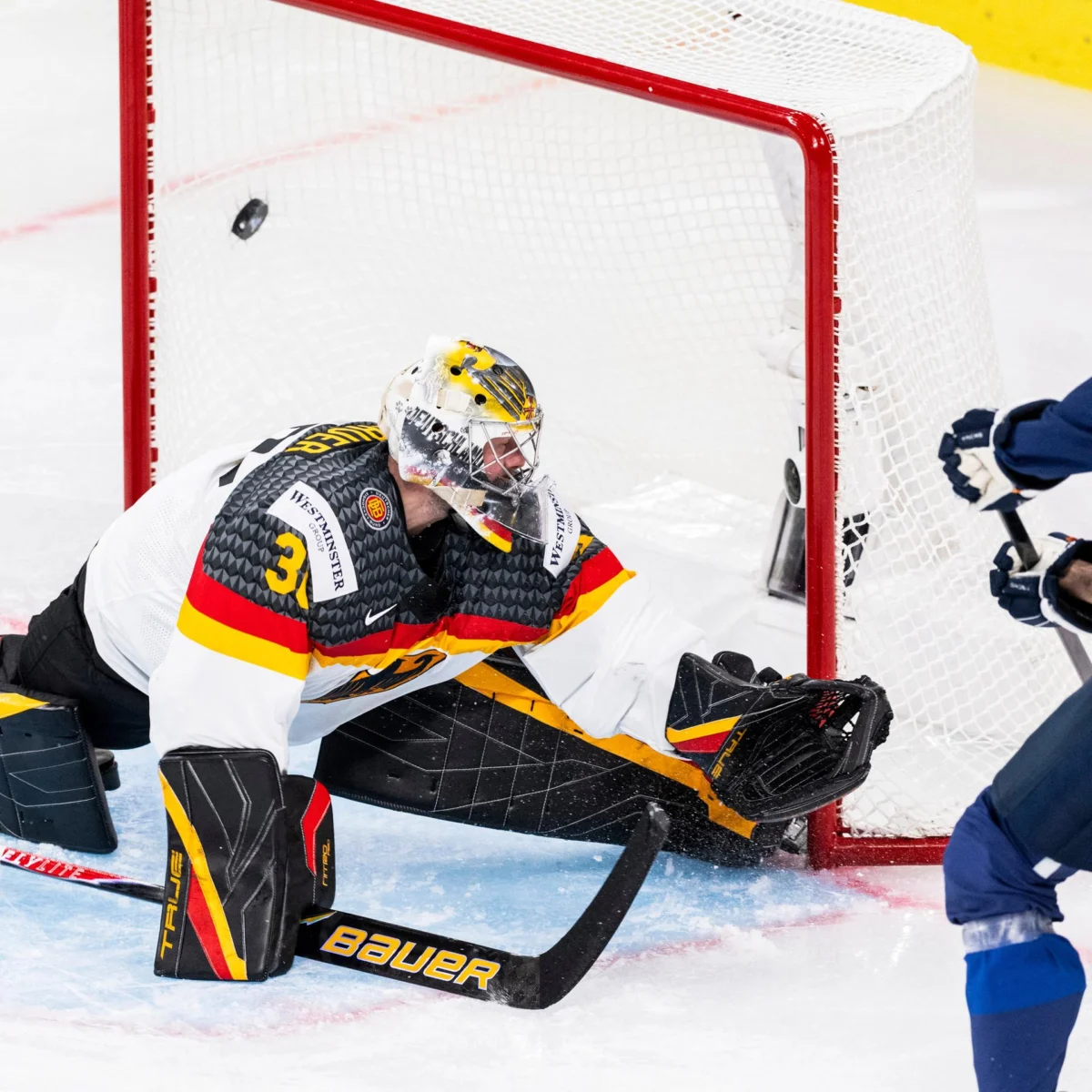
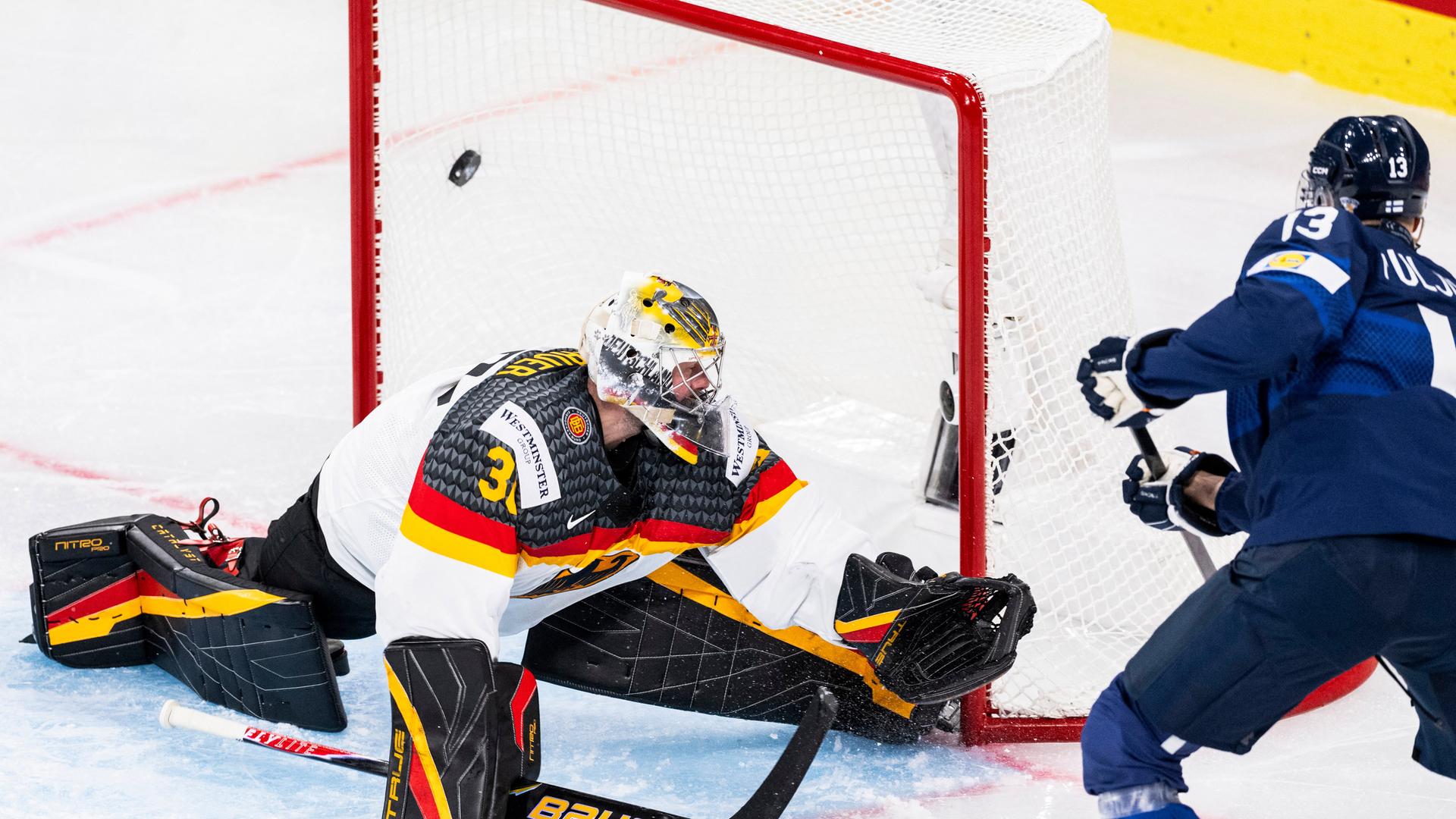
Finland, a nation with a rich history in international ice hockey, once again proved to be a formidable opponent for Germany. Known for their tactical discipline, strong goaltending, and opportunistic offense, the Finns entered the tournament as one of the favorites, and their performance against Germany validated that reputation. The image captured during the game, showing Finnish forward Jesse Puljujarvi scoring against German goaltender Philipp Grubauer, encapsulates a key moment where Finland demonstrated their offensive quality. Facing such a high-caliber opponent in the opening game was always going to be a significant challenge, and the result reflects the ongoing gap that Germany is striving to bridge against the traditional hockey powerhouses.
Early Tournament Implications
This opening defeat carries immediate implications for Germany’s standing in Group A. With only the top four teams from each group advancing to the quarterfinals, securing points in every game, especially against direct rivals, is crucial. While one loss does not define a tournament, it puts added pressure on the German squad to perform exceptionally in their subsequent matches. The path to the knockout stage now appears steeper, requiring a rapid regrouping and an enhanced focus on execution for the remainder of the preliminary round. The psychological impact of an opening loss, particularly against a top-ranked team, will also need to be managed carefully by the coaching staff.

Chronology
Pre-Game Expectations: High Hopes and Cautious Optimism
The atmosphere surrounding the German team prior to the opening puck drop against Finland was a blend of high hopes and cautious optimism. Following their historic silver medal performance at the 2023 World Championship, expectations for Germany had undeniably risen. Fans and media alike looked to Bundestrainer Harold Kreis to build on that success, with the squad featuring a mix of seasoned veterans and promising young talent, including NHL standouts. Key players like goaltender Philipp Grubauer, a pillar of stability, and dynamic forwards were expected to lead the charge. The training camp leading up to the tournament had reportedly been intense and focused, with Kreis emphasizing defensive solidity and efficient special teams play. However, the shadow of Finland, a team that has consistently challenged Germany and often emerged victorious in past encounters, loomed large. Analysts had predicted a tight contest, with many acknowledging Finland’s status as a slight favorite due to their consistency and tactical prowess. The message from the German camp was clear: start strong, play disciplined, and seize every opportunity.
First Period: A Cautious Start and Finnish Pressure
The game began with palpable tension in the Zurich arena. Both teams adopted a relatively cautious approach in the opening minutes, prioritizing defensive structure over reckless offensive charges. The initial exchanges were marked by tight checking in the neutral zone and a battle for puck possession along the boards. Finland, however, gradually began to assert control, utilizing their superior puck movement and quick transitions to generate the first meaningful scoring chances. German goaltender Philipp Grubauer was called into action early, making several crucial saves to keep the score tied. Germany struggled to establish a consistent forecheck, often finding themselves pinned in their own zone. Despite the Finnish pressure, the German defense, led by its experienced blueliners, held firm, blocking shots and clearing the crease effectively. The first period ended goalless, a testament to Grubauer’s performance and Germany’s defensive resilience, but also an indicator of Finland’s growing dominance in possession and offensive zone time.
Second Period: Finland Takes Control with Timely Goals
The second period saw Finland translate their territorial advantage into goals, fundamentally shifting the momentum of the game. Just five minutes into the period, Jesse Puljujarvi, a dynamic forward known for his powerful shot, broke the deadlock. A quick pass from behind the net found Puljujarvi in the slot, and he wasted no time firing a wrist shot past Grubauer’s glove side, sending a wave of Finnish cheers through the arena. The goal seemed to inject more confidence into the Finnish squad, who began to play with increased fluidity. Germany attempted to respond, generating a couple of promising counter-attacks, but Finnish goaltender Juho Olkinuora stood tall, denying Germany’s best opportunities. Midway through the period, Finland capitalized on a power play opportunity. A German penalty for tripping gave Finland the man advantage, and after some crisp passing, their captain, Marko Anttila, found the back of the net with a slapshot from the point, extending Finland’s lead to 2:0. Germany managed to pull one back late in the period, with a gritty goal from a rebound in front of the net, giving them a much-needed lifeline. This momentary flicker of hope revitalized the German bench and their supporters, narrowing the deficit to 2:1 heading into the final frame.
Third Period: German Push and Finnish Resilience
Entering the third period trailing by a single goal, Germany intensified their offensive efforts, displaying renewed urgency and determination. They pushed hard for the equalizer, throwing everything they had at the Finnish net. Shots came from all angles, and the German forecheck finally started to pay dividends, creating sustained pressure in Finland’s zone. However, the Finnish defense, known for its disciplined structure and ability to clog the shooting lanes, remained resolute. Olkinuora in the Finnish net made several acrobatic saves, frustrating the German forwards. As the clock wound down, Bundestrainer Harold Kreis made the strategic decision to pull Philipp Grubauer for an extra attacker, gambling on an empty net to level the score. Despite the numerical advantage, Germany couldn’t penetrate the Finnish defensive shell. With just under a minute left, a desperate German shot missed the net, and the puck was cleared down the ice. Finnish forward Sakari Manninen seized the opportunity, calmly slotting the puck into the empty net from his own zone, securing Finland’s 3:1 victory. The final buzzer sounded shortly after, confirming Germany’s opening defeat.
Post-Match Scene: Disappointment and Determination
The immediate aftermath of the match saw a mixture of emotions. Finnish players celebrated a well-deserved victory, exchanging stick taps and acknowledging their resilient goaltender. On the German side, disappointment was palpable. Players gathered around Coach Kreis for a brief huddle, their faces reflecting the frustration of a hard-fought but ultimately unsuccessful effort. Grubauer, despite making numerous key saves, looked dejected. The German fans, though disappointed, offered a round of applause for their team’s effort, recognizing the tough challenge they had faced. The team quickly left the ice, knowing that a thorough review and quick adjustments would be necessary before their next crucial encounter. The mood was somber but not without a sense of determination to learn from the experience and bounce back stronger.
Supporting Data
Statistical Breakdown
The game statistics painted a clear picture of Finland’s efficiency and Germany’s struggles in crucial areas. Finland outshot Germany 32-25, indicating their greater sustained offensive pressure. More significantly, Finland capitalized on their power play opportunities, converting one of their two chances, while Germany went 0-for-3 with the man advantage. This special teams disparity proved to be a critical factor in the outcome. Face-off statistics were also slightly in Finland’s favor, winning 53% of the draws, which allowed them to gain possession more frequently and dictate the pace of play. Germany registered 8 penalty minutes compared to Finland’s 6, suggesting a relatively disciplined game overall, but the timing of Germany’s penalties proved costly. Puck possession metrics, though not officially tracked in ice hockey, visually favored Finland for large stretches of the game, particularly in the offensive zone. Germany’s defense blocked 15 shots to Finland’s 10, highlighting their commitment to protecting Grubauer, but this also suggests that Finland was getting more shots through.
Key Player Performances
Philipp Grubauer (Germany): Despite conceding three goals, Grubauer was arguably Germany’s best player, making 29 saves from 32 shots. His acrobatic stops in the first period prevented Finland from building an early insurmountable lead, and he continued to be a stabilizing force throughout the game. Without his heroics, the scoreline could have been far more lopsided. His performance reaffirms his status as an elite international goaltender.
Jesse Puljujarvi (Finland): The Finnish forward, who also features in the image, was a significant offensive threat. His opening goal demonstrated his skill and composure, breaking the deadlock and setting the tone for Finland’s offense. He was consistently involved in dangerous plays and proved to be a handful for the German defense.
Germany’s Offensive Struggles: While Germany’s lone goal was a result of sustained pressure and a gritty effort, the team’s top offensive players struggled to find their rhythm and convert their chances. The Finnish defense effectively neutralized Germany’s primary scoring threats, limiting their space and time with the puck. This lack of offensive punch will be a key concern for Coach Kreis moving forward.
Historical Context
Germany’s recent history in the IIHF World Championship has been marked by a significant upward trajectory. Their silver medal win in 2023 was a historic achievement, following a bronze medal in 1930 and another silver in 1953 (though that was in a different format). They have consistently reached the quarter-finals in recent tournaments, establishing themselves as a legitimate contender beyond just avoiding relegation. This progress has raised expectations within the country.
However, against Finland, the historical record remains challenging. Finland has consistently been among the top-ranked nations, winning multiple World Championships and Olympic medals. Encounters between the two nations often see Finland emerge victorious, a testament to their established hockey program. This latest defeat, while disappointing, is not entirely out of character when viewed through the lens of historical matchups, but it does serve as a reminder of the consistent challenge posed by the sport’s elite.
Group A Dynamics
Group A, hosted in Zurich, is widely considered one of the tougher groups in the 2026 tournament. Alongside Germany and Finland, it includes formidable teams such as Switzerland (the host nation), Czechia (another hockey powerhouse), Norway, Denmark, Great Britain, and Austria. Finland’s victory immediately places them at the top of the group alongside any other opening-day winners, giving them an early advantage in the race for playoff spots. For Germany, this loss means their subsequent games against teams like Switzerland and Czechia become even more critical. They will need to secure maximum points against the perceived weaker teams in the group (e.g., Norway, Denmark, Great Britain, Austria) and aim for at least one or two upset victories or strong performances against the top contenders to ensure a quarter-final berth. The pressure is now on to perform consistently and avoid further slip-ups.

Official Responses
Coach Harold Kreis’s Analysis: Disappointment and Focus on Improvement
Following the 1:3 defeat, Bundestrainer Harold Kreis addressed the media with a measured but candid assessment of his team’s performance. "Naturally, we are disappointed with the result," Kreis stated, his voice reflecting a mix of frustration and resolve. "We came here to start strong, and we fell short of that goal. Finland played a disciplined game, and they capitalized on their opportunities, especially on the power play, which was a clear difference-maker tonight."
Kreis emphasized the need for his squad to learn quickly from the experience. "We had moments where we showed what we are capable of, but we lacked consistency, particularly in our offensive zone entries and our finishing," he explained. "Philipp Grubauer was outstanding and kept us in the game, but we didn’t give him enough support offensively. We need to be sharper, more aggressive on the forecheck, and significantly improve our special teams play. This is a long tournament, and this is just the first step. We will analyze this game thoroughly, make the necessary adjustments, and come back stronger in our next match." His message was clear: while the loss was a setback, the team’s focus remained firmly on the tasks ahead and the continuous pursuit of improvement.
Player Reactions: Tough Loss, Eyes on the Next Game
Key German players echoed their coach’s sentiments, acknowledging the tough nature of the defeat while expressing determination for future games. Moritz Seider, one of Germany’s defensive anchors, commented, "It’s a tough pill to swallow. We knew Finland would be a challenge, and they played a very structured game. We fought hard, especially in the third period, but we just couldn’t find that extra gear to get the equalizer. We need to be better, more clinical, and stick to our systems for the full sixty minutes. There’s no time to dwell on this; our focus is already on the next opponent."
From the Finnish side, Jesse Puljujarvi, the scorer of Finland’s opening goal, shared his perspective: "It was a good start for us. Germany is a strong team, and we knew it wouldn’t be easy. We stuck to our game plan, played disciplined defensively, and capitalized on our chances. It’s always good to get a win in the first game of a tournament, it builds confidence." His comments highlighted Finland’s effective strategy and the confidence gained from a winning start.
Federation’s Stance: Confidence and Long-Term Vision
The German Ice Hockey Federation (DEB) released a brief statement reaffirming their confidence in the national team and coaching staff. "While the opening result against a world-class team like Finland is not what we hoped for, we have full faith in Bundestrainer Harold Kreis and his players," read the statement from DEB President Peter Merten. "The team has demonstrated incredible resilience and progress in recent years, and we are confident they will use this experience to grow stronger. The World Championship is a marathon, not a sprint, and our objectives remain unchanged: to compete at the highest level and make our nation proud. We will continue to provide the team with all the necessary support as they navigate the remainder of the tournament." The federation’s response aimed to maintain a positive outlook and alleviate any undue pressure on the team after the initial setback.
Implications
Road Ahead for Germany: Crucial Matches and Urgent Adjustments
The immediate implication of this opening loss for Germany is a significantly tougher road ahead in the preliminary round. Their next match will be critical, likely against a mid-tier opponent in Group A, where a victory is absolutely essential to avoid falling into a deeper hole. They cannot afford another slip-up, especially against teams they are expected to defeat. The coaching staff will need to make urgent adjustments, particularly to the power play unit and offensive strategies, to ensure the team can generate and convert more scoring chances. The schedule will be demanding, with games coming thick and fast, requiring not only tactical improvements but also strong physical conditioning and mental fortitude from the players. Every remaining game in Group A will now carry heightened importance, effectively becoming a must-win scenario to keep their quarter-final aspirations alive.
Tournament Aspirations: A Setback, Not a Disaster (Yet)
While an opening loss against a top-tier team is never ideal, it is not an insurmountable obstacle for Germany’s tournament aspirations. The IIHF World Championship format allows for some early defeats, provided the team can regroup and secure points in subsequent games. However, it does mean that Germany’s margin for error has significantly shrunk. To reach the quarterfinals, they will likely need to win a majority of their remaining games, including potentially upsetting another strong team or two. The dream of repeating or even surpassing their 2023 silver medal now faces a more challenging path. The focus will shift from high aspirations to the pragmatic goal of securing a top-four finish in the group. This initial setback will test the team’s character and their ability to perform under pressure.
Fan and Media Sentiment: Early Scrutiny and Calls for Improvement
The German public and media, buoyed by recent successes, will undoubtedly react to this opening defeat with a mix of disappointment and early scrutiny. While there will be understanding given the opponent’s quality, there will also be calls for immediate improvement, particularly regarding the team’s offensive efficiency and special teams play. Headlines will likely reflect the setback, and discussions will begin about potential lineup changes or tactical adjustments. The pressure from fans and media can be a double-edged sword: it can motivate, but it can also add to the burden on players. The team’s ability to block out external noise and focus on their internal objectives will be crucial in managing this aspect.

Finnish Momentum: A Strong Statement
For Finland, this 3:1 victory serves as a strong statement of intent. It provides them with valuable early points in a tough group and boosts their confidence heading into the rest of the preliminary round. Starting with a win against a strong opponent like Germany allows them to build momentum and solidify their position as one of the tournament favorites. The disciplined performance underscores their status as a well-coached and tactically astute team, setting a high bar for other contenders in the tournament.
Broader Significance of the World Championship: National Pride and Global Stage
The IIHF Ice Hockey World Championship is more than just a series of hockey games; it’s a global stage where national pride is fiercely contested, and individual players showcase their talent. For Germany, a nation where football traditionally dominates, the recent success in ice hockey has garnered significant attention and grown the sport’s profile. Performances at this tournament directly influence the development of the sport domestically, inspiring young players and attracting new fans. Every game, every win, and every loss contributes to the narrative of German hockey on the international stage. While this opening loss is a minor stumble, the overarching goal remains to demonstrate Germany’s rising stature in the world of ice hockey and to continue building on the foundations of recent achievements. The journey is long, and the true measure of the team will be their response to adversity.




















Leave a Reply