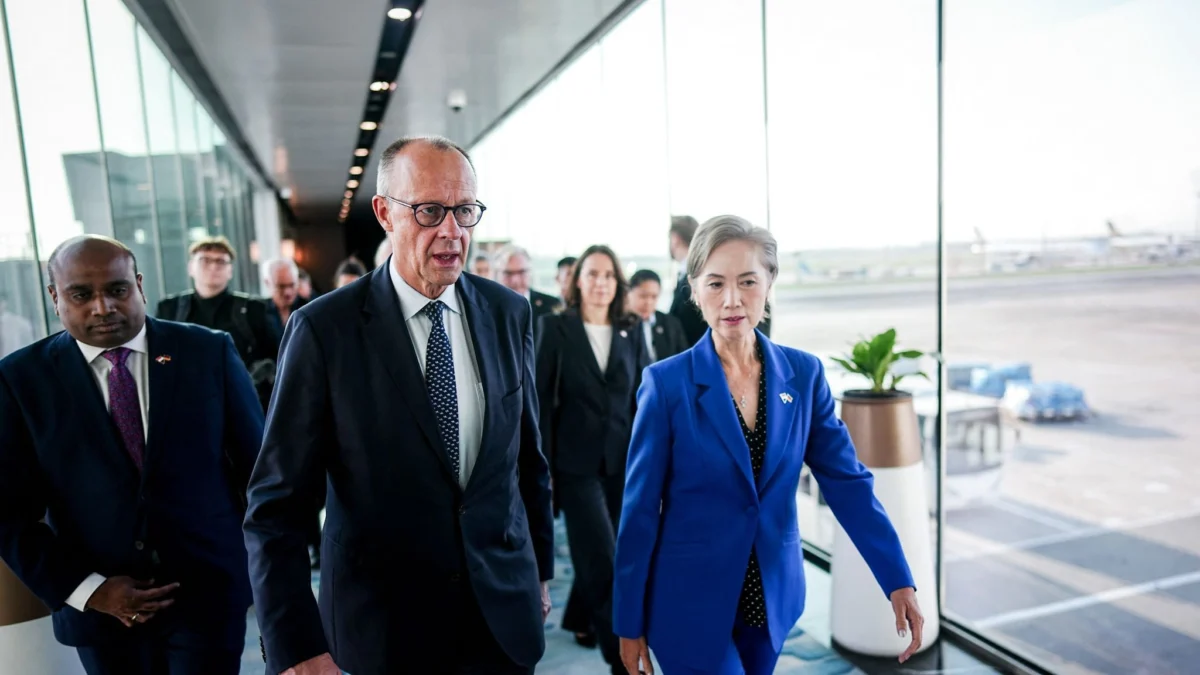
Berlin, Germany – June 21, 2026 – The German federal government has reportedly reached a contentious agreement with the Taliban de-facto regime in Afghanistan, promising to permit the entry of additional Taliban diplomats into Germany in exchange for a significant increase in deportation flights for Afghan nationals deemed serious offenders or security risks. This development, uncovered through investigations by German public broadcaster NDR, marks a substantial shift in Germany’s engagement with the unrecognized Taliban government and underscores the government’s determination to expedite repatriations.
The core of the agreement, as revealed by NDR and subsequently corroborated by diplomatic sources, involves Germany consenting to a central Taliban demand: the dispatch of six more Taliban consular officials to German soil. In return, the Taliban have committed to facilitating a greater number of return flights to Kabul, including a targeted three charter flights per month, alongside individual deportations on commercial airlines. This pact emerged from a series of confidential, multi-day discussions held last week in a hotel in Istanbul, Turkey, involving high-ranking representatives from Germany’s Federal Ministry of the Interior and the Taliban administration.
The Federal Ministry of the Interior, when queried by NDR, confirmed that "technical level" talks had indeed taken place between "representatives of the Federal Ministry of the Interior and representatives of the Afghan de-facto government." While the Ministry remained tight-lipped about the precise location and duration of these sensitive negotiations, the Foreign Office later confirmed Istanbul as the venue. This diplomatic maneuver highlights the intricate and often morally fraught balance Germany seeks to strike between its domestic security interests and its official non-recognition of the Taliban regime.
Federal Interior Minister Alexander Dobrindt (CSU) articulated the government’s firm stance, emphasizing the necessity of these deportations. Speaking to Bild am Sonntag, which also reported on the deal, Dobrindt stated that such repatriations would be conducted "regularly and reliably." He asserted, "Whoever abuses our protection and commits serious crimes here must seek their future in their home country. Our society has a legitimate interest in serious offenders leaving our country." He vowed that this policy would be "consistently implemented."
The deal comes at a time of heightened political debate within Germany regarding migration policy, particularly the deportation of individuals who have committed serious offenses. The government’s willingness to engage directly with the Taliban, even if at a "technical level," reflects the increasing pressure to demonstrate decisive action on this front.
Deep Dive into the Agreement: A Concession for Cooperation
The agreement forged in Istanbul represents a significant diplomatic concession by Germany. The Taliban have long conditioned their cooperation on deportation flights on the expansion of their diplomatic presence in Germany. Their primary justification for this demand has been practical: an increased number of consular officials is purportedly essential for the accurate identification of Afghan citizens slated for deportation and for the timely issuance of necessary travel documents. Without these documents, deportations become logistically impossible.
Currently, Germany hosts only two Taliban consular officials, who arrived in the summer of 2025. These individuals, according to NDR‘s findings, have progressively assumed de facto leadership roles at the Afghan Embassy in Berlin and the Consulate General in Bonn. This situation underscores the complex reality of engagement with a non-state actor that nonetheless controls the levers of power in Afghanistan. The additional six diplomats will significantly augment this presence, raising questions about the extent of Germany’s indirect legitimization of the Taliban’s authority.
The practical implications for Germany are immediate and substantial. The commitment to three charter flights per month, alongside individual deportations via commercial routes, promises to dramatically accelerate the repatriation process. Prior to this agreement, Germany faced considerable logistical hurdles and diplomatic friction in organizing such flights. This new arrangement aims to clear the backlog of approximately one hundred Afghan individuals currently in correctional or deportation detention, awaiting repatriation for criminal offenses or security concerns, as reported by Bild am Sonntag.
The agreement, therefore, addresses a critical bottleneck in Germany’s migration policy framework. While the German government maintains that its engagement with the Taliban is purely "technical" and does not constitute formal recognition, the act of allowing more Taliban officials onto German soil, with quasi-diplomatic functions, blurs these lines considerably.
Chronology of a Shifting Stance
The path to this agreement has been marked by escalating tensions and a clear trajectory towards more assertive deportation policies from Berlin.
Late 2025 – Early 2026: Escalating Demands
Since late 2025, the Taliban had consistently linked any cooperation on deportation flights to Germany’s willingness to grant more entry visas for their diplomatic staff. This demand was not new, but it gained significant traction as Germany intensified its focus on repatriating individuals deemed undesirable. The Taliban argued that their existing two consular officials were insufficient to handle the volume of identification and documentation required for a robust deportation process.
Late May 2026: The Stalled Flight
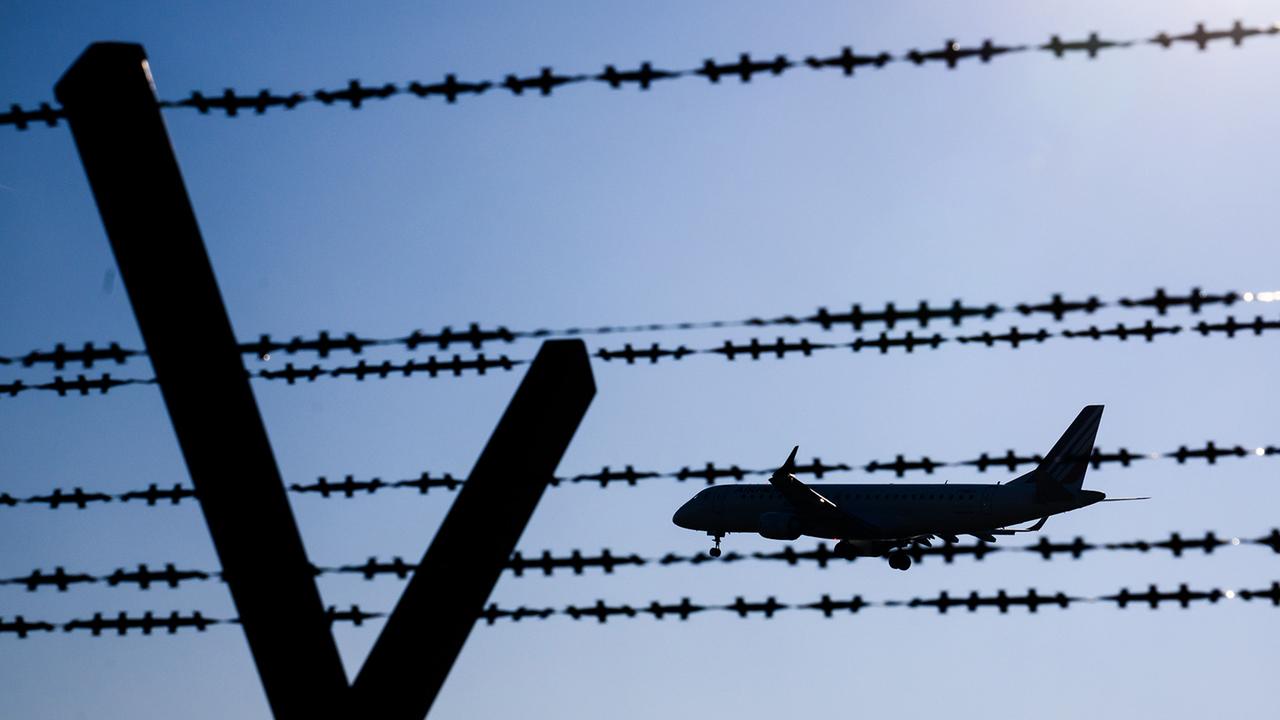
A pivotal moment occurred in late May 2026 when a planned deportation flight to Kabul had to be postponed under pressure from the Taliban. The reason was unambiguous: the German government had not yet acceded to the Taliban’s demand for additional diplomats. This incident served as a stark demonstration of the Taliban’s leverage and the practical impasse Germany faced without their cooperation. The delay underscored the critical need for a breakthrough in negotiations if Germany was serious about its deportation agenda.
Past Week (Mid-June 2026): Secret Talks in Istanbul
In response to the stalled deportations and the urgent political imperative, a confidential meeting was convened in Istanbul. High-level delegations from Germany’s Federal Ministry of the Interior and the Taliban’s de-facto government engaged in multi-day discussions. The choice of Istanbul, a neutral ground, highlights the sensitive nature of the talks. These negotiations ultimately led to the breakthrough: Germany’s concession on additional diplomats in exchange for enhanced deportation capabilities.
Monday, June 17, 2026: The Rescheduled Flight
Following the agreement, the previously postponed deportation flight was swiftly rescheduled and executed. On Monday, June 17, 2026, 32 Afghan individuals, all identified as serious offenders, were successfully deported from Leipzig to Kabul aboard a Turkish airline charter. This successful operation, the first under the new arrangement, served as tangible proof of the agreement’s immediate impact and the Taliban’s newfound cooperation.
June 21, 2026: Public Revelation and Official Statements
The details of the agreement and the preceding events were brought to light on June 21, 2026, through NDR‘s investigative reporting. This prompted official, albeit cautious, confirmations from the German government, with the Interior Ministry acknowledging "technical level" talks and the Foreign Office confirming the Istanbul location. Interior Minister Alexander Dobrindt’s subsequent forceful statements reiterated the government’s commitment to the policy of consistent deportation for criminal offenders.
Supporting Data and Contextual Insights
The German government’s intensified focus on deportations to Afghanistan comes against a backdrop of complex domestic and international factors.
The "Serious Offenders" Debate: The term "serious offenders" often encompasses individuals convicted of violent crimes, sexual offenses, drug trafficking, or those deemed a threat to national security. The public debate in Germany has increasingly called for swifter and more consistent deportation of such individuals, particularly after several high-profile criminal cases involving foreign nationals. The government, under pressure, views these deportations as a matter of internal security and public confidence in the rule of law. The current count of over one hundred "deportable" Afghan individuals in German detention underscores the scale of the challenge and the impetus behind the deal.
Challenges in Identification and Documentation: A perennial hurdle in deporting individuals to Afghanistan, even before the Taliban takeover in August 2021, has been the difficulty in verifying identity and obtaining valid travel documents. Many asylum seekers arrive without official papers, and establishing their nationality conclusively often requires cooperation from the country of origin. The Taliban, as the de-facto rulers, control the issuance of Afghan passports and other identification. Without their explicit cooperation, Germany’s ability to deport is severely hampered, often leading to protracted legal battles and individuals remaining in Germany for years. This pragmatic necessity formed the core of the Taliban’s leverage in negotiations.
The Taliban’s Quest for Legitimacy: While the Taliban’s stated reason for desiring more diplomats is practical, their underlying motivation likely extends to a broader quest for international recognition and legitimacy. By having more officials stationed in a major European capital like Berlin, even without formal diplomatic status, they gain a degree of de-facto acceptance and a platform for engagement. Each interaction, each official presence, chips away at their international isolation and strengthens their claim as the legitimate governing authority of Afghanistan. Germany, by making this concession, inadvertently contributes to this narrative, however much it tries to frame the engagement as purely "technical."
Germany’s Broader Migration Policy: This agreement fits into a wider shift in Germany’s migration policy, which has become more restrictive in recent years. While still committed to humanitarian principles, there’s a clear emphasis on deterring irregular migration, accelerating asylum procedures, and enforcing deportations, particularly for those who do not qualify for protection or commit crimes. The deal with the Taliban can be seen as a tangible outcome of this policy recalibration, prioritizing the enforcement of return decisions even if it means engaging with controversial actors.
Official Responses and Confirmations
The German government’s response to the NDR revelations has been characterized by careful wording, attempting to balance transparency with the delicate nature of the engagement.
Federal Ministry of the Interior: A spokesperson for the Federal Ministry of the Interior confirmed the occurrence of "technical level" discussions. The phrasing "representatives of the Federal Ministry of the Interior and representatives of the Afghan de-facto government" is crucial. It avoids using terms like "Taliban government" or "Afghan government," thereby maintaining the official stance of non-recognition. The Ministry’s reluctance to disclose the location or duration of the talks initially underscored the sensitivity surrounding these discussions. This guarded approach suggests an awareness of the potential political blowback from direct engagement with the Taliban.

Federal Foreign Office: In contrast to the Interior Ministry’s initial reticence on specifics, the Federal Foreign Office later confirmed to NDR that the meeting had indeed taken place in Istanbul. The Foreign Office, responsible for Germany’s external relations, would have been involved in facilitating such a meeting, even if the primary negotiations were led by the Interior Ministry. Their confirmation of the location adds a layer of official corroboration to the NDR‘s findings.
Interior Minister Alexander Dobrindt (CSU): Minister Dobrindt’s public statements were notably more direct and assertive. His emphasis on "regularly and reliably" conducted deportations and the "legitimate interest" of society in removing serious offenders signals the government’s strong political will behind this policy. His rhetoric aims to reassure a domestic audience that the government is taking firm action on migration and security, regardless of the complexities of dealing with the Taliban. His statement to Bild am Sonntag was a clear articulation of the policy’s rationale from the government’s perspective.
Previous Government Spokesperson Response: It’s worth noting that prior to this latest revelation, government spokespersons had declined to comment on an earlier tagesschau.de report regarding the delay of the May deportation flight due to the Taliban’s demands. This earlier silence indicates a deliberate strategy to manage information flow around these highly sensitive negotiations until an agreement was secured and operationalized.
Implications and Broader Analysis
The agreement between Germany and the Taliban carries significant implications across political, diplomatic, humanitarian, and practical spheres.
Political Implications: The Legitimacy Dilemma
The most immediate political implication is the inherent tension between Germany’s official policy of not recognizing the Taliban as the legitimate government of Afghanistan and its practical engagement with them. By accepting more Taliban diplomats, Germany provides the regime with increased visibility and a more substantial presence in a key European capital. While Berlin will undoubtedly continue to frame this as a purely "technical" necessity for managing migration, critics, particularly human rights organizations and opposition parties, are likely to argue that it amounts to a de-facto legitimization of a regime known for its severe human rights abuses, especially against women and girls. This agreement could set a precedent for other Western nations grappling with similar deportation challenges.
Diplomatic Ramifications: Balancing Pragmatism and Principles
Diplomatically, Germany is navigating a precarious tightrope. On one hand, the government faces strong domestic pressure to demonstrate effective control over migration and to deport criminals. On the other, it must uphold its values and international commitments regarding human rights and non-recognition of oppressive regimes. The Istanbul talks and their outcome reveal a prioritization of pragmatic security interests over strict adherence to non-engagement. This approach could be interpreted by some as a weakening of the international front against the Taliban, while others might view it as a necessary evil to address pressing domestic concerns. It also raises questions about the long-term strategy for dealing with the Taliban and whether such technical cooperation will inevitably lead to more substantive engagement.
Humanitarian Concerns: The Fate of Deportees
A major concern, particularly for human rights advocates, revolves around the safety and well-being of the deportees once they are returned to Afghanistan under Taliban rule. Afghanistan remains a country in severe humanitarian crisis, with widespread poverty, lack of basic services, and a restrictive social and political environment. For individuals with criminal records, reintegration into such a society could be exceedingly difficult, potentially exposing them to further persecution, lack of support, or even violence. The German government’s stated policy is to deport "serious offenders," but the actual conditions awaiting them in Afghanistan are a significant ethical consideration. The UN and various NGOs have repeatedly highlighted the precarious security situation and human rights abuses under the Taliban.
Practical Effectiveness: A Solution or a Temporary Fix?
From a practical standpoint, the agreement offers a clear path to unblock the deportation process, at least in the short to medium term. The increase to three charter flights a month, coupled with individual commercial flights, represents a significant logistical improvement. However, questions remain about the long-term sustainability of this arrangement. Will the Taliban continue to cooperate without further demands? What are the mechanisms for monitoring the new diplomats’ activities in Germany? And what happens if the security situation in Afghanistan deteriorates further, making even "technical" cooperation untenable? The agreement addresses an immediate operational challenge but does not resolve the fundamental dilemma of dealing with an authoritarian regime.
The Role of Other Nations: This development might also influence how other European nations approach deportations to Afghanistan. Many countries face similar challenges with identifying and repatriating Afghan nationals. If Germany’s approach proves effective in increasing deportations, it could serve as a model, potentially leading to similar, albeit perhaps less public, engagements between other European states and the Taliban. This could further erode the international consensus on isolating the Taliban.
In conclusion, the deal between Germany and the Taliban is a stark illustration of the complex realities confronting Western governments in managing migration and security in a world where geopolitical adversaries hold significant leverage. While the German government emphasizes its commitment to the rule of law and the removal of criminal elements, the price of this pragmatic solution is a deeper, albeit carefully framed, engagement with a regime whose human rights record remains deeply troubling. The coming months will reveal the true extent of this agreement’s effectiveness and its broader implications for Germany’s foreign policy and humanitarian standing.