Berlin, Germany – A proposed reform of Germany’s Disability Equality Act (Behindertengleichstellungsgesetz, BGG) is facing significant criticism, with prominent voices, including SPD politician Heike Heubach, advocating for more robust and binding obligations to ensure true accessibility across the nation. The draft legislation, intended to improve barrier-free access, has been slammed by disability advocates and even members of the governing coalition for falling short of its stated goals and potentially protecting "discriminators rather than the discriminated."
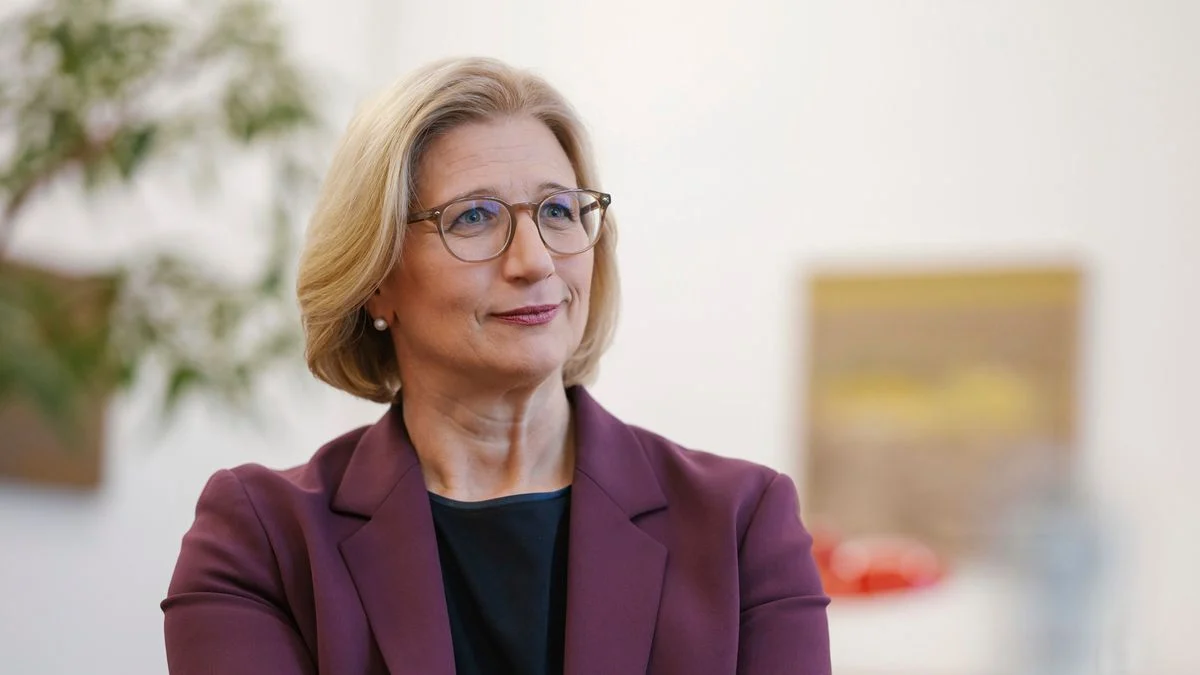
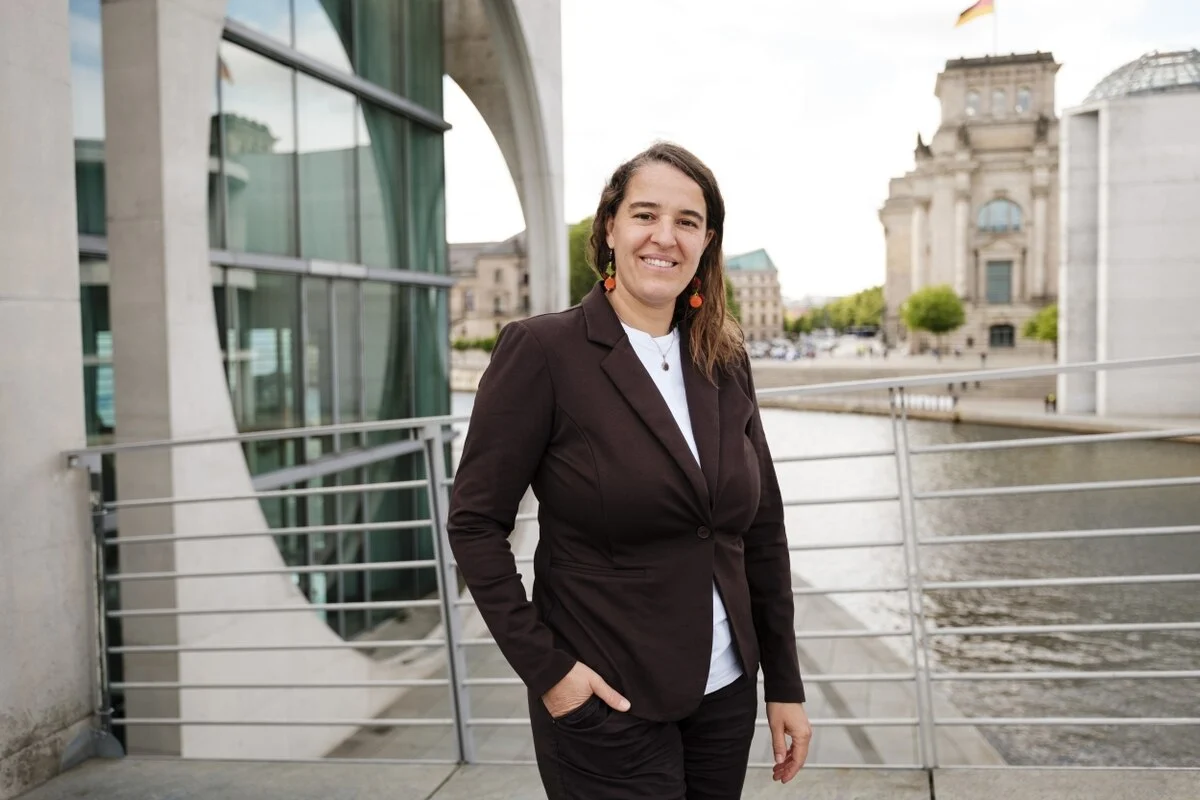
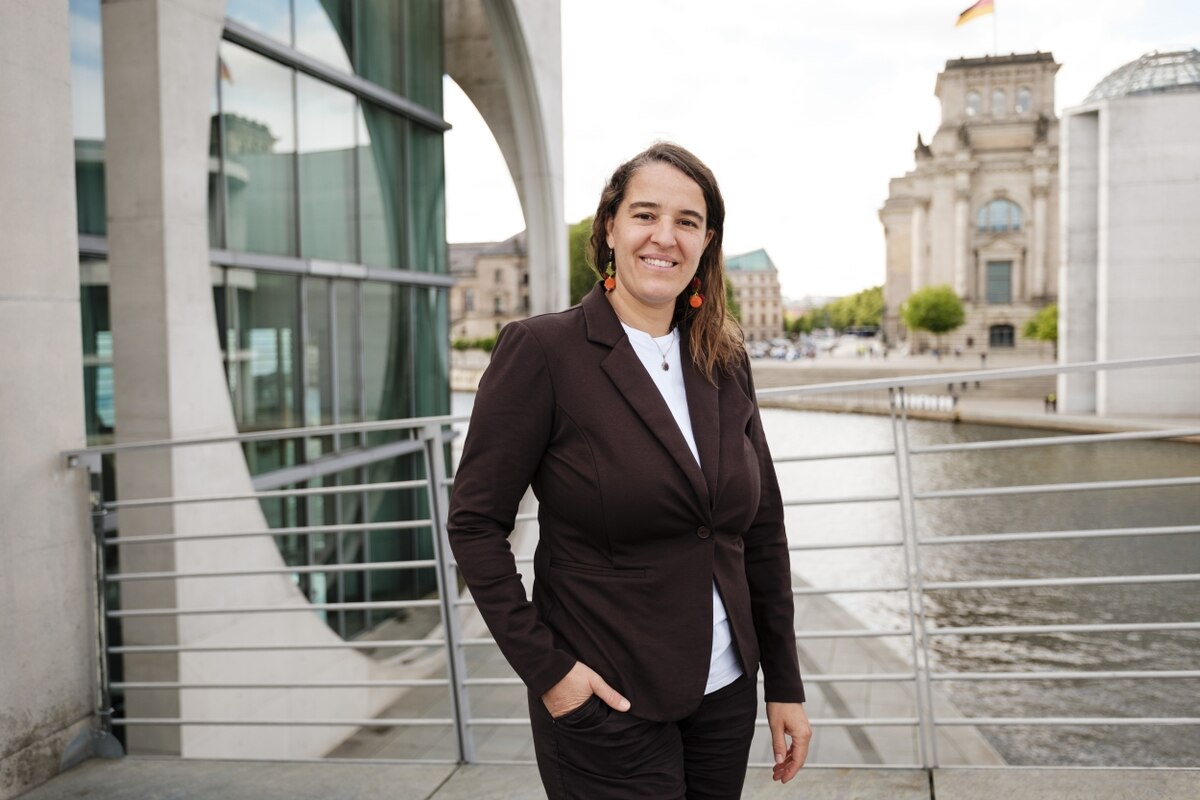
Heike Heubach, a 46-year-old trained industrial clerk and the first deaf member of the Bundestag, where she has served since 2024, is at the forefront of this internal party struggle. As the SPD parliamentary group’s spokesperson for the concerns of people with disabilities, her perspective carries particular weight, rooted in both her political mandate and personal experience. In an exclusive interview, Heubach voiced her profound dissatisfaction with the current cabinet draft, arguing that it lacks the necessary ambition and concrete measures to usher in a truly inclusive society. Her critique centers on the proposed timelines for federal buildings, the insufficient obligations placed on the private sector, and the explicit exclusion of structural modifications from mandatory accessibility requirements.
Main Facts
The core of the controversy lies in the disparity between the stated ambition of the BGG reform – to enhance accessibility nationwide – and the perceived weaknesses of the cabinet’s draft. Critics argue that the draft, far from advancing the rights of people with disabilities, risks entrenching existing barriers and inequities. Heike Heubach’s primary points of contention include:
- Unambitious Timelines for Federal Buildings: While the draft aims for federal buildings to achieve barrier-free access by 2035, mandatory implementation is only set for 2045. Heubach deems this a "too unambitious" timeline, highlighting that individuals who are 60 today would be 80 by then, having spent their entire lives waiting for basic accessibility. She emphasizes that the federal government should set an example for the private sector, not lag behind.
- Weak Obligations for the Private Sector: The draft stipulates that the private sector should undertake "reasonable accommodations" for accessibility, but crucially, it includes a clause that such measures must not constitute an "unreasonable and inequitable burden." This clause, according to Heubach, fundamentally undermines the intent, as it explicitly exempts "all structural measures" from this obligation. She fears this loophole will prevent even minor, cost-effective adjustments like ramps from being implemented.
- Exclusion of Structural Measures: Heubach points out that the explicit exclusion of structural measures means that businesses, regardless of their financial capacity, are effectively absolved from making physical changes to their premises. This, she argues, creates a two-tiered system where larger, financially robust companies face no more obligation than small businesses, rendering genuine physical accessibility nearly impossible to enforce.
- Disregard for the UN Convention on the Rights of Persons with Disabilities (UN-CRPD): Germany ratified the UN-CRPD in 2009, committing to ensuring the human rights of people with disabilities. Heubach laments that the spirit and detailed requirements of this convention have largely faded from the political discourse, with legislative bodies failing to consistently integrate its principles into their work.
Heubach’s criticism is not merely theoretical; it stems from a deep understanding of the daily challenges faced by people with disabilities. She advocates for a comprehensive approach to accessibility that extends beyond public authorities to encompass all aspects of life, from cafes and doctor’s offices to hair salons, arguing that true inclusion requires access to the entire social fabric.
Chronology of a Disappointing Draft
The journey of the BGG reform illustrates a common political struggle between idealistic goals and pragmatic, often economically driven, compromises.
The impetus for the reform stems from Germany’s ratification of the UN-CRPD in 2009. This international treaty mandates states to ensure full and equal enjoyment of all human rights and fundamental freedoms by all persons with disabilities and to promote respect for their inherent dignity. For Germany, this meant a commitment to creating a barrier-free society. Following ratification, there was an initial "good momentum," as Heubach describes, with members of the Bundestag receiving educational materials on the convention’s implications for legislation. However, over time, this initial enthusiasm and knowledge seemingly waned.
The current legislative effort began with a draft originating from the SPD-led Federal Ministry of Labour and Social Affairs (BMAS). This initial draft, according to Heubach, was more ambitious and aligned with the principles of the UN-CRPD. However, during the inter-ministerial coordination process – a crucial stage where different ministries review and provide input on proposed legislation – the draft underwent significant changes. Heubach explicitly points the finger at the Federal Ministry for Economic Affairs and Climate Action (BMWK), stating that it "altered many things in such a way that the draft hardly represents an improvement for people with disabilities." This indicates a clear tension between social policy objectives and economic considerations, where concerns about potential burdens on businesses seemingly trumped the imperative for comprehensive accessibility.
The timeline itself reveals a lack of urgency. The aspiration to achieve barrier-free federal buildings by 2035, only to make it legally binding by 2045, signals a long deferral of responsibility. This 20-year window, critics argue, is an unacceptable delay for a demographic that has already waited decades for equal participation.
Further exacerbating the climate of concern was the revelation in April of a "cuts list" commissioned by the Chancellery. This list reportedly contained drastic proposals for austerity measures affecting people with disabilities, including children and young people. Heubach describes her "stupefaction" at these proposals, which were developed without the involvement of affected individuals. Such suggestions, targeting "people with little lobby, little protection, little money," underscore a worrying trend of viewing support for people with disabilities as an expendable cost rather than an essential investment in human rights and societal well-being. This incident, while separate from the BGG reform, added to the skepticism and heightened the urgency of Heubach’s advocacy for stronger protections and obligations.
Supporting Data: The Case for Comprehensive Accessibility
Heike Heubach powerfully counters the common argument that accessibility is "too expensive" for the private sector by presenting a compelling case for its broader societal and economic benefits.
She stresses that this perspective is "far too short-sighted." While initial financial outlays might be required, implementing barrier-free solutions unlocks entirely new customer segments, leading to long-term gains for businesses. Heubach highlights a crucial demographic reality: 16 percent of the German population lives with a disability, and most disabilities are acquired later in life. This means that the need for accessibility is not a niche concern but a widespread and growing imperative.
Furthermore, the beneficiaries of barrier-free design extend far beyond those officially categorized as having a disability. Elderly people, individuals with temporary impairments (e.g., a broken leg, recovering from surgery), and parents pushing strollers all benefit immensely from accessible infrastructure. A ramp, for instance, not only helps a wheelchair user but also a parent with a pram, a delivery person with a trolley, or an elderly person using a walker. Wider doorways, clear signage, and accessible restrooms improve convenience and safety for everyone. By embracing accessibility, businesses effectively expand their potential customer base to include a significant portion of the population that is currently underserved or excluded. This represents not just a moral obligation but a smart economic strategy.
Heubach also points to international examples, specifically mentioning Austria, where "reasonable accommodations are very well anchored in legislation," and, significantly, "it has not harmed the economy." This serves as concrete evidence that progressive disability rights legislation can coexist with a thriving private sector, dispelling the myth that accessibility is an insurmountable financial burden. The Austrian model demonstrates that with clear legal frameworks and perhaps supportive measures, businesses can successfully integrate accessibility without adverse economic impact.
The current draft’s reliance on the "unreasonable burden" clause, especially its blanket exclusion of structural measures, directly contradicts these insights. Heubach laments that this provision, in its current form, ensures that "never will even the smallest and most cost-effective ramp be built." This highlights a fundamental flaw: by prioritizing the avoidance of perceived costs over the realization of human rights and economic opportunity, the draft undermines its own stated purpose and perpetuates a cycle of exclusion.
Official Responses and Internal Battles
Heike Heubach’s position is one of determined advocacy, navigating the complexities of parliamentary procedure and inter-party negotiations. When asked to rate her satisfaction with the cabinet draft on a scale of 1 to 10, she diplomatically declined to give a number, citing the ongoing parliamentary process and negotiation talks. However, her subsequent statements unequivocally convey her dissatisfaction and commitment: "I am currently fighting daily to achieve more equality for people with disabilities."
Her steadfastness within the SPD, despite the draft’s shortcomings, is clear. When questioned about considering leaving the party, her response was an emphatic "Not for a second!" This underscores her belief in influencing change from within and her dedication to the party’s broader social democratic values, even when specific policy outcomes fall short of her expectations.
Heubach’s candid attribution of the draft’s weakening to the Ministry of Economic Affairs and Climate Action is a significant "finger-pointing." It reveals an internal conflict within the governing coalition (Ampelkoalition) between ministries prioritizing social inclusion and those emphasizing economic flexibility and deregulation. While the Federal Ministry of Labour and Social Affairs, led by the SPD, initially produced a more robust draft, the subsequent adjustments made by the FDP-led Economics Ministry diluted its impact. This highlights the inherent tension in multi-party governments and the challenges of forging consensus on sensitive social legislation.
In her fight for improvements, Heubach confirms that she is actively seeking dialogue with colleagues from other parties, including the Union (CDU/CSU). She acknowledges that such discussions are not uniformly easy, as different parties, and indeed different factions within parties, hold varying stances, with some leaning "more socially" and others "more economically oriented." This pragmatic approach to cross-party engagement demonstrates her commitment to building broader support for stronger disability rights, recognizing that such a fundamental shift requires consensus beyond individual party lines.
Despite the challenges, Heubach remains committed to pushing for the deletion of the clause that excludes structural measures, arguing that "it is time in 2026 to seriously obligate the private sector." While she refrains from answering hypothetical questions about potentially voting against the bill if no improvements are made, her dedication to the cause leaves little doubt about the depth of her conviction.
Implications: Towards a Truly Inclusive Society
The current debate surrounding the BGG reform carries profound implications for the future of inclusion in Germany. Should the draft pass in its current form, it risks perpetuating a status quo where people with disabilities continue to face significant barriers in daily life, undermining Germany’s commitment to international human rights standards.
The UN-CRPD and its Fading Influence: Heubach’s lament about the disappearing knowledge and relevance of the UN-CRPD within parliamentary work is a critical warning. The convention is not merely a symbolic document but a legally binding framework designed to transform societies into inclusive environments. Its neglect signifies a broader failure to embed human rights principles into everyday legislative practice. For true equality, the UN-CRPD needs to be a constant reference point in every committee and every legislative proposal.
A Paradigm Shift in Perception: Heubach passionately argues for a fundamental change in how society perceives disability and accessibility. She notes that often, the focus remains solely on the "effort and money" involved, rather than the intrinsic value of inclusion and the benefits it brings to everyone. She believes that visibility is key: "People with disabilities must be visible in all areas of life." If children with and without disabilities grow up learning and playing together, if associations are inclusive, "the perception would automatically change." This cultural shift, moving from a deficit-based view to one that recognizes the diversity and potential of all individuals, is essential for truly effective legislation. "I am convinced: if we grow up together, we will also fight together," she states.
Heubach as a Role Model and Catalyst for Change: As the first deaf MP, Heike Heubach embodies the very change she advocates for. Her presence in the Bundestag, a traditionally non-accessible environment for many, sends a powerful signal. She acknowledges this "role model function," noting that "people with disabilities perceive: someone with a disability has made it." This generates hope and demonstrates "potential for change." Her personal experience of achieving accessibility within the Bundestag – from having sign language interpreters present from her first minute to the installation of a light signal for voting – highlights both the possibilities and the persistent need for awareness. Her initial challenge regarding the consistent sign language interpretation of her speeches during parliamentary broadcasts underscores that even in the most prominent legislative body, education and advocacy are still required to ensure true communication access. She stresses that sign language interpreters are not just for deaf individuals but ensure "linguistic security for all sides," making speeches comprehensible to the hearing majority as well.
Broader Socio-Economic Justice: The conversation also broadens to encompass wider socio-economic issues. Heubach connects the proposed cuts affecting people with disabilities to a larger trend of austerity measures impacting vulnerable groups (health, care, pensions). She firmly states that "human rights must not be cut." Instead, she advocates for reforms that genuinely benefit people, particularly those with low and middle incomes. She points to the growing wealth inequality in Germany, suggesting that the government should look to "those who have a lot of money" for revenue generation. She explicitly names wealth tax, excess profit tax, inheritance tax, and a comprehensive income tax reform as potential avenues to improve public finances, rather than balancing budgets on the backs of the most vulnerable.
In conclusion, Heike Heubach’s fierce advocacy highlights a critical juncture for Germany’s commitment to disability equality. The BGG reform, as currently drafted, risks becoming a missed opportunity, perpetuating rather than dismantling barriers. Her call for stronger legal obligations, particularly for the private sector, ambitious timelines, and a renewed commitment to the UN-CRPD, underscores the imperative for genuine political will to create a truly inclusive society where human rights are not just ratified but realized for everyone. Her voice, as a deaf politician fighting for these changes, is a powerful reminder that the struggle for equality is ongoing and demands constant vigilance and courageous leadership.