


Riga, Latvia – October 6, 2026 – In a decisive move to forge a stronger European identity and distance itself from its Soviet past, Latvia has officially phased out Russian as a foreign language option in its schools. This significant educational reform, implemented at the start of the current academic year, marks a profound shift in the nation’s linguistic landscape, with German rapidly emerging as the most popular replacement. The change reflects a broader geopolitical realignment, prioritizing integration with Western Europe and a conscious effort to sever ties with a historical oppressor.
The decision, though met with some practical challenges, is deeply rooted in Latvia’s complex history and its aspirations for a secure and prosperous future within the European Union. For decades, Russian was not merely a language taught in schools; it was a symbol of Soviet dominance, imposed upon a nation that yearned for its own sovereignty. Now, "Hallo" and "Guten Tag" are replacing "Privjet," signaling a deliberate embrace of European cultural and economic connections.
A Lingering Shadow: The Complex Legacy of Russian in Latvia
Latvia’s relationship with the Russian language is intrinsically linked to its history as a Soviet republic. For fifty years, from 1940 to 1991, the nation endured Soviet occupation, during which Russian was heavily promoted and often mandated across various spheres of public life. This imposed linguistic dominance left a deep scar on the national psyche, fostering a sense of resentment and a strong desire for cultural emancipation.
"Russian was never our free choice," stated Ieva Silina, Latvia’s Deputy Minister of Education, in a recent interview. "We were occupied for 50 years, and Russian was simply forced upon us. Now, Latvia wants to draw a line under that chapter. We are part of Europe, and that must be reflected in our education system."
Even today, Russian remains a widely spoken language within Latvia, with approximately one-third of the population using it in their homes. Its presence is palpable in everyday interactions, from casual conversations in cafes to transactions in shops. However, the geopolitical climate, particularly following Russia’s full-scale invasion of Ukraine in 2022, has amplified concerns about Russian influence and potential future aggression. The Latvian government, like its Baltic neighbors, harbors a deep-seated fear of Russian expansionism, leading to a strategic imperative to distance the nation from anything associated with its eastern neighbor. This strategic pivot extends beyond political and economic spheres, permeating the very fabric of Latvian society, including its educational institutions.
The Rise of German: A Linguistic and Economic Partnership
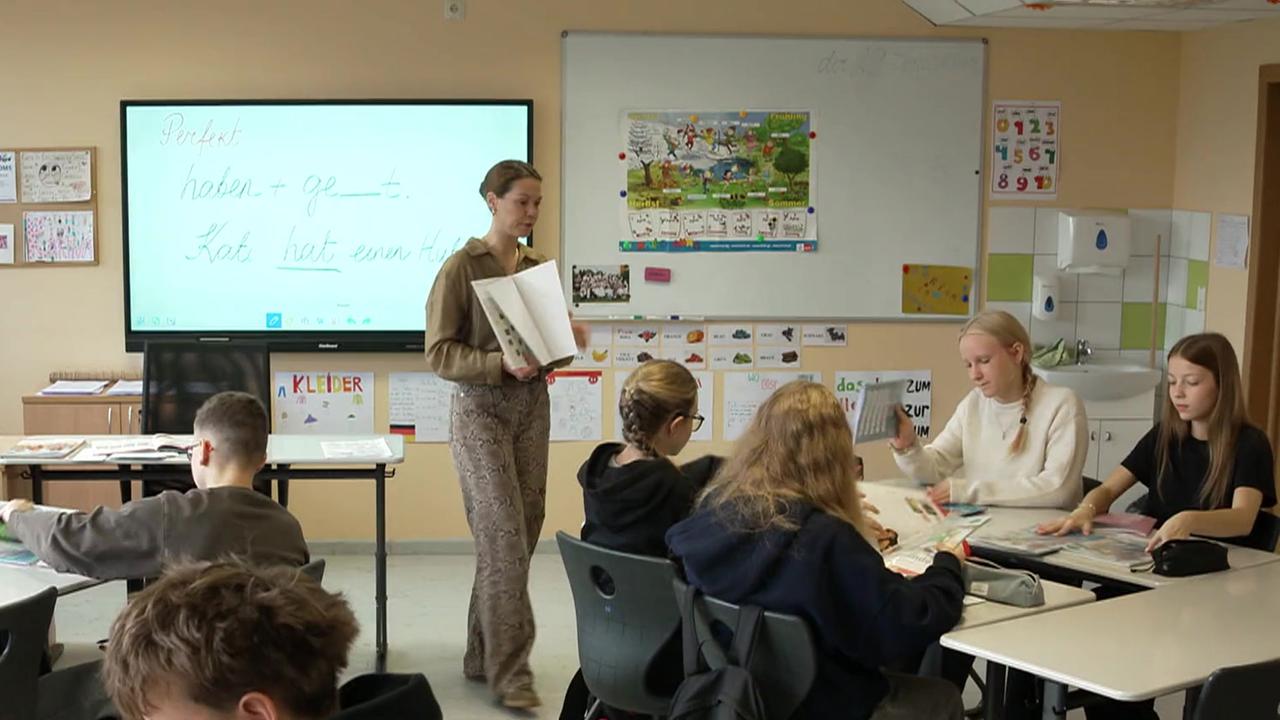
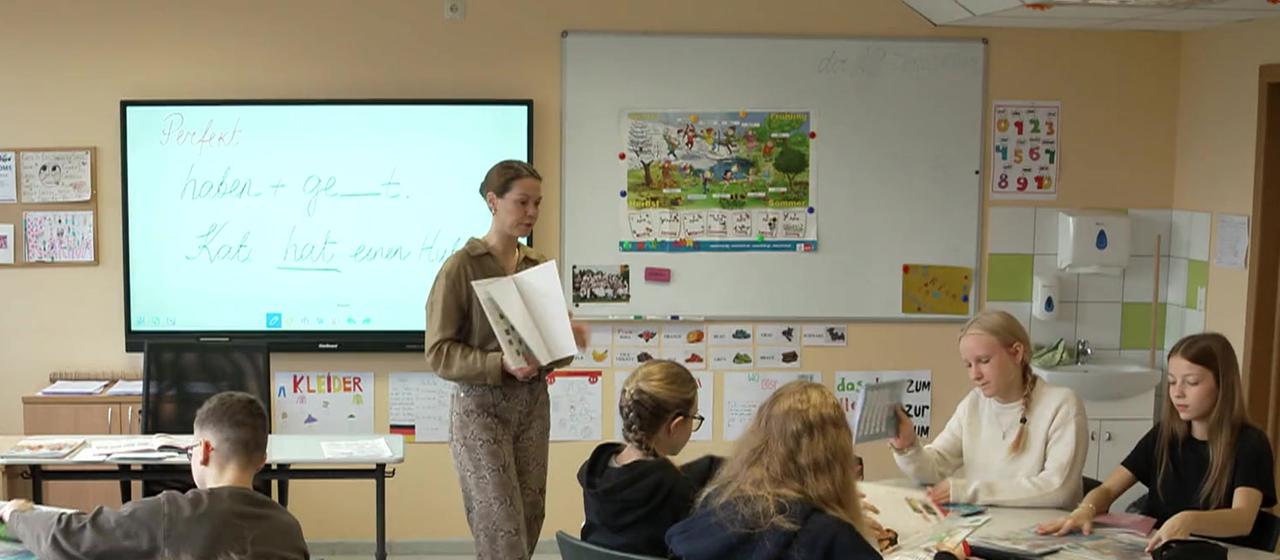
The dramatic shift away from Russian has created a significant void, which German has skillfully filled. The Latvian Ministry of Education reports a surge in German language enrollment, with approximately 57,000 Latvian children now learning the language. This impressive figure is supported by a burgeoning teaching force; the number of German teachers in Latvian schools has nearly doubled in recent years, reaching close to 600. While other European languages like French and Spanish are also gaining traction, German has experienced the most substantial growth.
Karina Della, a 38-year-old German teacher at a school in Adazi, near Riga, is at the forefront of this linguistic renaissance. She currently teaches ten classes this academic year, a testament to the high demand for German instruction. Della, who lived in Germany for several years, points to both political and practical reasons for German’s newfound popularity.
"Many German companies are active in Latvia, and Germany is one of our most important trading partners," Della explained. "Furthermore, many families have personal connections to Germany, with relatives working there. This means children visit their relatives in Germany and are more motivated to learn the language." For many young Latvians, she added, Germany is no longer just a country whose language they learn for school; it represents a tangible link to family and a potential future.
The appeal of learning German extends beyond its economic implications. Students themselves express a positive outlook towards Germany and its culture. Thirteen-year-old Evita shared her aspirations: "I can imagine living in Germany later. My mother told me you can study well there. And besides, Germany is part of the European Union." Her classmate, Aleksandrs, also 13, echoed this sentiment, highlighting Germany’s innovation and rich cultural offerings. "They invented many cool things, like cars. And there’s a lot of good food, culture, and architecture."
The Goethe-Institut in Riga is experiencing the effects of this "Deutsch-Boom" firsthand. Jan Sprenger, the Deputy Director of the Riga Goethe-Institut, noted a significant increase in enrollment for their continuing education courses for aspiring German teachers, with these programs now fully booked. "We are desperately looking for new German teachers in many parts of Latvia," Sprenger stated, underscoring the urgent need for qualified instructors to meet the growing demand.
Educational Reform and European Integration: A Chronological Perspective
The decision to phase out Russian as a foreign language is not an isolated event but rather the culmination of a gradual process of national reorientation.
-
Pre-1991: During the Soviet era, Russian was the primary foreign language taught in Latvian schools, often with limited opportunities to learn Western European languages. This period was characterized by linguistic imposition and a suppression of Latvian national identity.
-
1991: Latvia regains its independence. A period of transition begins, with efforts to re-establish the Latvian language as the dominant official language and to reorient the nation’s cultural and political ties towards the West.
-
Early 2000s: While Russian remained a popular foreign language choice, the desire for greater European integration grew. Discussions began about diversifying language offerings in schools to better reflect Latvia’s aspirations.
-
Mid-2010s: Following Russia’s annexation of Crimea in 2014, concerns about Russian influence and security in the Baltic region intensified. This geopolitical shift accelerated Latvia’s efforts to strengthen its ties with NATO and the EU and to foster a stronger national identity distinct from Russia.
-
Late 2010s – Early 2020s: The Latvian Ministry of Education began exploring concrete policy changes regarding foreign language instruction. The goal was to move away from languages perceived as culturally or politically tied to Russia and towards languages that would facilitate stronger European integration.
-
2022: Russia’s full-scale invasion of Ukraine amplified existing fears and solidified the resolve of the Latvian government to accelerate its European integration and distance itself from Russia. This event served as a critical catalyst for the final decision on foreign language policy.
-
September 2023: The new academic year begins with Russian no longer offered as a foreign language option in Latvian schools. German, French, Spanish, and other European languages are actively promoted as replacements.
Supporting Data: The Shifting Linguistic Landscape
The impact of this reform is quantifiable:
- Enrollment Numbers: The Latvian Ministry of Education estimates that approximately 57,000 students are now learning German as a foreign language. This represents a significant increase from previous years.
- Teacher Demand: The number of German teachers has nearly doubled, indicating a proactive effort by the ministry to meet the surge in demand.
- Broader European Language Interest: While German leads, there’s also a noted increase in interest in other European languages like French and Spanish, reflecting a broader trend towards European linguistic diversity.
- Historical Context: Prior to this reform, Russian was a dominant foreign language in many schools, particularly in regions with larger Russian-speaking populations. The elimination of this option signifies a direct challenge to that historical dominance.
Official Responses: A Strategic Embrace of Europe
The Latvian government has been vocal in its support for the language reform, framing it as a crucial step towards national security and European identity.
-
Deputy Minister of Education, Ieva Silina: As previously quoted, Silina emphasized the historical context of Soviet occupation and the desire to break free from linguistic imposition. She views the reform as a necessary measure to align Latvia’s education system with its geopolitical aspirations.
-
Ministry of Education Statements: Official communications from the ministry consistently highlight the importance of European languages for fostering economic opportunities, cultural understanding, and strengthening Latvia’s position within the EU. They also underscore the need to reduce linguistic ties to countries that pose a security threat.
-
Prime Minister’s Office: While direct quotes from the Prime Minister on this specific issue are less prevalent in the original article, the government’s unified stance on strengthening European ties and reducing Russian influence suggests strong backing for this educational initiative from the highest levels of leadership.
Implications: A New Generation, A New Future
The phasing out of Russian as a foreign language in Latvian schools carries profound implications for the nation’s future:
-
Strengthened European Identity: The reform is a clear signal of Latvia’s commitment to its European identity. By actively promoting European languages, the country is embedding itself more deeply within the continent’s cultural and linguistic fabric.
-
Economic Opportunities: Proficiency in German, and other European languages, will equip Latvian students with valuable skills for the European job market. This can attract foreign investment and foster stronger trade relations with key European economies.
-
Geopolitical Security: Reducing reliance on the Russian language can be seen as a measure to mitigate potential Russian influence and information warfare, particularly in regions with significant Russian-speaking minorities. It supports Latvia’s broader strategy of strengthening its national security through closer ties with Western allies.
-
Generational Shift: This reform will shape a new generation of Latvians who are more linguistically aligned with Europe. For some, like the students interviewed, Germany represents not just a language to learn for school but a potential future destination for study, work, and life.
-
Challenges Ahead: The rapid shift will undoubtedly present challenges. Ensuring a sufficient supply of qualified teachers for German and other popular languages, providing adequate resources for language learning, and managing the linguistic transition for students and families will require ongoing attention and investment. The presence of a significant Russian-speaking population also necessitates careful consideration of how to foster social cohesion and integration within this new linguistic paradigm.
In conclusion, Latvia’s decision to replace Russian with European languages like German in its schools is a bold and strategic move. It is a testament to the nation’s determination to forge its own path, embracing its European future with open arms and a renewed linguistic compass. As a new generation of Latvians learns to say "Hallo" and "Guten Tag," they are not just acquiring a new language; they are actively participating in the reshaping of their nation’s identity and its place in the world.


