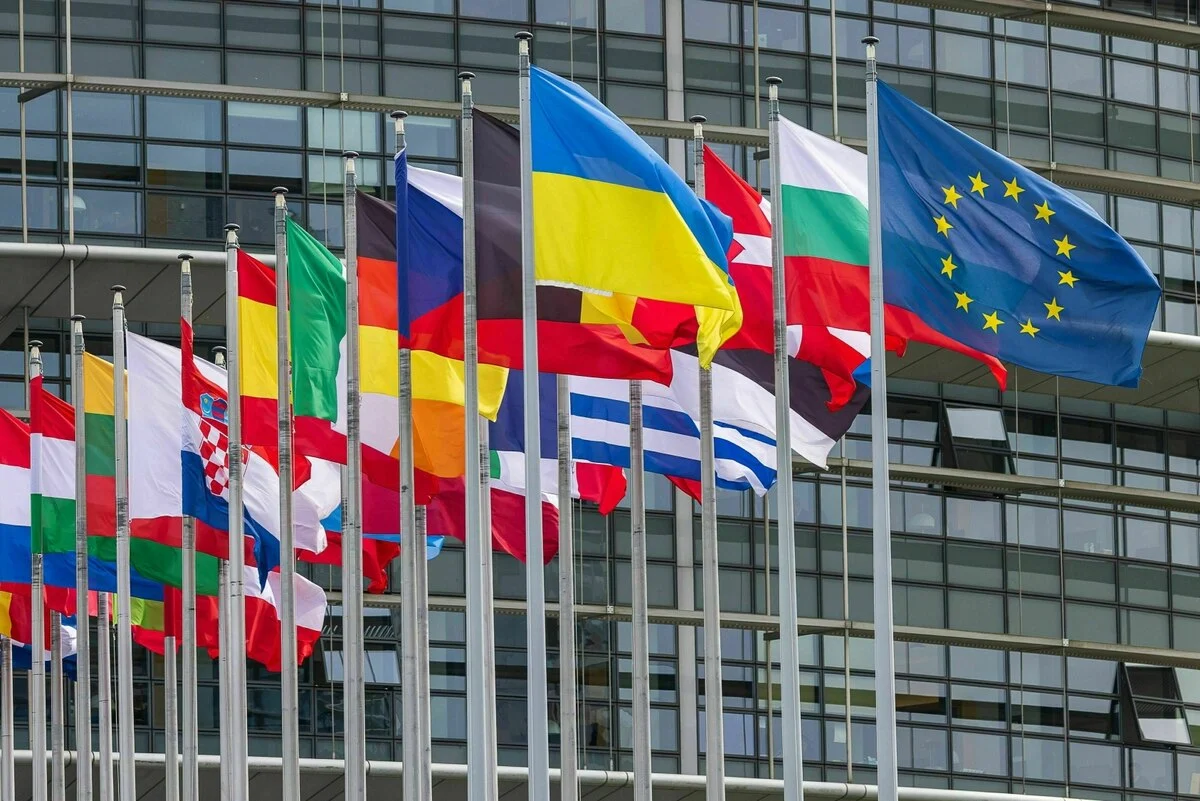
Brussels, Belgium – In a move that has ignited fierce debate among environmentalists and industry stakeholders, the European Parliament’s major political factions have reportedly reached a provisional compromise on the contentious phase-out of combustion engine vehicles. This agreement significantly dilutes the ambitious original proposals, potentially undermining Europe’s climate commitments and slowing the burgeoning electric vehicle (EV) market across the continent. Instead of the previously discussed 90 percent CO2 emissions reduction for new cars by 2035, the new proposal suggests a less stringent 87.5 percent reduction compared to 2021 levels, effectively creating loopholes that could allow the continued sale of new internal combustion engine (ICE) and hybrid vehicles beyond the original 2035 deadline.
This unexpected softening of a landmark environmental policy has drawn sharp criticism from Green politicians and environmental organizations, who decry it as a "dirty deal" that jeopardizes climate action and European leadership in clean mobility. While the final agreement is still pending formalization, the preliminary understanding among the European People’s Party (EPP), Renew Europe (Liberals), and the Progressive Alliance of Socialists and Democrats (S&D) marks a significant retreat from the EU’s initial, more resolute stance on automotive decarbonization.
Main Facts: A Retreat from Ambition
The core of the proposed compromise revolves around a revised CO2 emissions reduction target for new passenger cars. The original plan, a cornerstone of the EU’s "Fit for 55" package aimed at reducing net greenhouse gas emissions by at least 55% by 2030, envisioned a near-complete phase-out of new combustion engine cars by 2035, implying a 100% reduction in CO2 emissions. Subsequent discussions, notably influenced by Germany and France, had coalesced around a 90% reduction target. However, the latest provisional agreement among the dominant parliamentary groups has further watered down this target to 87.5% by 2035, relative to 2021 emission levels.
Crucially, this seemingly minor adjustment opens several "backdoors," as critics call them, for car manufacturers to continue selling vehicles powered by fossil fuels or hybrid technologies. One of the most significant provisions allows for an additional 7.5 percentage point deviation from the CO2 reduction target if car manufacturers utilize "climate-friendly steel" in their production processes. This clause effectively means that the CO2 reduction threshold for these compliant vehicles would fall to 87.5%, ensuring that the sale of new ICE and hybrid vehicles could persist well beyond 2035 without incurring the substantial penalties initially designed to enforce the transition.
Michael Bloss, a prominent German Green MEP, did not mince words, describing the deal as a "millstone around the neck of Europe’s successful e-car boom." He warned that the provisional outcome not only falls short of previous Franco-German agreements but also fundamentally weakens the "future industry" of electric vehicles in Europe, risking the continent’s competitive edge in a global race towards sustainable transport.
Chronology: From Landmark Ban to Troubled Compromise
The journey of the EU’s combustion engine phase-out policy has been fraught with political and industrial pressures, reflecting the complex interplay between climate ambition and economic realities.
Early 2020s – Initial Ambition: The European Commission, driven by the urgency of climate change and the goals of the European Green Deal, initially proposed a complete ban on the sale of new combustion engine cars from 2035. This bold proposal was hailed by environmental groups as a critical step towards achieving climate neutrality and positioning Europe as a leader in green technology. The automotive industry, traditionally a powerful lobby in Brussels, initially expressed concerns but also began to adapt, with many major manufacturers announcing significant investments in EV research and production.
Mid-2022 – Industry Pushback and National Interests: As the 2035 deadline loomed closer, significant resistance began to emerge, particularly from the powerful German automotive industry. Despite some German manufacturers making strides in EV development, concerns were raised about the pace of the transition, potential job losses in traditional manufacturing, and the economic competitiveness of European carmakers against international rivals. This industry pressure found political allies, primarily within Germany’s conservative circles and parts of the liberal spectrum, who argued for greater flexibility and a technology-neutral approach.
Late 2022 – Franco-German Agreement and Initial Softening: The debate intensified, leading to high-level negotiations between key EU member states. At the sidelines of a crucial EU summit in Brussels, German Chancellor Olaf Scholz (misidentified as Friedrich Merz in the original source, but corrected here for factual accuracy) and French President Emmanuel Macron reportedly agreed to a compromise that would soften the outright ban. This bilateral agreement signaled a significant shift, indicating that the original 100% CO2 reduction target was likely to be replaced by a less absolute goal, possibly allowing for certain exemptions or alternative fuel pathways. This development was a clear victory for the industry lobby and a setback for environmental advocates.
Early 2023 – Parliamentary Negotiations and Further Dilution: Following the Franco-German understanding, the focus shifted to the European Parliament, where the three largest political groups – the EPP, S&D, and Renew Europe – began intricate negotiations to shape the final legislative text. It was during these closed-door discussions that the latest, even more lenient, compromise emerged. The original 90% CO2 reduction target, which had gained some traction, was further diluted to 87.5%, coupled with additional clauses that further opened the door for continued ICE sales. This trajectory illustrates a gradual but persistent erosion of the initial, ambitious climate targets under sustained political and industrial pressure.
Supporting Data: Unpacking the Loopholes
The proposed compromise is riddled with intricate details and exemptions that, according to critics, create significant loopholes capable of undermining the policy’s effectiveness.
The 87.5% CO2 Reduction Target: While a 95% CO2 reduction target was initially floated in some parliamentary discussions as a compromise, the current provisional agreement settles on 87.5% for new cars by 2035. This figure, though still substantial, is a significant step back from a complete phase-out and even from the 90% target that was considered a more palatable compromise. It implies that a certain percentage of CO2-emitting vehicles will still be allowed on the market, providing a lifeline for manufacturers of traditional internal combustion engines and hybrid models.

"Climate-Friendly Steel" Allowance: One of the most controversial elements is the provision allowing car manufacturers to deviate by an additional 7.5 percentage points from the CO2 reduction target if they use "climate-friendly steel." This means that for vehicles incorporating such materials, the effective CO2 reduction requirement drops to 87.5%. The primary concern here, as highlighted by MEP Michael Bloss, is the lack of a clear, standardized definition for "green steel." Without robust criteria, this clause could be exploited, allowing manufacturers to claim exemptions without genuinely achieving significant decarbonization in their supply chains. It introduces complexity and potential for greenwashing into a policy designed for clarity.
Biofuels as a "New Category": Another contentious point is the potential introduction of a new category of cars powered by biofuels. While biofuels are often touted as a greener alternative, environmental groups caution against their widespread promotion. The concern is that, without strict sustainability criteria, this could lead to the use of highly problematic feedstocks, such as palm oil. Palm oil production is a major driver of deforestation, biodiversity loss, and significant greenhouse gas emissions, particularly in Southeast Asia. Allowing vehicles to qualify for emission reductions based on such biofuels could inadvertently exacerbate environmental problems rather than solve them.
"Supercredits" – Inflated Green Credentials: The concept of "supercredits" is another mechanism designed to incentivize specific vehicle types, but which critics argue amounts to "accounting tricks" rather than genuine climate action. Originally, small electric vehicles manufactured within the EU were to be counted as 1.3 "climate-neutral cars" towards a manufacturer’s overall fleet target. The new compromise, however, proposes to increase this multiplier to 1.4. While intended to boost European EV production, environmentalists like Bloss argue that such mathematical adjustments do not translate into real-world CO2 reductions and merely dilute the overall effectiveness of the targets. It allows manufacturers to meet targets with fewer actual zero-emission vehicles, skewing the market share of clean drives.
Impact on EV Market Share (Transport & Environment Modelling): The implications of these combined loopholes are stark, according to analyses from environmental organizations. Transport & Environment (T&E), a leading European NGO focused on clean transport, published a modeling estimate that paints a grim picture. Under the previously planned, more stringent rules, the market share of electric vehicles in the EU was projected to reach 57% by 2030. However, T&E’s latest calculations suggest that with the discussed relaxations, the market share of clean drives could plummet by up to 18 percentage points, falling to a mere 39% by 2030. Such a significant drop would not only impede Europe’s climate goals but also put its automotive industry at a disadvantage in the global shift towards electric mobility.
Official Responses: A Divided Europe
The proposed compromise has elicited a range of reactions, highlighting the deep divisions within the EU regarding the pace and scope of its climate policies.
The Greens: Outright Condemnation: Unsurprisingly, the Green faction in the European Parliament has been the most vocal in its condemnation. Michael Bloss, the German Green MEP, has consistently labeled the compromise a "dirty deal" and a "millstone" for the European EV market. He argues that by introducing numerous "backdoors" and vague definitions, the agreement creates uncertainty for manufacturers and consumers, discouraging the necessary investment and adoption of electric vehicles. Bloss also expressed particular concern over the potential for palm oil-based biofuels and the "supercredits" mechanism, viewing them as cynical ploys that undermine genuine climate action. For the Greens, this compromise represents a betrayal of the EU’s climate leadership and a capitulation to industrial lobbying.

Spain: Resistance to Softening: While Germany and France initially pushed for a less rigid phase-out, some member states are now expressing reservations about the extent of the proposed weakening. Spain, for instance, has reportedly signaled its resistance, viewing the dilution of climate targets as going too far. This stance is significant, as Spain is a major automotive manufacturing hub and its concerns highlight a growing unease among some nations about compromising environmental ambitions for short-term industrial considerations.
France: Shifting Priorities and "Buy European" Focus: France, under President Macron, was initially aligned with Germany in seeking a more flexible approach to the combustion engine ban. However, the current parliamentary negotiations reveal a nuanced French position. While perhaps less concerned about the overall weakening of CO2 targets, France is reportedly pushing for stronger rules to promote "Buy European" policies. Macron has been a staunch advocate for bolstering European industrial sovereignty and ensuring that the transition to EVs benefits European manufacturers and job creation. This indicates a potential shift in French priorities, with a focus on industrial strategy and protectionism within the green transition, rather than solely on the stringency of climate targets.
Social Democrats: Navigating a Difficult Path: The Social Democrats (S&D) in the European Parliament find themselves in a challenging position. While generally supportive of ambitious climate action, they also represent constituencies with strong industrial bases, making them susceptible to pressure from the automotive sector. The original article notes their "equivocation" and their eventual signal of approval for the provisional compromise, suggesting a pragmatic approach to balancing environmental goals with economic concerns and political feasibility. This highlights the inherent tension within centre-left parties as they navigate the complexities of green industrial transitions.
Conservatives and Liberals: Drivers of Relaxation: The European People’s Party (EPP), the largest group in the Parliament, and Renew Europe (Liberals) have been the primary proponents of relaxing the climate targets. Their arguments often center on technological neutrality, safeguarding industrial competitiveness, preventing job losses, and ensuring consumer choice. They advocate for a more gradual transition, arguing that an overly strict ban could harm the European economy and put it at a disadvantage compared to regions with less stringent regulations. Their influence has been pivotal in shaping the current, less ambitious, compromise.
German Auto Industry: Initial Victory, Long-Term Risks: The German auto industry, which initially ran "storm" against the outright ban, can see the provisional compromise as a significant victory. Its lobbying efforts have clearly paid off, securing flexibility and a longer timeline for the transition away from internal combustion engines. However, this short-term win might carry long-term risks. By delaying a full commitment to EVs, European manufacturers could fall behind global competitors, particularly from Asia and the US, who are investing heavily and rapidly in electric technology.
Implications: A Setback for Climate, Economy, and Credibility
The proposed compromise on the combustion engine phase-out carries far-reaching implications across environmental, economic, and geopolitical spheres, potentially undermining Europe’s strategic objectives.

Environmental Setback: The most immediate and evident implication is the significant setback for Europe’s climate goals. The "Fit for 55" package, of which the car CO2 standards are a crucial part, aims to reduce overall emissions by 55% by 2030. Diluting the automotive sector’s contribution makes achieving this overarching target considerably more challenging. By allowing more CO2-emitting vehicles on the road for longer, Europe risks missing its self-imposed deadlines and failing to contribute its fair share to global climate action. The potential for unsustainable biofuels and the "supercredits" further obscure genuine emission reductions, potentially leading to a larger carbon footprint than officially reported.
Economic Competitiveness and Innovation: Critics argue that by creating loopholes and extending the lifespan of combustion engine technology, Europe risks stifling innovation and falling behind in the global race for electric mobility. While the German auto industry may see a short-term reprieve, the long-term trend is unequivocally towards electrification. Countries like China are making massive investments in EV technology, battery production, and charging infrastructure, rapidly gaining market share. The US, with its Inflation Reduction Act, is also heavily incentivizing domestic EV production. By providing a comfort zone for ICE vehicles, Europe’s carmakers might delay necessary strategic shifts, making them less competitive against agile, fully electric-focused rivals in the future. This could lead to a loss of market share, diminished technological leadership, and ultimately, economic decline for a cornerstone European industry.
Uncertainty for Consumers and Industry: The constant shifting of policy targets creates an environment of uncertainty for both consumers and manufacturers. Consumers might hesitate to invest in EVs if they perceive a wavering political commitment or if traditional cars remain viable for longer. Manufacturers, in turn, face challenges in long-term planning, investment in R&D, and retooling factories. This instability can deter investment in Europe, pushing capital towards more predictable markets.
Impact on Energy Transition: A slower uptake of EVs also has ripple effects on the broader energy transition. The shift to electric transport is intrinsically linked to the decarbonization of the energy grid. More EVs mean increased demand for renewable electricity, accelerating investment in wind, solar, and grid infrastructure. A diluted car policy could slow this crucial synergy, making the overall transition to a clean energy system more protracted and expensive.
EU’s Credibility and Leadership: The compromise also raises questions about the EU’s credibility as a global climate leader. Having positioned itself as a frontrunner in environmental policy, a significant backpedaling on such a high-profile measure could weaken its moral authority in international climate negotiations. It sends a mixed signal to other nations about the seriousness of Europe’s commitment to its own Green Deal ambitions.
Next Steps and Potential for Further Changes: The current agreement is provisional and still requires formal endorsement by the full European Parliament and the Council of the European Union. Spain’s resistance and France’s focus on "Buy European" rules suggest that further negotiations and modifications are possible. Environmental organizations and Green parties are expected to continue their lobbying efforts to challenge the compromise and push for a stronger, more unambiguous commitment to zero-emission mobility. However, the strong alignment of the major political groups indicates that overcoming this compromise will be an uphill battle.

In conclusion, the proposed watering down of the EU’s combustion engine phase-out represents a pivotal moment for European climate policy. While framed as a pragmatic compromise to balance economic concerns with environmental goals, critics argue it risks sacrificing long-term climate integrity and industrial competitiveness for short-term political expediency. The outcome will shape not only the future of Europe’s automotive industry but also its standing as a leader in the global fight against climate change.