Washington D.C., October 21, 2026 – A fundamental shift in American public opinion is underway, challenging decades of unwavering bipartisan support for Israel. Polling data reveals a dramatic decline in solidarity, particularly among younger Americans, a trend that is sending tremors through both the Democratic and Republican parties in the lead-up to critical elections. The long-standing "special relationship" between the United States and Israel is facing its most significant test in generations, forcing politicians to navigate an increasingly complex and divided electorate.
Main Facts: A Shifting Political Landscape
The bedrock of US-Israel relations, built on shared strategic interests, historical ties, and a powerful pro-Israel lobby, is showing fissures. Recent surveys indicate a clear generational divide, with a growing majority of Americans under the age of 50 now holding a negative view of Israel and advocating for a significant reduction in military aid. This demographic recalibration is not merely an academic observation; it is actively reshaping political campaigns, influencing candidate platforms, and threatening to upend established power structures.
For the Democratic Party, the progressive wing, energized by social justice movements and a re-evaluation of foreign policy, is increasingly vocal in its criticism of Israel’s actions, particularly concerning the Palestinian territories. This internal struggle pits a new generation of activists and politicians against the party’s more traditional, centrist establishment.
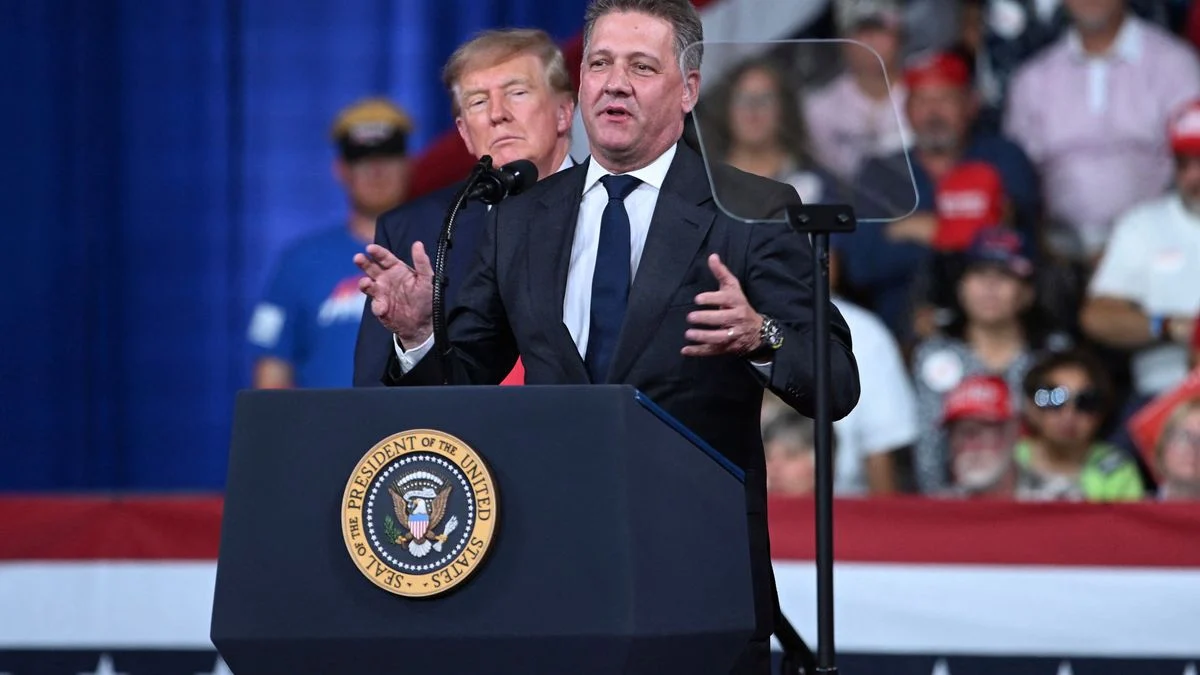
On the Republican side, the "America First" isolationist faction, championed by figures like former President Donald Trump and influential media personalities, is clashing with the party’s traditional "Christian Zionist" base. While the Democrats’ internal debate often centers on the Gaza conflict and human rights, the Republican schism is largely fueled by the perceived costs and entanglements of what some are now calling the "Iran War," and broader questions about US interventionism in the Middle East.
The confluence of these internal party dynamics, coupled with evolving public sentiment, has created an unprecedented electoral challenge for both major parties. As the nation braces for upcoming elections, candidates are finding it increasingly difficult to maintain a unified stance on Israel without alienating significant portions of their base.
Chronology: From Unquestioned Alliance to Critical Scrutiny
For decades, support for Israel was a bipartisan article of faith in Washington. From the Truman administration’s recognition of the state in 1948 to the robust military and economic aid packages that followed, the alliance was considered immutable. This relationship was often framed through a lens of shared democratic values, strategic partnership in a volatile region, and moral obligation, particularly in the wake of the Holocaust.
However, the turn of the millennium began to introduce subtle shifts. The protracted Israeli-Palestinian conflict, the rise of digital media, and a new generation of Americans coming of age in an era of post-9/11 skepticism about US foreign interventions slowly started to erode this consensus. Social media, in particular, has played a crucial role, allowing for the rapid dissemination of information and perspectives that often bypass traditional media gatekeepers, bringing the realities of the conflict directly to a younger, digitally native audience.
The most pronounced acceleration of this trend occurred in the mid-2020s. Events such as intensified conflicts in Gaza and the West Bank, coupled with highly publicized incidents, sparked widespread protests across American university campuses and major cities. These demonstrations, often led by student activists, marked a turning point, signaling a growing willingness among young progressives to openly challenge US foreign policy towards Israel.
The Rise of Progressive Voices:
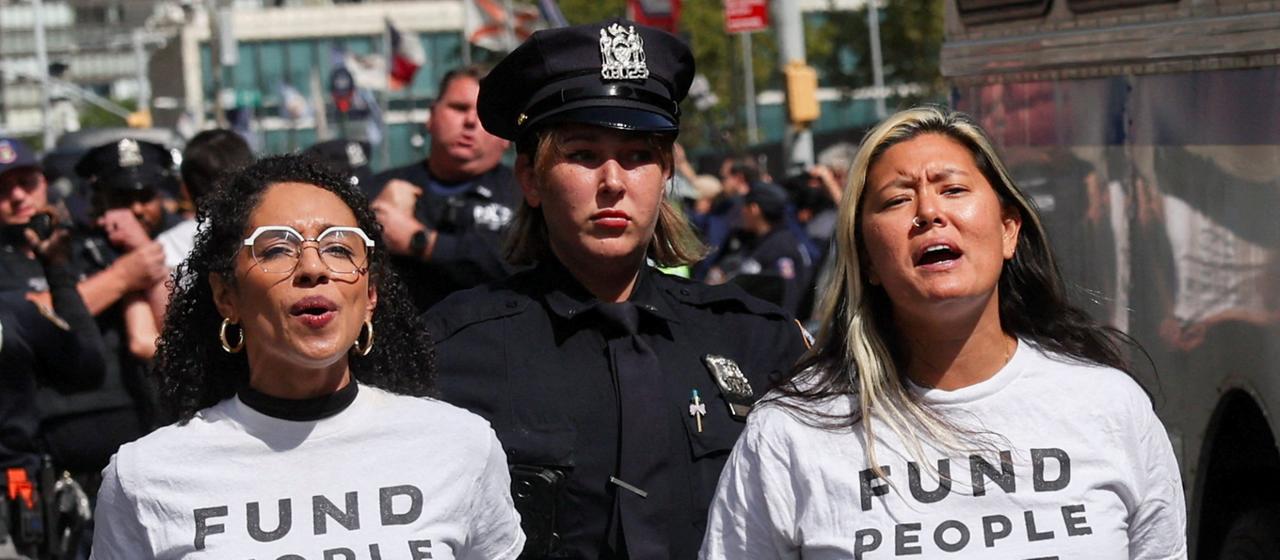
A prime example is Darializa Avila Chevalier, who two years prior, was a prominent student activist leading Gaza protests at New York’s Columbia University. By 2026, Chevalier has transitioned from the streets to the ballot box, now running for a seat in the US Congress representing Harlem. Her political ascent is indicative of a broader movement. When Israeli Prime Minister Benjamin Netanyahu arrived in New York for the UN General Assembly in September of this year, Chevalier was once again on the front lines of protest, even getting arrested in a powerful display of civil disobedience.
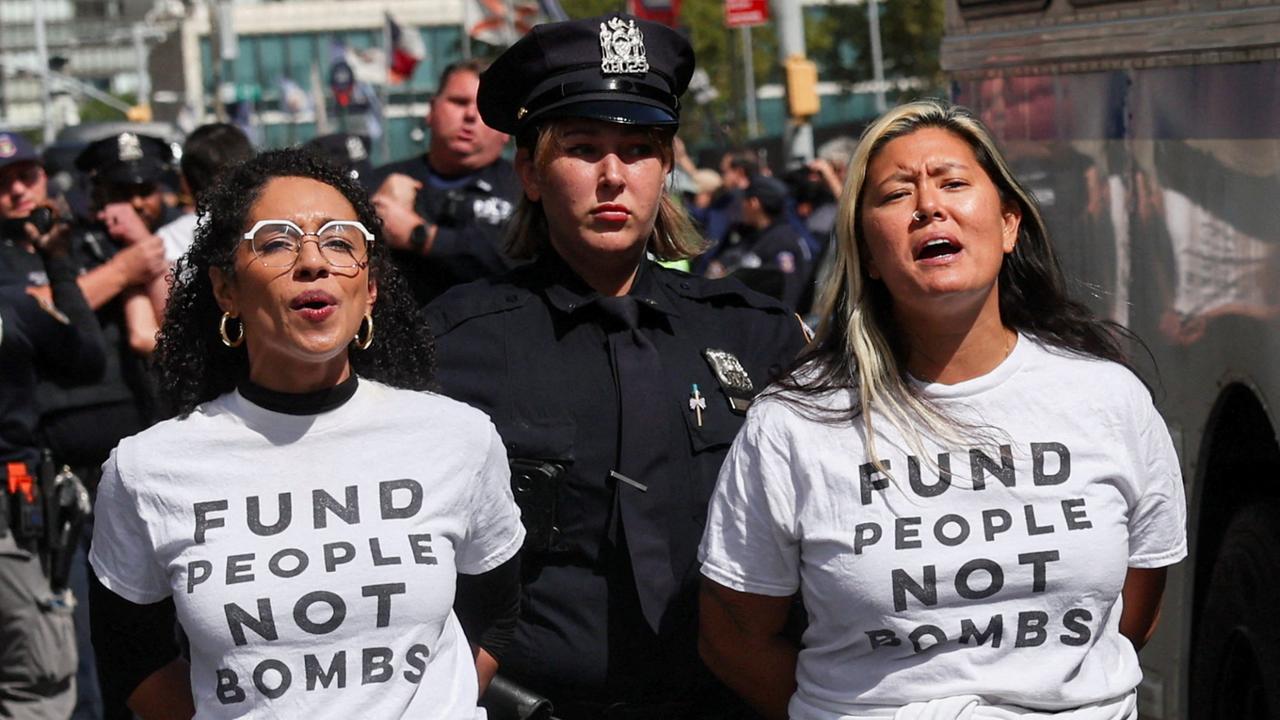
"It is critical that we fight against our tax dollars being used for Israel’s war crimes," Chevalier declared, articulating a sentiment increasingly common among her generation. "We must expose how our elected representatives in Congress and in government are complicit in these war crimes – and that has to stop." Her campaign successfully unseated the incumbent in the party’s primary, demonstrating the growing electoral power of this progressive, Israel-critical stance.
Another figure emblematic of this shift is Abdul El-Sayed, the Michigan Senate candidate. A self-identified Muslim, El-Sayed achieved a significant victory in his party’s primary, defeating a long-time supporter of Israel. His campaign, however, has become a battleground, with Republicans aggressively attempting to label him as an "Islamist" and "antisemite" in the final weeks before the general election. This tactic underscores the high stakes involved and the willingness of opposing campaigns to weaponize accusations of anti-Semitism against critics of Israeli policy.
New York City Mayor Zohran Mamdani embodies the complex tightrope walk many progressive politicians are attempting. Seen as a mentor for the burgeoning Israel-critical wing of the Democratic Party, Mamdani has openly accused Israel of "genocide" in Gaza. Yet, recognizing the deep divisions within his city and the broader implications, he simultaneously launched an ambitious program to combat antisemitism. This nuanced approach, however, has not insulated him from criticism. On the anniversary of the October 7th terror attacks, while attending a vigil with Jewish organizations, Mamdani was reportedly heckled and denounced by furious protestors as a "traitor" and "accomplice to genocide," highlighting the intense polarization surrounding the issue.
Supporting Data: A Generational Divide and Evolving Views
The anecdotal evidence from political campaigns is corroborated by a growing body of polling data that paints a clear picture of shifting public sentiment. Multiple surveys conducted over the past year indicate that a majority of Americans under the age of 50 now hold an unfavorable view of Israel. This stands in stark contrast to older demographics, where support for Israel remains relatively strong, reflecting a historical allegiance forged during different geopolitical eras.
Crucially, this negative perception translates directly into policy preferences. A significant proportion of this younger demographic, spanning across the political spectrum, expresses a desire to "significantly reduce" or even "end" US military aid to Israel. This is a dramatic departure from decades of broad public consensus that viewed such aid as essential for regional stability and Israel’s security.
Several factors contribute to this generational divergence:
- Information Consumption: Younger generations are less reliant on traditional media and more influenced by social media, which often presents unfiltered, graphic content from conflict zones and a wider array of perspectives, including pro-Palestinian narratives.
- Human Rights Focus: There is a heightened emphasis on human rights, international law, and self-determination among younger progressives, leading to increased scrutiny of Israel’s actions in the Palestinian territories.
- Post-9/11 Skepticism: Millennials and Gen Z came of age during a period of prolonged US military engagements in the Middle East, fostering a pervasive skepticism towards foreign interventions and the associated financial and human costs.
- Intersectionality: The framework of intersectionality, popular in progressive circles, often links the Palestinian cause to other global struggles against oppression, fostering solidarity that transcends traditional geopolitical alliances.
- Domestic Priorities: For many younger Americans, pressing domestic issues such as climate change, healthcare, and economic inequality often overshadow foreign policy concerns, making them less inclined to support substantial foreign aid packages, especially to nations perceived as engaging in problematic conduct.
Official Responses: Navigating a Political Minefield
The evolving public sentiment has left both the Democratic and Republican establishments scrambling to adapt.
The Democratic Dilemma:
For Democrats, the internal struggle is particularly acute. The party’s traditional base, including many older Jewish voters and long-time establishment figures, maintains strong ties to Israel. However, the rapidly expanding progressive wing, which includes a significant number of young voters, minorities, and activists, is increasingly demanding a re-evaluation of US foreign policy. This has created a deep schism, forcing party leaders to walk a tightrope, attempting to appeal to both factions without alienating either. The rise of figures like Darializa Avila Chevalier and Abdul El-Sayed, who openly challenge the status quo, is a direct consequence of this internal pressure. The party leadership is grappling with how to integrate these new voices without fracturing the coalition needed for electoral success.
The Republican Rift:
The Republican Party, while often presenting a more unified front on foreign policy, is also deeply divided, though along different lines. The "MAGA" movement, spearheaded by Donald Trump, has cultivated an "America First" isolationist philosophy that views foreign entanglements, particularly in the Middle East, as costly and detrimental to American interests. This wing contrasts sharply with the party’s influential "Christian Zionist" base, which views strong support for Israel as a religious imperative and a strategic necessity against regional adversaries like Iran.
The "Iran War," as it’s been colloquially termed, has become a flashpoint for this internal Republican conflict. While the Christian Zionists advocate for robust military action and unwavering support for Israel in confronting Iran, the America First faction questions the wisdom of such interventions, fearing a protracted conflict that drains US resources and potentially leads to soaring energy prices – a significant concern for voters. This division was starkly illustrated by the public break between former Fox News host Tucker Carlson and Donald Trump. Carlson, a prominent voice in the America First movement, openly criticized Trump, declaring, "I pity Donald Trump – just as I pity all slaves." This provocative statement implied that Trump, and by extension, US foreign policy, was being manipulated by Israel.
Implications: Reshaping Foreign Policy and Electoral Fortunes
The waning US solidarity with Israel carries profound implications for both American foreign policy and the domestic political landscape.
Foreign Policy Repercussions:
If the trend of reduced military aid continues, Israel could find itself facing a significant recalibration of its strategic relationship with its most important ally. This could necessitate a re-evaluation of its defense posture, regional alliances, and diplomatic strategies. A less engaged or less unconditionally supportive United States might also alter the delicate balance of power in the Middle East, potentially empowering other regional actors or forcing Israel to forge new partnerships. Furthermore, a perceived weakening of US commitment could embolden adversaries or complicate peace efforts.
Electoral Challenges:
For the Democratic Party, the challenge lies in unifying its diverse base. Candidates must decide whether to align with the progressive demand for a more critical stance on Israel or to uphold the party’s traditional pro-Israel platform. The risk of alienating either bloc is substantial, potentially leading to lower voter turnout or third-party challenges in key races. The upcoming elections will serve as a crucial test of how successfully the party can navigate this ideological divide.
On the Republican side, the internal battle over interventionism and the "Iran War" could similarly fragment the party’s base. Trump’s "America First" promise of ending Middle Eastern wars resonates with a segment of the electorate tired of foreign entanglements. However, alienating the powerful Christian Zionist bloc, which represents a significant portion of the party’s voter base, could prove electorally disastrous. The growing influence of figures like Tucker Carlson, who openly propagate narratives of US policy being controlled by external forces, also poses a long-term risk to the party’s image and its ability to attract moderate voters.
The Rise of Conspiracy Theories:
The narrative propagated by figures like Carlson – portraying the US President as a "slave" or "puppet" of Israel – has a dangerously short path to antisemitic conspiracy theories. These narratives, often amplified by influential "MAGA" figures and other online personalities with vast reach, are particularly potent among younger Republican adherents. The polling data showing a negative view of Israel among under-50 Republicans suggests these theories are gaining traction, further complicating the political discourse and making reasoned debate more difficult.
Trump’s Calculated Silence:
Even Donald Trump, a master of political opportunism, recognizes the electoral toxicity of the Israel issue. His recent avoidance of a meeting with Benjamin Netanyahu is a clear indication that he views the topic as a net negative for his political ambitions. This tactical retreat by a figure who once boasted of moving the US embassy to Jerusalem speaks volumes about the shifting political calculus surrounding Israel in American politics.
In essence, Israel stands at a crossroads, facing the unprecedented prospect of losing the unconditional backing of its most crucial international partner. The tectonic plates of American public opinion and political alignment are shifting, and the consequences for the future of US-Israel relations, and indeed for the broader Middle East, remain uncertain but undeniably profound. The "special relationship," once a pillar of US foreign policy, is now a subject of intense domestic debate, with its future hanging precariously in the balance.