Muscat, Oman – August 7, 2026 – An environmental disaster of potentially catastrophic proportions is unfolding off the coast of Oman, where the oil tanker "Caroline Bezengi," reportedly carrying an estimated 110,000 tonnes of crude oil, has run aground. Satellite imagery confirms a rapidly expanding oil slick, now covering an area twice the size of Munich, raising grave concerns among environmental organizations and regional authorities. The incident highlights the growing risks posed by the burgeoning "shadow fleet" of tankers operating largely outside international regulatory frameworks.
Main Facts: A Looming Disaster in the Arabian Sea
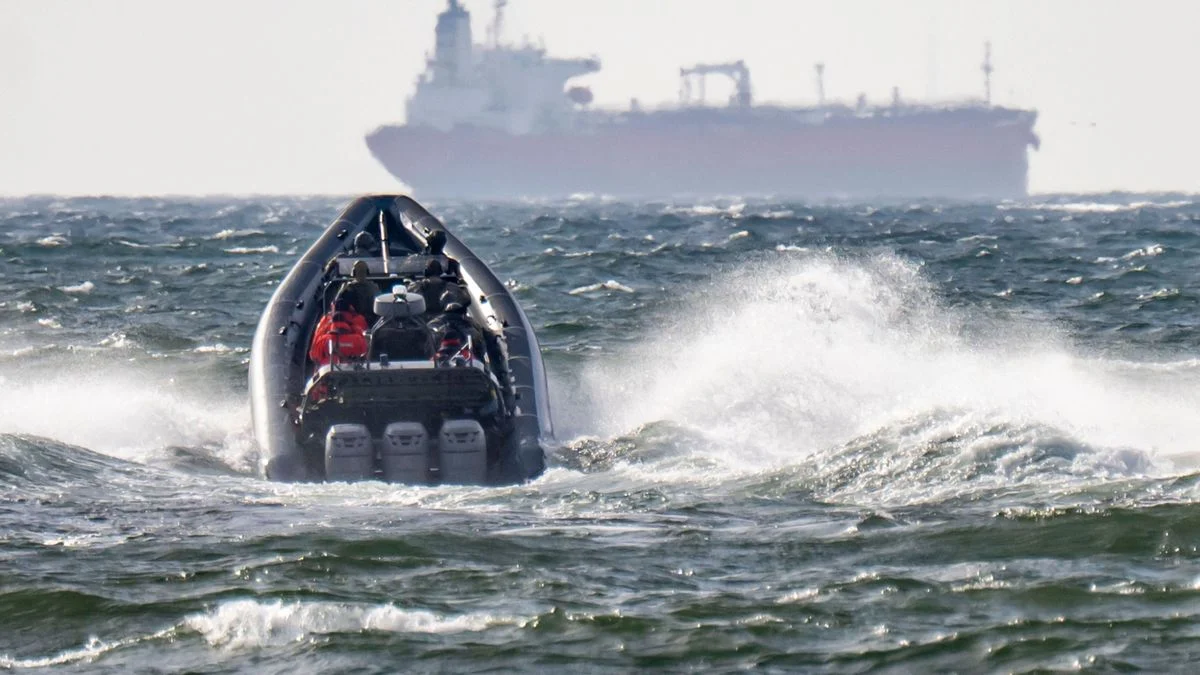
The colossal 270-meter (approximately 886-foot) "Caroline Bezengi" is currently stranded off an ecologically sensitive Omani island. The vessel, identified as part of Russia’s so-called "shadow fleet," has been observed to be leaking increasing quantities of oil, according to satellite intelligence.
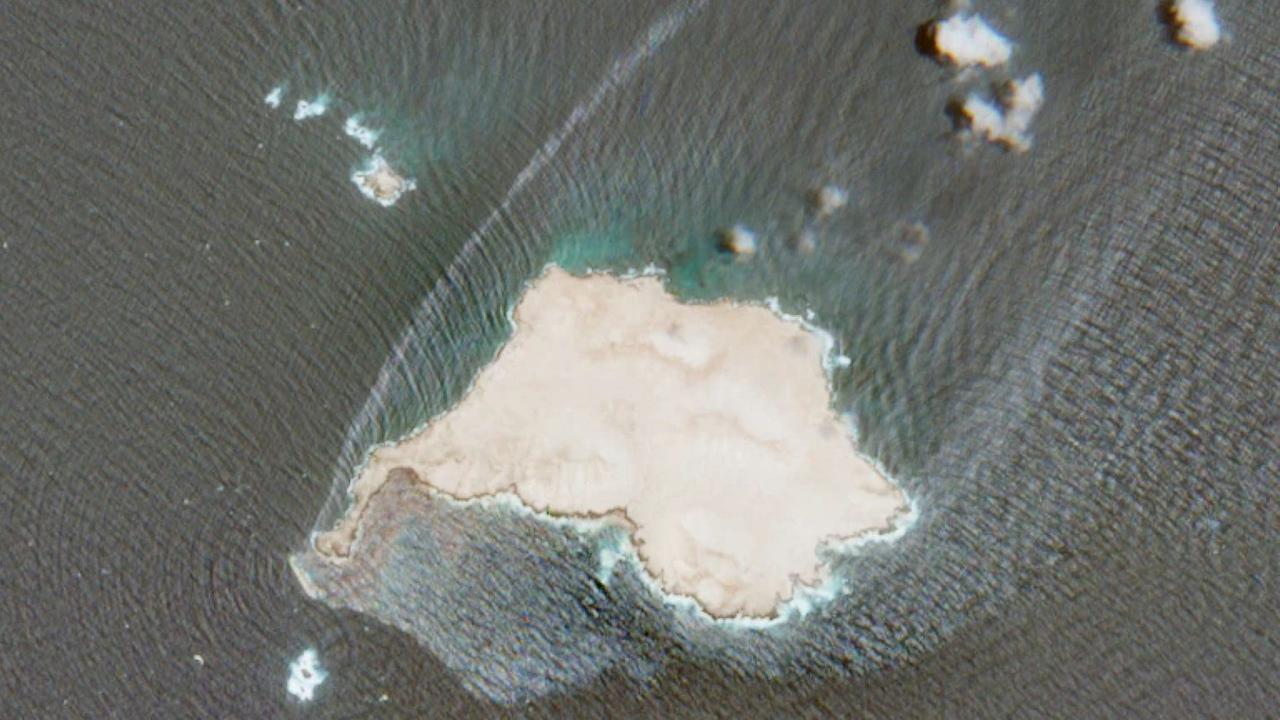
The scale of the spill is already alarming. Greenpeace has reported that the oil slick has mushroomed to an estimated 600 square kilometers (approximately 230 square miles). This vast expanse of oil poses an immediate and severe threat to the rich biodiversity of the region, including vital coral reefs, nesting grounds for endangered sea turtles, critical habitats for migratory birds, and the feeding grounds of numerous marine mammals.
The tanker is believed to have loaded crude oil at the Russian port of Novorossiysk and was reportedly en route to India. Its operational history, particularly since early June when it allegedly suffered an incident at sea and ceased transmitting its location data, remains shrouded in secrecy, a hallmark of the shadow fleet. The flag under which the vessel operates is currently unclear, further complicating accountability and response efforts.
Oman has announced its intention to deploy emergency response teams to mitigate the environmental damage. However, environmental experts, including Greenpeace, emphasize that preventing a full-blown catastrophe will likely necessitate the complex and dangerous operation of offloading the entire 110,000-tonne cargo onto another tanker. The incident underscores the urgent need for heightened international scrutiny and regulation of the shadow fleet, whose unchecked operations threaten global marine ecosystems.
Chronology of a Crisis: From Dark Waters to Environmental Threat
The grounding of the "Caroline Bezengi" is the culmination of a series of events, many of which remain obscured by the vessel’s clandestine operations.
Early June 2026: According to reports, the "Caroline Bezengi" experienced an undisclosed "incident at sea." The exact nature of this event is not publicly known, but it coincided with the tanker ceasing to transmit its Automatic Identification System (AIS) signals. This practice, known as "going dark," is a common tactic employed by vessels in the shadow fleet to evade detection and tracking, often to circumvent sanctions or conceal illicit activities. Such a cessation of transmission immediately raises red flags within maritime intelligence circles, indicating potential operational issues, illegal transshipments, or attempts to obscure origin and destination.
Likely Departure from Novorossiysk, Russia: Prior to going dark, geospatial intelligence firm Synmax, analyzing satellite imagery, concluded that the tanker had, with high probability, loaded crude oil at the Russian port of Novorossiysk. This Black Sea port is a major hub for Russian oil exports, including those destined for markets outside of the G7 price cap coalition.
En Route to India (Presumed Destination): While the tanker ceased transmitting its location, maritime tracking patterns suggest its intended destination was a port in India. India has emerged as a significant buyer of Russian oil, often purchased at discounted rates, particularly since the imposition of Western sanctions following Russia’s invasion of Ukraine.
Recent Grounding Off Oman: At an unspecified recent date leading up to August 7, 2026, the "Caroline Bezengi" ran aground off an Omani island. The precise cause of the grounding – whether due to navigational error, mechanical failure, or poor maintenance – has not yet been determined. The incident immediately triggered alarm, as the sheer volume of crude oil onboard represented an immense environmental hazard.
Discovery of the Spill: Following the grounding, satellite imagery quickly revealed the emergence and rapid expansion of an oil slick around the stranded vessel. The growing size of the slick, now estimated at 600 square kilometers, points to a continuous or significant leak from the tanker’s hull. The confirmation of the spill by environmental organizations like Greenpeace, often through independent satellite monitoring, brought the crisis to public attention and underscored its severity.
Oman’s Response: Upon confirmation of the spill and the vessel’s precarious situation, Omani authorities have committed to deploying emergency crews. Their initial focus will be on containment and damage limitation, while the larger, more complex task of potential cargo transfer looms.
The lack of transparency surrounding the "Caroline Bezengi’s" operations, from its mysterious incident in June to its current grounded state, exemplifies the challenges posed by the shadow fleet. Each step in this chronology underscores the inherent risks associated with vessels operating beyond the reach of conventional regulatory oversight.
Supporting Data: The Perilous Context of the Shadow Fleet and Environmental Vulnerability
The incident involving the "Caroline Bezengi" is not an isolated event but rather a stark illustration of systemic vulnerabilities in global maritime shipping, particularly concerning the so-called "shadow fleet."
The "Shadow Fleet" Explained: The "Caroline Bezengi" is attributed to Russia’s "shadow fleet," a growing armada of older, often poorly maintained tankers. This fleet has rapidly expanded since the imposition of Western sanctions on Russian oil following the invasion of Ukraine. Its primary purpose is to circumvent these sanctions and the G7-imposed price cap of $60 per barrel on Russian crude.
- Characteristics: These vessels often operate under flags of convenience (registries from countries with lax regulatory oversight), have opaque ownership structures, are typically older than 15 years (often exceeding 20 years), and frequently lack proper insurance from reputable Western providers (relying instead on obscure or self-insurance schemes).
- Risks: The operational practices of the shadow fleet are inherently risky. They often engage in ship-to-ship transfers in open waters to obscure origin, frequently turn off AIS transponders to avoid tracking, and are less likely to adhere to international safety and environmental standards. This increases the probability of accidents, spills, and catastrophic environmental damage, as the "Caroline Bezengi" incident painfully demonstrates.
- Scale: Estimates suggest the shadow fleet comprises hundreds of tankers, significantly impacting global maritime safety and environmental protection.
The Cargo: 110,000 Tonnes of Crude Oil: To put this volume into perspective, 110,000 tonnes is approximately 800,000 barrels of crude oil. While not on the scale of the largest historical spills (like the Deepwater Horizon or the Exxon Valdez, which were significantly larger), it is still a massive quantity capable of inflicting immense and long-lasting environmental damage over a wide area. For comparison, the Erika tanker spill off the coast of France in 1999 involved about 30,000 tonnes but caused widespread ecological devastation.
Environmental Sensitivity of the Region: The Gulf of Oman and the Arabian Sea are incredibly biodiverse and ecologically vital regions.
- Coral Reefs: The waters off Oman boast vibrant coral reefs, critical ecosystems that support a vast array of marine life. Oil suffocates corals, blocks sunlight essential for their symbiotic algae, and can introduce toxic compounds, leading to bleaching and death. The recovery of damaged reefs can take decades or even centuries.
- Marine Turtles: Oman’s coastline is a crucial nesting ground for several species of endangered sea turtles, including Green, Loggerhead, Hawksbill, and Olive Ridley turtles. Oil can coat adult turtles, hindering their movement, feeding, and breathing. Hatchlings are particularly vulnerable, often mistaking oil for food or becoming trapped in slicks as they try to reach the sea.
- Migratory Birds: The region lies on major migratory bird routes. Seabirds that come into contact with oil can have their feathers matted, losing their waterproofing and insulation. This leads to hypothermia, inability to fly or forage, and often death. Ingested oil during preening can cause internal organ damage and poisoning.
- Marine Mammals: Whales, dolphins, and dugongs inhabit these waters. Oil exposure can cause respiratory problems, skin lesions, organ damage from ingestion, and disrupt their communication and navigation abilities. It can also contaminate their food sources, leading to starvation.
- Fisheries: The local fishing industry, a cornerstone of many coastal communities, will be severely impacted. Fish and shellfish can be tainted, rendering them unsafe for consumption, and their populations may decline due to habitat destruction and direct mortality. This has profound economic and social consequences.
- Mangrove Forests: While not explicitly mentioned as being immediately threatened, many coastal areas in Oman feature mangrove forests, which are highly sensitive to oil pollution and act as nurseries for countless marine species.
Geopolitical Context: The grounding occurs near the Strait of Hormuz, one of the world’s most critical chokepoints for global oil transit. While the immediate incident is not within the strait, a large spill in the vicinity poses risks to international shipping lanes and could exacerbate existing geopolitical tensions in the region.
The combination of an unregulated vessel, a massive cargo of crude oil, and an exceptionally vulnerable marine environment creates a recipe for a truly devastating ecological disaster.
Official Responses: Oman’s Mobilization and Greenpeace’s Urgent Call
The gravity of the situation has prompted a response from Omani authorities and strong calls for action from environmental organizations.
Oman’s Commitment to Response: Oman’s state media has confirmed that the Gulf state intends to dispatch emergency response teams to the site of the stranded tanker. This immediate mobilization signifies the recognition of the severe threat posed by the oil spill to Oman’s coastline, marine ecosystems, and potentially its vital fishing and tourism industries.
- Initial Objectives: The primary objectives of these emergency crews will likely include:
- Containment: Deploying oil booms around the vessel and the expanding slick to prevent further spread and protect particularly sensitive coastal areas.
- Recovery: Utilizing skimmers and other equipment to physically remove oil from the water surface.
- Assessment: Continuously monitoring the spill’s trajectory, size, and impact to inform response strategies.
- Damage Limitation: Implementing measures to protect vulnerable wildlife and habitats where possible, although the sheer scale of the spill makes comprehensive protection extremely challenging.
- Challenges for Oman: Oman faces significant challenges in managing a spill of this magnitude. While the nation possesses some oil spill response capabilities, a disaster on this scale often requires international assistance and specialized resources, particularly for the complex operation of offloading cargo from a compromised vessel.
Greenpeace’s Urgent Recommendations: The environmental organization Greenpeace has been vocal in its assessment of the crisis and its proposed solutions. They emphasize that while immediate containment and clean-up are crucial, these measures alone may not be sufficient to avert a full-scale catastrophe.
- Cargo Offloading: Greenpeace experts stress that the ultimate solution to prevent a greater disaster is to transfer the entire 110,000 tonnes of crude oil from the "Caroline Bezengi" to another, stable tanker. This is an extremely hazardous and technically demanding operation, typically involving specialized salvage crews and equipment. It requires calm seas, careful planning, and robust safety protocols to prevent further spills during the transfer process.
- International Cooperation: Given the complexities, Greenpeace implicitly calls for international cooperation, suggesting that Oman might need to seek assistance from other nations or international maritime organizations with expertise in salvage operations and large-scale oil spill response.
- Long-Term Accountability: Beyond the immediate crisis, Greenpeace’s concern also extends to the systemic issues that allowed this incident to occur. They highlight the need for greater transparency and accountability within the shipping industry, particularly concerning the "shadow fleet," to prevent future such occurrences.
The coordinated efforts of Omani authorities and the expert guidance from environmental groups will be critical in the coming days and weeks. The success of the response will hinge on the speed of intervention, the availability of specialized resources, and potentially, international collaboration to tackle a challenge that transcends national borders.
Implications: Far-Reaching Consequences and the Shadow of Unregulated Shipping
The grounding of the "Caroline Bezengi" and the resulting oil spill carry profound implications, extending far beyond the immediate environmental damage.
Ecological Devastation: The most immediate and devastating implication is the long-term ecological damage to the Gulf of Oman’s marine environment.
- Habitat Destruction: Coral reefs, seagrass beds, and mangrove forests, which serve as nurseries and feeding grounds for countless species, face severe degradation or complete destruction. The recovery of these complex ecosystems can take decades, if not centuries.
- Biodiversity Loss: Endangered species such as sea turtles, various migratory bird populations, and marine mammals are at direct risk of mortality, injury, and reproductive failure. The disruption of food chains and the introduction of toxic compounds will lead to a significant decline in marine life populations.
- Ecosystem Imbalance: The loss of key species and habitats can lead to an imbalance in the marine ecosystem, potentially resulting in cascading effects that alter the region’s natural environment for generations.
Economic Repercussions: The spill will have severe economic consequences for Oman and potentially neighboring coastal states.
- Fisheries Collapse: The local fishing industry, a vital source of livelihood and food security, will be crippled. Contaminated fish stocks, damaged fishing grounds, and reduced marine populations will lead to significant economic losses for fishermen and related businesses.
- Tourism Impact: Oman’s burgeoning tourism sector, particularly its coastal and ecotourism offerings (diving, snorkeling, wildlife viewing), will suffer a major setback. Beaches, marine parks, and pristine waters, once attractions, will be marred by oil, deterring visitors.
- Cleanup Costs: The financial burden of the cleanup operation will be immense, involving extensive resources, specialized equipment, and personnel over an extended period. The lack of clear accountability from the "shadow fleet" operator may leave the host nation bearing a significant portion of these costs.
Geopolitical and Regulatory Scrutiny: The incident casts a harsh light on the "shadow fleet" and the broader challenges of maritime regulation in an era of sanctions.
- Reinforced Calls for Regulation: This disaster will undoubtedly intensify calls from international bodies, environmental organizations, and responsible shipping nations for stricter oversight, monitoring, and enforcement against vessels operating outside established international norms.
- Sanctions Evasion Risks: The incident highlights the inherent environmental risks associated with sanctions evasion. The drive to transport oil outside conventional frameworks incentivizes the use of older, less compliant vessels and riskier operational practices, with potentially devastating environmental consequences.
- Insurance and Liability Gaps: The "shadow fleet" often operates with inadequate or no legitimate insurance coverage. This means that in the event of an accident, victims (states, communities, industries) may have little recourse for compensation, leaving them to shoulder the financial and environmental burden. This incident will bring renewed focus on closing these critical liability gaps.
- Maritime Safety Concerns: The deliberate disabling of AIS transponders, a common practice within the shadow fleet, poses a significant risk to overall maritime safety, as these vessels become "ghosts" on the high seas, increasing the risk of collisions and other incidents.
Lessons for Future Prevention: The "Caroline Bezengi" grounding serves as a stark reminder of the urgent need for:
- Enhanced Satellite Monitoring: Greater investment and coordination in satellite-based monitoring to track vessels that "go dark" or deviate from standard shipping practices.
- Stronger Enforcement: More robust international cooperation to enforce existing maritime laws and sanction regimes, making it more difficult for the shadow fleet to operate with impunity.
- Port State Control: Increased vigilance and stricter inspections by port state authorities globally to identify and detain non-compliant vessels.
- Industry Accountability: Pressure on classification societies, insurers, and flag states to ensure that all vessels adhere to the highest safety and environmental standards, regardless of their cargo or ultimate destination.
The unfolding crisis off Oman is more than just an oil spill; it is a profound warning about the environmental and economic vulnerabilities created by a segment of the global shipping industry operating beyond the reach of law and responsibility. The long-term implications will serve as a harsh lesson on the true cost of unregulated trade and the critical importance of global maritime governance.