Introduction: A Kingdom Parched
The green and pleasant land of England is facing an existential environmental crisis. According to the latest assessments from the British Environment Agency, over 80 percent of the nation is now officially designated as a drought-stricken area. This sobering milestone was reached following the formal inclusion of the Yorkshire region into the drought category, a move that signals not merely a temporary lack of rainfall, but a systemic failure of hydrological reserves across the country.
As England grapples with the aftermath of 2026—a year that shattered all temperature records since the inception of modern meteorological monitoring—the reality of a warming climate has shifted from a theoretical concern to a daily struggle for millions. With successive heatwaves and prolonged precipitation deficits, the infrastructure, agriculture, and ecology of the United Kingdom are being pushed to their breaking points.
The Chronology of a Climate Crisis
The path to this current state of emergency was paved by a series of climatic anomalies that began early in the year. While drought is often associated with the sweltering heat of August, the 2026 crisis was a culmination of compounding seasonal deficits.
The Winter Deficit
The foundation for the current disaster was laid during a lackluster winter. Rainfall, which usually replenishes the deep aquifers and fills the reservoirs to capacity before the growing season, was notably absent in many key catchments. By early spring, soil moisture levels were already significantly below the decadal average.
The Summer of Extremes
As temperatures soared throughout the summer, the situation deteriorated rapidly. June and July saw record-breaking spikes in mercury, leading to increased evaporation rates and a surge in domestic water consumption. By August, the "flash drought" phenomenon—where moisture is stripped from the soil at an accelerated rate due to extreme heat—had taken hold across the Midlands and the South.
The Expansion into Autumn
In recent weeks, the Environment Agency has been forced to expand its emergency designations northward. The addition of Yorkshire is a significant development, as the northern regions had initially been shielded by slightly more favorable weather patterns. However, as of late autumn, the persistence of the high-pressure systems blocking Atlantic moisture has rendered the entire country vulnerable.
Supporting Data: The Numbers Behind the Parched Earth
The severity of the situation is best illustrated by the stark data provided by the Environment Agency and national meteorological services. The statistics present a grim picture of a nation running on empty.
Precipitation Shortfalls
The month of September provided little respite. Across England, precipitation levels reached only 65 percent of the long-term average. This ongoing deficit means that the hydrological cycle is unable to reset. Without the replenishment typically provided by autumn rains, the land remains brittle, hindering agricultural recovery and increasing fire risks.
The Reservoir Crisis
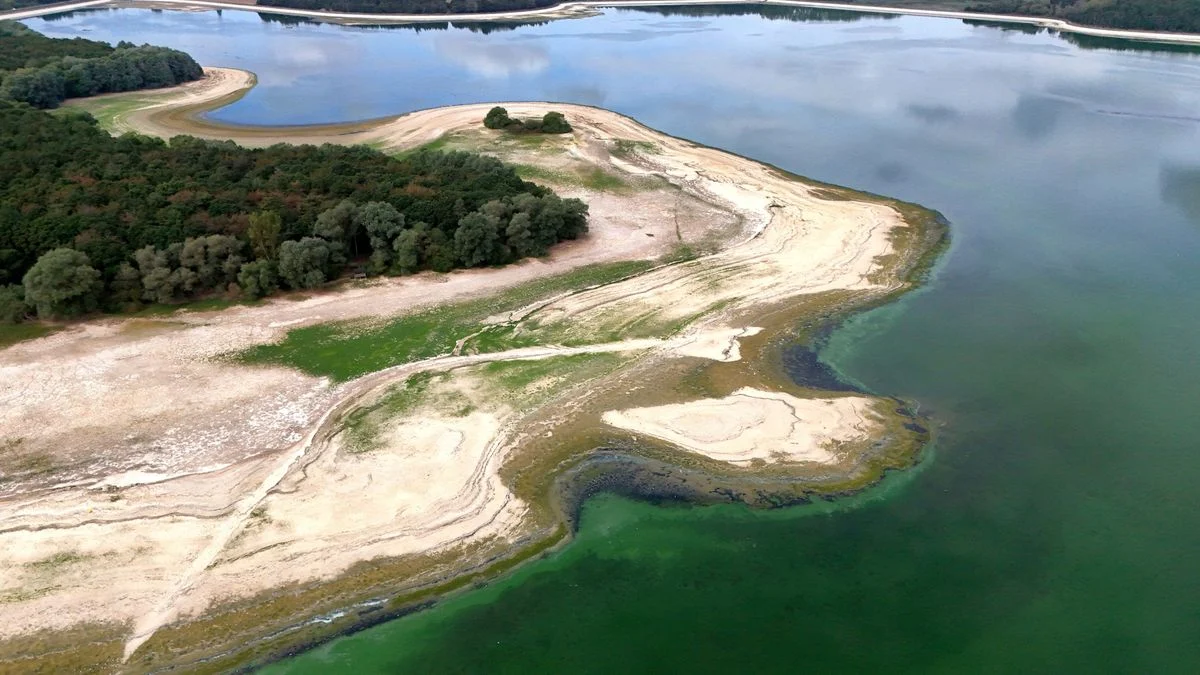
Perhaps the most critical indicator of the crisis is the state of the nation’s reservoirs. The Environment Agency reports that current fill rates stand at a concerning 55 percent. To put this in perspective, the expected value for this time of year, based on historical norms, is approximately 74.3 percent. This 20-point gap represents millions of cubic meters of water that are simply not available to meet the demands of industry, agriculture, and residential use.
Regional Vulnerability
While 82 percent of England is now in official drought status, the remaining 18 percent—primarily located in the far North—is not entirely safe. These regions are currently classified as being in a "prolonged dry period," a technical designation that serves as a precursor to full-scale drought. The margin between these two statuses is razor-thin, and officials warn that without a radical change in weather patterns, these areas will likely be absorbed into the drought zone by the start of winter.
Official Responses and Strategic Challenges
The government and the Environment Agency have moved from passive monitoring to active intervention. However, the scope of the problem poses a significant challenge to traditional water management strategies.
The Stance of the Environment Agency
An official spokesperson for the Environment Agency offered a blunt assessment: "The drought is far from over. It requires a sustained period of high-precipitation weather for the water levels in our reservoirs and groundwater tables to recover to healthy levels."
This statement underscores the complexity of the issue. Water management is not just about daily rainfall; it is about the long-term saturation of the earth. Even if a heavy storm were to hit tomorrow, the hardened, cracked soil—often hydrophobic after months of baking—would likely result in runoff rather than absorption, failing to replenish the aquifers that are the true safety net for the British water supply.
Legislative and Regulatory Action
In response, the government has begun coordinating with water utility companies to enforce stricter usage protocols. Hosepipe bans, which were once considered an extreme measure, have become a normalized part of daily life in many counties. Furthermore, there are ongoing debates regarding the privatization of water infrastructure and whether the current distribution systems are equipped to handle the demands of a changing climate.
Implications: A Nation in Transition
The implications of the 2026 drought extend far beyond the immediate inconvenience of watering gardens or washing cars. The structural impact of this event will be felt for years to come.
Agricultural Impact and Food Security
England’s farming sector is currently in a state of high alert. The lack of water has severely stunted crop yields, particularly for root vegetables and grains. The economic fallout is two-fold: farmers are seeing their income plummet due to crop failure, while the public is beginning to see the impact in the form of rising food prices. The long-term risk is a shift in the viability of certain types of agriculture in the South of England, potentially forcing a permanent change in land-use patterns.
Ecological Devastation
The ecological toll is perhaps the most difficult to quantify but potentially the most devastating. Rivers and wetlands are the lifeblood of England’s biodiversity. Low water levels lead to increased concentrations of pollutants, higher water temperatures, and the death of aquatic life. Several species of fish and waterfowl are struggling to survive as their habitats shrink, leading to a ripple effect throughout the food chain.
The Infrastructure Challenge
The 2026 crisis has exposed the vulnerability of England’s water infrastructure, much of which dates back to the mid-20th century. Leakage rates in many regions remain high, and the lack of integrated water grids—which would allow for the transfer of water from wetter regions to drier ones—has been identified as a critical failure. The drought is now serving as a catalyst for a national conversation about investment in water recycling, desalination, and more efficient storage solutions.
The Social and Psychological Toll
There is a growing sense of anxiety among the public. The realization that the "green and pleasant land" is becoming a drought-prone landscape has shifted the national psyche. Climate change is no longer a peripheral issue; it is a central concern that dictates the rhythm of life, from water restrictions to the constant threat of wildfires.
Conclusion: A Call for Adaptation
As England faces the final months of what has been a record-breaking and punishing year, the path forward is clear but daunting. The Environment Agency’s data acts as a warning: the climate of the past can no longer serve as a reliable blueprint for the future.
The current drought is not an anomaly; it is a symptom of a larger, more permanent shift in atmospheric dynamics. The 82 percent of the country now classified as a drought zone is a call to action for policymakers, scientists, and the public alike. Whether through improved infrastructure, radical conservation efforts, or long-term climate adaptation, the nation must prepare for a future where water is no longer a taken-for-granted resource, but a precious commodity that demands respect and careful stewardship.
As the spokesperson noted, the recovery will be a slow, painstaking process. Until the reservoirs are filled and the aquifers are restored, England remains in a state of high alert—a nation waiting for the rain, but learning, out of necessity, how to live without it.