In a significant shift for preventative medicine, the Gemeinsamer Bundesausschuss (G-BA)—Germany’s highest decision-making body for healthcare—has officially approved the expansion of the national breast cancer screening program. Starting in the summer of 2027, the age threshold for state-funded mammography will be lowered from 50 to 45 years, a move experts believe will drastically improve early diagnosis rates and patient outcomes across the country.
For decades, the standard for preventative mammography in Germany has been set at age 50, based on long-standing epidemiological data. However, evolving medical research and an increasing focus on proactive cancer management have prompted a re-evaluation of this policy. By capturing the disease at an earlier, more treatable stage, the healthcare system aims to shift the paradigm from reactive treatment to life-saving prevention.
The Core Facts: A New Standard for Prevention
The G-BA’s resolution marks a pivotal moment for women’s health. Under the current system, women are entitled to a subsidized mammography screening every two years between the ages of 50 and 75. While individual health insurance providers have occasionally offered voluntary coverage for younger patients, the new ruling formalizes this as a mandatory standard across all statutory health insurance (GKV) providers.
The decision is currently undergoing a routine legal review by the Federal Ministry of Health. Assuming no procedural objections are raised, the regulation is scheduled to take effect on August 1, 2027. This change ensures that the nearly 70 million people covered by the statutory health system will benefit from a more inclusive and robust diagnostic framework.
Chronology of the Decision and Implementation
The transition to a lower age threshold is not an overnight process. It involves a complex integration of logistics, medical staffing, and patient communication.
- October 2026: The G-BA officially adopts the resolution to expand the screening age group to include women starting at age 45.
- Late 2026 – Mid-2027: The resolution undergoes a mandatory legal review by the Federal Ministry of Health. During this window, the G-BA begins updating its official patient information materials to ensure clarity for the newly eligible demographic.
- August 1, 2027: The regulation formally enters into force. Women aged 45 to 49 will be eligible to contact their regional "Zentrale Stelle" (Central Screening Office) to book appointments.
- January 2028: The systematic, automated invitation process—which currently triggers every two years for women over 50—is expected to be fully integrated, meaning 45-year-olds will begin receiving direct, mailed invitations to participate in the program.
The staggered implementation is necessary to allow specialized diagnostic centers to adjust their capacity and ensure that the high quality-assurance standards—for which the German screening program is globally recognized—remain uncompromised.
Supporting Data: Why Early Detection Matters
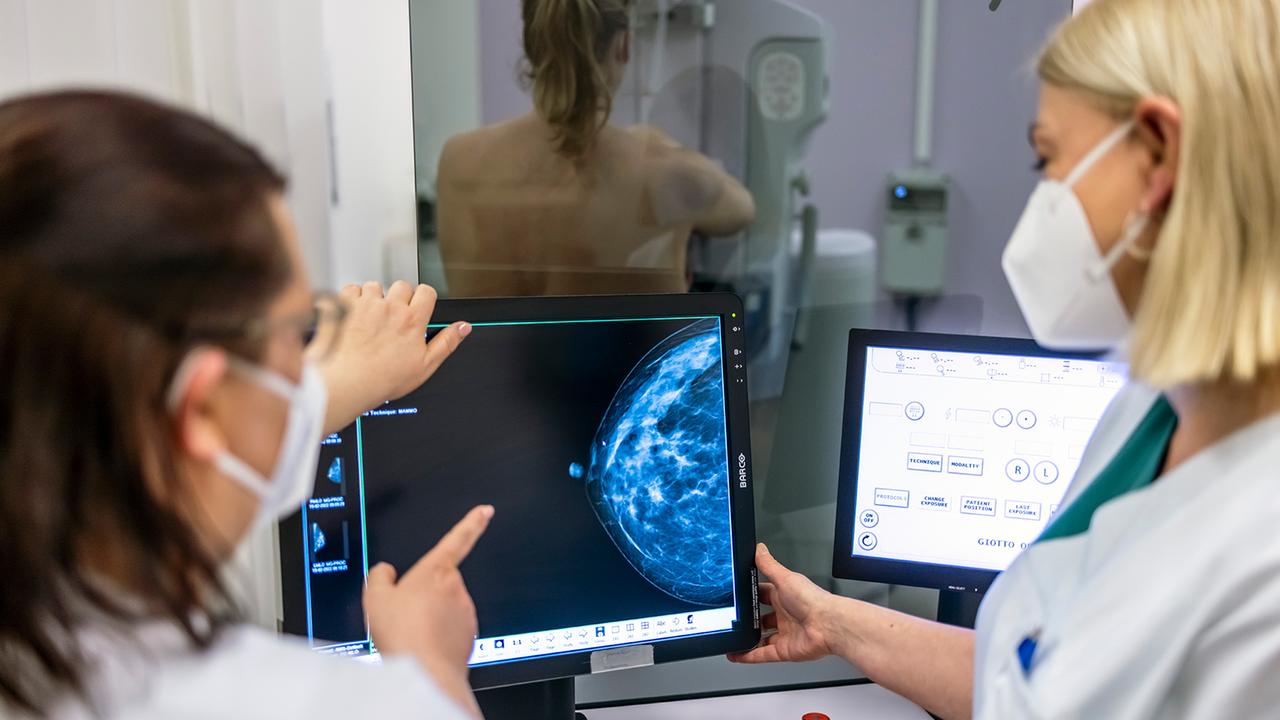
The scientific justification for this change is anchored in decades of longitudinal data. Mammography, a specialized X-ray of the breast tissue, remains the "gold standard" for identifying tumors before they are palpable or before they have metastasized to the lymph nodes.
According to extensive research from the Federal Office for Radiation Protection (Bundesamt für Strahlenschutz), consistent participation in screening programs reduces the risk of breast cancer mortality by 20 to 30 percent among eligible participants.
The Risk-Benefit Ratio
A common concern regarding increased screening is the exposure to ionizing radiation. However, the medical consensus is clear: the clinical benefit of identifying early-stage cancer—where treatment is often less invasive and highly successful—far outweighs the minimal radiation exposure associated with modern, high-precision digital mammography equipment. By catching tumors at a stage where they are not yet palpable, the necessity for aggressive interventions, such as extensive mastectomies or intensive chemotherapy, is significantly reduced.
Understanding the G-BA: The Architect of Health Policy
To understand the weight of this decision, one must understand the role of the Gemeinsamer Bundesausschuss (G-BA). It is the supreme decision-making body of the "joint self-administration" in the German healthcare system. It comprises representatives from:
- The National Association of Statutory Health Insurance Physicians (KBV)
- The National Association of Statutory Health Insurance Dentists (KZBV)
- The German Hospital Federation (DKG)
- The National Association of Statutory Health Insurance Funds (GKV-Spitzenverband)
The G-BA does not merely make recommendations; it dictates which medical services, medications, and treatments are covered by the national insurance mandate. By including mammography for 45-year-olds, they have effectively declared that this screening is an essential, rather than optional, component of modern preventative medicine.
Implications for Patients and the Healthcare System
The move to lower the age of screening carries profound implications for both the individual patient and the broader infrastructure of the German medical system.
For the Patient: A Shift in Agency
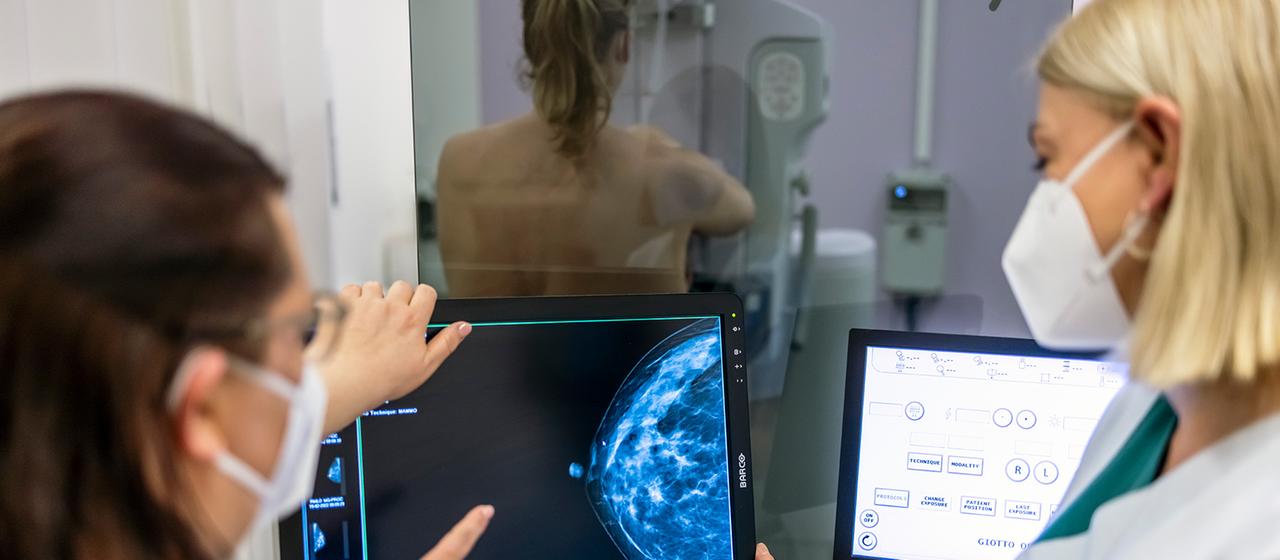
For women aged 45 to 49, this change provides a clear pathway to medical security. Previously, women in this age bracket were often caught in a "screening gap," where they were considered too young for the standard program but often had a high clinical need for surveillance due to family history or individual risk factors. The new policy removes the financial barrier—which often discouraged women from seeking private, out-of-pocket screenings—and provides a structured, high-quality diagnostic environment.
For the Medical Infrastructure: Scaling Up
The logistical challenge of adding approximately five years of the female population to the screening program is significant. Specialized centers will need to increase their throughput while maintaining the rigorous quality standards required by the German screening guidelines. This involves:
- Staffing: Increasing the number of certified radiologists and specialized radiographers.
- Technological Investment: Upgrading digital mammography suites to handle higher patient volumes.
- Data Management: Expanding the capacity of the Central Screening Offices to process invitations and maintain patient registries for an additional age cohort.
The Path Forward: Beyond the Age of 45
The expansion of the screening program is part of a broader trend toward personalized and early-stage oncology. While the age of 45 is a landmark victory, health experts continue to debate the role of genetic testing, AI-assisted image analysis, and magnetic resonance imaging (MRI) for high-risk individuals.
The decision by the G-BA is a testament to the fact that preventative care is not a static field. As detection technologies improve and diagnostic precision increases, the medical community continues to find ways to "outsmart" the disease.
For the millions of women entering the 45-year-old threshold, the message is clear: the system is now working harder to protect them before the disease has a chance to gain a foothold. The period between now and the full rollout in 2028 will be a critical time for public education, as the healthcare system prepares to welcome a new, younger generation into the fold of preventative health.
As the German Ministry of Health prepares its final review, the consensus remains overwhelmingly positive. By lowering the barrier to entry for breast cancer screening, Germany is not just updating a policy; it is actively investing in the longevity and quality of life for its citizens, setting a standard for proactive public health that resonates far beyond its borders.