In a move that has captured the attention of the international diplomatic community, the Kremlin has signaled a newfound willingness to engage in a fresh round of trilateral negotiations involving Russia, the United States, and Ukraine. This development, which follows a period of stagnation in direct high-level communication, suggests a potential, albeit fragile, opening for discussions aimed at addressing the architecture of European security.
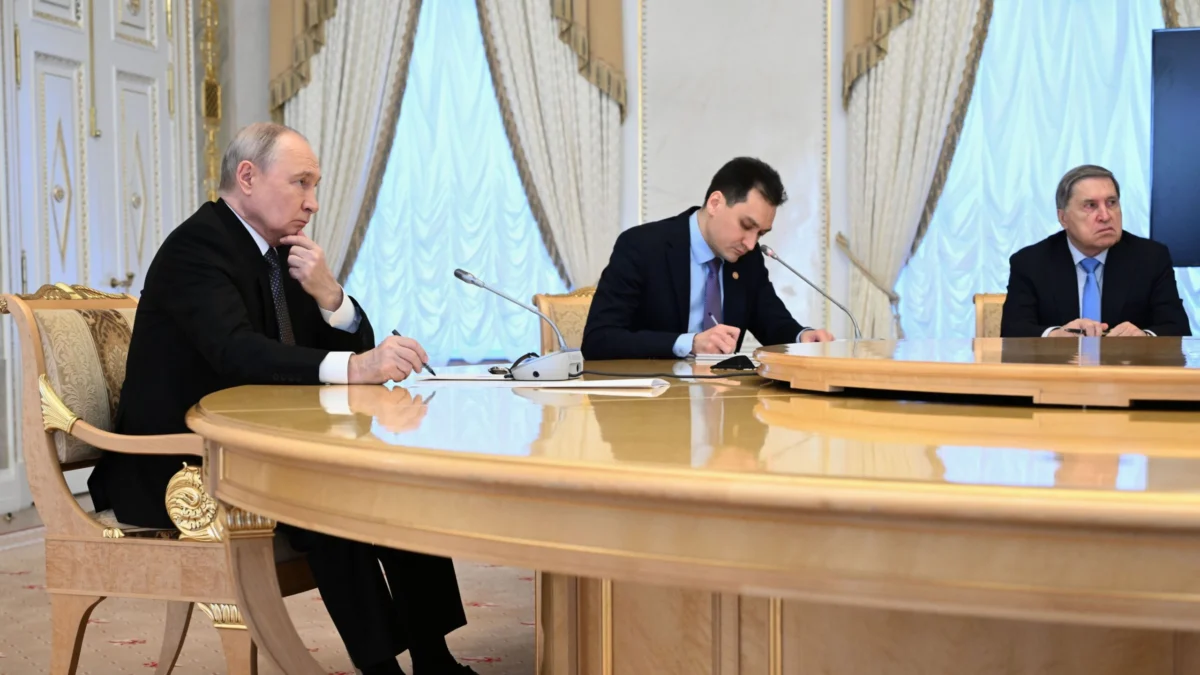
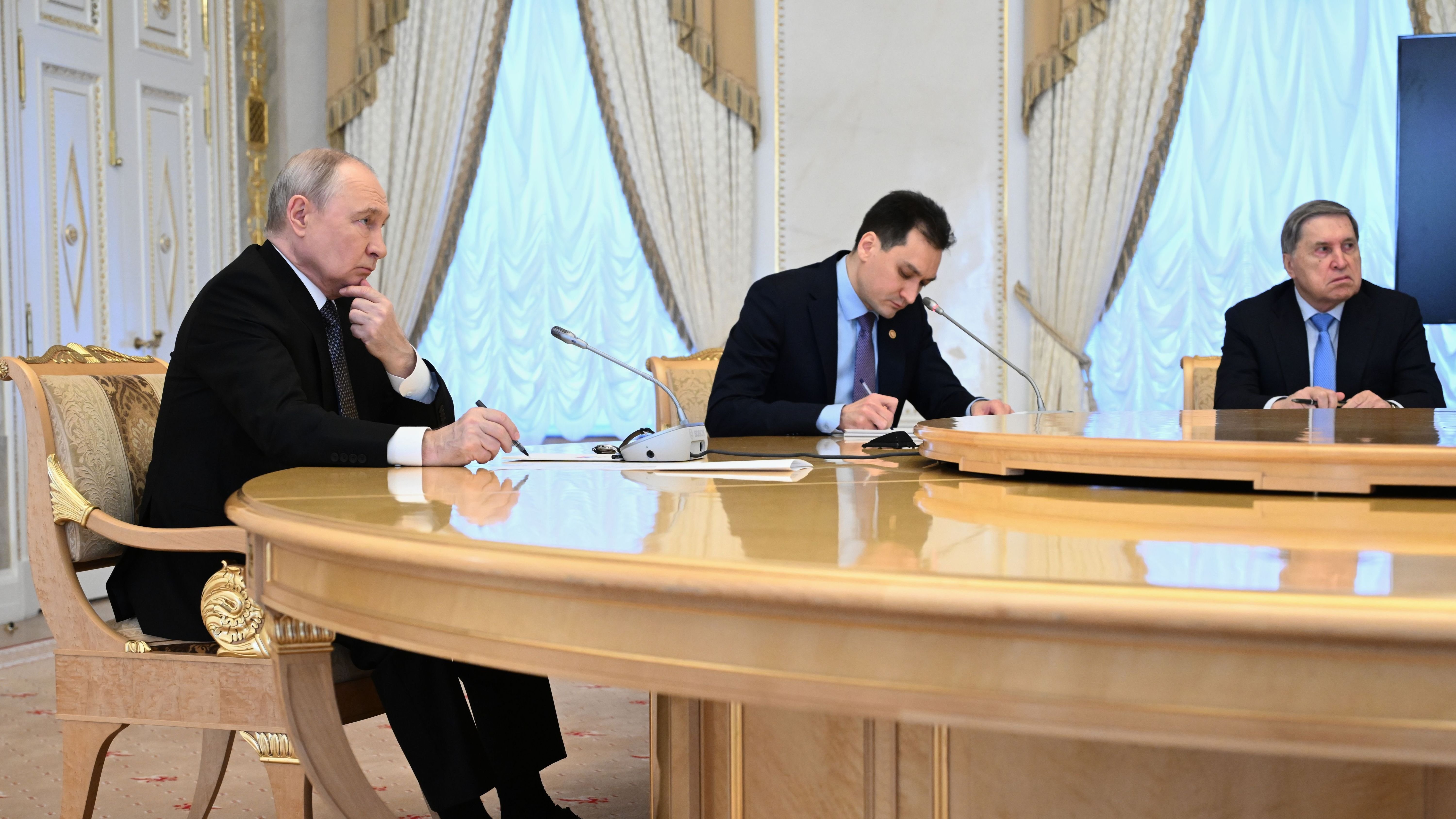
The announcement came following a meeting in St. Petersburg between Russian President Vladimir Putin and Steve Wittkoff, a special envoy appointed by the United States. According to Yuri Ushakov, the Kremlin’s foreign policy advisor, the proposal for a new round of talks in November was directly broached during these discussions, marking a subtle shift in the tone of the ongoing geopolitical standoff.
The Core Objective: Redefining Security Architectures
At the heart of the proposed dialogue is the contentious issue of regional security. As the conflict in Ukraine approaches its third year of high-intensity warfare, the strategic calculation behind such a meeting appears to be a desire to stabilize the theater of operations through structured communication.
Kremlin officials have characterized the potential November summit as a forum to discuss the "construction of a security system" that addresses the concerns of both Russia and Ukraine. By involving the United States, the Russian government continues to signal that it views Washington—rather than Kyiv—as the primary interlocutor for resolving the broader security grievances that served as the initial justifications for the "special military operation."

Chronology of Trilateral Engagement
To understand the significance of this potential November meeting, one must look at the precedent of the trilateral format. These discussions, while infrequent, have served as a rare communication channel between the three powers:
- Initial Engagements (2023–2024): Preliminary discussions were held in the United Arab Emirates, specifically in Abu Dhabi. These meetings were largely kept out of the public eye, serving as "track two" diplomacy to test the waters for more formal negotiations.
- February 2024 (Geneva): The most recent high-profile gathering of the three parties occurred in Geneva. While the details of those talks remained largely confidential, they represented the last time officials from the three nations convened in a formal setting to address the conflict.
- The Lull: Following the Geneva meeting, diplomatic channels effectively froze as the conflict on the ground intensified and political rhetoric hardened on both sides of the Atlantic.
- October 2026 (St. Petersburg): The meeting between President Putin and Steve Wittkoff re-establishes a direct line of communication, with the Russian leadership now proposing a return to the trilateral format in November.
Understanding the Players and Their Motivations
The Russian Perspective
For Moscow, the trilateral format is a strategic necessity. By demanding that the United States sit at the table, Russia reinforces its narrative that the conflict is essentially a proxy war between itself and the NATO bloc, with the U.S. acting as the "principal" power. Russia’s goal in these talks is likely twofold: to secure a freeze on current frontlines that favors their territorial gains and to extract concessions regarding the future military posture of Ukraine, particularly concerning NATO integration.
The U.S. Position
The involvement of a U.S. special envoy suggests that Washington is willing to explore the possibility of a diplomatic off-ramp, provided it does not undermine Ukrainian sovereignty. The United States remains in a delicate position: it must maintain the confidence of its European allies while simultaneously managing the risk of direct escalation with a nuclear-armed Russia. Wittkoff’s role is critical here—acting as the liaison who must report back to both the Ukrainian government and European stakeholders regarding the feasibility of these proposals.
The Ukrainian Stance
Ukraine’s role in these trilateral discussions is the most complex. While Kyiv has consistently demanded the restoration of its 1991 borders, the pressure from Western allies to at least explore diplomatic channels has been mounting. Ukraine faces the challenge of ensuring that "security architecture" discussions do not translate into a surrender of territory or a compromise of their future security guarantees.

Supporting Data and Geopolitical Context
The call for renewed talks comes amidst a grueling war of attrition. Recent data from the frontlines suggests that both sides are facing significant manpower and equipment exhaustion.
- Economic Strain: The Russian economy, while showing resilience, is increasingly pressured by the cost of the war and international sanctions. Conversely, Ukraine’s reliance on Western financial and military aid remains total, making the country vulnerable to shifting political winds in Washington and Brussels.
- Military Stalemate: Despite fluctuations in the front line, the conflict has largely entered a phase of positional warfare. The lack of a decisive breakthrough for either side has led to a growing consensus among international analysts that a military-only solution is increasingly unlikely in the short-to-medium term.
- Regional Stability: The potential move toward a meeting in a neutral venue like Abu Dhabi suggests that the parties are looking for "safe spaces" where optics can be managed away from the intense media scrutiny of Western or Russian capitals.
Official Responses and Diplomatic Protocol
Following the meeting in St. Petersburg, the diplomatic machinery has begun to move. Wittkoff’s mandate is to synthesize the Russian position and convey it to the relevant parties.

While there has been no immediate public confirmation from the White House or the Ukrainian Ministry of Foreign Affairs regarding the specific date of November 10th or the location of Abu Dhabi, sources close to the diplomatic process indicate that internal deliberations are underway. The Kremlin’s decision to announce this via Interfax—a state-aligned news agency—is a calculated move to set the agenda and pressure the U.S. to commit to the meeting publicly.
The European Union, for its part, remains cautious. There is an underlying fear in Brussels that any "trilateral" deal struck between the U.S. and Russia could potentially exclude European interests or lead to a "Yalta-style" carving up of spheres of influence.

Implications for Global Security
If these talks proceed, the implications for global security are profound:
1. De-escalation vs. Strategic Pause
The primary question for analysts is whether a meeting in November would represent a genuine path toward peace or merely a "strategic pause" for the Russian military to regroup and rearm. History suggests that such negotiations are often used as tools of domestic signaling rather than sincere attempts at conflict resolution.

2. The Role of the U.S. Election Cycle
With the U.S. political calendar moving toward transition periods, any diplomatic initiative launched in late 2026 carries the weight of future American policy. The Kremlin is undoubtedly calculating how a change in U.S. administration or a change in the Congressional balance of power might affect the longevity of any agreement reached in the trilateral format.
3. The Future of Ukraine’s Sovereignty
Ultimately, any security system that includes Russia will require a fundamental shift in Moscow’s recognition of Ukrainian statehood. If the talks proceed, the "security architecture" will be the litmus test. Does it involve a neutral Ukraine? Does it involve an end to the occupation? Or is it a framework for an indefinite, frozen conflict?

Conclusion
The announcement from the Kremlin that Russia is prepared for a new round of trilateral talks is a significant, if cautious, shift in the diplomatic landscape. While the path to a sustainable peace remains fraught with deep-seated mistrust and conflicting strategic goals, the return to a structured, three-party dialogue is, at the very least, an admission that the current trajectory of the war is unsustainable for all involved.
As Steve Wittkoff begins the process of coordinating with Kyiv and European allies, the international community will be watching closely. Whether this leads to a breakthrough in November or remains a footnote in a long and bloody conflict will depend on the willingness of all three parties to move beyond posturing and engage in the difficult, necessary work of compromise. For now, the world waits to see if the proposed summit in Abu Dhabi will materialize, and if it might provide the first real steps toward silencing the guns in Eastern Europe.