


Crete, Greece – October 5, 2026 – The idyllic Greek island of Crete is grappling with the aftermath of torrential downpours that have unleashed widespread flooding, causing significant damage to infrastructure, homes, and agricultural lands. As the skies finally clear, residents and authorities are beginning the arduous task of assessing the full extent of the devastation and initiating a comprehensive recovery operation. A government delegation is en route to the island to survey the damage and coordinate immediate aid for the hardest-hit communities.
The Unrelenting Deluge: A Catastrophic Rainfall Event
For days, Crete has been battered by relentless storms, pushing rainfall totals to alarming levels. The Lasithi Plateau, a fertile highland basin in eastern Crete, experienced an astonishing 440 millimeters (approximately 17.3 inches) of rain in just two days, according to Thodoris Ninos, head of the development organization for Crete. This figure is particularly staggering when compared to the region’s typical annual rainfall, which ranges between 700 and 900 millimeters. The sheer volume of water overwhelmed natural drainage systems, transforming roads into raging rivers and inundating homes and businesses.
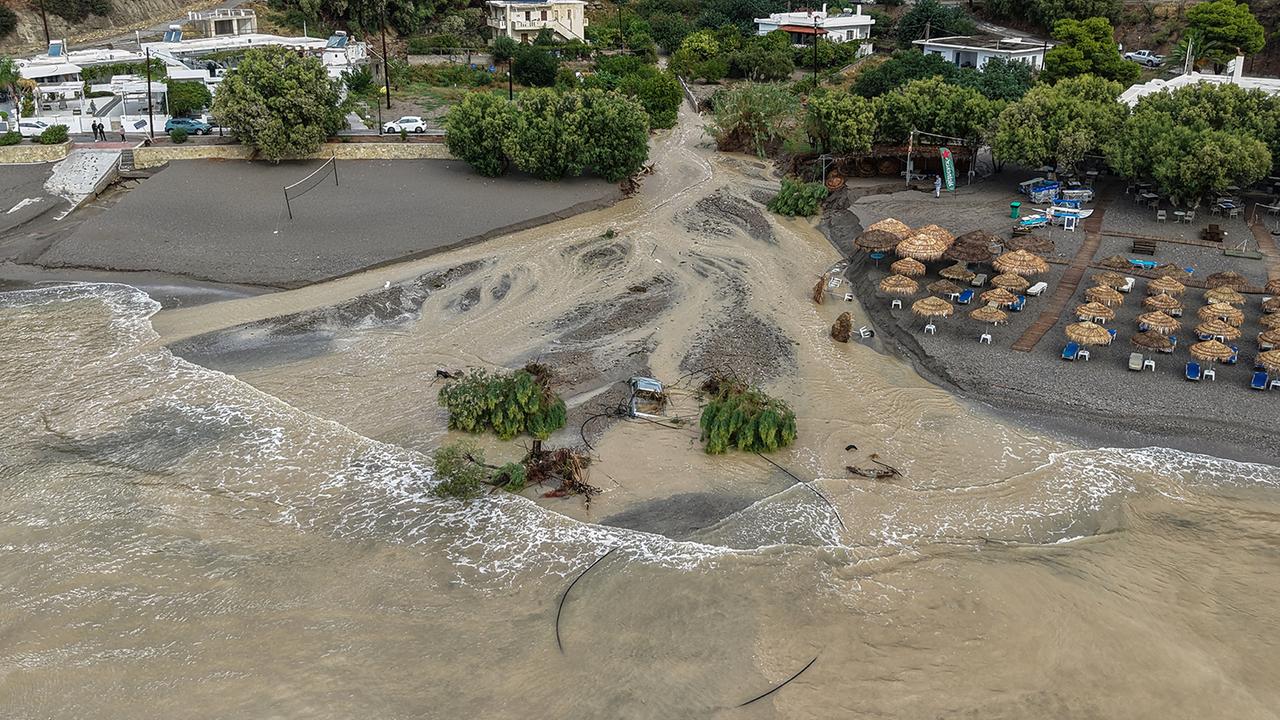
The impact has been felt across the island, with particularly severe consequences in the southeastern regions. The deluge transformed agricultural fields into vast expanses of mud and submerged coastal areas. The picturesque harbor town of Chania witnessed enormous waves crashing onto its beachfront restaurants, leaving a trail of destruction. Media reports indicate that numerous vehicles and livestock have been swept away by the powerful currents, exacerbating the economic hardship for many local farmers who are now expected to seek government assistance and compensation.
A Timeline of Destruction and Rescue
The severe weather event began to escalate on Thursday, prompting an immediate response from emergency services. Rescue teams were repeatedly deployed to assist those trapped in flooded buildings and vehicles. The swift and powerful nature of the floods meant that many were caught unaware, leading to dramatic rescues.
One particularly harrowing incident involved three tourists and their taxi driver in southeastern Crete, who were swept away by a flash flood in their vehicle. Miraculously, they managed to survive when their taxi became lodged against a tree, allowing them to escape the treacherous waters. The grim reality of the storm’s power was underscored by the discovery of an 80-year-old livestock farmer, who was found deceased. Authorities are currently investigating the circumstances surrounding his death.
The popular Samaria Gorge, a renowned tourist attraction on Crete, also became a scene of concern. Eight national park employees were stranded within the gorge due to the extreme rainfall, highlighting the perilous conditions faced by those in the affected areas. Their rescue, along with other stranded individuals, became a priority for the emergency services.
Supporting Data and Meteorological Context
The unprecedented rainfall on Crete can be partially attributed to a confluence of meteorological factors. While the article does not delve into specific atmospheric conditions, such extreme events are increasingly linked to climate change, which can lead to more intense and frequent weather phenomena. The concentration of rainfall in such a short period on the Lasithi Plateau is a stark indicator of the system’s inability to cope with the sudden influx of water.
The normal annual rainfall figures for the region, when contrasted with the two-day total, paint a clear picture of the severity of the event. This immense volume of water not only overwhelmed the landscape but also had a devastating impact on the island’s infrastructure, including roads and bridges, which bore the brunt of the erosive force of the floodwaters.
Official Responses and Government Intervention
Recognizing the gravity of the situation, the Greek government has dispatched a delegation to Crete. This mission aims to provide a firsthand assessment of the damage, understand the immediate needs of the affected population, and coordinate the deployment of vital resources and support. The presence of government officials underscores the seriousness with which the crisis is being treated and the commitment to facilitating a swift recovery.
The immediate focus for many communities will be the arduous process of cleanup and rebuilding. This will involve clearing debris, assessing structural integrity of damaged buildings, and restoring essential services. The economic implications for the island, heavily reliant on tourism and agriculture, are significant and will require sustained support and investment.
Long-Term Implications and Future Preparedness
The devastating floods on Crete serve as a stark reminder of the vulnerability of island communities to extreme weather events. The event raises important questions about infrastructure resilience, disaster preparedness, and the potential impacts of a changing climate on the Mediterranean region.
As Crete embarks on its recovery journey, the focus will inevitably shift towards long-term strategies to mitigate the impact of future extreme weather. This may include investments in improved flood defenses, early warning systems, and more resilient infrastructure. Furthermore, the incident highlights the need for ongoing dialogue and collaboration between local authorities, national governments, and international organizations to address the growing challenges posed by climate change. The resilience and spirit of the Cretan people will undoubtedly be tested in the coming months, but the island’s determination to rebuild and recover remains strong.








