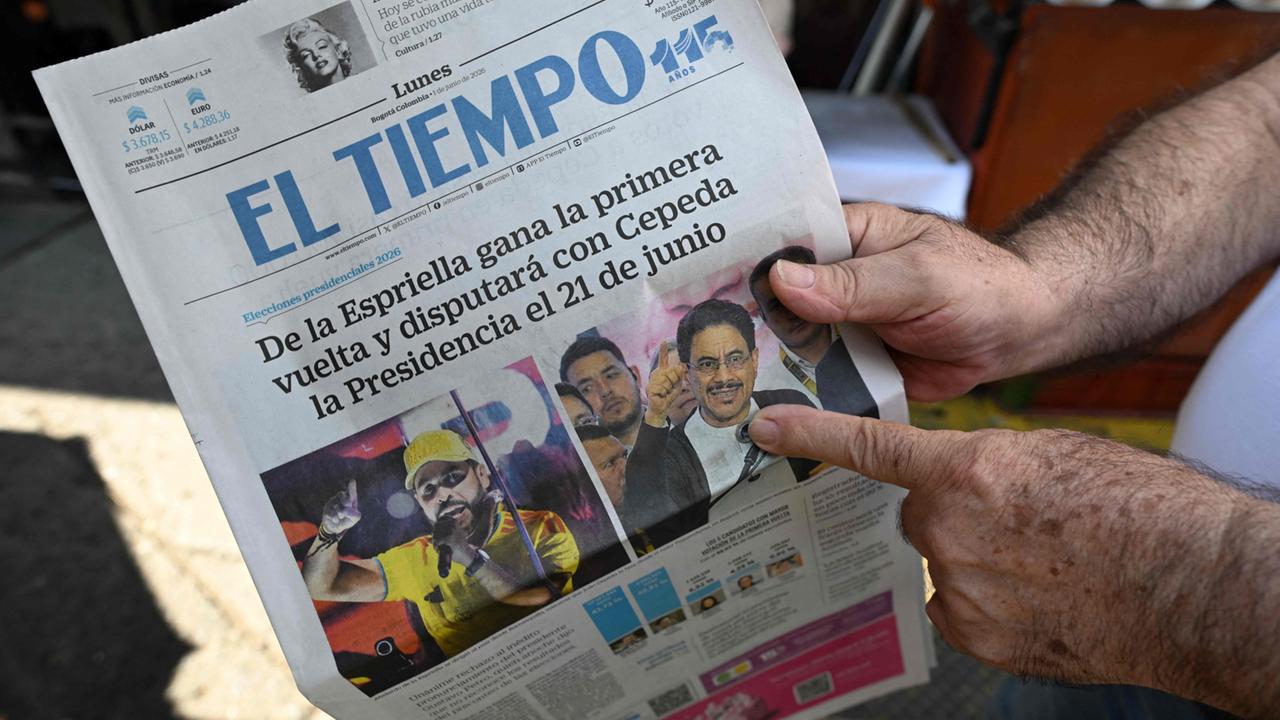
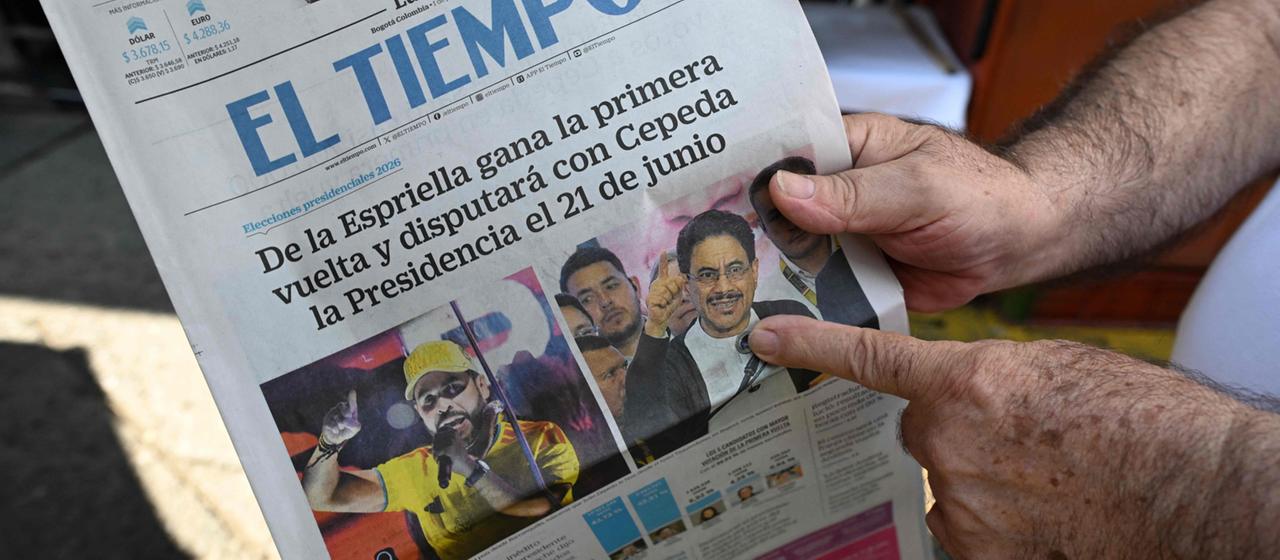
Bogotá, Colombia – June 21, 2026 – Colombia finds itself gripped by political tension as voters head to the polls today for a crucial presidential runoff election. The nation’s future hinges on a tight race between the right-wing candidate, Abelardo de la Espriella, and his left-wing rival, Iván Cepeda. With escalating violence from armed groups dominating the national discourse, de la Espriella, who has styled himself as a populist "law-and-order" champion, has seen a surge in support, now holding a slight lead in opinion polls.
The election marks a pivotal moment for Colombia, a country grappling with persistent internal conflict, deep social inequalities, and a fragile peace process. The outcome will not only determine the direction of its domestic policies but also its standing in a region increasingly polarized by ideological shifts.
The Contenders and Their Platforms
The runoff pits two vastly different visions for Colombia against each other, reflecting the deep ideological divides within the nation.
Abelardo de la Espriella: The "Tiger" and the Right’s Resurgence
Abelardo de la Espriella, a charismatic lawyer and self-proclaimed "el Tigre," has galvanized a significant portion of the electorate with his hardline stance on security and his fierce criticism of the incumbent left-wing administration. His campaign has masterfully tapped into public frustration over insecurity and economic anxieties.
Symbolism and Controversy
De la Espriella’s campaign has been marked by a distinctive and controversial use of national symbols. He adopted the iconic yellow jersey of the Colombian national football team as a central campaign emblem, urging his supporters to appear in droves wearing it, often emblazoned with his "Tiger" nickname. This tactic, however, quickly drew criticism and legal intervention. The Colombian judiciary ultimately banned him from using the jersey in his campaign, a decision echoed by the national football federation, which appealed for the team’s symbols to remain unifying rather than divisive political tools. This incident underscored the deep polarization of the election, where even symbols of national pride became battlegrounds. The use of national sports iconography for political ends is not unprecedented in Latin America, notably seen with Brazil’s former right-wing populist president, Jair Bolsonaro, who similarly co-opted his country’s national football jersey to symbolize his movement.
A Thorny Legal Past
Beyond his populist rhetoric, de la Espriella’s past as a prominent lawyer has drawn sharp scrutiny. His client list has included figures deeply entrenched in Colombia’s complex criminal underworld and political scandals. Critics, including his opponent Cepeda, have highlighted his representation of alleged drug traffickers, paramilitaries, and individuals accused of corruption. This aspect of his career is particularly contentious in a country that has endured decades of violence and instability fueled by these very actors.
A particularly high-profile case involved his legal representation of Alex Saab, an alleged financial fixer for Venezuela’s Nicolás Maduro regime. Saab faced accusations of money laundering and tax evasion from Colombian prosecutors and similar charges of money laundering and corruption from the U.S. Department of Justice. His extradition to the United States in May, facilitated by Venezuela’s interim government, brought renewed attention to de la Espriella’s ties to the Venezuelan regime, creating a significant contradiction for a candidate who frequently campaigns on the dangers of "Chavism."
Populist Playbook and International Alliances
De la Espriella positions himself as an anti-establishment figure, despite his prominent legal career and connections. He skillfully uses Venezuela as a political bogeyman, warning of the dire consequences of a "Chavist" path for Colombia. This strategy, as explained by political scientist Luis Fernando Trejos, effectively mobilizes fears among moderate voters who are apprehensive about the stability of Colombia’s democracy and institutions under another left-wing administration. The shadow of Venezuela’s economic collapse and authoritarian drift looms large for many Colombians, particularly with the influx of millions of Venezuelan migrants into the country.
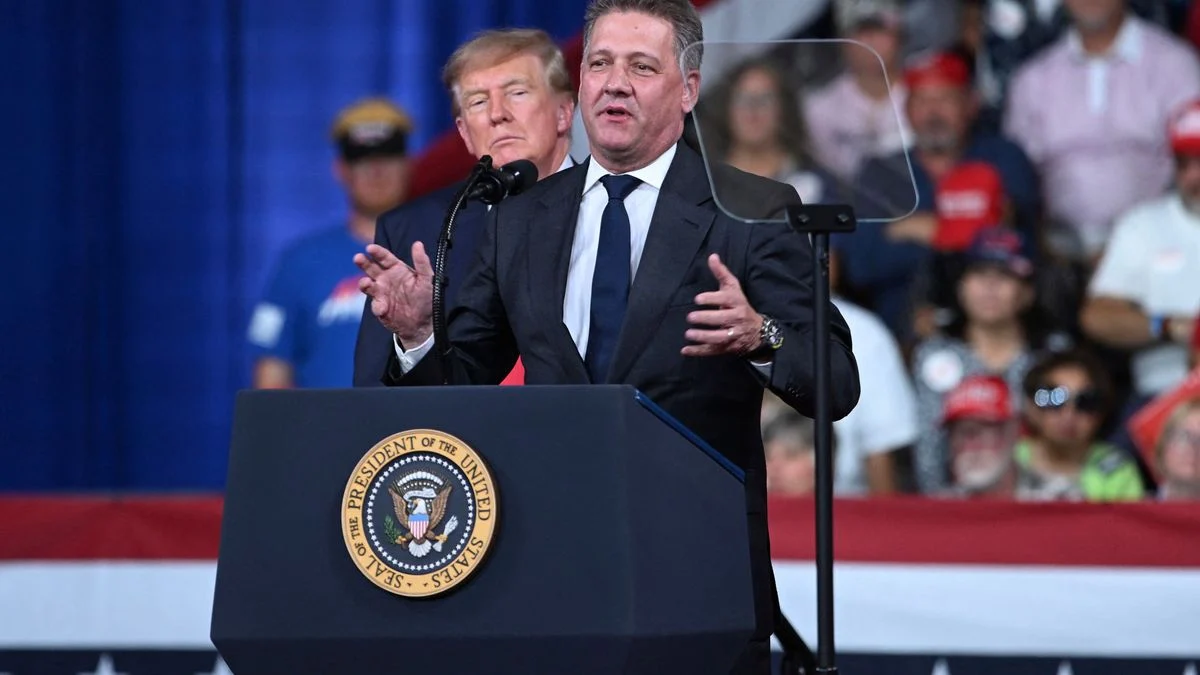
His political inspiration draws from a new wave of right-wing populists across the Americas. He openly admires Argentina’s libertarian president, Javier Milei, and El Salvador’s authoritarian leader, Nayib Bukele, known for his controversial mass incarceration policies. Notably, former U.S. President Donald Trump has publicly endorsed de la Espriella, further aligning him with a global populist movement. This blend of strongman appeal, anti-left rhetoric, and international populist backing has propelled him to the forefront, defying earlier analyst predictions.
Iván Cepeda: Advocating for "Integrated Peace"
Challenging de la Espriella is Iván Cepeda, a senator from the left-wing Democratic Pole party and a close ally of the outgoing President Gustavo Petro. Cepeda’s campaign aims to build upon Petro’s foundational reforms while adopting a more conciliatory and pragmatic approach.
Continuity with a Moderate Twist
Cepeda pledges to continue the core tenets of Petro’s agenda: expanding the social state, advancing peace negotiations with armed groups, and pushing forward with the energy transition away from fossil fuels. However, recognizing the criticisms leveled against Petro’s often confrontational style, Cepeda has consciously projected a more moderate and consensus-oriented image. This shift is crucial for attracting centrist voters who may have been alienated by the incumbent administration’s rhetoric and policies.
The "Paz Integral" Strategy
A key differentiation in Cepeda’s platform lies in his proposed security policy, which he terms "paz integral" (integrated peace), a deliberate departure from Petro’s "paz total" (total peace). While Petro’s ambitious "paz total" sought simultaneous negotiations with multiple armed groups, it largely failed to stem the rising tide of violence and was criticized for not adequately addressing the root causes of conflict in affected regions.
Cepeda’s "paz integral" strategy is designed to be more nuanced and effective. It advocates for selective negotiations with armed groups, prioritizing those genuinely committed to disarmament and reintegration, while simultaneously implementing profound social reforms in conflict-affected territories. This approach directly responds to the critique that the current government pursued negotiations without tackling the underlying poverty and inequality that allow new armed groups to flourish and recruit. By combining targeted security measures with social investment, Cepeda hopes to create more sustainable conditions for peace and state presence.
Chronology of Key Developments and Context
Colombia’s current political landscape is heavily shaped by the recent past, particularly the tumultuous term of President Gustavo Petro and the ongoing challenges to peace.
Petro’s Tumultuous Term and the "Paz Total"
Gustavo Petro, Colombia’s first left-wing president, came to power with an ambitious agenda centered on social justice and "paz total." His vision involved opening dialogues with all remaining armed groups, including the National Liberation Army (ELN), FARC dissidents, and various criminal organizations. However, this comprehensive peace strategy proved difficult to implement. Negotiations often stalled, and some groups used the ceasefire periods to expand their territories and illicit activities.
Petro’s confrontational style frequently put him at odds with Congress, the judiciary, businesses, and the media, leading to political gridlock and accusations of undermining democratic institutions. His initial proposal to amend the constitution, though later withdrawn, sparked significant apprehension among moderate sectors of the population, leaving a lingering sense of uncertainty about the stability of the country’s political rules.
Escalating Violence and Public Discontent
The failure of "paz total" to deliver widespread security has created a significant vacuum, leading to a resurgence of violence. New armed groups, or existing ones capitalizing on the diminished presence of the state and the FARC’s demobilization, have expanded their control over vast territories. This has resulted in the worst internal displacement crisis in decades, with tens of thousands of Colombians forced to flee their homes due to clashes between rival groups. Human rights organizations report a concerning increase in murders, extortion, and forced recruitment. This deteriorating security situation has become the single most dominant issue in the election, fueling public disillusionment with the current government and a strong desire for a decisive change in security policy.
Supporting Data and Expert Analysis
The current polling figures and the trajectory of the election reflect a complex interplay of public sentiment, historical anxieties, and the perceived effectiveness of government policies.
The Shifting Electorate and Public Fears
De la Espriella’s rise in the polls, leading Cepeda by several percentage points, is largely attributed to a confluence of factors: widespread disappointment with Petro’s administration, deep-seated fears of "Venezuelan conditions" taking hold in Colombia, and a profound longing for a more robust security approach. His promise to defeat "communism," as he labels the left-wing agenda, resonates strongly with a populace wary of radical change. His "law and order" mantra appeals directly to those who feel increasingly vulnerable to crime and violence.
Political analyst Luis Fernando Trejos notes that Petro’s government inadvertently stirred anxieties among moderate segments of the population, particularly through proposals like constitutional reform. While these plans were eventually retracted, the unease persists, making voters more receptive to de la Espriella’s assurances of stability and order. The historical memory of conflict and the recent struggles with peace have left many Colombians exhausted and seeking strong leadership to restore a sense of security.
Challenges for the Next Administration
Regardless of who emerges victorious, the incoming president will face immense challenges, particularly in the realm of security. Experts are cautious about the feasibility of implementing any single, sweeping strategy to resolve Colombia’s decades-long conflict.
Elizabeth Dickinson of the International Crisis Group emphasizes that neither Cepeda’s "peace policy" nor de la Espriella’s "law-and-order" approach alone can pacify Colombia. A successful strategy, she argues, must be multifaceted, combining targeted military operations where necessary, pragmatic negotiations where they can yield results, and a concerted effort by the state to address the underlying causes of violence, such as poverty, inequality, and lack of opportunities.
De la Espriella’s promise of a "hard hand" against armed groups, while popular, faces significant practical hurdles. Colombia is heavily indebted, and its security sector is underfunded. The nation’s history with U.S.-backed drug interdiction efforts has shown limited success, indicating that military solutions alone are insufficient. Trejos points out that even with potential U.S. support, a president cannot wage "six or seven wars simultaneously." The next leader will have to prioritize specific regions and armed actors, a reality that de la Espriella, according to Trejos, will likely only explain to his voters after the election.
Official Responses and Criticisms
The campaign has been characterized by intense mutual criticism and legal challenges, highlighting the contentious nature of Colombian politics.
Judicial and Societal Pushback on Campaign Tactics
The judiciary’s intervention regarding de la Espriella’s use of the national football jersey underscores the legal and societal boundaries being tested in this election. The football federation’s plea for national symbols to remain apolitical reflects a broader societal desire to preserve elements of national unity amidst deep political divisions. These responses highlight the tension between freedom of expression in campaigning and the potential for divisive tactics to erode national cohesion.
Mutual Accusations on Character and Policy
The candidates have not shied away from personal attacks and policy criticisms. Cepeda has consistently questioned de la Espriella’s integrity, pointing to his controversial legal career as evidence of a lack of moral compass. This strategy aims to undermine de la Espriella’s "anti-establishment" image by linking him to the very systems of corruption and violence he claims to oppose.
Conversely, de la Espriella has relentlessly attacked Cepeda by association with Petro’s perceived failures, particularly in security and economic management. He frames Cepeda as a continuation of policies that have, in his view, led to increased instability and the threat of "communism." These accusations are designed to capitalize on the widespread disillusionment with the current administration and to paint Cepeda as a risk to Colombia’s democratic and economic stability.
Implications: Colombia at a Crossroads
The outcome of today’s election will have profound implications for Colombia, both domestically and in its regional and international relations.
Domestic Ramifications
A victory for de la Espriella would signal a decisive shift to the right, potentially ushering in a period of more aggressive military action against armed groups and a rollback of some of Petro’s social reforms. His alignment with figures like Bukele suggests a potential embrace of more authoritarian tactics in the name of security, which could raise concerns about human rights and civil liberties. The political climate would likely remain highly polarized, with significant friction between the executive branch and other state institutions.
Should Cepeda win, Colombia would likely see a continuation of efforts to strengthen the social state and pursue a more nuanced peace policy. However, he would face immense pressure to demonstrate concrete improvements in security and to repair the relationship between the presidency and other branches of government. His moderate approach might offer a path towards greater consensus, but the underlying social and economic challenges would persist, demanding careful navigation.
Regional and International Outlook
The election’s result will also reverberate across Latin America. A de la Espriella presidency would align Colombia more closely with the region’s resurgent conservative and populist movements, further consolidating a right-wing bloc that includes Argentina and potentially other nations. This could lead to a tougher stance on Venezuela and a strengthening of ties with the United States under a potentially similar conservative administration.
A Cepeda victory, conversely, would maintain Colombia’s position within the "pink tide" of left-leaning governments in Latin America, albeit with a more moderate and pragmatic voice than Petro. This could foster continued collaboration on issues like climate change and regional integration, while potentially easing tensions with neighboring Venezuela.
Conclusion
As Colombians cast their votes, the nation stands at a critical juncture. The choice between Abelardo de la Espriella’s populist "law-and-order" promises and Iván Cepeda’s call for an "integrated peace" reflects a deep national debate about how best to confront the intertwined challenges of security, inequality, and political stability. While experts caution against unrealistic expectations for a swift resolution to Colombia’s decades-long conflicts, the election’s outcome will undeniably set the tone for the nation’s immediate future, determining its path forward in a region and world increasingly defined by political polarization and complex socio-economic pressures. The road to lasting peace and prosperity in Colombia remains long and arduous, irrespective of who ultimately takes the presidential palace.