Berlin, Germany – Following a series of "disastrous defeats" in recent state elections across Saxony-Anhalt, Mecklenburg-Vorpommern, and Berlin, Germany’s Christian Democratic Union (CDU) finds itself at a critical juncture, facing mounting pressure for a profound strategic reorientation. The party’s influential employee wing, the Christian Democratic Employees’ Association (CDA), has issued a stark warning, asserting that the CDU has "narrowed more and more" and is failing to uphold its traditional identity as a broad "people’s party" (Volkspartei).
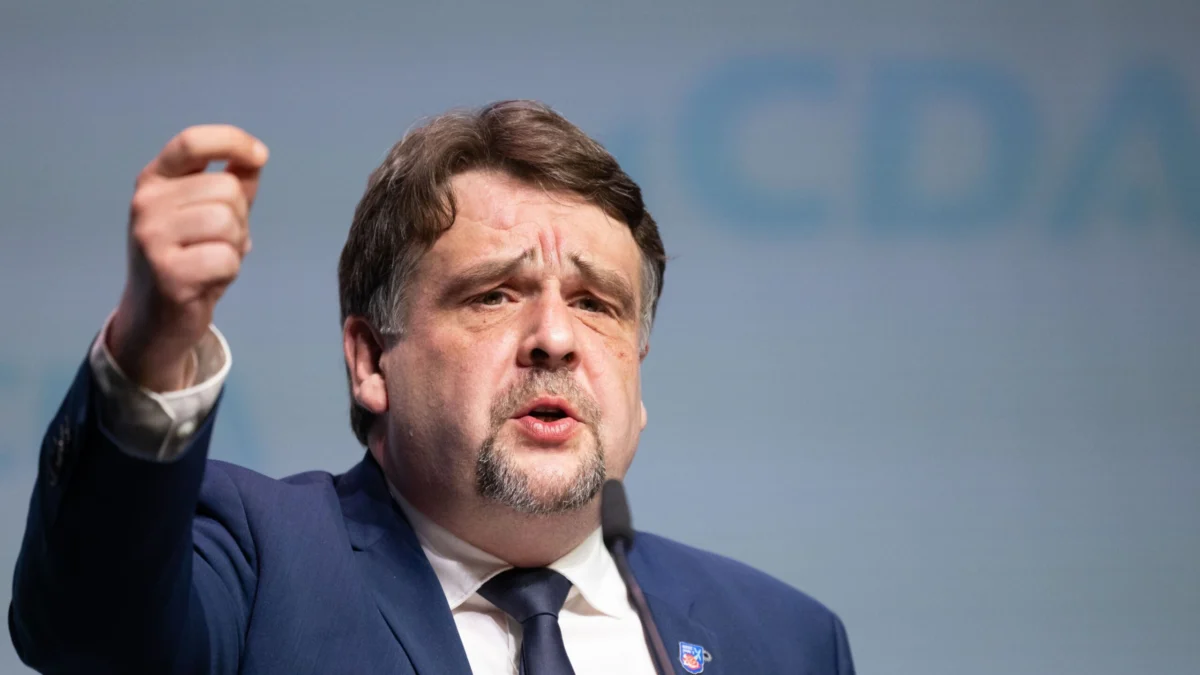
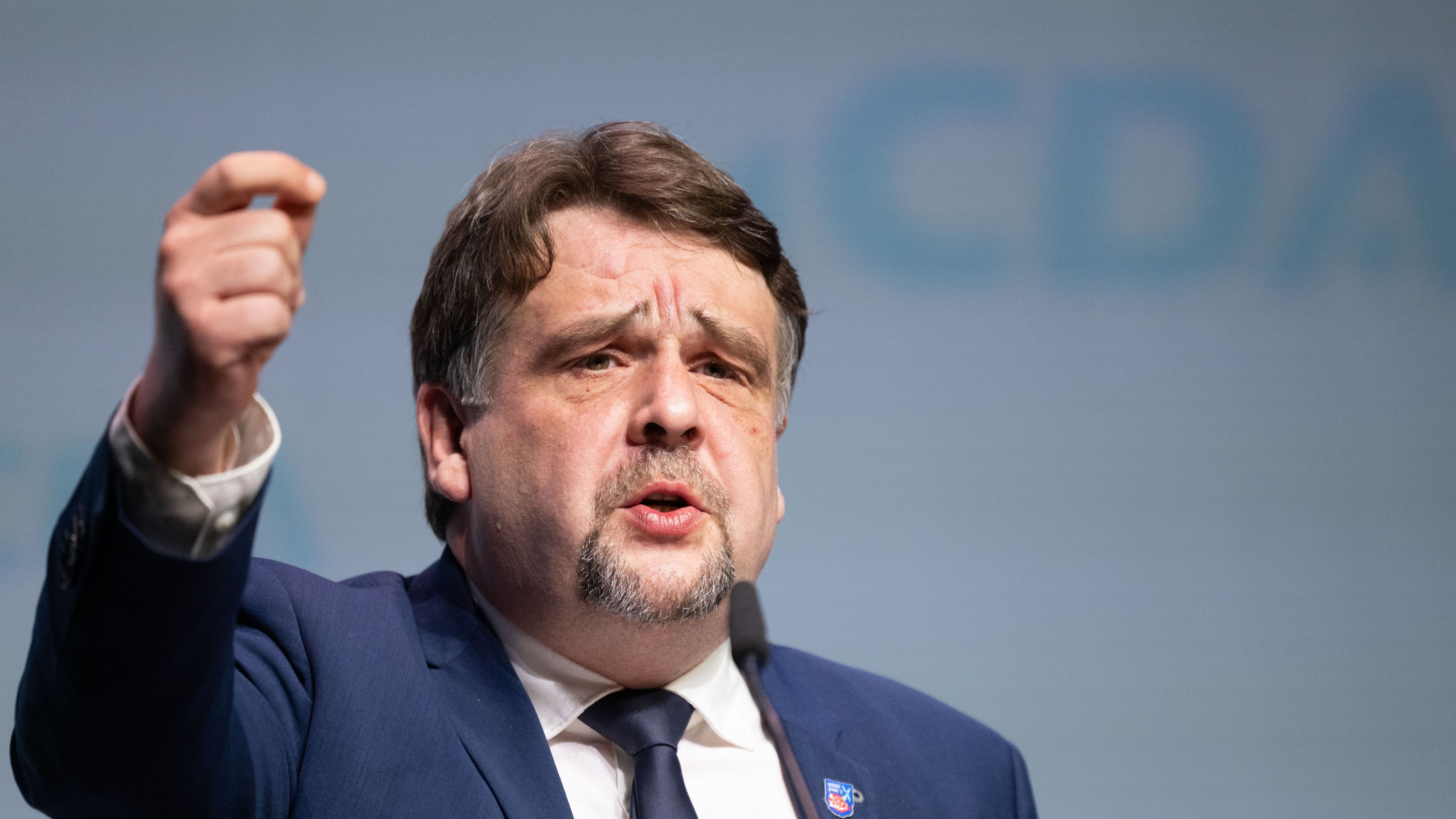
Dennis Radtke, the federal chairman of the CDA, articulated this growing discontent in an interview with Handelsblatt, stating, "We no longer live up to our claim of being a people’s party." Radtke forcefully rejected any notion of the CDU becoming an "FDP-light" – a reference to the more economically liberal Free Democratic Party – or solely a conservative entity. He unequivocally called for a renewed emphasis on social concerns within the party’s agenda, hinting at specific policy proposals that, while championed by the CDA, are viewed with apprehension by many business representatives within the CDU’s ranks. This internal challenge comes as the CDU presidium prepares for a crucial closed meeting in Berlin on October 11 to deliberate on the ramifications of the recent electoral setbacks, revealing deep divisions among regional leaders on the path forward.
The Deepening Crisis: A Party Adrift
The CDU, once the seemingly unshakeable anchor of German politics, is grappling with an identity crisis exacerbated by its recent performance at the ballot box. The party, which has historically commanded broad support across various demographics, is now facing questions about its core appeal and strategic direction.
Recent Electoral Setbacks Underscore Systemic Issues
The term "disastrous defeats" is not hyperbole when considering the CDU’s historical dominance in regional politics. In Saxony-Anhalt, a state where the CDU has long been a dominant force, the party saw its support erode, struggling to maintain its lead against a resurgent AfD and other parties. Similarly, in Mecklenburg-Vorpommern, a state historically characterized by strong CDU performance, the party experienced a significant decline, losing ground to the Social Democrats (SPD) and other competitors. The situation in Berlin was particularly telling, as the capital city’s election results reflected a broader trend of the CDU struggling to connect with urban voters and younger generations, further highlighting its perceived detachment from contemporary societal issues.
These electoral losses are not isolated incidents but rather symptoms of a deeper malaise. They reveal a shifting political landscape where traditional loyalties are weakening, and voters are increasingly looking for parties that address a broader spectrum of concerns beyond purely economic or conservative principles. The defeats have fueled an urgent debate within the party about its ability to resonate with a diverse electorate, prompting the CDA to demand a return to foundational principles that once ensured the CDU’s status as a true Volkspartei.
Radtke’s Critique: The "Narrowing" of the Volkspartei
Dennis Radtke’s assertion that the CDU has "narrowed more and more" strikes at the heart of the party’s self-conception. For decades, the CDU prided itself on being a catch-all party, uniting diverse social strata under a common umbrella of Christian democratic values, encompassing economic liberalism, social responsibility, and conservative traditions. This ability to appeal to a broad base – from entrepreneurs and farmers to workers and families – was the bedrock of its enduring success.
Radtke’s criticism suggests that this broad appeal has been compromised. The "FDP-light" label implies that the party has become overly focused on economic policies, potentially alienating voters who prioritize social welfare, fair labor practices, and environmental protection. Simultaneously, the "solely conservative party" accusation points to a neglect of progressive social issues and a potential overemphasis on traditional values that might not resonate with a rapidly modernizing society. This perceived "verengung" (narrowing) suggests that the CDU is increasingly speaking to a smaller, more homogenous segment of the electorate, thereby abandoning its foundational promise of representing the diverse interests of the German populace. The CDA’s intervention is a powerful reminder that the party’s strength has historically stemmed from its ability to bridge different societal interests, not from specializing in a single ideological niche.
A Historical Perspective on the CDU’s Social Wing
To understand the weight of the CDA’s current demands, one must look at its historical role within the CDU. The employee wing has been a crucial ideological and electoral pillar, shaping policies that defined post-war Germany.
The Enduring Legacy of the CDA
The Christlich-Demokratische Arbeitnehmerschaft (CDA) is not merely a fringe group within the CDU; it is a historical co-founder of the party’s core ideology. Born out of the post-war consensus to prevent a return to extremism, the CDU deliberately positioned itself as a "union" of Christian democrats, including both employers and employees. The CDA was instrumental in embedding the principles of the social market economy (Soziale Marktwirtschaft) into the CDU’s program. This concept, championed by figures like Ludwig Erhard, sought to combine the efficiency of market capitalism with a strong social safety net and worker protection.
Historically, the CDA ensured that the CDU’s economic policies were tempered with a commitment to social justice, co-determination (Mitbestimmung), and strong labor rights. Its influence was evident in policies such as the expansion of social insurance, housing initiatives, and the establishment of works councils. Prominent CDU leaders, including former Chancellor Helmut Kohl, often had strong ties to the CDA, understanding that the party’s ability to govern depended on its capacity to represent and reconcile the interests of both capital and labor. The CDA provided the CDU with credibility among blue-collar workers and trade unions, securing a crucial voter base that distinguished it from purely liberal or conservative parties.

Erosion of Influence and the Merz Era
Radtke’s criticism that the CDU has "increasingly narrowed" directly echoes long-standing concerns within the CDA about its diminishing influence, particularly noticeable since the early days of Friedrich Merz’s leadership of the party. While Merz has never served as Chancellor, his tenure as party chairman has been marked by a strong emphasis on economic competitiveness, fiscal discipline, and a more pronounced conservative profile.
The CDA has repeatedly voiced apprehension that Merz, in his effort to sharpen the CDU’s profile and reclaim voters lost to the AfD and FDP, has disproportionately catered to the party’s economic wing. This shift has, in the CDA’s view, come at the expense of social policy considerations and the representation of working-class interests. The employee wing has observed a trend where key personnel appointments and policy debates under Merz have largely overlooked or marginalized CDA perspectives, leading to a perception that the party is increasingly drifting away from its social-Christian roots. This erosion of influence has left the CDA feeling sidelined, watching as the CDU’s traditional broad appeal morphs into a narrower focus, ultimately contributing to the current crisis of identity and electoral performance.
The Policy Battleground: Social Concerns vs. Economic Priorities
The demand for a course correction isn’t just about rhetoric; it’s about tangible policy shifts. Radtke’s call to give "more space to social concerns" signals a desire to re-engage with issues that directly affect the daily lives of employees and their families, often clashing with the priorities of the business community.
Strengthening Co-determination: A Plan Feared by Business
While Radtke did not explicitly name the specific initiative in his Handelsblatt interview, reliable sources within the CDA indicate that one of the concrete proposals being pushed by the employee wing is a significant strengthening of co-determination rights (Mitbestimmung) in German companies. This would involve expanding employee representation on supervisory boards, particularly in medium-sized enterprises that currently fall below the thresholds for full co-determination, and giving works councils greater influence over strategic corporate decisions, including investment and restructuring plans.
For the CDA, this is a cornerstone of social justice and a mechanism to ensure that the interests of employees are genuinely considered in corporate governance, fostering a more balanced and equitable economic system. They argue that increased co-determination can lead to more sustainable business practices, better working conditions, and a stronger sense of employee ownership and loyalty. This proposal is rooted in the social market economy tradition, where the balance between capital and labor is seen as essential for social peace and economic stability. The CDA views this as a vital step to counter the perceived dominance of purely shareholder-value-driven approaches and to demonstrate the CDU’s commitment to the social dimension of its economic policy.
The Economic Wing’s Counterarguments: Burdens and Competitiveness
The prospect of strengthened co-determination, however, is met with considerable alarm by the CDU’s economic wing and influential business associations such as the Federation of German Industries (BDI) and the Confederation of German Employers’ Associations (BDA). They view such proposals as a direct threat to entrepreneurial freedom, an undue burden on businesses, and a potential hindrance to Germany’s international competitiveness.
Their arguments are multifaceted:
- Increased Bureaucracy and Decision-Making Delays: Business leaders contend that expanding co-determination would introduce additional layers of bureaucracy and lengthen decision-making processes, especially in a fast-paced global economy.
- Reduced Competitiveness: They argue that greater employee influence on strategic decisions, particularly those related to investment, location, and restructuring, could make German companies less agile and less attractive for investment compared to international competitors with more flexible governance structures.
- Erosion of Management Prerogatives: For many entrepreneurs, particularly in the Mittelstand (small and medium-sized enterprises), the idea of ceding more control over their companies to employee representatives is seen as an encroachment on their management rights and responsibilities.
- Disincentive for Investment: There is a fear that stricter co-determination rules could deter both domestic and foreign investment, leading to slower economic growth and fewer job creation opportunities.
- Risk of Ideological Overreach: Critics from the economic camp often accuse the CDA of pursuing ideologically driven policies that prioritize specific interest groups over the overall health and dynamism of the economy.
The clash over co-determination exemplifies the fundamental tension within the CDU that Radtke highlights: the struggle to reconcile its commitment to a thriving market economy with its foundational principle of social responsibility. The outcome of this policy debate will be a strong indicator of which direction the CDU intends to take in its quest to regain voter trust.
Leadership Under Scrutiny: Friedrich Merz’s Dilemma
At the center of this internal storm is CDU party leader Friedrich Merz. His leadership, initially seen as a move to re-energize the party with a clear conservative and economically liberal profile, is now being challenged by the very factions he aimed to bring along.
Merz’s Vision for the CDU: A Sharper Profile
Friedrich Merz assumed the CDU leadership with a clear mandate: to sharpen the party’s profile, reclaim lost ground, and offer a distinct alternative to the ruling "traffic light" coalition. His vision has consistently emphasized several key pillars:

- Economic Competence: Positioning the CDU as the party best equipped to manage Germany’s economy, advocating for reduced bureaucracy, lower taxes, and stronger support for businesses. This is a deliberate contrast to the perceived interventionist tendencies of the current government.
- Conservative Values: Reaffirming traditional conservative principles, aiming to appeal to voters who feel alienated by what they perceive as the increasingly liberal drift of mainstream politics.
- Clear Opposition: Establishing a robust and articulate opposition, holding the government accountable and presenting clear alternative policies. Merz has often stressed the need for the CDU to be a clear "bürgerliche" (bourgeois/middle-class) option.
This strategic direction was intended to consolidate the party’s base and attract voters from both the FDP and disaffected conservative segments. Merz believed that by clearly defining the CDU’s ideological boundaries, the party could regain clarity and purpose after the Merkel era, which was often criticized for blurring ideological lines.
The Challenge from Within: Balancing Factions
However, Dennis Radtke’s outspoken criticism and the broader unrest within the CDA represent a significant challenge to Merz’s leadership and his strategic choices. The recent electoral defeats have weakened Merz’s position, providing ammunition for those who argue that his approach has failed to broaden the party’s appeal and, in fact, has alienated crucial voter segments.
Merz now faces a delicate balancing act. He must address the concerns of the social wing without undermining his core vision or alienating the economic and more traditional conservative factions. Ignoring the CDA could further fracture the party and solidify the perception that the CDU is abandoning its "Volkspartei" character. Conversely, making significant concessions to the CDA might be perceived by his core supporters as a retreat from his promised course, potentially leading to accusations of ideological inconsistency.
The dilemma for Merz is profound: Can he forge a path that integrates social concerns more prominently into the party’s platform while maintaining a strong economic and conservative identity? His ability to navigate this internal conflict, to listen to and genuinely integrate the diverse perspectives within the CDU, will be a crucial test of his leadership. The upcoming presidium meeting will undoubtedly be a high-stakes arena where these tensions will play out, and Merz’s capacity for strategic adaptation will be under intense scrutiny.
The Road Ahead: October 11 Presidium Meeting
The upcoming closed meeting of the CDU presidium on October 11 in Berlin is not just another party gathering; it is a crucible moment that will test the unity and strategic coherence of Germany’s largest opposition party.

Agenda and Expectations: A Search for Consensus
The CDU presidium meeting has been explicitly convened to address the "consequences of the series of defeats." This agenda suggests a deep dive into the reasons behind the electoral losses, likely involving electoral analyses, internal polling data, and a frank assessment of the party’s messaging and policy positions. The expectations are high, both internally and externally. Party members and observers alike will be looking for clear signals that the leadership understands the gravity of the situation and is prepared to take decisive action.
However, a "closed meeting" (Klausurtagung) often implies a process of intense, unvarnished discussion rather than immediate public announcements of radical shifts. It is more likely to be a forum for introspection, debate, and potentially the laying of groundwork for future policy adjustments or a broader party convention. Key questions on the table will include:
- Electoral Strategy: How to refine the party’s approach to different voter segments and regions.
- Policy Prioritization: Which issues to emphasize more strongly – social, economic, environmental, or security – and how to balance them.
- Leadership Confidence: While not explicitly on the agenda, the meeting will inevitably be a test of confidence in Friedrich Merz’s leadership.
- Party Identity: A fundamental debate about what the CDU stands for in the 21st century and how to articulate that vision compellingly to the electorate.
The challenge for the presidium will be to move beyond mere analysis and towards a constructive path that can reconcile the party’s diverse factions and present a unified front.
Internal Divisions on Reform: Soften vs. Push Through
Perhaps the most significant hurdle facing the CDU presidium is the stark division among its state premiers (Ministerpräsidenten) and CDU state leaders regarding the appropriate response to the electoral crisis. This disagreement highlights a fundamental cleavage within the party on its future strategic orientation.
-
The "Soften Reforms" Camp: One faction, likely representing the more centrist or socially-oriented state leaders, advocates for "softening planned reforms and cuts." This perspective implies that the CDU’s current policy proposals, which might include austerity measures, deregulation, or a focus on traditional conservative issues, are perceived as too harsh, unpopular, or out of touch with the concerns of ordinary citizens. These leaders might argue for a more conciliatory approach, increased social spending, stronger worker protections, or greater attention to environmental issues, believing that a move towards the center is necessary to broaden the party’s appeal and regain lost voters. They might also suggest that the party needs to be less confrontational in opposition and more willing to seek common ground.

-
The "Push Through Measures" Camp: Conversely, another powerful faction, probably comprising more ideologically conservative or economically liberal state leaders, insists on "pushing through the announced measures now more than ever." This group believes that the CDU’s problem is not its direction but a lack of conviction or insufficient implementation of its stated policies. They might argue that diluting conservative or economically liberal reforms would further confuse voters and signal weakness. For them, consistency, a clear right-of-center profile, and an uncompromising stance against the current government’s policies are essential to re-establish the CDU as a credible alternative. They might also believe that the party needs to appeal more strongly to its core conservative base and not chase after centrist or left-leaning voters.
This deep ideological chasm makes consensus-building incredibly difficult. The outcome of the presidium meeting will depend heavily on whether a compromise can be forged between these two opposing views, or if one faction manages to assert dominance, potentially at the cost of further internal dissent and a prolonged identity struggle for the CDU.
Broader Implications for German Politics
The internal struggles of the CDU are not merely an internal party affair; they have significant repercussions for the entire German political landscape, affecting the dynamics of opposition, future electoral contests, and the ongoing evolution of the multi-party system.
Impact on the Opposition Role
A divided and introspective CDU struggles to effectively fulfill its role as Germany’s largest opposition party. A strong opposition is crucial for a healthy democracy, holding the government accountable, scrutinizing legislation, and offering credible alternatives. If the CDU remains embroiled in internal debates over its fundamental direction, its ability to present a unified and compelling critique of the ruling "traffic light" coalition (SPD, Greens, FDP) will be severely hampered.
This internal discord can lead to:

- Weakened Public Voice: A lack of consistent messaging makes it difficult for the CDU to articulate its positions clearly to the public, appearing indecisive or internally conflicted.
- Opportunity for Other Parties: Other opposition parties, particularly the AfD on the right and even the Left Party, can capitalize on the CDU’s perceived weakness and ideological vacillation to attract disaffected voters.
- Less Effective Scrutiny: When internal energy is consumed by factional battles, the party’s capacity to conduct rigorous policy analysis and propose well-thought-out alternatives to government policies diminishes.
For the CDU to regain its standing, it needs to present a coherent vision that transcends internal squabbles and offers a clear path forward for Germany.
Future Electoral Prospects: A Declining Volkspartei?
The long-term implications of failing to broaden its appeal are dire for the CDU’s future electoral prospects. If the party continues to "narrow" its focus, it risks permanently losing its status as a "Volkspartei" and becoming a smaller, more niche party. This would fundamentally alter the balance of power in Germany.
Key demographic shifts and voter priorities that the CDU must address include:
- Youth Vote: Younger generations are increasingly prioritizing climate action, social justice, and digital transformation, areas where the CDU has often struggled to present a compelling narrative.
- Urban vs. Rural Divide: The CDU’s traditional strength in rural and smaller towns is diminishing, while its inability to gain traction in diverse urban centers becomes a significant handicap.
- Working-Class Appeal: The CDA’s concerns highlight the erosion of the CDU’s appeal among working-class voters, who might feel more represented by the SPD or even populist alternatives.
- Shifting Social Values: German society is becoming more diverse and liberal on many social issues, requiring the CDU to adapt its stance on topics like immigration, gender equality, and LGBTQ+ rights if it wishes to attract a broader electorate.
Failure to address these trends could relegate the CDU to a permanent junior partner role in future coalitions or even prolong its time in opposition, making it increasingly difficult to form viable governments.
The Shifting Political Landscape: Fragmentation and Coalition Politics
The CDU’s struggles are emblematic of broader trends in German politics. The traditional two-party dominance (CDU/CSU and SPD) has given way to a more fragmented, multi-party landscape where coalition governments are the norm and forming stable majorities requires complex negotiations.

- Rise of the Greens: The Green Party’s ascendancy reflects a societal shift towards environmental awareness and progressive values, drawing voters who might traditionally have been centrist.
- Persistence of the AfD: The far-right AfD continues to attract protest voters and those disaffected by mainstream parties, particularly in eastern Germany, further complicating the electoral math for the CDU.
- SPD’s Resilience: Despite its own long-term decline, the SPD has shown it can still form a government by appealing to social justice and pragmatic governance, often at the CDU’s expense.
In this fragmented environment, the CDU’s ability to act as a unifying force across different ideological strands is more critical than ever. If it cannot reconcile its internal differences and present a coherent, inclusive vision, it risks further contributing to the volatility and unpredictability of German politics, making the formation of stable governments even more challenging in the years to come.
Conclusion
The CDU stands at a pivotal crossroads. The stinging defeats in recent state elections have laid bare deep-seated tensions within the party, particularly the growing discontent from its employee wing, the CDA. Dennis Radtke’s forceful critique underscores a fundamental debate about the CDU’s identity: whether it will remain a broad "people’s party" embracing both economic and social concerns, or if it will continue to "narrow" its focus, risking further alienation of crucial voter segments.
Friedrich Merz’s leadership is now being tested not only by external political rivals but by significant internal dissent. The upcoming presidium meeting on October 11 is more than a routine discussion; it is an opportunity for the party to confront its divisions, re-evaluate its strategic direction, and decide whether to soften its current reformist zeal or double down on its announced course. The path chosen will determine not only the immediate future of the CDU but also its long-term viability as a dominant force in German politics and, by extension, the stability of Germany’s political landscape. Reclaiming its status as a true Volkspartei will require a delicate balancing act, a willingness to listen to all its factions, and a coherent strategy that genuinely addresses the diverse concerns of the German populace. The stakes could not be higher.