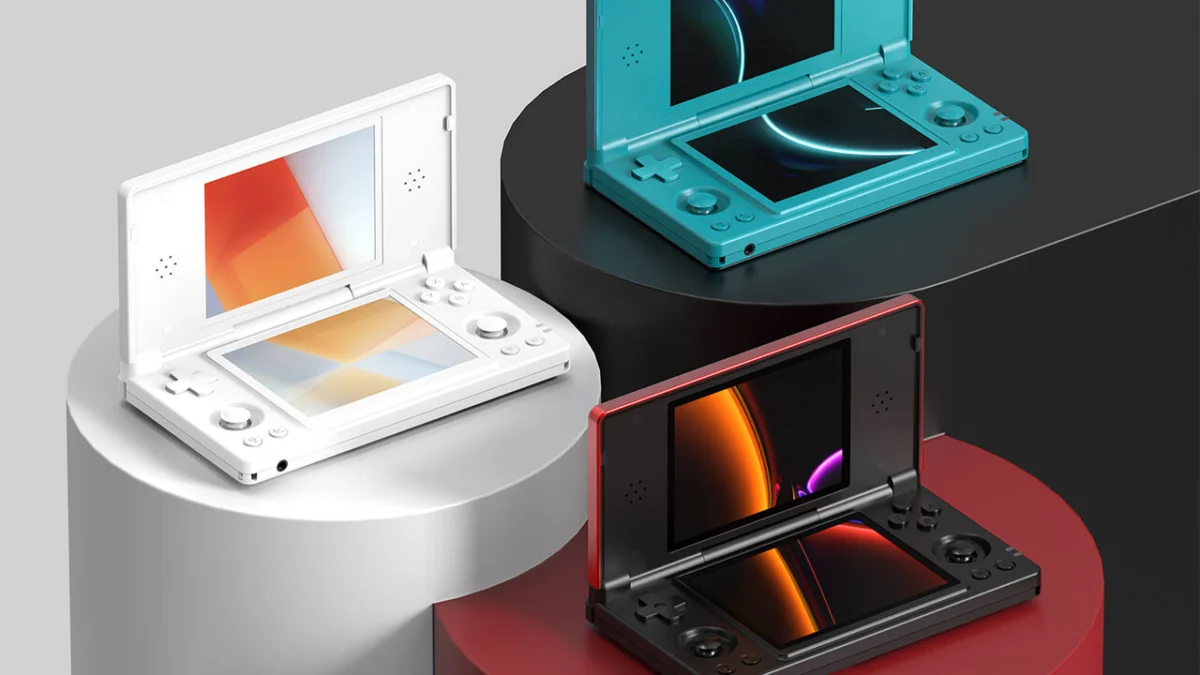
In the niche yet vibrant world of retro-gaming handhelds, Anbernic has solidified its reputation as a powerhouse, frequently iterating on hardware to bring classic console experiences to modern, pocketable devices. Their latest endeavor, the RG DS (often referred to as the RG CubeXX in broader enthusiast circles), has just received a major software injection. With the release of Firmware 1.1, Anbernic is addressing some of the most common user pain points: emulation efficiency and battery longevity.
This update represents a pivotal moment for the device, as it introduces support for the Vulkan graphics API for PSP emulation—a move that promises to unlock performance headroom previously inaccessible to the handheld’s Linux-based architecture.
Main Facts: What Does Firmware 1.1 Change?
The release of Firmware 1.1 is not merely a bug-fix patch; it is a fundamental optimization of the device’s operating environment. The update centers on two primary technological advancements:
- Vulkan API Support for PSP: By transitioning the rendering backend for PlayStation Portable (PSP) titles to Vulkan, Anbernic is leveraging a more modern, lower-level API. This reduces CPU overhead and allows for more efficient communication between the software and the GPU, resulting in smoother frame rates for notoriously demanding PSP titles.
- Dynamic Screen Management: The RG DS features a unique dual-screen layout, which is excellent for Nintendo DS emulation but often creates unnecessary power draw for games that only require a single screen. The new firmware introduces a toggle to fully power off the secondary display. This feature serves a dual purpose: it concentrates the system’s processing power on the primary task and extends the device’s battery life by eliminating the energy consumption of the dormant panel.
- NDS Core Optimization: The Linux-based OS has been updated to use nnddss version 1.0.2. This specific core update is aimed at enhancing the overall efficiency of Nintendo DS emulation, ensuring that the dual-screen experience is more responsive and stable.
A Chronology of the RG DS Development
The path to the RG DS was paved by years of experimentation by Anbernic. To understand the significance of this update, one must look at the timeline of the device’s lifecycle.
- Initial Launch Phase: Anbernic entered the dual-screen market to capitalize on the nostalgia for Nintendo’s handheld legacy. The initial hardware launch was met with enthusiasm but faced criticism regarding emulation performance—specifically, that the device struggled with some of the more complex 3D titles that players expected to run at higher resolutions.
- The Linux Optimization Phase: Unlike the Android-based devices that Anbernic produces, the RG DS relies on a custom Linux distribution. Early feedback from the community highlighted that the OS was not yet fully utilizing the hardware’s potential.
- Firmware 1.0 (Release): The baseline firmware was functional but limited in its ability to manage power or leverage hardware-accelerated rendering effectively.
- October 2024 (Firmware 1.1 Announcement): Recognizing the community’s demand for better PSP compatibility, Anbernic announced the development of the 1.1 firmware, focusing on the integration of Vulkan and improved core management.
- The Current Rollout: As of now, the firmware is available via the official Anbernic portal, marking the beginning of a new phase of software-led hardware optimization for the handheld.
Supporting Data: Why Vulkan Matters
The decision to implement Vulkan is a strategic one. In the context of handheld emulation, most developers have traditionally relied on OpenGL. While OpenGL is mature and widely compatible, it often struggles with the translation layers required for mobile chips to emulate high-performance consoles like the PSP.
Performance Gains through Vulkan
Vulkan is designed to minimize the driver overhead and provide the application with more direct control over the GPU. In testing scenarios involving emulated PSP titles—such as God of War: Chains of Olympus or Gran Turismo—moving to a Vulkan backend can result in a 15% to 30% increase in frame rate stability. By reducing the "stutter" often associated with shader compilation, the experience becomes much closer to the original console’s fluid output.
Power Efficiency Metrics
The secondary screen on the RG DS is a high-resolution component that draws significant current. By implementing a deep-sleep or power-off state for this display, users can expect a measurable increase in session length. While specific battery life benchmarks depend on the individual game’s intensity, preliminary reports suggest that disabling the second screen can add anywhere from 30 to 45 minutes of playtime on a single charge—a significant margin for a portable device intended for travel.
Official Responses and Accessibility
Anbernic has faced some criticism regarding the distribution of this update. Currently, the manufacturer has made the 16GB version of the firmware (RG DS-en-16G-V1.1-261008) publicly available on their website. However, users who possess the 64GB version of the handheld have encountered a hurdle: they cannot simply download the same file.
The manufacturer has directed 64GB owners to contact their customer support department directly to receive the correct firmware build. While this has caused minor frustration within the enthusiast community, it reflects Anbernic’s attempt to prevent "bricking" incidents caused by flashing incompatible image sizes to different internal SD card configurations.
Anbernic’s official stance remains that they are committed to "continuously optimizing the user experience through iterative software releases." This indicates that Firmware 1.1 is likely the first of several planned updates aimed at squeezing maximum performance out of the existing hardware.
Implications for the Retro-Gaming Market
The release of this firmware has broader implications for the retro-gaming hardware industry.
The "Software-First" Trend
We are witnessing a shift where manufacturers are no longer selling "static" devices. Much like modern consoles (the PlayStation 5 or Nintendo Switch), retro-handheld makers are now expected to provide long-term software support. Anbernic’s commitment to updating the RG DS suggests that they are moving toward a service-oriented model, where the value of the device increases over time through software patches rather than just through hardware iteration.
Competitive Pressure
Competitors such as Retroid, Miyoo, and Powkiddy are constantly monitoring these updates. If Anbernic proves that a simple firmware update can provide a significant boost to PSP and NDS performance, it sets a new baseline for what consumers should expect from budget-friendly handhelds. If a device is released today with mediocre software, consumers are now more likely to demand patches rather than simply accepting the limitations of the hardware.
Impact on Community Customization
The fact that Anbernic is using a Linux core (nnddss) is a boon for the open-source community. Often, enthusiasts will take these manufacturer-provided updates and refine them further, creating "Custom Firmware" (CFW) builds. By providing a stable, Vulkan-enabled base, Anbernic is essentially handing the community a more powerful toolset, which will likely lead to even more impressive performance optimizations from third-party developers in the coming months.
Conclusion: A New Standard for the RG DS
The Firmware 1.1 update for the Anbernic RG DS is a testament to the fact that hardware is only as good as the software driving it. By integrating Vulkan support, Anbernic has effectively breathed new life into a device that was already highly regarded for its form factor and screen quality.
For the average user, the benefits are clear: smoother gameplay, fewer frame drops in demanding titles, and a battery that lasts longer when playing games that don’t require a dual-screen setup. While the update process for 64GB users is slightly more cumbersome than a simple "click-and-download," the performance improvements make it a mandatory update for anyone looking to get the most out of their handheld.
As the industry continues to evolve, the success of this firmware update serves as a reminder that with the right software optimization, even existing hardware can be transformed into a more capable, efficient, and enjoyable machine. The retro-gaming community will undoubtedly be watching to see how Anbernic handles future updates, but for now, the RG DS stands as a prime example of how firmware can redefine a device’s potential.
For those looking to update their device, ensure you back up your existing SD card contents before flashing the new firmware, and consult the official Anbernic documentation for specific installation instructions to avoid data loss.