

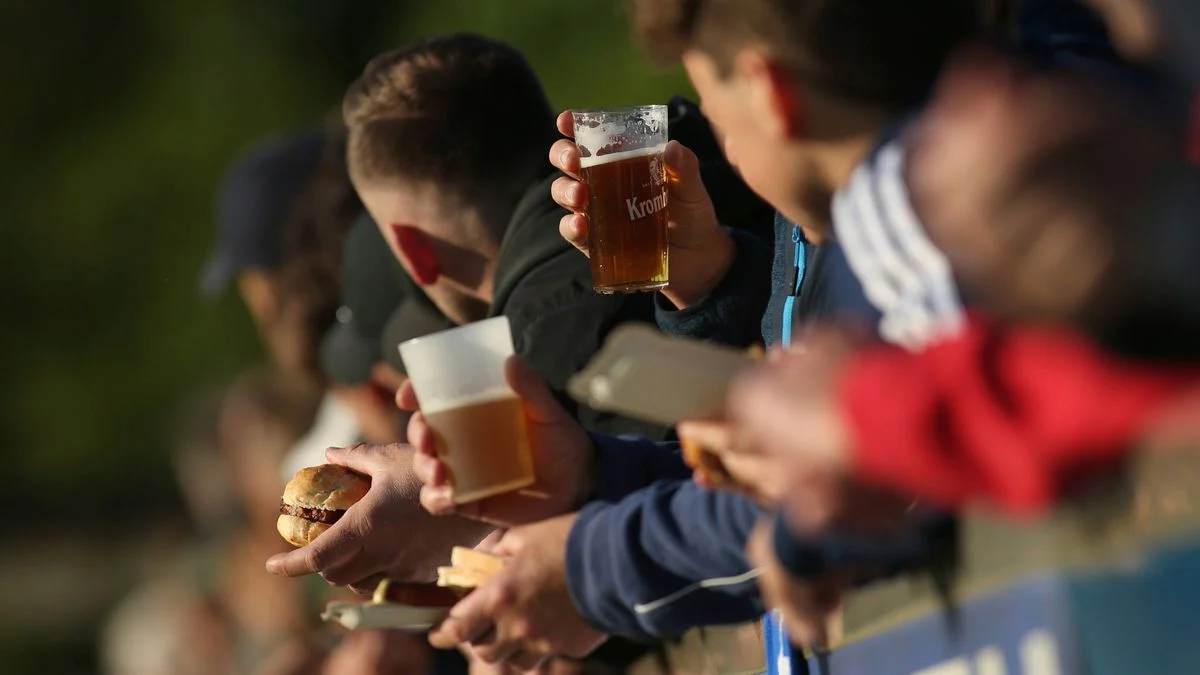
In a sobering new report, addiction researchers have sounded the alarm on Germany’s permissive relationship with alcohol and tobacco. With 44,000 lives lost annually to alcohol-related causes and smoking rates remaining stubbornly high, experts are calling for a radical overhaul of national health policy.
The latest "Yearbook of Addiction" (Jahrbuch Sucht), published by the German Centre for Addiction Issues (DHS), paints a grim picture of the nation’s public health landscape. According to the report, the toll of alcohol consumption in Germany is equivalent to the entire population of a mid-sized city being wiped out every year. Beyond the staggering death count, seven million hospitalizations are attributed to alcohol, creating an economic burden estimated at 57 billion euros annually.
Despite a slight dip in per-capita consumption, the report highlights a systemic failure to address the widespread availability and cultural normalization of harmful substances.
The Scale of the Crisis: By the Numbers
The statistics released by the DHS for 2026 provide a stark reminder of the persistent nature of substance abuse in Germany. The report aggregates data across a spectrum of addictions, ranging from alcohol and tobacco to illicit drugs, gambling, and pathological internet use.
Alcohol: The Invisible Killer
While the average per-capita consumption of alcohol dropped by 1.8 liters in 2024 to 115.1 liters, the health impacts remain severe. The World Health Organization (WHO) has linked alcohol to over 200 different diseases, including various forms of cancer, making it one of the leading preventable causes of death worldwide.
The data reveals the following breakdown of risky behavior:

- Chronic Risk: Approximately 8.6 million people between the ages of 18 and 64 consume alcohol in a way that is medically defined as "risky." For men, this equates to more than two standard alcoholic drinks per day, and for women, more than one.
- Binge Drinking: A staggering 9.5 million people reported having at least one episode of "binge drinking"—defined as consuming five or more alcoholic beverages in a single session—within the 30 days prior to the survey.
Tobacco: An Enduring Epidemic
The report also highlights that tobacco use remains a significant public health burden. Despite decades of awareness campaigns regarding the dangers of smoking, the habit remains deeply entrenched:
- Adult Prevalence: As of 2025, approximately 33.7% of the adult population smokes.
- Youth Trends: The prevalence among 12- to 17-year-olds sits at 6.8%, while the rate jumps significantly among 18- to 25-year-olds, where more than one in four (26.3%) are regular smokers.
- Market Shifts: The per-capita consumption of taxed cigarettes has seen a slight increase to an average of 795 per person. Additionally, the rise of e-cigarettes, used by 3.0% of the 14- to 64-year-old population, suggests that the landscape of nicotine addiction is evolving rather than disappearing.
Chronology of Regulatory Inaction
The debate over alcohol and tobacco regulation in Germany has been a long-standing friction point between public health advocates and the powerful beverage and tobacco industries.
- Early 2000s: Initial attempts to tighten advertising laws for tobacco are met with intense lobbying from the industry, delaying the implementation of EU-wide bans.
- 2010–2020: A decade marked by moderate educational campaigns but a lack of structural legislative changes. During this time, the "availability" of alcohol—in supermarkets, kiosks, and gas stations—remains largely untouched.
- 2024: The per-capita alcohol consumption hits 115.1 liters, a decrease, but experts argue this is largely due to demographic changes and individual lifestyle shifts rather than government intervention.
- April 2026: The DHS publishes its current Yearbook, explicitly criticizing the "major deficits in alcohol policy" and calling for a paradigm shift similar to the strategies employed in Nordic countries.
Expert Perspectives: A Call for Structural Change
Carolin Kilian, a researcher at the National Institute of Public Health in Copenhagen and a lead author of the report, argues that education alone is insufficient. "Simple measures to control alcohol could help lower the still-high consumption in Germany—and reduce the associated disease burden and costs," Kilian explains.
The Nordic Model as a Benchmark
Kilian points to countries like Sweden and Lithuania, which have successfully curbed alcohol-related harm through strict regulatory frameworks. She highlights three primary levers that German policymakers have largely ignored:
- Taxation: Currently, Germany stands out for its lack of a wine tax and its comparatively low beer tax. Increasing these rates is a highly effective, evidence-based method to curb consumption.
- Availability: The "anytime, anywhere" culture of alcohol in Germany is a significant contributor to abuse. Kilian suggests that restricting the hours of sale or prohibiting alcohol sales at gas stations would be a vital "first step."
- Marketing Restrictions: Prohibiting alcohol advertising, particularly in spaces frequented by youth, is identified as a necessary step to decouple alcohol from social success and leisure.
The DHS emphasizes that these are not merely "suggestions" but proven public health interventions that have been successfully deployed elsewhere in Europe. The reluctance of the German government to implement these measures is, in the eyes of the researchers, a failure to prioritize human life over industry interests.
The Economic and Social Implications
The 57 billion euro figure cited by the DHS is not just a monetary value; it represents a profound drain on the German healthcare system. Every year, millions of hospital days are occupied by patients suffering from liver disease, alcohol-induced accidents, and cancer related to long-term consumption.

The Cost of Inaction
When 44,000 people die annually from causes related to a single legal, widely available substance, the burden is felt across all sectors of society. It impacts productivity in the workforce, increases the strain on the national insurance system, and causes untold psychological trauma for families.
The report suggests that by failing to treat alcohol with the same regulatory seriousness as other dangerous substances, Germany is essentially subsidizing the profits of the alcohol industry with the health of its citizens. The contrast between the strict, newly implemented regulations on other substances (such as cannabis) and the relative "laissez-faire" attitude toward alcohol has not gone unnoticed by the research community.
Conclusion: A Turning Point for Policy?
The 2026 Yearbook of Addiction is a call to action that can no longer be ignored. The evidence is clear: the current strategy of relying on personal responsibility and light-touch regulation is failing.
As the debate intensifies, the pressure on the German federal government to modernize its addiction policy will only grow. Whether lawmakers will have the political courage to challenge the status quo—by introducing a wine tax, restricting alcohol sales at gas stations, or implementing stricter marketing bans—remains to be seen. However, as the death toll continues to rise, the argument for structural reform becomes increasingly difficult to dismiss.
Public health experts are united in their message: the path to a healthier Germany requires moving beyond rhetoric and into the realm of concrete, evidence-based legislation. The cost of doing nothing is, quite literally, 44,000 lives a year.


























Leave a Reply