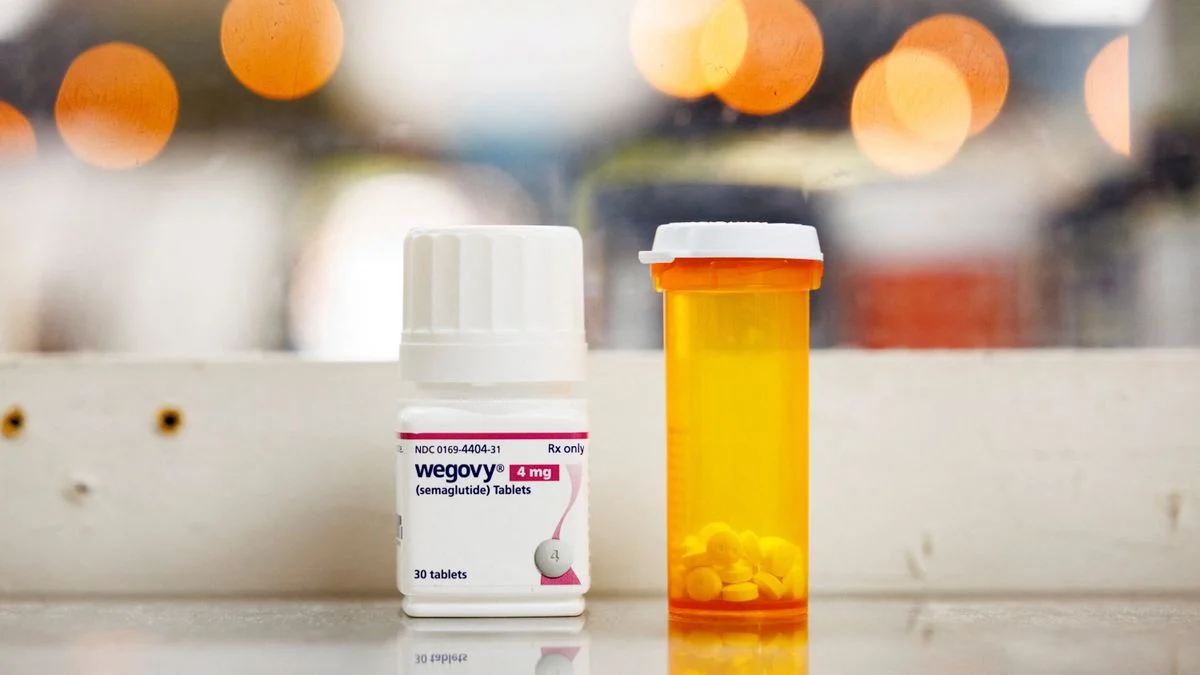
In a landmark decision that promises to reshape the landscape of metabolic medicine, European health regulators have officially cleared the way for a new generation of weight-loss pharmaceuticals. The approval marks a significant departure from the injectable treatments that have dominated the market, introducing a more accessible, oral administration method for patients battling clinical obesity and weight-related health complications. As the European Union moves to integrate these treatments into national healthcare frameworks, the medical community, the pharmaceutical industry, and millions of patients find themselves at a critical crossroads.
Main Facts: A Paradigm Shift in Pharmacotherapy
The recent regulatory approval in the European Union concerns a new iteration of glucagon-like peptide-1 (GLP-1) receptor agonists. While Wegovy, the injectable treatment manufactured by Novo Nordisk, revolutionized the industry by mimicking the hormones that signal satiety to the brain, the new oral tablet form aims to eliminate the "injection barrier."
For many patients, the prospect of self-administering weekly injections has proven to be a significant psychological and logistical hurdle. By shifting the delivery mechanism to a daily oral tablet, pharmaceutical developers aim to increase patient compliance and broaden the demographic of those willing to pursue medical intervention for weight management.
Clinical data suggests that the oral version of these GLP-1 medications mirrors the efficacy of their injectable counterparts. Patients typically report a significant reduction in caloric intake due to delayed gastric emptying and a heightened sense of fullness. However, the approval comes with stringent requirements regarding patient monitoring, as the long-term systemic effects of daily oral intake remain a subject of intense longitudinal study.
Chronology: The Path to European Approval
The trajectory toward this approval was not overnight; it is the culmination of nearly a decade of rigorous metabolic research.
- 2017–2019: Early-stage clinical trials began testing the efficacy of GLP-1 receptor agonists in oral form. While the compound was already well-understood, the challenge lay in stabilizing the peptide so it could survive the acidic environment of the stomach and reach the bloodstream effectively.
- 2021: The massive success of injectable semaglutide (Wegovy) created a global supply crisis, signaling to manufacturers that the demand for weight-loss solutions far outstripped current production capacities.
- 2023: Phase III clinical trial results were released, demonstrating that the oral tablet was non-inferior to injectable versions in achieving weight loss over a 68-week period.
- Early 2024: The European Medicines Agency (EMA) began its formal review process, evaluating not just efficacy, but the cardiovascular safety profile of the drug in a real-world setting.
- Mid-2024 (Present): Official EU approval is granted, initiating the rollout phase across member states, subject to individual national pricing and reimbursement negotiations.
Supporting Data: Efficacy and Physiological Impact
The underlying science of these medications is rooted in neuro-endocrinology. GLP-1 is a hormone naturally secreted by the gut in response to food. By using synthetic analogues, these drugs effectively "trick" the brain into believing the body is full, while simultaneously slowing the rate at which food leaves the stomach.
The Weight-Loss Statistics
In clinical trials, participants using these oral therapies experienced a mean weight loss of approximately 15% of their initial body weight over 68 weeks. When compared to the placebo group—who typically lost 2% to 3% through lifestyle modifications alone—the results are statistically staggering.
Cardiovascular Outcomes
Beyond weight reduction, data indicates a secondary benefit: the reduction of major adverse cardiovascular events (MACE). Patients with a history of heart disease or high blood pressure showed a marked decrease in the risk of stroke or heart attack, positioning these drugs as preventative medicine rather than purely cosmetic interventions.
Official Responses and Ethical Considerations
The reaction from European health authorities has been one of "cautious optimism."
The EMA has emphasized that these medications are not a "magic pill" for general population weight loss. They are strictly indicated for patients with a Body Mass Index (BMI) of 30 or higher, or those with a BMI of 27 or higher who suffer from weight-related comorbidities like Type 2 diabetes, hypertension, or sleep apnea.
The Pharmaceutical Stance
Manufacturers have been quick to highlight the socioeconomic benefits. By reducing the prevalence of obesity, they argue, these drugs will significantly alleviate the financial burden on national healthcare systems—specifically regarding the treatment of diabetes and cardiovascular surgery.
The Medical Skepticism
Conversely, internal medicine societies across Europe have urged the public to avoid viewing the drug as a substitute for nutrition and exercise. Concerns have been raised regarding "rebound weight gain" upon cessation of the medication. The medical consensus currently dictates that for the drug to be effective, it must be paired with comprehensive lifestyle changes to prevent the patient from returning to their previous weight once the drug is discontinued.
Implications: The Future of Healthcare and Society
The arrival of oral weight-loss medications carries profound implications for the future of public health.
1. The Normalization of Anti-Obesity Medication
As the barrier to entry drops, we are likely to see a shift in how society views obesity. Once treated as a moral failing or a lack of "willpower," obesity is now being firmly categorized as a chronic, relapsing biological disease. This destigmatization is essential for patients to seek medical help without shame.
2. Economic Pressures on National Health Services
The primary challenge for European governments is the fiscal burden. With millions of potential candidates for the drug, the cost of subsidizing these treatments is enormous. Negotiations regarding bulk pricing and strict eligibility criteria will likely dominate the political agenda for the next three years.
3. The Risks and Side Effects
No drug is without risk. Reported side effects include gastrointestinal distress—nausea, vomiting, and diarrhea—as the body adjusts to the slowed digestion. There are also emerging, though rare, reports of gallstone complications and the potential for muscle mass loss if not paired with adequate protein intake and resistance training.
4. A Shift in Lifestyle Culture
There is a growing concern that the ease of a "daily pill" might encourage unhealthy habits, such as relying on processed foods while using medication to mitigate the weight gain. Health experts are calling for a "holistic approach," where the medication serves as a catalyst for behavioral change rather than an end-all solution.
Conclusion: A Double-Edged Sword
The EU’s approval of this new oral weight-loss tablet represents a pinnacle of modern pharmaceutical engineering. It offers a tangible lifeline to millions who have struggled against the biological tide of obesity. However, it is not a panacea.
As these drugs enter the European market, the responsibility shifts from the laboratory to the doctor’s office and the dinner table. The true measure of success will not be the total number of tablets sold, but the long-term health outcomes of the population. Patients must be educated on the necessity of nutrition and the reality that this medication is likely a long-term commitment.
We are witnessing the beginning of an era where metabolic health can be managed with the same precision as hypertension or cholesterol. Yet, as we embrace this technology, we must ensure that it remains a tool for healing rather than a substitute for the fundamental pillars of human health: sustainable nutrition, physical activity, and mental well-being. The future of obesity treatment is here, and it is oral—but the journey to health remains, as it has always been, a personal and sustained endeavor.