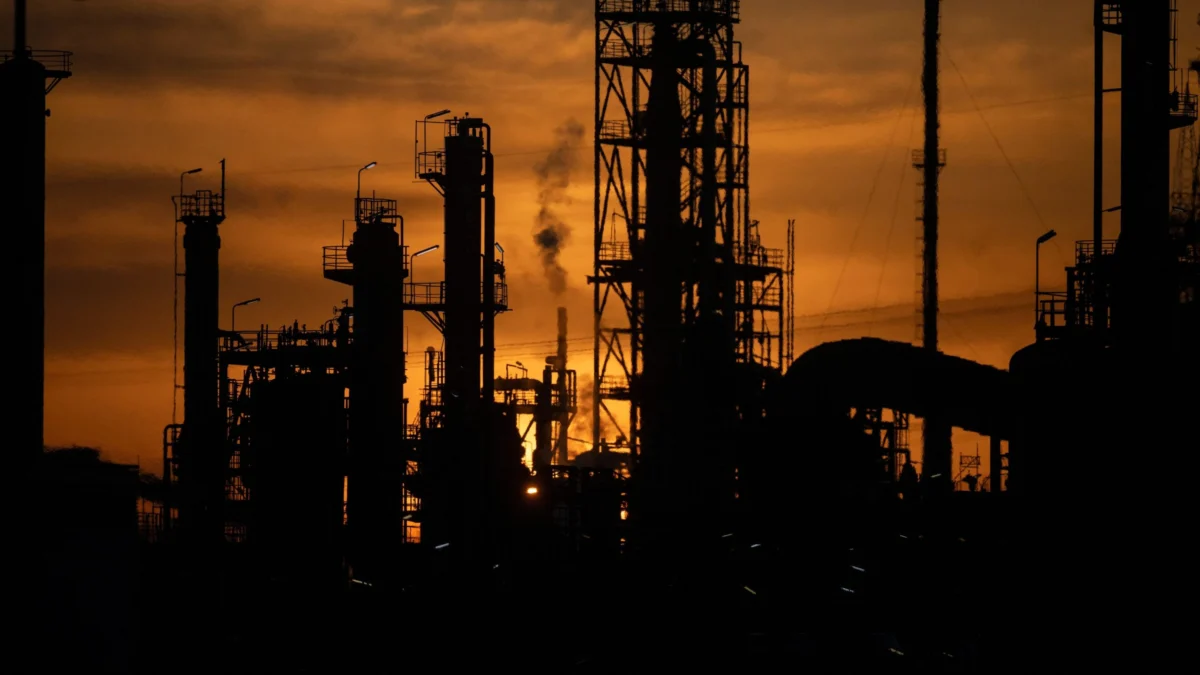
PARIS – In a decisive move to stabilize global energy markets and mitigate the biting impact of soaring fuel prices, the International Energy Agency (IEA) has announced an accelerated release of emergency oil reserves. Following a high-level summit in Paris, the agency confirmed that its member nations have committed to fast-tracking the distribution of oil stocks, with a specific, prioritized emphasis on diesel reserves—a critical component of the global logistics and transportation supply chain.
This strategic intervention represents the latest chapter in a broader effort by the G7 nations and IEA members to shield their economies from the inflationary pressures of energy scarcity. As supply chains remain fragile and geopolitical tensions continue to exert upward pressure on commodity prices, the decision underscores the critical role of state-held emergency stockpiles in managing global economic stability.
1. The Core Facts: A Coordinated Market Intervention
The decision, formalized at the Paris meeting, aims to conclude the release of oil reserves originally authorized in March of this year. While the initial commitment was substantial, the IEA is now pushing for a swifter execution to address the acute shortages currently manifesting in the diesel market.
At the heart of the initiative is a target to release approximately 100 million barrels of crude oil. This figure aligns precisely with the mandates recently issued by G7 leaders—including the United States, Germany, France, the United Kingdom, Italy, Japan, and Canada. By front-loading these releases, the IEA hopes to create a cooling effect on the futures markets, providing immediate liquidity to refiners and suppliers who are currently struggling to keep pace with demand.
A central priority in this new phase is the specific allocation of diesel. Unlike crude oil, which requires refining, diesel is the lifeblood of industrial transport, agriculture, and heating. The IEA has explicitly requested that member states prioritize the release of diesel stocks over other petroleum products wherever technically and logistically feasible.
2. Chronology of the Crisis and Response
To understand the current urgency, one must examine the timeline of the energy market’s volatility throughout the year.
The March Catalyst
In March, in direct response to the onset of the conflict in the Middle East and the subsequent volatility surrounding global oil flows, the IEA initiated a historic release of 400 million barrels of crude oil from strategic reserves. This was the largest coordinated release in the agency’s history, designed to prevent the catastrophic price spikes that many analysts feared would derail the post-pandemic economic recovery.
The Mid-Year Implementation
Throughout the subsequent months, member nations engaged in a staggered rollout of these stocks. As of the most recent report, approximately 325 million barrels have successfully entered the global market. However, the process was uneven. While some nations exceeded their original pledges, others faced logistical bottlenecks or administrative hurdles, resulting in a residual 100 million barrels remaining in storage that were originally slated for release.
The October G7 Mandate
By early October, with fuel prices remaining stubbornly high and winter demand approaching in the Northern Hemisphere, the G7 moved to expedite the remaining 100 million barrels. The group issued a collective call for the immediate, sustained release of these stocks over a four-month period. The Paris meeting served as the IEA’s formal commitment to execute this mandate, ensuring that the remaining reserves are deployed with maximum efficiency to stabilize prices before the end of the year.
3. Supporting Data: The Anatomy of Strategic Reserves
The IEA’s ability to influence the market is predicated on the massive volume of public oil stocks held by its member nations. Despite the ongoing releases, the global safety net remains robust.
- Total Remaining Reserves: IEA member nations continue to hold approximately 1.1 billion barrels of emergency crude oil and petroleum products. This indicates that even after the current 100-million-barrel release is completed, the world will retain a significant buffer against further supply shocks.
- Diesel Specifics: Of the total, over 200 million barrels are designated specifically as diesel or middle distillates. This is a critical data point, as the current market crunch is less about a total lack of crude oil and more about a shortage of refined products.
- The 100 Million Barrel Target: The current phase of release—the 100 million barrels—is specifically calibrated to meet the gap identified by G7 economists as necessary to temper market speculation and reduce the retail price of fuel for consumers and businesses alike.
The IEA has signaled that these figures are not static. The agency remains on high alert and has stated clearly that it stands ready to authorize further releases if the market environment dictates such a necessity.
4. Official Responses and Geopolitical Context
The diplomatic push behind this policy is significant. The G7 nations, led by the United States and major European economies, have framed the oil release as a necessary defense of their national economies.
In Germany and France, where retail fuel prices have become a dominant political issue, government officials have been vocal in their support for the IEA’s intervention. For these nations, the energy crisis is not just a matter of macroeconomic policy but a direct threat to the cost of living for their citizens.
"Our goal is to ensure that the global market has the supply it needs to keep industries running and families warm," a representative from the IEA stated during the press conference in Paris. The agency emphasized that the intervention is a targeted, short-term measure intended to "bridge the gap" caused by systemic supply chain disruptions.
Critics, however, have questioned the efficacy of such releases, arguing that they provide only temporary relief and do not solve the structural issues underlying the energy sector. Some market analysts suggest that while releasing reserves can suppress price spikes in the short term, the fundamental imbalance between global oil demand and constrained production capacity remains the primary challenge for the coming decade.
5. Global Implications: What This Means for the Future
The implications of the IEA’s decision to accelerate the release of reserves extend far beyond the immediate goal of lowering fuel prices.
Economic Stabilization
For the global economy, this move is a critical attempt to curb inflation. Energy prices act as a multiplier for inflation across all sectors; when fuel costs rise, the price of food, transportation, and manufactured goods follows. By cooling the oil market, the IEA is effectively providing a buffer for central banks that are currently struggling to manage interest rates in an inflationary environment.
Energy Security and Transition
This crisis has reignited the debate over energy independence. While the IEA remains committed to its long-term goal of net-zero emissions, this episode has demonstrated that fossil fuels remain the backbone of the current global economy. The reliance on strategic reserves highlights the vulnerability of nations to external shocks and has spurred calls for increased investment in renewable infrastructure as a means of enhancing long-term national security.
Market Signaling
Perhaps most importantly, the IEA’s action is a psychological signal to the market. By demonstrating that the world’s major economies are working in lockstep to prevent supply-driven price surges, the IEA is attempting to discourage speculative trading that often exacerbates price volatility. The message to oil traders is clear: the IEA has the tools, the reserves, and the political will to prevent supply shortages from spinning out of control.
The Road Ahead
As the world enters the final quarter of the year, the focus will shift to how effectively the 100 million barrels are distributed. The IEA has committed to monitoring the situation closely, with a pledge of transparency regarding the progress of the release. For the global consumer, the success of this initiative will be measured at the pump. For policymakers, it will be measured by the stability of their domestic energy grids throughout the winter months.
In conclusion, the IEA’s decision to expedite the release of oil reserves is a calculated intervention designed to navigate a precarious economic landscape. While it does not represent a long-term solution to global energy challenges, it serves as a vital instrument of stability in an era defined by uncertainty and volatility. The coordination between the G7 and the IEA marks a significant moment of unified action, highlighting the importance of international cooperation in maintaining the integrity of global energy markets.