The wearable market is on the brink of a significant transformation. Recent leaks from Android Headlines have provided a detailed glimpse into the "Fitbit Edge," a new fitness tracker that signals a fresh design philosophy from Google. Positioned as the spiritual successor to the long-standing Fitbit Charge series—which saw its last major iteration in 2023—the Edge represents a synthesis of high-end smartwatch aesthetics and the functional, compact utility of a dedicated fitness band.
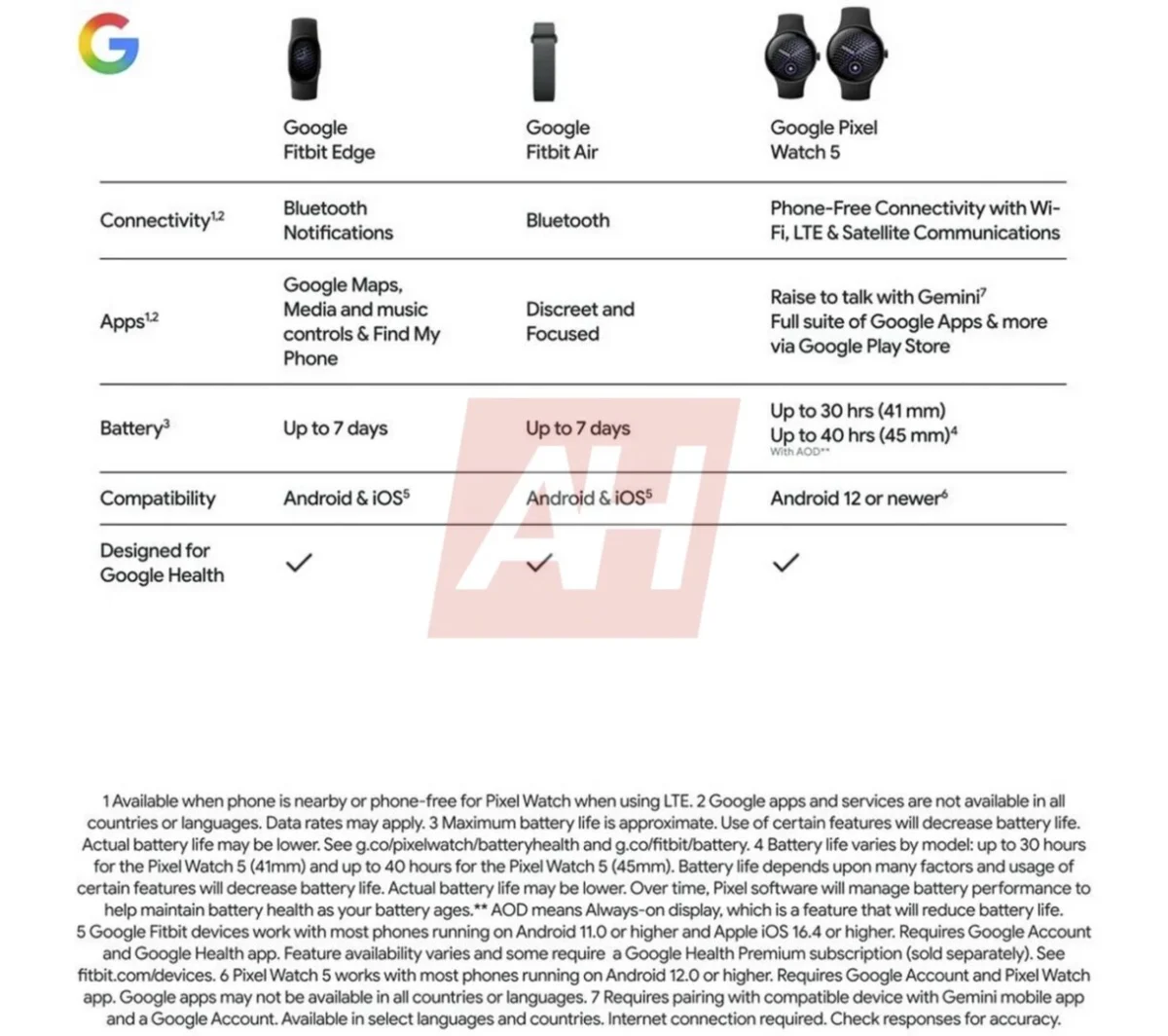
By bridging the gap between the display-less Fitbit Air and the robust, feature-rich Pixel Watch 5, Google appears to be targeting a demographic that demands sophisticated health metrics without the bulk or price tag of a full-scale smartwatch.
The Core Specifications: A Blend of Form and Function
The Fitbit Edge is defined by its hybrid design language. Unlike the minimalist Fitbit Air, which eschews a screen entirely, the Edge features a sleek, oval-shaped display. This screen is not merely for data; it is an interactive hub capable of surfacing notifications from a tethered smartphone, providing real-time navigation cues via Google Maps, and controlling media playback through integration with YouTube Music.

Technical Performance and Tracking
Despite its compact footprint, the device is expected to be a powerhouse for health enthusiasts. Key technical specifications include:
- Battery Longevity: A reported seven-day battery life, matching the efficiency of the Fitbit Air.
- Precision Tracking: Built-in GPS and an integrated altimeter allow for granular training logs, perfect for outdoor running, cycling, or stair climbing.
- Health Ecosystem: Like its siblings, the Edge will be powered by the Google Health platform. This ensures cross-compatibility not only with Android devices but also with iOS, a significant differentiator compared to the ecosystem-locked Pixel Watch 5.
The integration with the "Google Health Coach" is perhaps the most compelling feature. Through the Google Health Premium subscription—priced at €8.99 monthly—users gain access to AI-driven insights that synthesize sleep data, workout intensity, and physiological recovery to provide personalized coaching tailored to the user’s specific fitness goals.
Chronology: From Accidental Teases to Impending Launch
The journey of the Fitbit Edge into the public consciousness has been one of subtle breadcrumbs rather than a formal announcement.

August 2025: The First Glimpse
The device made its first unofficial appearance during the launch event for the Pixel 11 series. Eagle-eyed observers noted the presence of an unfamiliar, oval-faced wearable on the wrists of models in promotional imagery. At the time, Google offered no comment, leaving the tech community to speculate on whether the device was a prototype or an upcoming commercial product.
October 2025: The Leak Phase
The momentum shifted when Android Headlines published high-resolution renders of the device. These images confirmed that the Edge was indeed a distinct product, blending the bezel-less, fluid aesthetic of the Pixel Watch 5 with the slender, ergonomic profile of a classic fitness band.
November 2025: Anticipated Market Entry
Industry analysts now point to a release window within the current month. With the holiday shopping season approaching, the timing appears calibrated to capitalize on consumer interest in health-focused technology.

Supporting Data: Why the Edge Matters
To understand the strategic importance of the Fitbit Edge, one must analyze the current state of the wearable market. The industry has been bifurcated into two camps: the "Smartwatch Heavyweight," which offers full OS functionality at a premium price, and the "Tracker Minimalist," which offers long battery life and health tracking but lacks engagement.
The Middle-Ground Strategy
The Fitbit Edge occupies the "Goldilocks" zone. By offering a display for notifications and mapping, it solves the primary pain point of the Fitbit Air—the lack of immediate, visual feedback. Conversely, by avoiding the complex software environment of Wear OS, it maintains the battery efficiency and slim profile that users have historically loved about the Fitbit Charge series.
Comparative Pricing Analysis
With an expected price point between $149 and $199 USD, the device is positioned to undercut the Pixel Watch 5 significantly. In the European market, this translates to an estimated cost of approximately €200. This pricing strategy places the Edge in direct competition with mid-tier Garmin devices and the Oura Ring, offering a more versatile display-based experience at a fraction of the cost of a flagship watch.

Official Responses and Corporate Silence
As is standard practice for Google regarding unreleased hardware, the company has maintained a strict "no comment" policy. However, the presence of the device in internal marketing materials during the Pixel 11 reveal serves as a de facto acknowledgment of its existence.
Industry experts suggest that Google is purposefully keeping the official announcement for a dedicated "Made by Google" event or a quiet digital launch. By allowing leaks to build anticipation, Google effectively tests the market’s appetite for a mid-range tracker before committing to a global marketing campaign. The strategy reflects a move toward a more iterative product cycle, ensuring that every niche—from the minimalist to the power user—has a device within the Google/Fitbit ecosystem.
The Implications: A New Era for Google Health
The launch of the Fitbit Edge is not merely about hardware; it is about the expansion of the Google Health service.

1. Monetizing the Health Ecosystem
By pushing the Google Health Premium subscription alongside the device, Google is shifting its revenue model. Hardware sales provide the initial acquisition, but the subscription model provides the recurring revenue necessary to sustain long-term development of AI-driven health features. The AI Fitness Coach represents a shift from "data recording" to "actionable advice," which is the next frontier of wearable technology.
2. Platform Agnosticism
The decision to keep the Fitbit Edge compatible with iOS is a tactical masterstroke. By not restricting the tracker to the Android ecosystem, Google can poach users from the Apple Watch ecosystem who may find the Apple Watch’s battery life or price point prohibitive. This creates a Trojan horse effect, introducing non-Google smartphone users to the quality and depth of the Google Health app.
3. Design Language Consolidation
The visual similarities between the Edge and the Pixel Watch 5 suggest that Google is working toward a unified "Google Wearable" aesthetic. Whether it is a full-featured smartwatch or a slender fitness band, the hardware now shares a design DNA that is instantly recognizable. This fosters brand loyalty and makes the transition between different tiers of Google devices more intuitive for the end-user.

Conclusion: The Final Verdict
The Fitbit Edge is shaping up to be the most practical release in Google’s recent history. By listening to user feedback regarding the limitations of previous trackers and combining it with the technological advancements of the Pixel Watch line, Google has created a device that balances form, function, and affordability.
While we await the final, official word on pricing and regional availability, the evidence is clear: the Fitbit Edge is not just an update to the Charge line. It is a refined, AI-capable assistant designed to make health tracking an integrated, seamless part of daily life. As the line between "tracker" and "smartwatch" continues to blur, the Edge stands as a testament to the future of wearables—smarter, thinner, and more deeply connected to our personal well-being than ever before.
Whether you are a professional athlete looking for accurate GPS tracking or a casual user interested in better sleep habits and notification management, the Fitbit Edge appears poised to be the definitive wearable of the coming year. We look forward to seeing how it performs in real-world conditions upon its imminent release.