Constanta, Romania – October 5, 2026 – A grim maritime incident unfolded today in the Black Sea, resulting in the tragic loss of at least two lives and the sinking of a merchant vessel. Authorities in Romania confirmed the incident, stating that the ship caught fire and subsequently went down approximately 30 nautical miles south of the Romanian Black Sea port of Sfantu Gheorghe. Eleven other sailors were successfully rescued from the perilous situation.
Initial reports, widely circulating among Romanian media outlets, strongly suggest that the vessel was struck by a drone, a development that has significantly escalated already heightened tensions in the region. The incident has drawn immediate and sharp condemnation from Ukrainian President Volodymyr Zelenskyy, who has labeled the event a "terrible attack" perpetrated by Russia. This latest maritime disaster underscores the persistent dangers faced by civilian shipping navigating the strategically vital Black Sea, a waterway increasingly militarized and fraught with risk amidst the ongoing conflict in Ukraine.
The sinking of this merchant ship is not an isolated event, but rather the latest in a disturbing pattern of incidents that have plagued the Black Sea since the full-scale Russian invasion of Ukraine. These repeated attacks on maritime traffic raise serious questions about freedom of navigation, international maritime law, and the broader implications for global trade and food security, particularly concerning the vital grain exports from Ukraine.
The Sinking: A Chain of Devastating Events
The incident began with reports of a fire onboard the merchant vessel. Details regarding the exact nature of the ship, its cargo, and its flag state are still emerging, but early indications suggest it was a Turkish vessel en route to Italy, potentially carrying grain. The Romanian Ministry of Interior confirmed the fire and the subsequent sinking, initiating an immediate rescue operation.
The Romanian national maritime authority was instrumental in coordinating the response, deploying assets to the scene to assist the distressed vessel. However, the intensity of the fire and the damage sustained proved too severe, leading to the ship’s ultimate submersion. The precise timeline of the fire’s escalation and the vessel’s final moments is a critical aspect of the ongoing investigation.
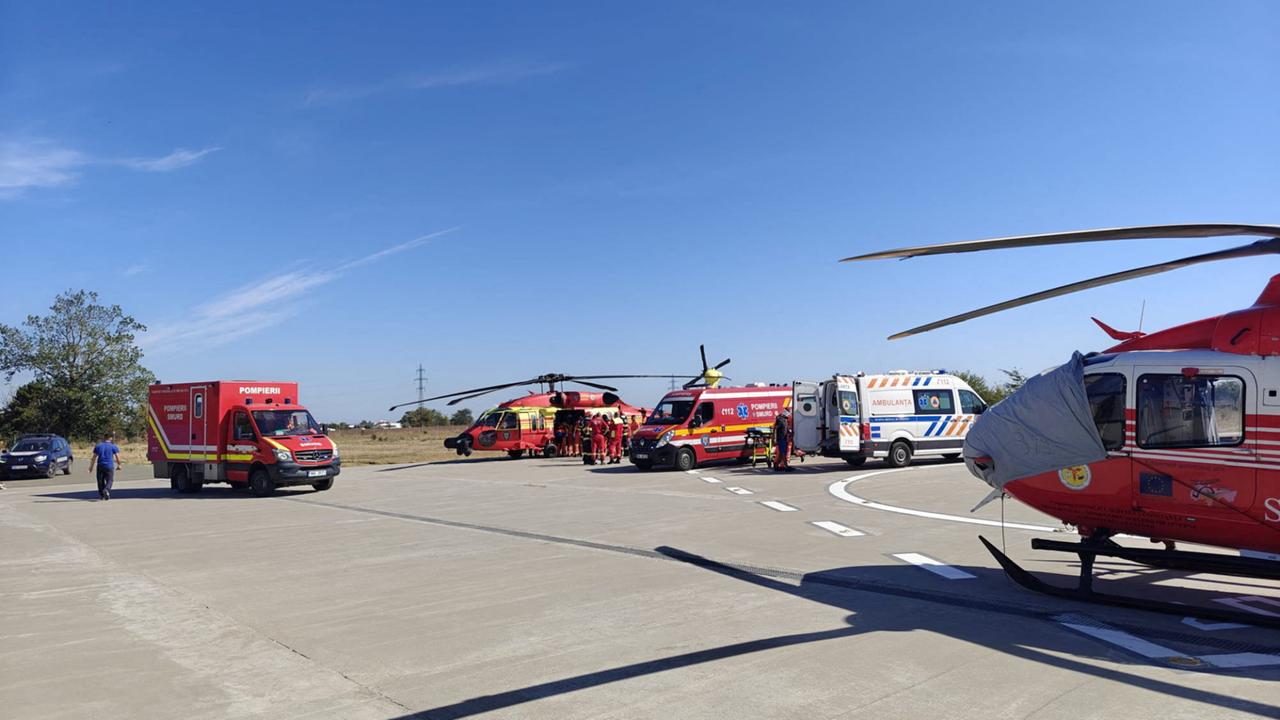
The successful rescue of eleven sailors offers a glimmer of hope amidst the tragedy, highlighting the bravery and professionalism of the rescue crews involved. However, the confirmed fatalities cast a dark shadow over the operation and serve as a stark reminder of the human cost of such incidents. The identities of the deceased and the rescued individuals are being withheld pending notification of their families.
Allegations of Drone Attack and Russian Responsibility
The most alarming aspect of this incident is the strong suggestion that a drone attack was the catalyst for the disaster. While official statements from Romanian authorities have been cautious, focusing on the immediate rescue and investigation, Romanian media reports have been more direct in attributing the strike to a drone. This information, if confirmed, would have significant geopolitical ramifications.
Ukrainian President Volodymyr Zelenskyy wasted no time in responding to the news. In a powerful statement, he unequivocally blamed Russia for the attack, labeling it a "terrible attack" carried out by Russian drones. Zelenskyy reiterated Ukraine’s consistent calls for de-escalation in the Black Sea, lamenting Russia’s continued choice of "terror and sinking civilian ships instead of normal sea navigation." His words underscore Ukraine’s perspective that Russia is deliberately targeting civilian infrastructure and economic activity in the region.
The accusations by President Zelenskyy align with a broader narrative of Russian aggression in the Black Sea, which has seen numerous attacks on shipping, port infrastructure, and naval vessels since the beginning of the full-scale invasion. The use of drones, particularly in a manner that leads to the sinking of a merchant vessel, represents a significant escalation and a direct threat to international maritime commerce.
Geopolitical Context: Romania’s Position and Black Sea Tensions
Romania, a member of both NATO and the European Union, shares a border with Ukraine and a significant coastline along the Black Sea. Its strategic location makes it a key player in regional security and a crucial transit point for goods entering and leaving Eastern Europe. The proximity of this incident to Romanian territorial waters underscores the direct impact of the conflict on its security and economic interests.
The Black Sea has become a critical theater of operations in the war, with both Russia and Ukraine vying for control of its waters. The ongoing conflict has severely disrupted maritime traffic, leading to increased insurance costs for shipping companies, delays in cargo deliveries, and a constant threat to the lives of seafarers. The Kerch Strait, a vital chokepoint connecting the Black Sea to the Sea of Azov, has been a particular flashpoint, with Russia imposing restrictions on shipping.
The repeated incidents in the Black Sea have prompted international concern, particularly regarding the impact on global food security. Ukraine is a major exporter of grain, and disruptions to its shipping routes can have a significant impact on food prices and availability worldwide. While efforts have been made to establish safe corridors for grain exports, the security of these routes remains a constant challenge.
Supporting Data and Previous Incidents
This latest sinking adds to a grim tally of maritime incidents in the Black Sea since February 2022. Prior to this event, there have been numerous reports of ships being damaged or destroyed by mines, missiles, and shelling. The deliberate targeting of civilian vessels, whether by direct attack or as collateral damage, has become a recurring feature of the conflict.
- Mine Warfare: Unclaimed naval mines have frequently drifted into shipping lanes, posing a significant threat to all vessels. Both Ukrainian and Russian forces have been accused of deploying mines, leading to a hazardous environment for navigation.
- Missile and Drone Strikes: Russian forces have repeatedly targeted Ukrainian ports and naval assets with missiles and drones. There have also been reports of Ukrainian forces using drones to attack Russian naval vessels and infrastructure.
- Blockades and Restrictions: Russia has maintained a de facto blockade of Ukrainian ports for extended periods, severely limiting the ability of Ukrainian vessels to depart and hindering international trade.
- Attacks on Infrastructure: Ports, oil terminals, and other maritime infrastructure have been repeatedly targeted, further exacerbating the risks for shipping.
The sinking of the merchant vessel highlights the evolving nature of warfare in the Black Sea, with drones emerging as a potent and increasingly utilized weapon. Their precision and relative low cost make them a challenging threat to counter, especially in a vast maritime environment.
Official Responses and Diplomatic Implications
The official response to this incident is likely to be multifaceted. Romania, as the closest littoral state and a NATO member, will be closely monitoring the situation and coordinating with its allies. The Romanian Ministry of Foreign Affairs is expected to issue a strong statement condemning the attack and calling for a thorough investigation.
NATO, as a collective defense alliance, will undoubtedly be concerned by any act that threatens maritime security and freedom of navigation in its immediate neighborhood. The alliance has consistently supported Ukraine’s sovereignty and territorial integrity and has increased its presence in the Black Sea region. Diplomatic channels will be actively engaged to assess the situation and formulate a coordinated response.
The European Union, of which Romania is a member, will also be involved in the diplomatic fallout. The EU has already imposed extensive sanctions on Russia in response to its aggression and will likely consider further measures if evidence of deliberate targeting of civilian shipping is substantiated.
The United States, a key NATO ally, will also play a crucial role in the international response. Washington has been a staunch supporter of Ukraine and has consistently condemned Russian actions that threaten regional stability and international law.
The implications of this incident extend beyond the immediate maritime sphere. It further solidifies the perception of Russia as a destabilizing force in the region and could lead to increased international pressure for de-escalation and accountability. The potential for miscalculation and further escalation remains a significant concern, as any direct confrontation between NATO and Russian forces in the Black Sea would have catastrophic consequences.
Broader Implications: Global Trade, Food Security, and International Law
The sinking of a merchant vessel in the Black Sea, particularly one allegedly carrying vital commodities like grain, has far-reaching implications for global trade and food security. The Black Sea remains a critical artery for the export of agricultural products from Ukraine and other regional producers. Disruptions to this trade can lead to price volatility and shortages in global markets, disproportionately affecting vulnerable populations.
This incident also raises critical questions about the enforcement of international maritime law and the protection of civilian shipping. The deliberate targeting of merchant vessels, regardless of their cargo or flag state, is a violation of established international norms and principles. The international community will be watching closely to see how this event is investigated and whether those responsible are held accountable.
The ongoing conflict in Ukraine has already had a profound impact on the global maritime industry, leading to increased risks, higher insurance premiums, and a general reluctance among some shipping companies to operate in certain areas. This latest tragedy further underscores the need for robust measures to ensure the safety and security of seafarers and the unimpeded flow of international trade.
As investigations continue and more details emerge, the international community will be looking for clarity on the exact circumstances surrounding this tragic event. The hope is that a swift and transparent investigation will shed light on the perpetrators and that justice will be served. However, the immediate concern remains the safety of the remaining maritime traffic in the Black Sea and the urgent need for a de-escalation of hostilities to prevent further loss of life and economic disruption.