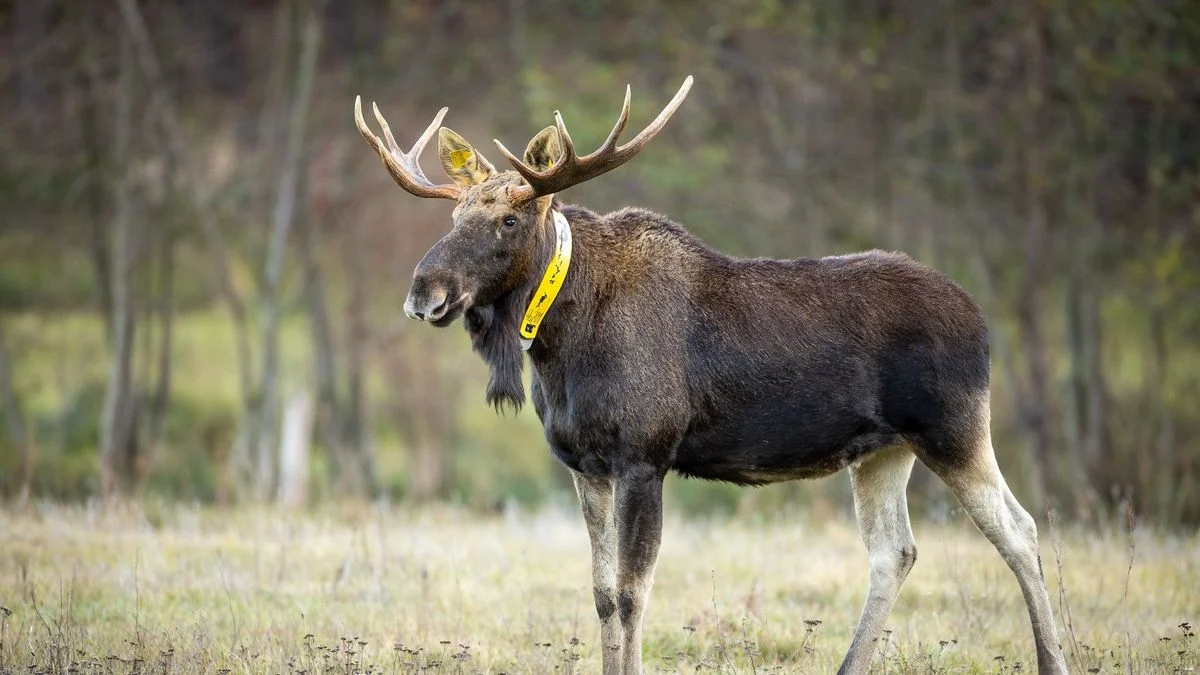
For nearly a decade, the movements of a single, towering creature captivated wildlife biologists, conservationists, and the public across Germany. Known affectionately as "Bert," the moose was more than just an animal; he was a symbol of the shifting ecological landscape of Central Europe. Last weekend, that journey came to an abrupt and mysterious end. Bert, Germany’s most famous resident moose, died from severe internal injuries, leaving behind a legacy that has fundamentally altered the scientific understanding of how the world’s largest deer species navigates a modern, human-dominated world.
The Final Hours: A Sudden Silence in the Pasture
The silence from the tracking collar was the first indication that something was wrong. On Saturday morning, researchers at the Eberswalde University for Sustainable Development (HNEE) noted that the GPS signal from Bert’s collar had stopped reporting movement. For nine years, the team had effectively lived alongside the bull, receiving constant updates on his whereabouts. When the data remained static, concern quickly turned to alarm.
By Sunday, the collar transmitted a "mortality signal," a specialized alert triggered when the device remains stationary for a prolonged period. A recovery team was dispatched to the location—a cattle pasture in the Nuthe-Nieplitz Nature Park, southwest of Berlin—where Bert had spent much of his time during the rutting season in recent years.
Upon recovering the carcass, the team transported it to the Leibniz Institute for Zoo and Wildlife Research in Berlin for a full necropsy. The examination revealed the cause of death to be massive internal trauma, characterized by a football-sized hematoma on the animal’s flank. Despite the comprehensive forensic analysis, the exact mechanism of the injury remains a subject of intense speculation. Was it a territorial clash with a rival bull, a freak encounter with the cattle he often grazed alongside, or an accident born of the dense, fragmented landscape he called home? As of Thursday, the scientific community remains without a definitive answer.
A Chronology of a Wandering Life
To understand the significance of Bert’s life, one must look back to his origins. Born in 2016 in the wild, forested reaches of northeastern Poland, Bert began his life in a region where moose populations are robust and well-established. However, his destiny lay further west.
In February 2018, the scientific community in Germany was electrified by reports of a moose sighting in southern Brandenburg. Through the efforts of researchers at the Eberswalde University, the animal was identified, tracked, and eventually fitted with a GPS collar. This marked the beginning of a historic case study: the documentation of a wild moose attempting to establish a permanent territory in the densely populated, heavily industrialized heart of Germany.
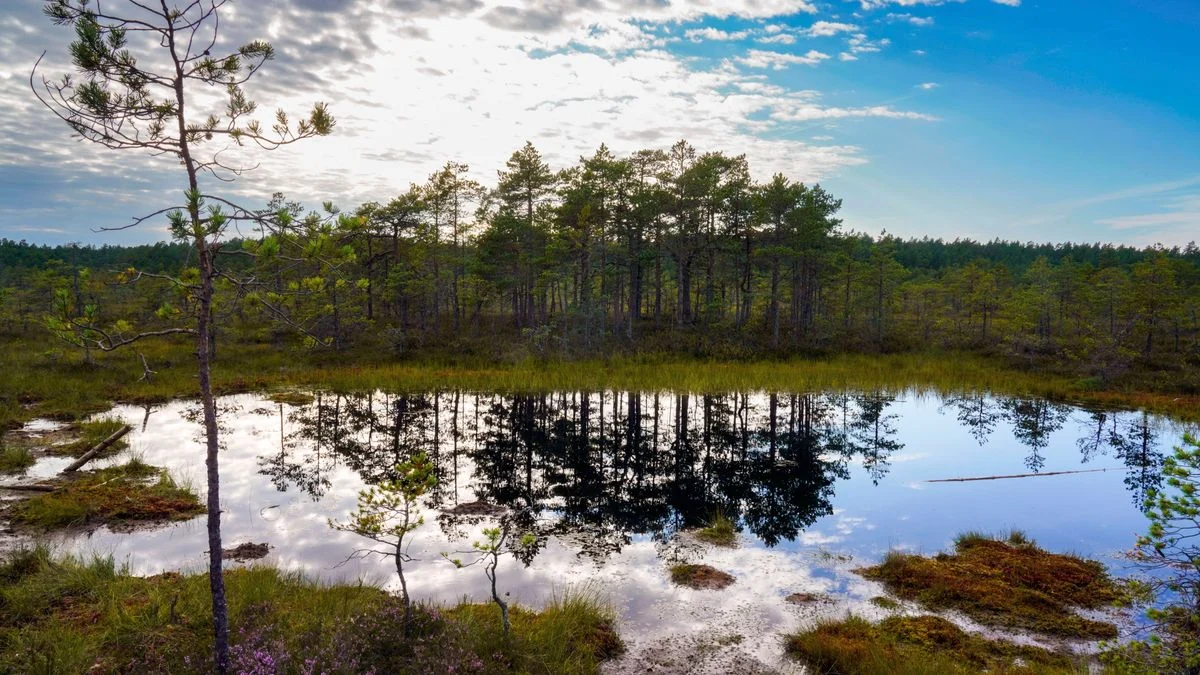
Initially, Bert was a wanderer. He spent his early years traversing vast stretches of the Brandenburg countryside, testing the boundaries of human settlement and agricultural land. It was a perilous journey, navigating high-speed highways, fragmented forests, and rural infrastructure. Yet, in 2019, he settled. The Nuthe-Nieplitz Nature Park, a mosaic of forests, wetlands, and fields, became his stronghold. Over the next five years, Bert did something no other moose in modern German history had done: he stayed.
Scientific Significance: Data for a Changing Continent
While the public may have viewed Bert as a local mascot—a majestic, antlered celebrity who occasionally graced the outskirts of Berlin—the scientific community viewed him as a goldmine of data.
"His death makes us very sad," said Frank-Uwe Michler, the lead wildlife expert at the HNEE. "For almost nine years, we knew practically every day where he was. We have a nearly seamless record of his life."
The dataset compiled during his time in Brandenburg is arguably the most comprehensive record of a free-roaming moose in a central European cultural landscape. As the largest deer species in the world, moose are typically creatures of the vast, unfragmented taiga. Observing how a bull like Bert adapted to a landscape defined by human activity provides critical insights into the potential for species recolonization in Europe.
Researchers were able to document how he navigated traffic, how he chose his feeding grounds, and how he interacted with the agricultural environment. This information is not merely historical; it serves as a blueprint for wildlife management. As climate change forces northern species to expand their ranges, the lessons learned from Bert’s life will guide conservationists in mitigating human-wildlife conflict and creating ecological corridors that allow such animals to move safely across borders.
The Mystery of the Injury: A Fatal Encounter?
The nature of Bert’s fatal injury—the "blunt force trauma"—points toward a violent, high-energy event. Wildlife experts have been analyzing the context of his final days to reconstruct the incident.
During the rutting season, moose bulls become highly aggressive, driven by hormonal surges and the presence of potential mates. In the days leading up to his death, observers noted the presence of another bull in the area. Such encounters are rarely peaceful. A physical confrontation between two large, rutting bulls can be catastrophic, involving massive forces capable of shattering bones and causing internal organ failure.
However, the researchers have not ruled out other possibilities. The pasture where Bert died was shared with domestic cattle. While moose are generally wary of humans, their proximity to livestock in managed landscapes is a known stressor. A defensive kick from a cow or an accidental impact during a frantic movement could potentially cause such localized trauma. Given the lack of clear external wounds consistent with a vehicle strike, the team is leaning toward an intra-species confrontation, though the lack of definitive forensic evidence keeps the case open.
The Broader Context: A Diminishing Population
Bert’s death is a sobering reminder of the fragility of the moose population in Germany. According to estimates from wildlife biologists, there were only five wild moose known to be living in the Brandenburg region prior to last weekend. With Bert’s passing, that number has dropped to four.
The existence of these animals in Germany is a testament to the "re-wilding" of the continent. As forests are reconnected and environmental protections are enforced, species that were once driven to the brink of extinction or pushed out of their native ranges are finding their way back. However, these animals are essentially living on the edge. They exist in isolated pockets, separated by sprawling urban centers and dangerous transport networks.
Bert was the exception to the rule—the only moose to have successfully integrated himself into a permanent, settled life in Germany. He proved that it was possible for the species to coexist with humanity, provided the landscape offers the right resources and the animals are given the space to move.
Looking Ahead: The Legacy of a Gentle Giant
The loss of Bert is being felt far beyond the academic halls of Eberswalde. He had become a symbol of nature’s resilience in the face of human encroachment. His life sparked conversations about biodiversity, the importance of wildlife corridors, and the necessity of scientific monitoring in an era of ecological transition.
"The dataset he provided will accompany our research for a long time," Michler noted. The HNEE team is already beginning the long process of analyzing the final months of data to see if there were subtle behavioral shifts that preceded the event. They hope that by understanding the "why" and "how" of his death, they can better protect the remaining four moose that call Brandenburg home.
As the scientific community mourns the loss of their most famous subject, the public is left with the memory of a creature that bridged the gap between the wild, untouched forests of the East and the modern, bustling reality of the West. Bert may have been a moose, but in his ten years of life, he taught an entire country something profound about the nature of the world they inhabit—and the importance of protecting those who wander through it.
For now, the fields of the Nuthe-Nieplitz Nature Park remain quiet. The trackers are silent, and the "mascot" of Brandenburg is gone. Yet, the information gathered from his journey ensures that while Bert is no longer with us, his contribution to the survival of his species will endure for generations to come.