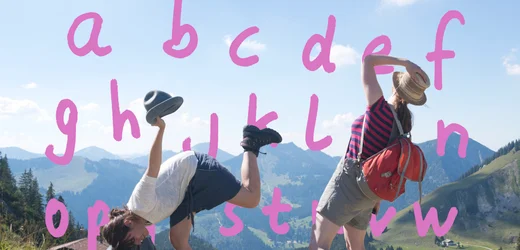
Tannenzäpfle instead of Tinto de verano, Spätzle instead of Spaghetti: A quiet, yet significant, demographic shift is occurring in the lush, coniferous highlands of Germany’s Black Forest. As record-breaking heatwaves and persistent wildfires plague the Mediterranean basin, an increasing number of tourists from Spain and Italy are abandoning their traditional sun-drenched beaches in favor of the temperate, emerald-green landscapes of southwestern Germany.
This phenomenon, now being dubbed "Coolcationing," reflects a broader shift in European travel behavior driven by the escalating climate crisis. What was once a niche preference for mountain air has evolved into a strategic migration of summer vacationers seeking sanctuary from the sweltering extremes of the south.
The Facts: A Statistical Surge in Northern Migration
The data provided by the Schwarzwald Tourismus GmbH, based on figures from the Baden-Württemberg State Statistical Office, paints a clear picture of this trend. Since 2015, overnight stays by Spanish nationals in the Black Forest region have surged by an impressive 64 percent. By the close of last year, Spanish travelers accounted for 199,000 overnight stays, while Italian travelers followed closely behind with 194,000.
The trend is even more pronounced in the High Black Forest (Hochschwarzwald). Local tourism boards report that, in the wake of the COVID-19 pandemic, the number of Spanish visitors has seen year-on-year increases ranging from 11 to 46 percent. These figures are not merely statistical noise; they represent a fundamental change in the seasonal flow of tourism across the European continent.
Chronology of the Shift: From Climate Resilience to Mainstream Trend
To understand how the Black Forest became a refuge for Mediterranean travelers, one must look at the timeline of European climate patterns over the last decade.
- Pre-2015: The Black Forest was primarily a destination for German domestic tourists, Dutch campers, and Swiss hikers. Mediterranean tourists generally favored the southern coasts of their own countries, viewing Northern Europe as a destination for cultural trips rather than summer relaxation.
- 2015–2019: The first signs of climate-induced travel shifts began to emerge. As heat records in cities like Seville and Rome started to become the "new normal," travel agencies noted a marginal increase in inquiries for "cool" destinations.
- 2020–2022 (The Pandemic Catalyst): COVID-19 forced Europeans to reconsider domestic travel and regional exploration. During the brief periods of freedom between lockdowns, the desire for wide-open, temperate spaces led many to rediscover mountain tourism.
- 2023–2025: The arrival of extreme, multi-week heatwaves and the widespread visibility of devastating forest fires in Spain and Italy acted as a hard tipping point. The "Coolcation" trend moved from the fringes to the mainstream. Tourism boards in Baden-Württemberg began actively marketing the Black Forest as a climate-conscious escape.
Supporting Data: The Heatwave Connection
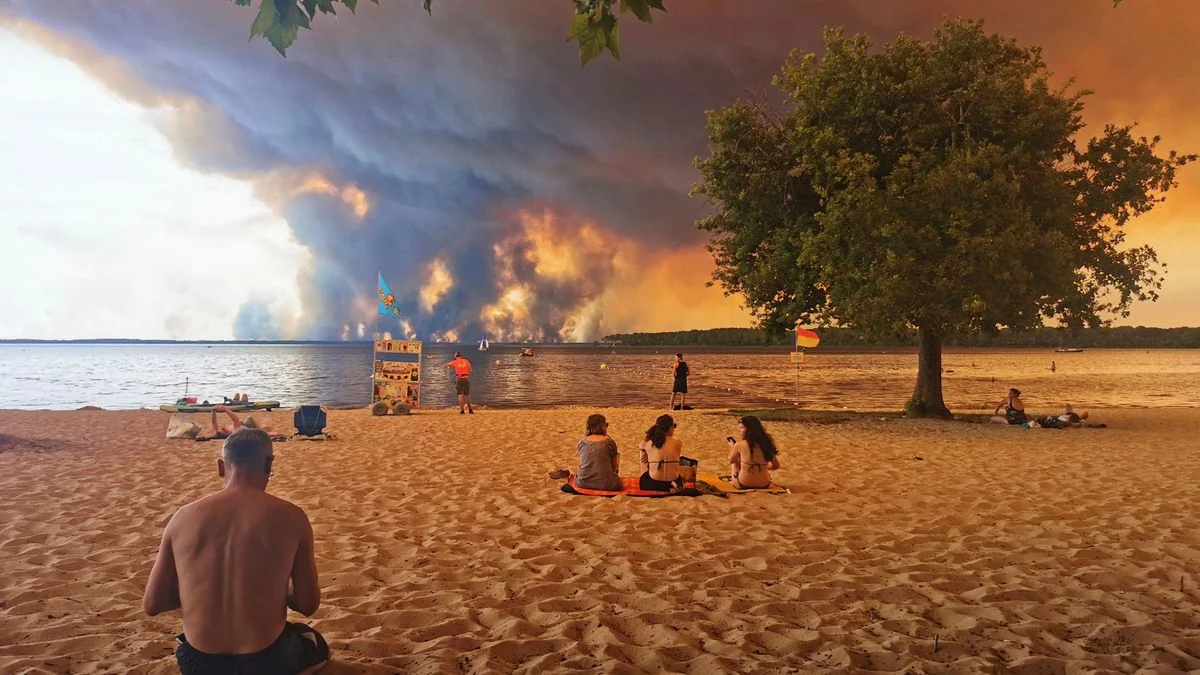
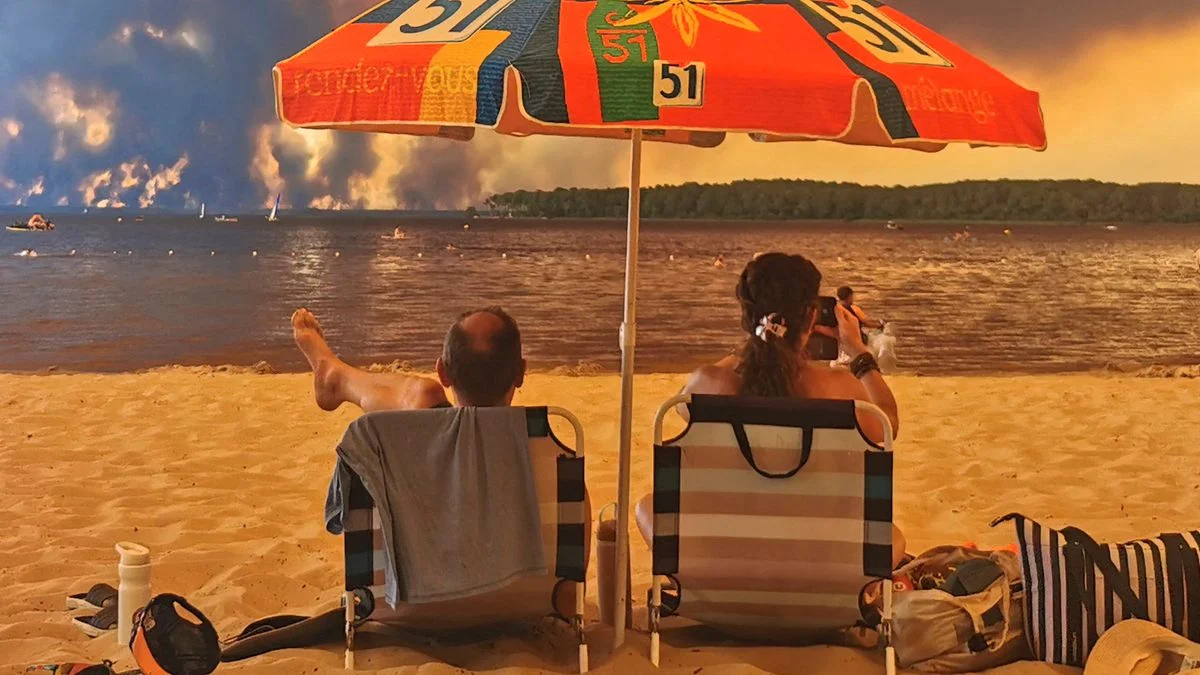
The correlation between rising temperatures in the south and the growth of tourism in the Black Forest is striking. A review of the SPIEGEL forest fire monitor highlights the grim reality driving this migration: Spain and Italy are currently battling increasingly frequent and severe wildfires. While summers in these regions have always been dry, the acceleration of anthropogenic global warming has made these conditions persistent and dangerous.
The concentration of these visitor surges specifically during the peak summer months of July and August serves as a smoking gun for the "heat avoidance" theory. When thermometers in Barcelona, Bari, or Florence push past 40°C (104°F) for weeks at a time, the 20°C (68°F) average of the Black Forest highlands becomes an irresistible commodity.
Official Responses and Marketing Strategies
The tourism industry in Germany has been quick to adapt. Recognizing that their climate is their greatest asset in a warming world, the Schwarzwald Tourismus GmbH launched a targeted "Coolcation" campaign in Spain last year. The campaign highlights the virtues of the region—the refreshing mountain air, the dense, cooling canopy of the forest, and the reliable temperatures that allow for outdoor activity without the risk of heatstroke.

Local officials, such as those at the Hochschwarzwald Tourismus GmbH, have observed a noticeable uptick in media coverage. The region is increasingly being featured in Spanish and Italian lifestyle media and is becoming a focal point for influencers who cater to an audience looking for "sustainable" and "comfortable" travel experiences. By positioning the Black Forest not just as a place of tradition, but as a modern, climate-resilient alternative, these boards are successfully capturing a new, high-value demographic.
Implications: The Cultural and Economic Fallout
The influx of Southern European tourists brings both opportunities and questions for the region.
The Economic Opportunity
For the Black Forest, this is an economic windfall. The diversification of their guest list protects the region from the potential downturn of traditional markets. Furthermore, these visitors tend to stay longer and engage in a wider variety of regional activities, from visiting the historic St. Blasien Cathedral to hiking the extensive trail networks of the Hochschwarzwald.
The "Authenticity" Question
Tourism boards are quick to point out that the visitors aren’t only here to escape the heat. They argue that the appeal of the "Schwarzwaldhof" (traditional Black Forest farmstead) and the local culinary traditions are major draws. However, there is a touch of skepticism among observers. Can a region famous for heavy, hearty, meat-and-potato-based cuisine really compete with the Mediterranean culinary tradition for a palate accustomed to fresh seafood and light, vibrant dishes?
While it is easy to promote the cultural charm of the Black Forest, the primary driver remains survival. The tourism boards are doing their job by marketing the experience as an "authentic German adventure," but the reality is that the cooling effect of the forest floor is the primary product being sold.
A Long-term Climate Outlook
The "Coolcation" trend is an indicator of a permanent shift in how Europe will view travel. As the Mediterranean becomes increasingly inhospitable during the summer months, Northern Europe—and specifically the highlands of Germany—will likely see a sustained increase in demand. This creates a secondary challenge: the need to manage infrastructure. Increased tourism carries the risk of over-tourism in sensitive ecological areas, a challenge that local authorities in the Black Forest will need to balance carefully in the coming years.
Conclusion: A New Era for European Tourism
The image of a Spaniard sipping a cold beer in a forest tavern in Hinterzarten is no longer a historical anomaly; it is a preview of the future of European tourism. As the climate crisis continues to reshape the map of livable and visitable spaces, the Black Forest finds itself at the forefront of a new travel paradigm.
Whether this trend remains a "Coolcation" fashion or evolves into a long-term economic pillar for Baden-Württemberg depends on how the region manages the balance between welcoming its new, heat-fleeing guests and preserving the very environment that makes the Black Forest so uniquely cool. For now, however, the trend is clear: when the south burns, the north beckons—and the Black Forest is ready to welcome them with open, shaded arms.