Kyiv, Ukraine – August 5, 2026 – The Ukrainian capital, Kyiv, and its surrounding regions were once again subjected to a devastating barrage of Russian ballistic missile attacks overnight, resulting in at least 17 confirmed fatalities and dozens more injured. The Ukrainian Air Force reported that none of the ballistic missiles launched in this latest wave were intercepted, highlighting a critical vulnerability in the nation’s air defense capabilities. The intensity of the assault, coupled with the inability to effectively counter the ballistic threats, has plunged Kyiv into a state of shock and renewed fear, as the conflict escalates with a focus on critical logistical infrastructure.
President Volodymyr Zelenskyy, speaking in the aftermath of the relentless strikes, expressed profound grief and frustration. "We are facing an unprecedented challenge with ballistic missiles," he stated, emphasizing that these weapons are far more difficult to intercept than drones or cruise missiles. The Ukrainian leader reiterated his urgent pleas to international partners for advanced air defense systems, particularly the Patriot missile defense system, which he believes could have averted the tragic loss of life. The attacks underscore a dangerous shift in Russia’s targeting strategy, with an increasing focus on logistical hubs, suggesting a concerted effort to cripple Ukraine’s ability to sustain its defense efforts.
A Night of Terror: The Brutal Reality of Ballistic Strikes
The pre-dawn hours of August 5th were shattered by a series of violent explosions across Kyiv and its oblast. Air raid sirens wailed for hours as Russian forces unleashed a comprehensive assault, reportedly involving a total of 115 drones and 28 missiles. While Ukraine’s air defenses managed to intercept 98 of the drones, the ballistic missile component of the attack proved to be a devastatingly effective weapon.
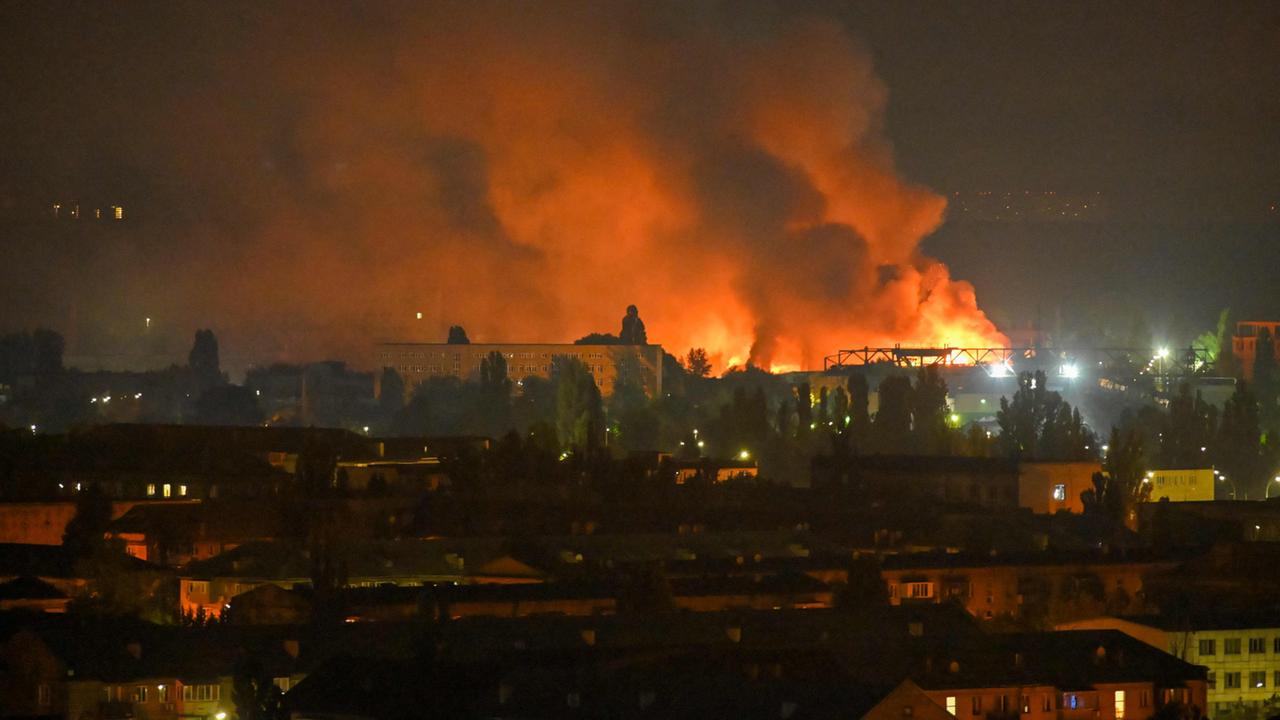
The Ukrainian State Emergency Service reported significant damage across at least seven districts of the capital, with large-scale fires erupting in the wake of the strikes. Hundreds of rescue workers were deployed to combat the blazes and tend to the injured. The fires in Kyiv have since been extinguished, but the scars of the attack remain evident.
According to official reports, numerous warehouses and residential buildings in Kyiv sustained direct hits or significant damage. The surrounding administrative districts of Brovary, Fastiv, and Bucha also experienced attacks on their logistical facilities. In Brovary, the Ukrainian railway authority confirmed that several individuals were killed at a train station when a missile struck a nearby logistics center. This incident highlights the indiscriminate nature of the attacks and the devastating impact on civilian infrastructure and the essential services that rely upon it.
The Critical Gap: Ukraine’s Vulnerability to Ballistic Missiles
The stark contrast between Ukraine’s ability to intercept drones and cruise missiles and its struggle against ballistic threats has become a central concern. The Ukrainian Air Force’s statement that "not a single ballistic missile was intercepted" during this latest attack is a sobering admission of a critical defensive deficiency. Unlike the more readily available interceptors for drones and cruise missiles, Ukraine is heavily reliant on advanced missile defense systems, such as the Patriot, for protection against ballistic weapons.
President Zelenskyy has consistently appealed to Western allies for an expedited delivery of these crucial systems. He argues that the current lack of sufficient interceptors leaves Ukrainian cities and their inhabitants exposed to catastrophic attacks. "Ballistic interceptor missiles could have saved the lives of those killed," the Ukrainian President lamented, underscoring the immediate and tangible impact of delayed military aid. The ongoing struggle to secure these advanced air defense capabilities directly translates into a heightened risk for the Ukrainian population.
Escalating Attacks and Shifting Russian Strategy
The August 5th assault is not an isolated incident. The United Nations has reported a significant increase in civilian casualties from Russian attacks in recent months. Just days prior, on the night of August 2nd, a similar wave of ballistic missile attacks targeted Kyiv, resulting in at least nine deaths and over 30 injuries. This pattern suggests a deliberate and escalating campaign by Russia to inflict maximum damage and sow terror.
The Russian Ministry of Defense, in its statement regarding the latest attacks, claimed that the strikes were directed at "logistics and distribution centers for military goods." This declaration aligns with a broader trend observed in recent weeks: Russia’s intensified targeting of logistical infrastructure in Ukraine. This strategic shift indicates a concerted effort to disrupt Ukraine’s supply lines, undermine its military capabilities, and potentially demoralize its population.
A Counter-Offensive in the Logistics Domain
The targeting of logistics centers appears to be a two-way street, with Ukraine also actively targeting Russian supply chains. Since mid-July, Ukraine has reportedly attacked approximately 20 locations belonging to the Russian online retailer Wildberries, causing significant damage. Wildberries, often referred to as Russia’s "answer to Amazon," has been accused by Kyiv of supplying essential goods for the Russian war effort.
The Ukrainian government has stated that these attacks are intended not only to disrupt Russian logistics but also to bring the realities of the war into the daily lives of the Russian population. This approach signals a broadening of the conflict’s scope, with Ukraine seeking to exert pressure on Russia’s domestic infrastructure and economy.
In a reciprocal incident, Russian authorities reported a Ukrainian drone attack on a Wildberries logistics center in the Tula region, south of Moscow, on the morning of August 5th. The local governor, Dmitry Miliaev, stated that one person was injured, and the center caught fire. Two industrial facilities and two residential buildings in the region were also reportedly damaged. This exchange highlights the escalating nature of attacks on logistical networks on both sides.
Broader Implications and the Path Forward
The relentless Russian missile attacks on Kyiv and the surrounding regions carry profound implications for Ukraine’s defense strategy, its civilian population, and its relationship with its international partners. The inability to effectively counter ballistic missiles represents a significant vulnerability that Russia appears determined to exploit.
The increasing focus on logistical hubs suggests a strategic attempt by Russia to starve Ukraine’s war machine and undermine its ability to resist. This tactic, if successful, could have a crippling effect on Ukraine’s defense capabilities and its overall resilience.
For the Ukrainian people, these attacks mean a constant state of fear and uncertainty. The destruction of homes, infrastructure, and the loss of innocent lives take a heavy toll on civilian morale and the nation’s capacity to rebuild. The recurring waves of attacks also place an immense strain on emergency services and medical facilities.
The repeated calls from President Zelenskyy for advanced air defense systems underscore the critical need for continued and accelerated international support. The timely delivery of Patriot missile systems and other sophisticated air defense weaponry is not merely a matter of military assistance; it is a matter of saving lives and preserving Ukraine’s ability to defend its sovereignty.
The conflict is evolving, with both sides increasingly targeting the logistical underpinnings of their adversaries. The attacks on Wildberries by Ukraine and the Russian response highlight this shift. The effectiveness of these reciprocal strikes and their impact on the broader conflict remain to be seen. However, the current trajectory indicates a sustained and brutal engagement, with civilian populations bearing the brunt of the escalating violence. The international community faces a pressing imperative to provide Ukraine with the necessary tools to defend itself against these devastating and increasingly sophisticated attacks.
Disclaimer: Information regarding the course of the war, shelling, and casualties provided by official sources from the Russian and Ukrainian parties to the conflict cannot be independently verified by impartial sources in the current situation.