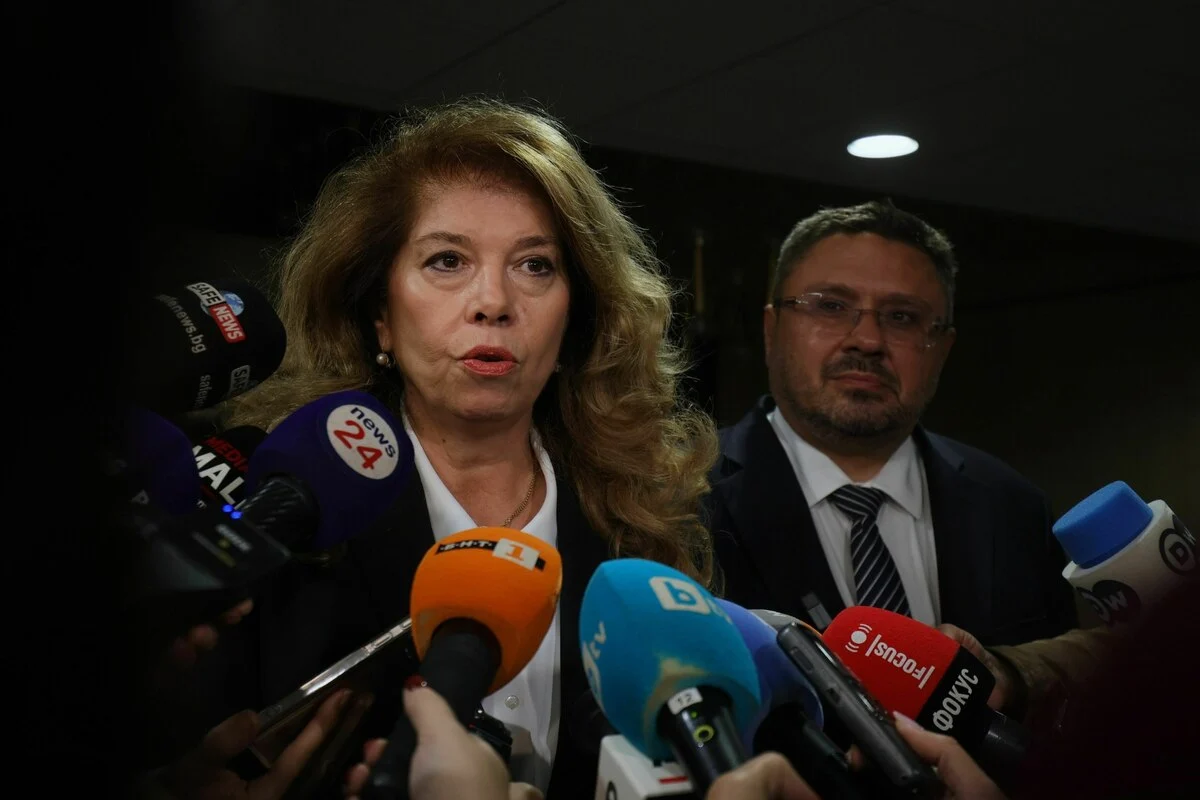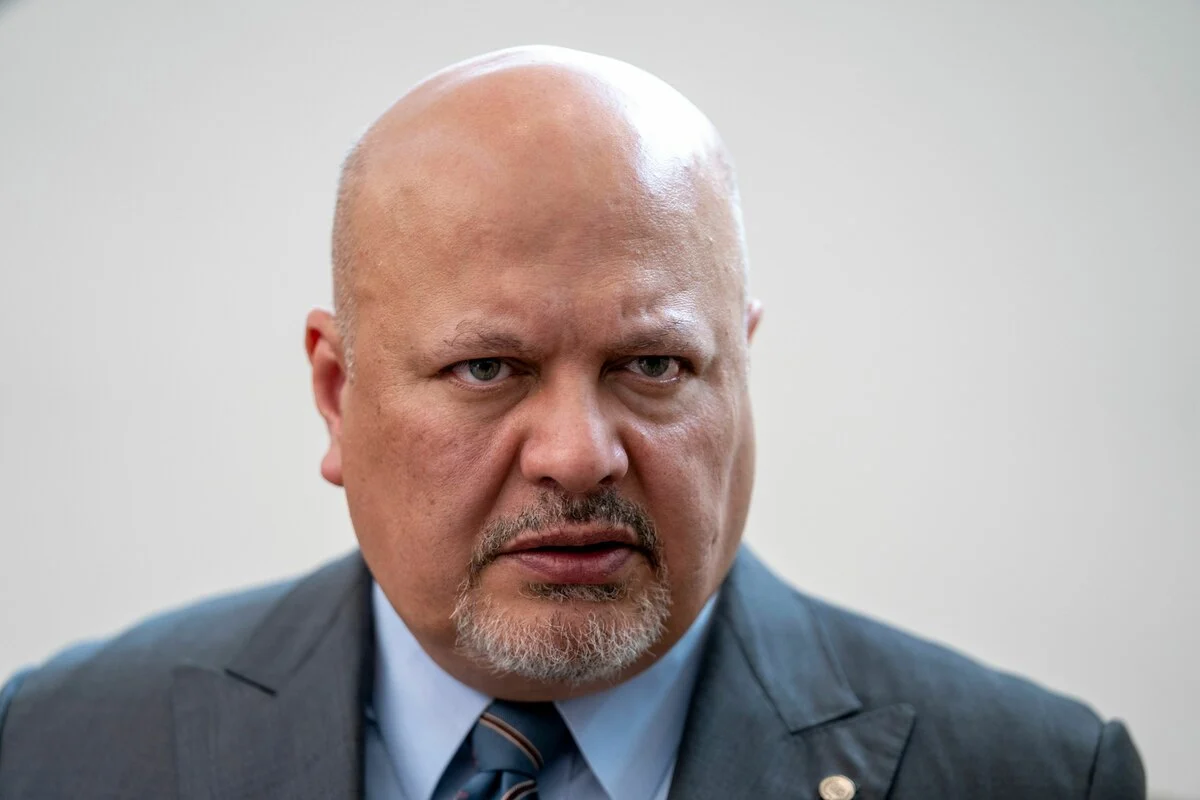
In a historic and unprecedented decision, the assembly of member states of the International Criminal Court (ICC) has voted to remove Chief Prosecutor Karim Khan from office. The move comes following a protracted scandal involving serious allegations of sexual misconduct, bringing the institution to a critical juncture in its twenty-year history.
In a decisive vote held in New York, 82 member states voted in favor of removing Khan, while only 13 opposed the motion and 15 abstained. This extraordinary step, which requires an absolute majority under the Rome Statute, marks the first time in the court’s existence that its highest-ranking legal official has been forcibly ousted due to personal misconduct. The decision concludes months of institutional paralysis and intense diplomatic pressure surrounding the court’s leadership.
The Charges: Allegations of Coercion and Abuse
The scandal broke in November 2024, when a close aide to Khan, a Malaysian lawyer identified in media reports as “Sarah,” leveled formal allegations of sexual misconduct against him. Sarah, who had worked for the ICC since 2017 and served as Khan’s personal assistant since 2023, detailed a pattern of behavior characterized by unwanted physical contact and abuse of power.
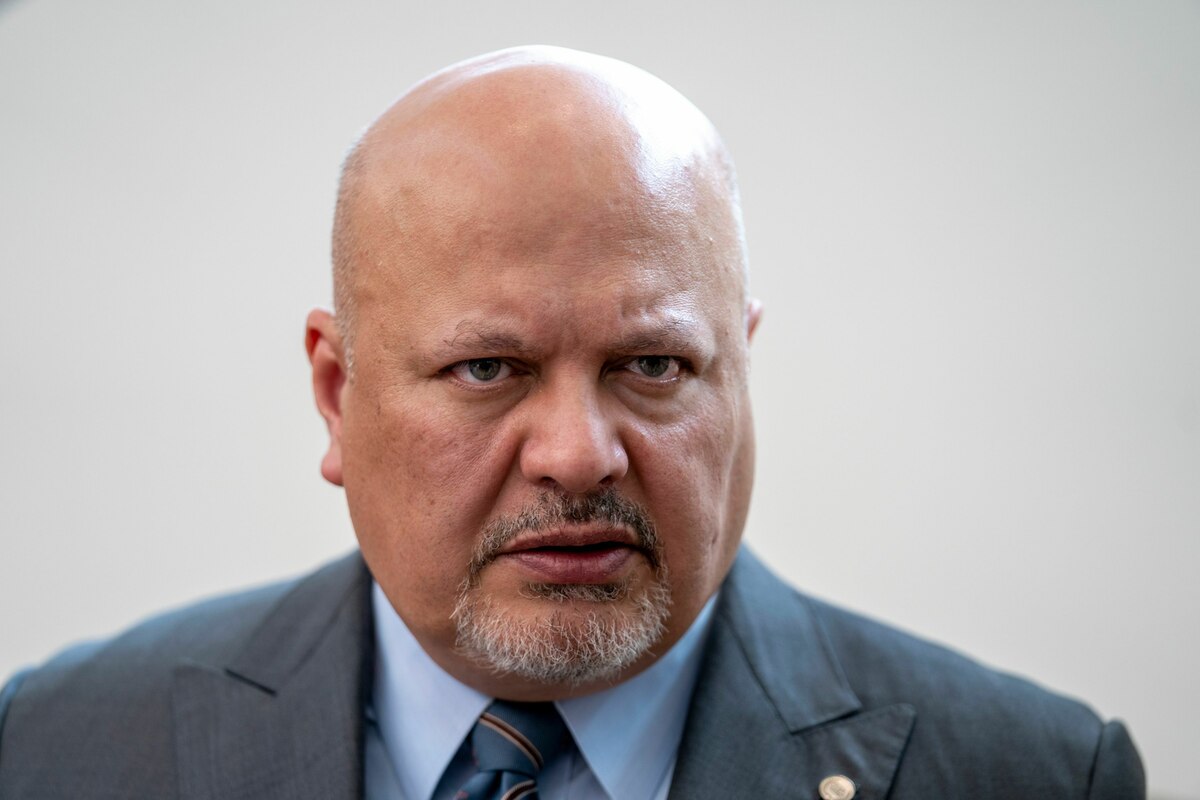
According to testimonies later corroborated in a CNN interview, the incidents included a disturbing encounter during a professional trip to Colombia. Sarah alleged that Khan entered her hotel room while she was asleep, touched her inappropriately beneath her clothing, and engaged in non-consensual sexual acts. She stated that she felt paralyzed by the power dynamic—Khan was not merely her supervisor, but the most powerful figure in the organization.
The situation escalated in September 2025, when a second woman, identified as “Patricia,” came forward to the British newspaper The Guardian. Patricia, who had worked as an intern under Khan in 2009—years before his appointment to the ICC—alleged that he had engaged in a pattern of unwanted advances, including groping her breasts, forced kissing, and persistent pressure to engage in sexual relations.
A Timeline of the Scandal
The path to Khan’s removal was long and marked by complex legal and diplomatic maneuvering:

- November 2024: Formal allegations of sexual misconduct are brought by a long-term staffer.
- July 2025: The complainant, “Sarah,” publicly recounts the details of her abuse in a wide-reaching media interview.
- September 2025: A second accuser, “Patricia,” shares her experiences, dating back to 2009.
- December 2025: The United Nations Office of Internal Oversight Services (OIOS) completes a massive, 5,000-page report. The investigation concludes there was a “factual basis” for the allegations against Khan.
- May 2026: Following mounting public pressure, Khan voluntarily steps aside to allow for a formal review of his conduct.
- June 2026: Khan attempts to return to his duties and resume media appearances. The Executive Committee of the ICC’s Assembly of States Parties formally suspends him.
- Late 2026: The Assembly of States Parties convenes an emergency session, leading to the final vote of 82 to 13 to remove him from office permanently.
Institutional Findings and the "Reasonable Doubt" Threshold
The investigation conducted by the UN’s OIOS was exhaustive, spanning 5,000 pages of evidence and testimony. Despite finding a "factual basis" for the accusations, the subsequent legal evaluation by a three-judge panel appointed by the ICC’s Executive Committee resulted in a controversial conclusion.
The judges ruled that the evidence did not meet the high legal threshold of being "beyond a reasonable doubt." Furthermore, the panel criticized the OIOS investigation for failing to conduct a sufficiently thorough fact-finding mission, specifically noting that the panel itself had not interviewed the accusers directly. This gap in the judicial process sparked significant internal debate: while the formal legal standard for a criminal conviction was not met, the Assembly of States Parties determined that the threshold for professional conduct required of a Chief Prosecutor had been breached.
The Political Dimension: Geopolitics and Accusations of Intrigue
Throughout the ordeal, Karim Khan maintained his innocence, characterizing the accusations as a "smear campaign" orchestrated by geopolitical rivals. Khan notably alleged that the scandal was manufactured to undermine his work, specifically linking the timing of the accusations to his pursuit of arrest warrants for high-profile political leaders, including Russian President Vladimir Putin and Israeli Prime Minister Benjamin Netanyahu.

The Israeli government, for its part, criticized Khan throughout his tenure, suggesting that his legal pursuits were politically motivated. However, both of the complainants, “Sarah” and “Patricia,” have vehemently rejected the suggestion that they are acting on behalf of any state interest. Sarah, in particular, emphasized her commitment to the integrity of the ICC’s investigative mission, stating that her pursuit of justice against Khan was entirely separate from the court’s ongoing geopolitical caseload.
Official Responses and the Future of the Court
The decision to remove Khan was driven by a concern for the court’s operational integrity. Legal scholar Kai Ambos, an expert in international criminal law, noted in an interview with Der Spiegel that the majority of states likely viewed Khan’s continued presence as a terminal threat to the ICC’s legitimacy. "The consensus was that a prosecutor embroiled in such profound personal scandal could no longer represent the moral and legal authority required to hold others accountable for war crimes," Ambos explained.
The ICC, which is not an organ of the United Nations but an independent body established by the 2002 Rome Statute, has moved quickly to ensure continuity. The Office of the Prosecutor is currently being led by Deputy Prosecutors Nazhat Shameen Khan and Mame Mandiaye Niang, who have been handling the responsibilities since Karim Khan’s suspension in 2025.

The Assembly of States Parties has confirmed that the removal of the Chief Prosecutor will have no impact on the validity of the arrest warrants already sought or issued during his tenure. The hunt for a successor has now begun.
Implications for International Justice
The case of Karim Khan serves as a sobering reminder of the challenges inherent in international institutions. With 125 member states—including Germany and many other European nations—the ICC is a vital, albeit fragile, instrument of global justice. The fact that the court remains largely unsupported by major powers like the United States, Russia, and China only adds to the pressure on its internal governance.
The United States has historically maintained a hostile stance toward the court, at times imposing sanctions on officials who pursued cases involving American or allied interests. This external pressure, combined with internal crises, places the ICC in a vulnerable position.

As the court moves forward, it faces a dual challenge: it must rebuild the trust of its staff and the public while maintaining its independence in the face of political attacks. The removal of Khan, while painful, is viewed by many as a necessary step toward cleansing the institution of the allegations of abuse that threatened to turn the court’s own leadership into a liability.
For the victims of sexual violence, the outcome of the proceedings—though complex—represents a rare moment where an international body chose to prioritize the credible reports of misconduct over the reputation of a powerful man. Whether the ICC can successfully pivot from this crisis remains to be seen, but the events of 2026 will undoubtedly remain a defining chapter in the history of international criminal law.